


In this open access book the cost and revenue overruns of Olympic Games from Sydney 2000 to PyeongChang 2018 from eight years before the Games to Games‐time are investigated to provide a base for future host cities. The study is based on data collected worldwide.
Cost and Revenue Overruns of the Olympic Games 2000–2018
In this open access book the cost and revenue overruns of Olympic Games from Sydney 2000 to PyeongChang 2018 from eight years before the Games to Games‐time are investigated to provide a base for future host cities. The study is based on data collected worldwide.
Mainz-Paris study: Cost overruns of Olympic Games comparable to other large-scale projects
The question of costs of Olympic Games has been widely debated in recent years and fueled considerations about whether holding the Games is justified at all in view of the overall costs and especially with regard to the budget overrun. However, there is often a lack of concrete data to show exactly which costs can be attributed to the Games. Sports economists at Johannes Gutenberg University Mainz (JGU) in Germany in cooperation with the Université Paris 1 Panthéon-Sorbonne in France have now compiled a comprehensive list of expenditures and revenues of the Olympic Games from Sydney 2000 to PyeongChang 2018. The results show that the costs of organizing the Olympic Games (OCOG budget) were always covered by revenues and even led to profits. Although infrastructure costs, which are usually financed using taxpayers' money, exceeded the original projections, these were in line with those of other large-scale projects. For the study, the sports scientists analyzed about 280 primarily non-public documents on all Olympic Games since 2000. The 170-page study will soon be published by the Springer Verlag publishing company. A summary with the most significant results is already available.
The causes of Olympic stadium cost overruns from 2000 to 2020
The Olympic Games have frequently witnessed cost overruns. Olympic stadiums have drawn significant media attention due to their escalating costs, but lack of systematic documentation. This study ai...

The causes of Olympic stadium cost overruns from 2000 to 2020
The Olympic Games have frequently witnessed cost overruns. Olympic stadiums have drawn significant media attention due to their escalating costs, but lack of systematic documentation. This study ai...
Regression to the Tail: Why the Olympics Blow Up
The Olympic Games are the largest, highest-profile, and most expensive megaevent hosted by cities and nations. Average sports-related costs of hosting are $12.0

Regression to the Tail: Why the Olympics Blow Up
The Olympic Games are the largest, highest-profile, and most expensive megaevent hosted by cities and nations. Average sports-related costs of hosting are $12.0
Regression to the Tail: Why the Olympics Blow Up
The Olympic Games are the largest, highest-profile, and most expensive megaevent hosted by cities and nations. Average sports-related costs of hosting are $12.0
Tokyo Olympics say costs $12.6B; Audit report says much more
TOKYO (AP) — Tokyo Olympic organizers said Friday they are spending 1.35 trillion Japanese yen — about $12.6 billion — to stage next year’s games. Organizers said the expenditure is unchanged…

Tokyo closes books on costly, pandemic-delayed Olympics
TOKYO (AP) -- Organizers of last year's COVID-delayed Tokyo Olympics were expected to place the final cost of the Games at 1.42 trillion yen, about tw

Official Costs of Tokyo Olympics Up by 22% to $15.4 billion
The Olympics are to open on July 23, 2021.
Tokyo Olympics sullied by bid-rigging, bribery trials more than 2 years after the Games closed
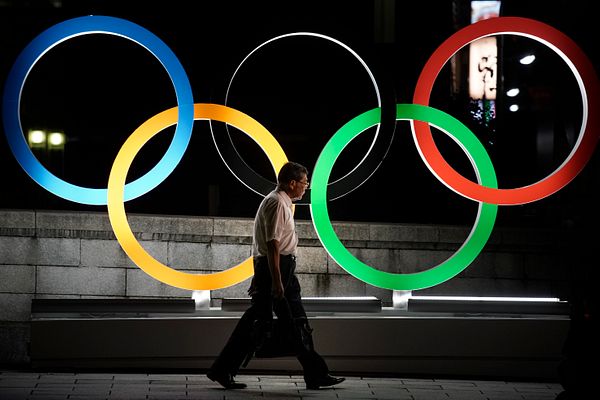
TOKYO (AP) — The bid-rigging trial around the Tokyo Olympics played out Tuesday in a Japanese courtroom — more than two years after the Games closed — with advertising giant Dentsu and five other c…

Asian Games open with more athletes, unfamiliar sports
Welcome to the Asian Games, which feature at least 11,000 athletes in 2026. The 2024 Summer Olympics in Paris had about 10,700.

Asian Games are bigger than the Summer Olympics in athlete numbers | The Asahi Shimbun Asia & Japan Watch
NAGOYA—How big are the Asian Games?
What’s the Asian Games accommodation crisis, and where will athletes stay?
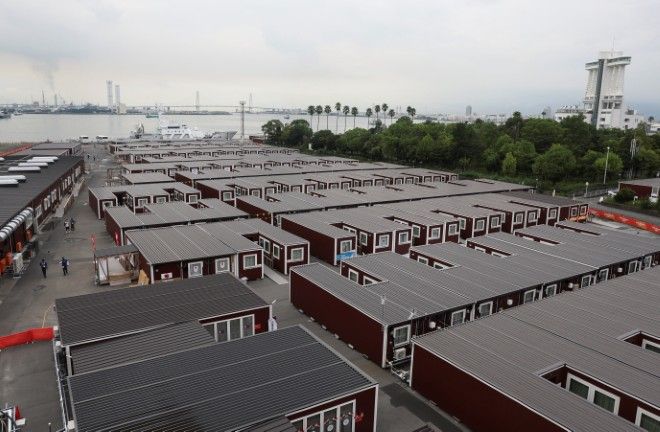
In a cost-cutting move, Japan decided against setting up a dedicated athletes' village but now faces a backlash.
Opposition in Japan to the Olympics during the COVID-19 pandemic
Little is known about the responses of citizens toward sporting mega-events held during a period of extended disasters, such as the 2020 Olympics held during the COVID-19 pandemic. This study aims to clarify the factors affecting citizens’ attitudes by testing the following hypotheses: the perception of high cost, the burden on medical institutions, and high risk of infectious disease spread negatively affect attitudes, while the perception of pandemic countermeasures, economic benefits, and athletes positively affect attitudes. Based on an online survey of 800 citizens before the 2020 Olympics, the hypotheses were tested using logistic regression models with the extracted factors as the explanatory variables and the attitude toward the Olympics as the objective variable. The test results confirm the factors lineated by the hypotheses, except for the perception of high cost. The fear of a healthcare system collapse from the medical burden of dealing with an outbreak has an especially strong negative effect on the attitude toward the Olympics. These results have important implications for city governments and municipalities and suggest that they should not underestimate citizens’ perceptions and attitudes when organizing mega-events and formulating proper communication. Further, the results may offer insights for the smooth strategic planning of large-scale events during unprecedented disasters.
Opposition in Japan to the Olympics during the COVID-19 pandemic
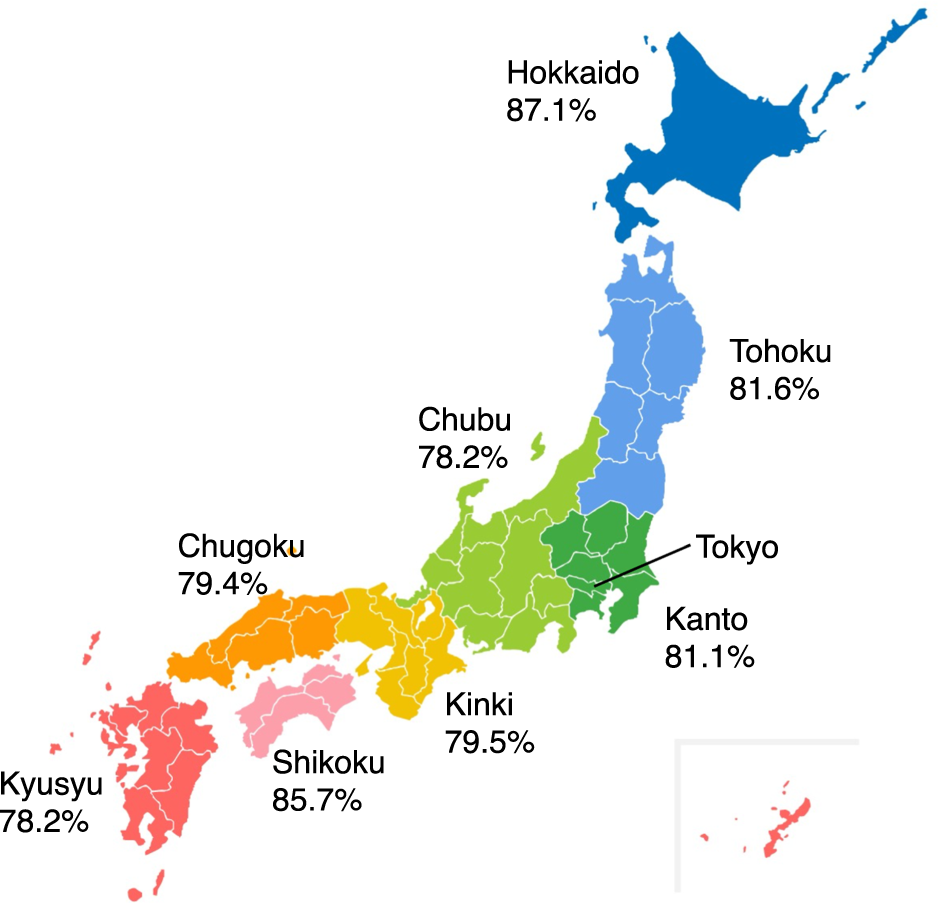
Little is known about the responses of citizens toward sporting mega-events held during a period of extended disasters, such as the 2020 Olympics held during the COVID-19 pandemic. This study aims to clarify the factors affecting citizens’ attitudes by testing the following hypotheses: the perception of high cost, the burden on medical institutions, and high risk of infectious disease spread negatively affect attitudes, while the perception of pandemic countermeasures, economic benefits, and athletes positively affect attitudes. Based on an online survey of 800 citizens before the 2020 Olympics, the hypotheses were tested using logistic regression models with the extracted factors as the explanatory variables and the attitude toward the Olympics as the objective variable. The test results confirm the factors lineated by the hypotheses, except for the perception of high cost. The fear of a healthcare system collapse from the medical burden of dealing with an outbreak has an especially strong negative effect on the attitude toward the Olympics. These results have important implications for city governments and municipalities and suggest that they should not underestimate citizens’ perceptions and attitudes when organizing mega-events and formulating proper communication. Further, the results may offer insights for the smooth strategic planning of large-scale events during unprecedented disasters.