

This paper gives a general survey of the subject and includes a graphic description of the subjective and general nutritional effects of carbon monoxid poisoning, by one of the victims; and incidentally throws light on the origin of a story of a haunted house. It gives an account of the ocular symptoms of such poisoning, revealing a distinct tendency of the poison to cause neuritis and especially to affect the optic nerve.
Severe toxicity due to injected but not oral or nasal abuse of methylphenidate tablets
BACKGROUND:Non-medical use of methylphenidate is increasing. Little is known about potential acute medical complications associated with recreational use of methylphenidate. STUDY AIM: To identify medical problems associated with methylphenidate abuse. METHODS: Retrospective case series of methylphenidate abuse cases presenting to an inner city emergency department. RESULTS: We identified 14 cases of methylphenidate abuse between 2003 and 2010. Ten of these patients abused methylphenidate alone while four co-ingested other drugs, mainly alcohol. The route of ingestion was oral in nine patients, nasal in one and intravascular in four. Severe toxicity was exclusively observed in users who injected the drug. Two cases involved accidental intra-arterial injection and resulted in tissue necrosis leading to the amputation of a forearm and of fingertips, respectively. Clinical findings in the non-serious cases included mild to moderate symptoms and signs of sympathetic nervous stimulation such as agitation, tachycardia, hypertension, anxiety, hallucination, headache, tremor and dizziness. Nine of the fourteen patients were taking methylphenidate as a prescribed drug. Eight patients were former or current multiple substance abusers. CONCLUSION: Methylphenidate misuse is not a significant burden for emergency departments in Switzerland. Oral and nasal administration of methylphenidate did not result in severe toxicity. However, injection of crushed methylphenidate pills lead to serious local toxicity. Most patients with methylphenidate abuse had a prescription for the drug indicating deviation from medical use. A history of multiple substance use may be a risk factor for non-medical use of methylphenidate.
The challenge of identifying subtle forms of toxicity online
The reality is that most forms of toxicity are subtle and often ambiguous, rather than obvious or extreme.

Chez les écolos, le complotisme séduit et divise
Dans les discours de naturopathes en vue, dans certains écolieux ou mouvements New Age, les idées conspirationnistes infusent,...

Toxins and Health Impacts: Health Effects of 9/11 - WTC Health Program
This online exhibition, developed by the World Trade Center (WTC) Health Program in partnership with the David J. Sencer CDC Museum, examines the ongoing health effects linked to 9/11 exposures and the emergence of WTC-related health conditions. It also explores the events and advocacy that established the WTC Health Program and research achievements that have led to improvements in medical treatment and knowledge.
Situational Blindness
This response may be read as a standalone piece, though it will of course be more meaningful if you read the original article first.
Developmental fluoride neurotoxicity: an updated review
After the discovery of fluoride as a caries-preventing agent in the mid-twentieth century, fluoridation of community water has become a widespread intervention, sometimes hailed as a mainstay of modern public health. However, this practice results in elevated fluoride intake and has become controversial for two reasons. First, topical fluoride application in the oral cavity appears to be a more direct and appropriate means of preventing caries. Second, systemic fluoride uptake is suspected of causing adverse effects, in particular neurotoxicity during early development. The latter is supported by experimental neurotoxicity findings and toxicokinetic evidence of fluoride passing into the brain.
Chemists discover how blue light speeds blindness
Blue light from digital devices and the sun transforms vital molecules in the eye's retina into cell killers, according to optical chemistry research at The University of Toledo.

Can you hurt yourself eating chilli peppers?
Many of us love the burning sensation from hot chillies. But are they doing us any harm? Veronique Greenwood investigates.

Understanding Mechanisms of PFAS Absorption, Distribution, and Elimination Using a Physiologically Based Toxicokinetic Model
Abstract. Exposures to some per- and polyfluoroalkyl substances (PFAS), including perfluoroalkyl acids (PFAA), have been associated with diverse adverse he
Safety of Safety Evaluation of Pesticides: developmental neurotoxicity of chlorpyrifos and chlorpyrifos-methyl
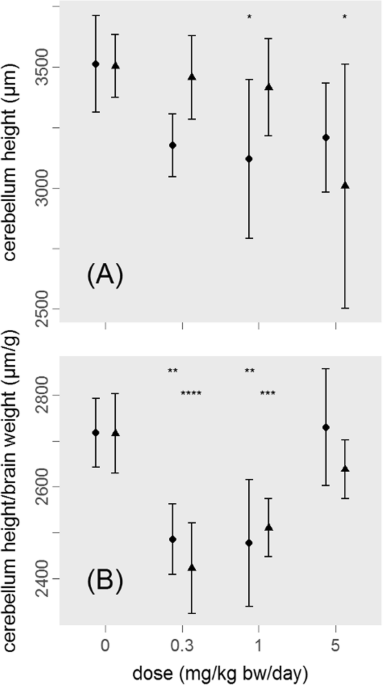
Authorization of pesticides for market release requires toxicity testing on animals, typically performed by test laboratories on contract with the pesticide producer. The latter provides the results and summary to the regulatory authorities. For the commonly used pesticide chlorpyrifos, an industry-funded toxicity study concludes that no selective effects on neurodevelopment occur even at high exposures. In contrast, the evidence from independent studies points to adverse effects of current exposures on cognitive development in children. We reviewed the industry-funded developmental neurotoxicity test data on chlorpyrifos and the related substance chlorpyrifos-methyl. We noted treatment-related changes in a brain dimension measure for chlorpyrifos at all dose levels tested, although not been reported in the original test summary. We further found issues which inappropriately decrease the ability of the studies to reveal true effects, including a dosage regimen that resulted in too low exposure of the nursing pups for chlorpyrifos and possibly for chlorpyrifos-methyl, and a failure to detect any neurobehavioral effects of lead nitrate used as positive control in the chlorpyrifos study. Our observations thus suggest that conclusions in test reports submitted by the producer may be misleading. This discrepancy affects the ability of regulatory authorities to perform a valid and safe evaluation of these pesticides. The difference between raw data and conclusions in the test reports indicates a potential existence of bias that would require regulatory attention and possible resolution.
We translated the Palantir manifesto for actual human beings
What happens when an all-seeing eye looks in the mirror?

151 Million People Affected: New Study Reveals That Leaded Gas Permanently Damaged American Mental Health
Childhood lead exposure from leaded gasoline has caused widespread mental health issues, particularly in Generation X, highlighting the dangers of delayed environmental regulation.
Climate change and overfishing increase neurotoxicant in marine predators
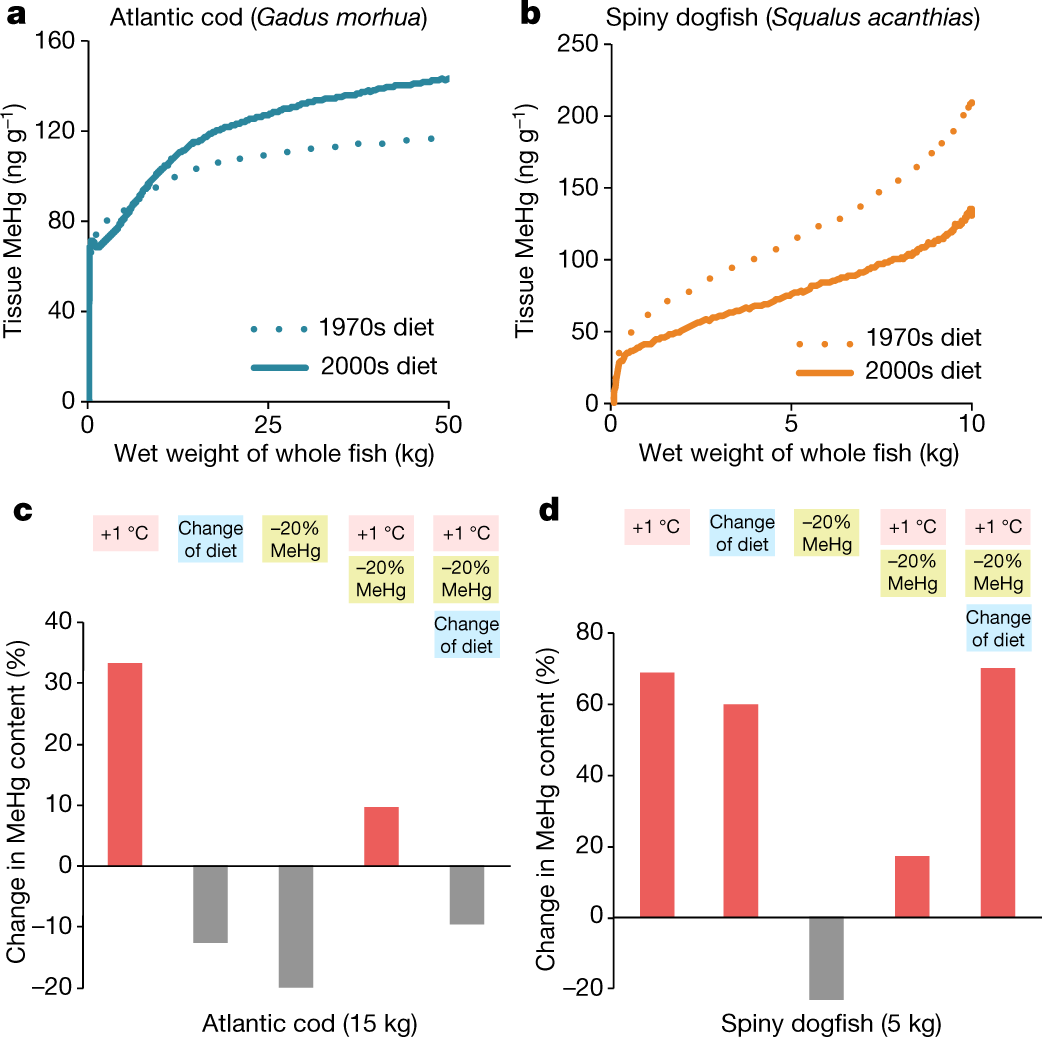
More than three billion people rely on seafood for nutrition. However, fish are the predominant source of human exposure to methylmercury (MeHg), a potent neurotoxic substance. In the United States, 82% of population-wide exposure to MeHg is from the consumption of marine seafood and almost 40% is from fresh and canned tuna alone1. Around 80% of the inorganic mercury (Hg) that is emitted to the atmosphere from natural and human sources is deposited in the ocean2, where some is converted by microorganisms to MeHg. In predatory fish, environmental MeHg concentrations are amplified by a million times or more. Human exposure to MeHg has been associated with long-term neurocognitive deficits in children that persist into adulthood, with global costs to society that exceed US$20 billion3. The first global treaty on reductions in anthropogenic Hg emissions (the Minamata Convention on Mercury) entered into force in 2017. However, effects of ongoing changes in marine ecosystems on bioaccumulation of MeHg in marine predators that are frequently consumed by humans (for example, tuna, cod and swordfish) have not been considered when setting global policy targets. Here we use more than 30 years of data and ecosystem modelling to show that MeHg concentrations in Atlantic cod (Gadus morhua) increased by up to 23% between the 1970s and 2000s as a result of dietary shifts initiated by overfishing. Our model also predicts an estimated 56% increase in tissue MeHg concentrations in Atlantic bluefin tuna (Thunnus thynnus) due to increases in seawater temperature between a low point in 1969 and recent peak levels—which is consistent with 2017 observations. This estimated increase in tissue MeHg exceeds the modelled 22% reduction that was achieved in the late 1990s and 2000s as a result of decreased seawater MeHg concentrations. The recently reported plateau in global anthropogenic Hg emissions4 suggests that ocean warming and fisheries management programmes will be major drivers of future MeHg concentrations in marine predators.

Evidence mounts that Long Covid is damaging the hearts of those affected
There are also increasing signs that the condition can disrupt the autonomic nervous system
