

The social media context interferes with truth discernment
Simply considering whether to share news on social media reduces the extent to which people discriminate truth from falsehood.

Capturing our Attention
What are the harms of misinformation? It’s widely believed that it causes false belief, including false beliefs in quite bizarre claims. I argue that this threat is greatly exaggerated: while plaus...

Disinformation and grievance narratives
Synthese - Disinformation is often defined as misleading content intended to instill false beliefs. But this definition is too narrow. We need to focus instead on its broader epistemic effects....

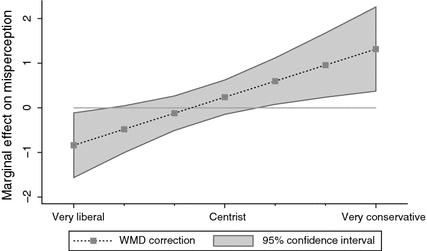
When Corrections Fail: The Persistence of Political Misperceptions
An extensive literature addresses citizen ignorance, but very little research focuses on misperceptions. Can these false or unsubstantiated beliefs about politics be corrected? Previous studies have not tested the efficacy of corrections in a realistic format. We conducted four experiments in which subjects read mock news articles that included either a misleading claim from a politician, or a misleading claim and a correction. Results indicate that corrections frequently fail to reduce misperceptions among the targeted ideological group. We also document several instances of a “backfire effect” in which corrections actually increase misperceptions among the group in question.

A quote by Garry Kasparov
The point of modern propaganda isn't only to misinform or push an agenda. It is to exhaust your critical thinking, to annihilate truth.

A Meta-Analytic Examination of the Continued Influence of Misinformation in the Face of Correction: How Powerful Is It, Why Does It Happen, and How to Stop It?
A meta-analysis was conducted to examine the extent of continued influence of misinformation in the face of correction and the theoretical explanations of this phenomenon. Aggregation of results from 32 studies ( N = 6,527) revealed that, on average, correction does not entirely eliminate the effect of misinformation ( r = –.05, p = .045). Corrective messages were found to be more successful when they are coherent, consistent with the audience’s worldview, and delivered by the source of the misinformation itself. Corrections are less effective if the misinformation was attributed to a credible source, the misinformation has been repeated multiple times prior to correction, or when there was a time lag between the delivery of the misinformation and the correction. These findings are consistent with predictions based on theories of mental models and offer concrete recommendations for practitioners.

Sorry, Sulzberger—NYT’s Anti-Trans ‘News’ Is Neither True Nor Important
Critics aren't asking the New York Times to "skew" or "censor" its trans-related coverage. We're asking the Times to stop skewing it.

Falsehoods programmers believe about email
In the spirit of falsehoods programmers believe about names and time, here’s some falsehoods about email which are all too common.

Election Disinformation in Different Languages is a Big Problem in the U.S.
And it’s driving a wedge between voters in non-English communities Mis- and disinformation about elections predate the endless scroll of modern social media services. [1] Yet easy access to online information channels and amplification tools enable false narratives to spread at a massive scale. When false narratives are combined with data voids and unique cultural […]
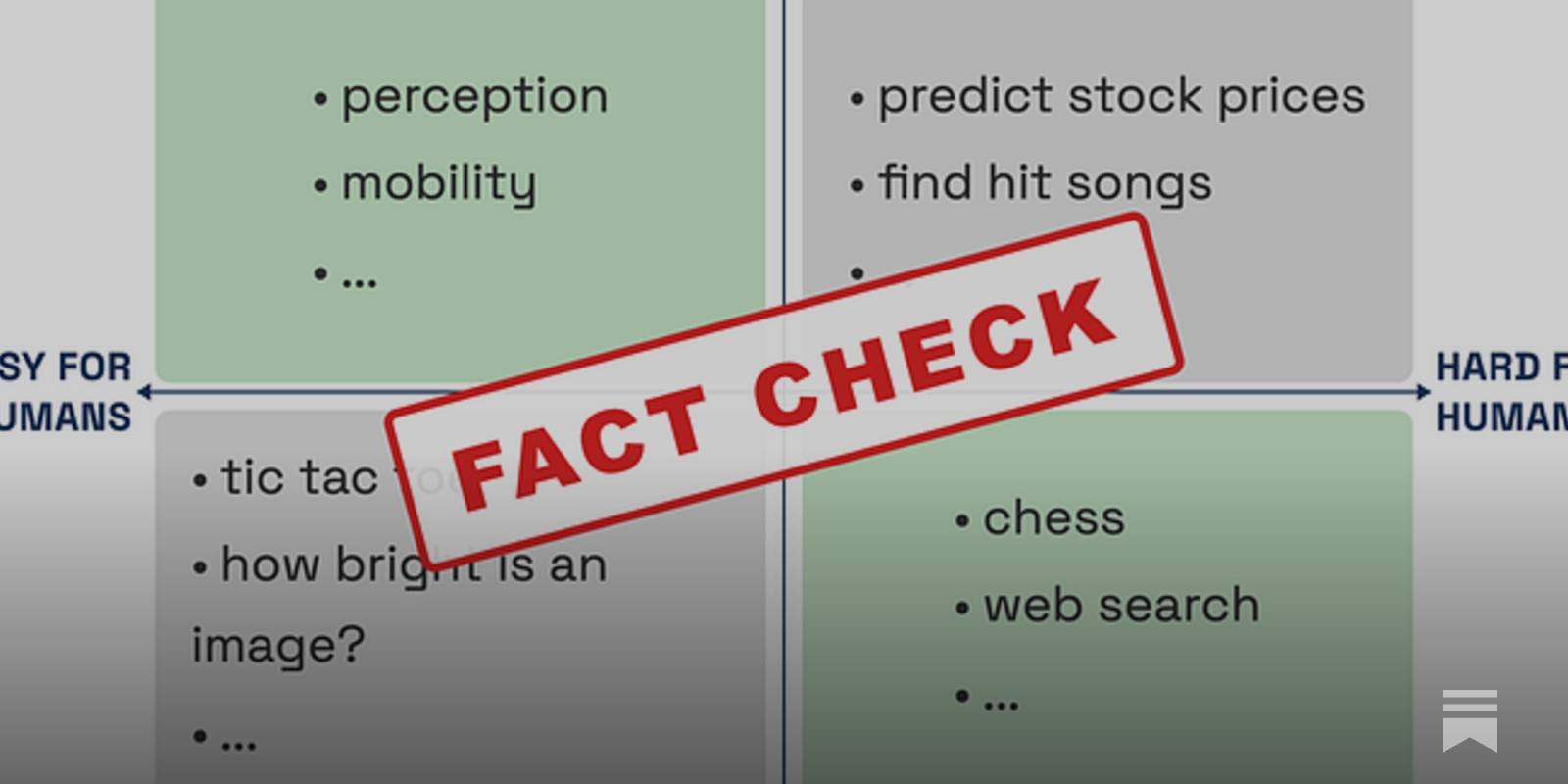
Fact-Checking False Claims about our Gender Identity Coverage | The New York Times Company
A recent post from Trans News Network included numerous falsehoods about New York Times stories on gender identity and maligned some of the journalists involved in the work. Our coverage is guided by…

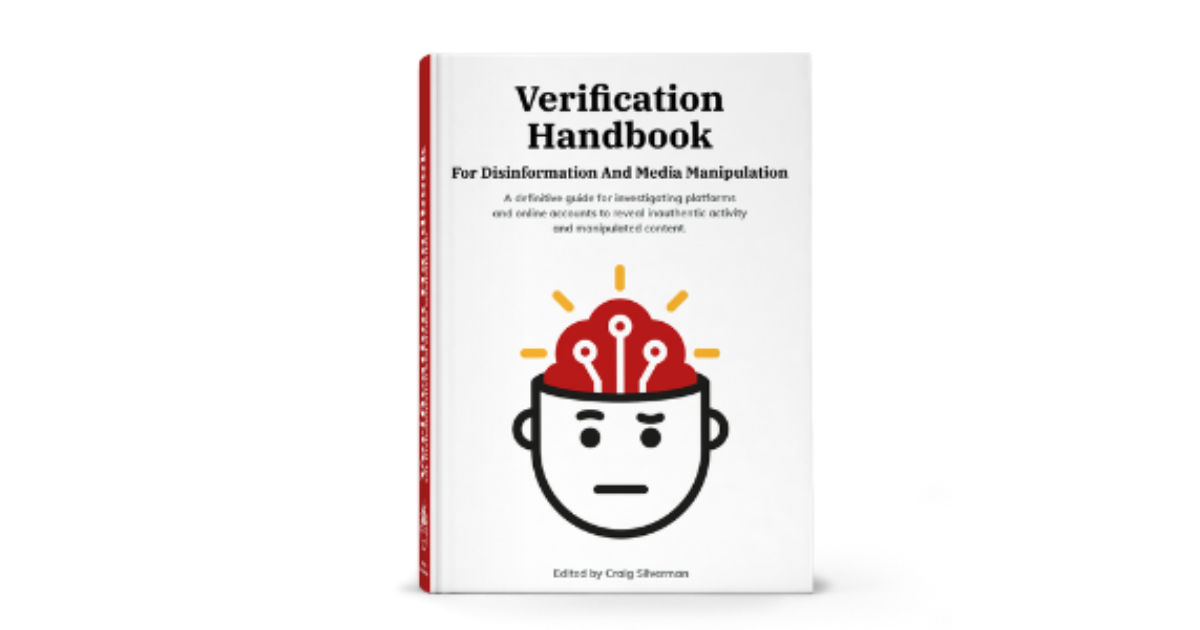
Verification Handbook | DataJournalism.com
This book equips journalists with the knowledge to investigate on disinformation and media manipulation.
How Social Media Rewards Misinformation
A majority of false stories are spread by a small number of frequent users, suggests a new study co-authored by Yale SOM’s Gizem Ceylan. But they can be taught to change their ways.

Deceptive Alignment is
Thanks to Wil Perkins, Grant Fleming, Thomas Larsen, Declan Nishiyama, and Frank McBride for feedback on this post. Thanks also to Paul Christiano, D…

I’m especially frustrated by the piece uncritically repeating Pangram’s “no false positives” claim when I know writer friends who have run their own work through & had it flag their 100% human-written sentences as machine-generated. We must doubt any company’s claim about its product having 0 fails.
