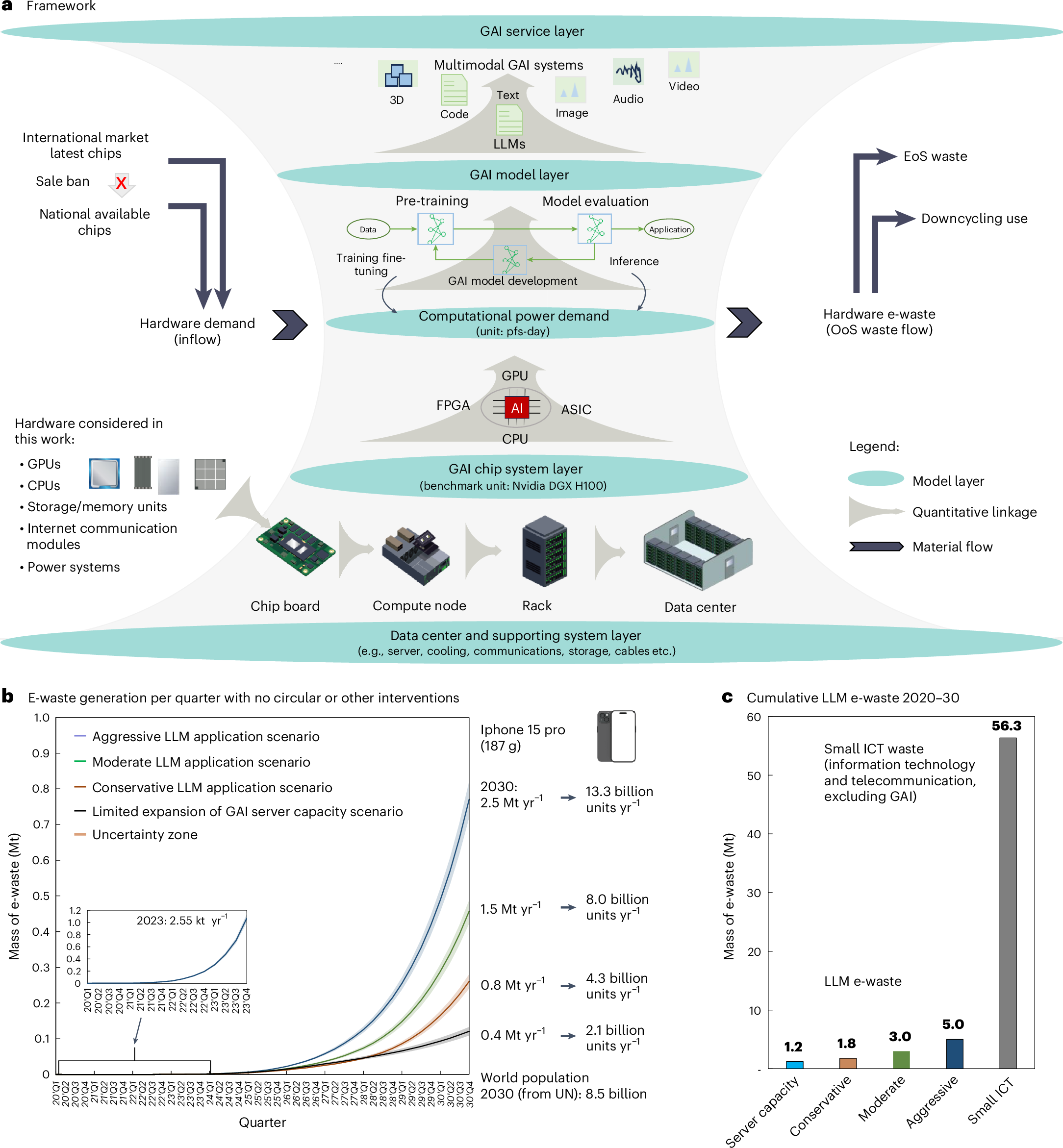
Generative artificial intelligence (GAI) requires substantial computational resources for model training and inference, but the electronic-waste (e-waste) implications of GAI and its management strategies remain underexplored. Here we introduce a computational power-driven material flow analysis framework to quantify and explore ways of managing the e-waste generated by GAI, with a particular focus on large language models. Our findings indicate that this e-waste stream could increase, potentially reaching a total accumulation of 1.2–5.0 million tons during 2020–2030, under different future GAI development settings. This may be intensified in the context of geopolitical restrictions on semiconductor imports and the rapid server turnover for operational cost savings. Meanwhile, we show that the implementation of circular economy strategies along the GAI value chain could reduce e-waste generation by 16–86%. This underscores the importance of proactive e-waste management in the face of advancing GAI technologies.
E-waste challenges of generative artificial intelligence
Generative artificial intelligence (GAI) requires substantial computational resources for model training and inference, but the electronic-waste (e-waste) implications of GAI and its management strategies remain underexplored. Here we introduce a computational power-driven material flow analysis framework to quantify and explore ways of managing the e-waste generated by GAI, with a particular focus on large language models. Our findings indicate that this e-waste stream could increase, potentially reaching a total accumulation of 1.2–5.0 million tons during 2020–2030, under different future GAI development settings. This may be intensified in the context of geopolitical restrictions on semiconductor imports and the rapid server turnover for operational cost savings. Meanwhile, we show that the implementation of circular economy strategies along the GAI value chain could reduce e-waste generation by 16–86%. This underscores the importance of proactive e-waste management in the face of advancing GAI technologies.
AI E-Waste May be 40 to 60 Times What Has Been Estimated, New Analysis Finds — Basel Action Network
First-of-its-kind full-infrastructure analysis by Basel Action Network projects 395 to 617 million tonnes of AI-driven electronic equipment could be retired between 2025 and 2050. If packed into shipping containers and placed end to end, they would circle the Earth about six times.

AI E-Waste May be 40 to 60 Times What Has Been Estimated, New Analysis Finds
Email from Basel Action Network First-of-its-kind full-infrastructure analysis by Basel Action Network projects 395 to 617 million tonnes of AI-driven electronic equipment could be retired between 202

AI E-Waste May be 40 to 60 Times What Has Been Estimated, New Analysis Finds
Email from Basel Action Network First-of-its-kind full-infrastructure analysis by Basel Action Network projects 395 to 617 million tonnes of AI-driven electronic equipment could be retired between 202
New estimate of AI e-waste - VU Amsterdam
In new research, data scientist Alex de Vries-Gao estimates that AI servers could generate 131–224.8 kilotonnes of e-waste per year by 2030.
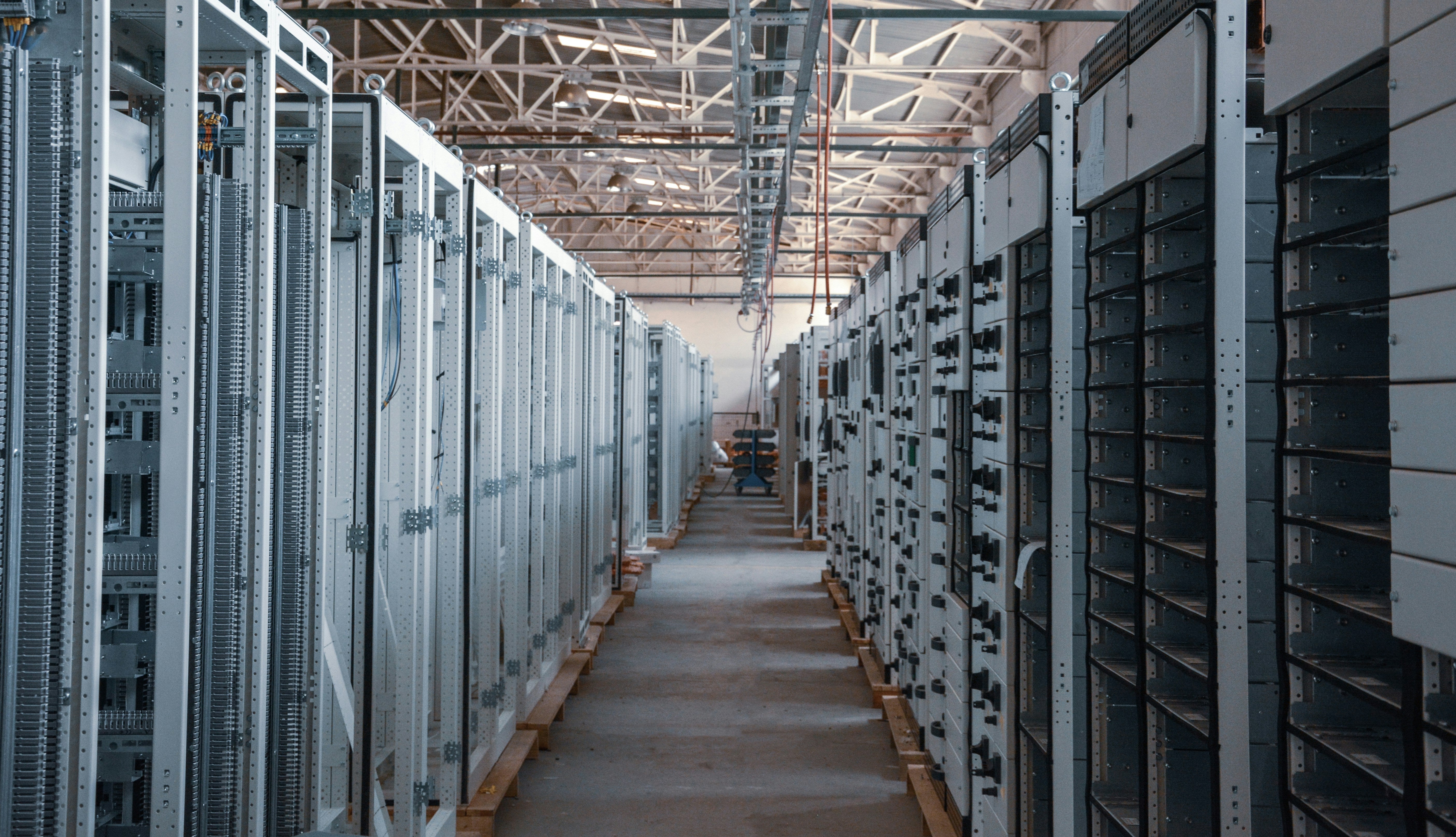
The AI data center e-waste problem is huge — and getting bigger
It’s even bigger than previously thought.

We did the math on AI’s energy footprint. Here’s the story you haven’t heard.
The emissions from individual AI text, image, and video queries seem small—until you add up what the industry isn’t tracking and consider where it’s heading next.

Google’s exponential path to climate-wrecking digital bloat
Google’s latest report reveals a completely unprecedented rise in energy consumption – more than any of us expected. Generative AI is a climate carbon bomb.

AI’s climate impact is much smaller than many feared
New findings challenge the widespread belief that AI is an environmental villain. By analyzing U.S. economic data and AI usage across industries, researchers discovered that AI’s energy consumption—while significant locally—barely registers at national or global scales. Even more surprising, AI could help accelerate green technologies rather than hinder them.

The CEO’s Guide to Generative AI: Cost of compute
The IBM Institute for Business Value uses data-driven research and expert analysis to deliver thought-provoking insights to leaders on the emerging trends that will determine future success.'

Environmental Cost of Artificial Intelligence: Carbon, Water, and Land Footprints
AI’s rapid growth drives huge energy, water, and land use, raising environmental and equity challenges across its global infrastructure.
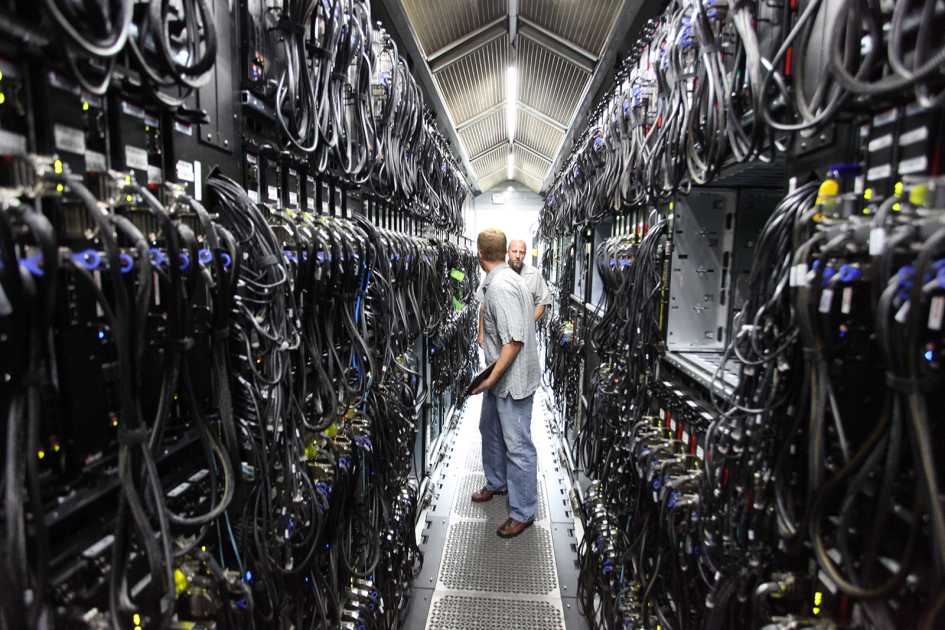
Environmental Cost of Artificial Intelligence: Carbon, Water, and Land Footprints
AI’s rapid growth drives huge energy, water, and land use, raising environmental and equity challenges across its global infrastructure.
A Real Political Economy of Technology - The Ideas Letter
Two technological futures are competing for political and material priority: generative AI and the green transition. Benanav argues that while AI is marketed as a world-reordering breakthrough, its productivity gains…
In spite of hype, many companies are moving cautiously when it comes to generative AI | TechCrunch
Companies are extremely interested in generative AI as vendors push potential benefits, but turning that desire from a proof of concept into a working product is proving much more challenging.

Visualising AI spending: How does it compare with history’s mega projects?
AI spending is projected to reach $2.5 trillion in 2026, surpassing the largest scientific and infrastructure projects.

AI’s energy usage is less than previously thought | Waterloo News
Contrary to popular belief, new research finds that the use of artificial intelligence has a minimal effect on global greenhouse gas emissions and may actually benefit the environment and the