


As the United States seeks to prioritise ‘competition with China’, debates have emerged about how this affects US engagements elsewhere. Europe occupies a contested role in this discussion. Traditi...

Strategic interdependence is rewiring the global economy
It is no longer sufficient for the US-China trade relationship to be driven solely by cost and efficiency

The long game: China's grand strategy to displace American order | Brookings
What are China’s ambitions, and does it have a grand strategy to achieve them? If it does, what is that strategy, what shapes it, and what should the United States do about it? Rush Doshi attempts to provide an answer in his new book, "The Long Game."
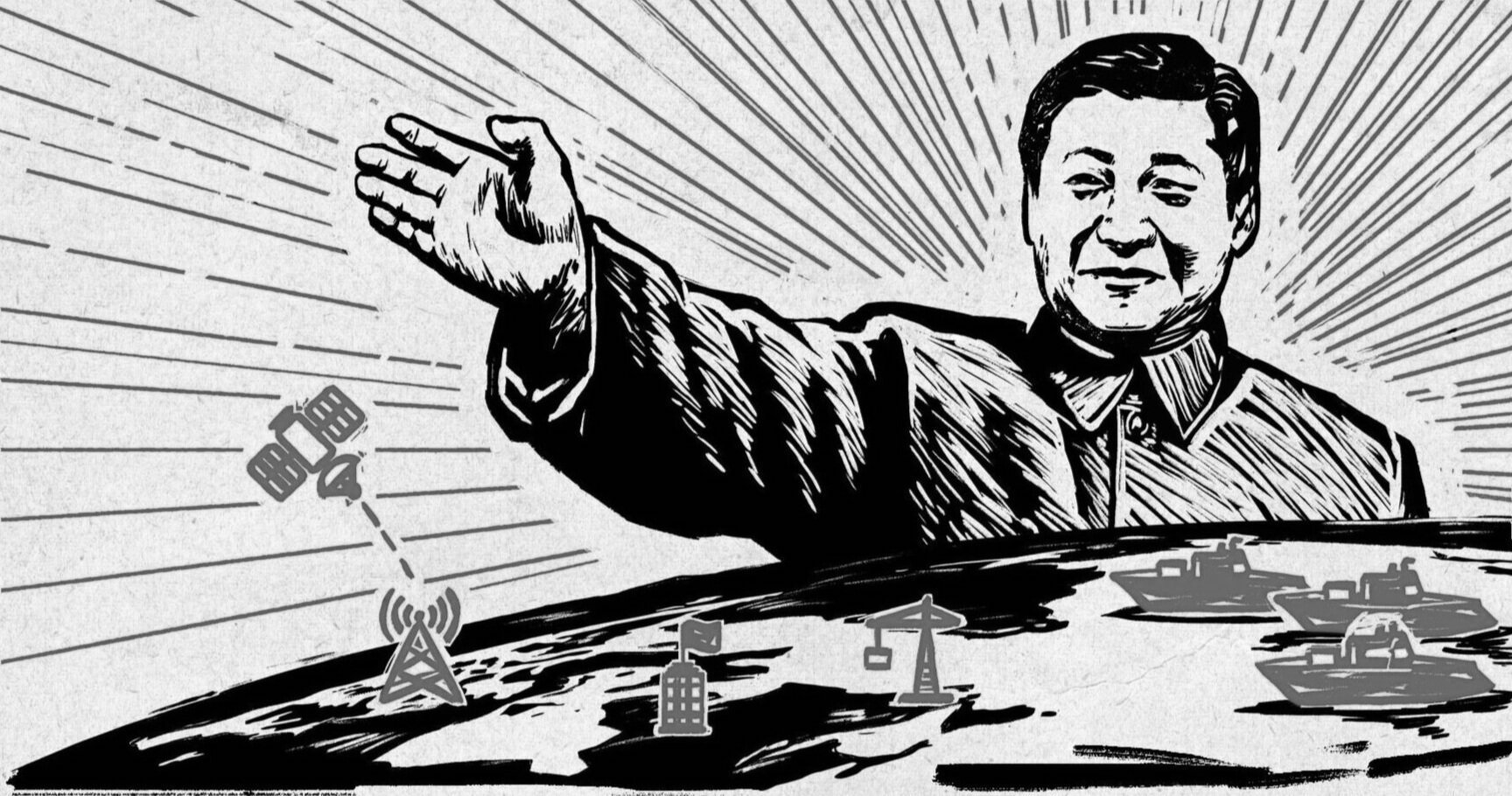
We need an international alliance against the US and its tech industry
The United States must face consequences for economic warfare

The Weaponized World Economy
When Washington announced a “framework deal” with China in June, it marked a silent shifting of gears in the global political economy. This was not the beginning of U.S. President Donald Trump’s imagined epoch of “liberation” under unilateral American greatness or a return to the Biden administration’s dream of managed great-power rivalry. Instead, it was the true opening of the age of weaponized interdependence, in which the United States is discovering what it is like to have others do unto it as it has eagerly done unto others.

The Great AI Divide: Navigating U.S. and Chinese dominance
At a Rest of World event during New York Tech Week, we explored the challenges and possible solutions to the dominance of American and Chinese AI companies.

The Future, Made in China
Beijing is competing with the U.S. for tech supremacy. Who wins will have huge political implications.

EU Wants To Break Up With US Tech
Wary of being vulnerable to the whims of foreign governments, the European Union is preparing far-reaching new moves to ditch American digital companies and Chinese chips in favour of European alternatives.

AI, Geopolitics, and National Security (Chapter 8)
Artificial intelligence is reshaping geopolitics by transforming how states generate, interpret, and project power. Rather than producing a single new weapon, AI operates as a general-purpose technology that scales perception, prediction, and decision-making across military, civilian, and informational domains. This chapter argues that AI rivalry increasingly depends on control over material and organizational foundations, including semiconductors, compute infrastructure, data centers, industrial coordination, and institutional adoption. It examines battlefield integration, U.S.–China competition, semiconductor statecraft, cyber operations, information power, and governance. The chapter shows that AI capabilities diffuse rapidly through commercial platforms, open-source ecosystems, and wartime experimentation, while frontier development remains constrained by infrastructure and supply-chain chokepoints. Because AI capability is difficult to measure or verify, governance is shifting away from traditional arms-control models toward export controls, standards, voluntary commitments, and multistakeholder coordination.
‘Now we’re in a power struggle’: Europe’s resentment grows over Trump’s newest provocations
President Trump has backed off his threats toward Denmark's territorial sovereignty, but he and aides have continued to irritate much of Europe.
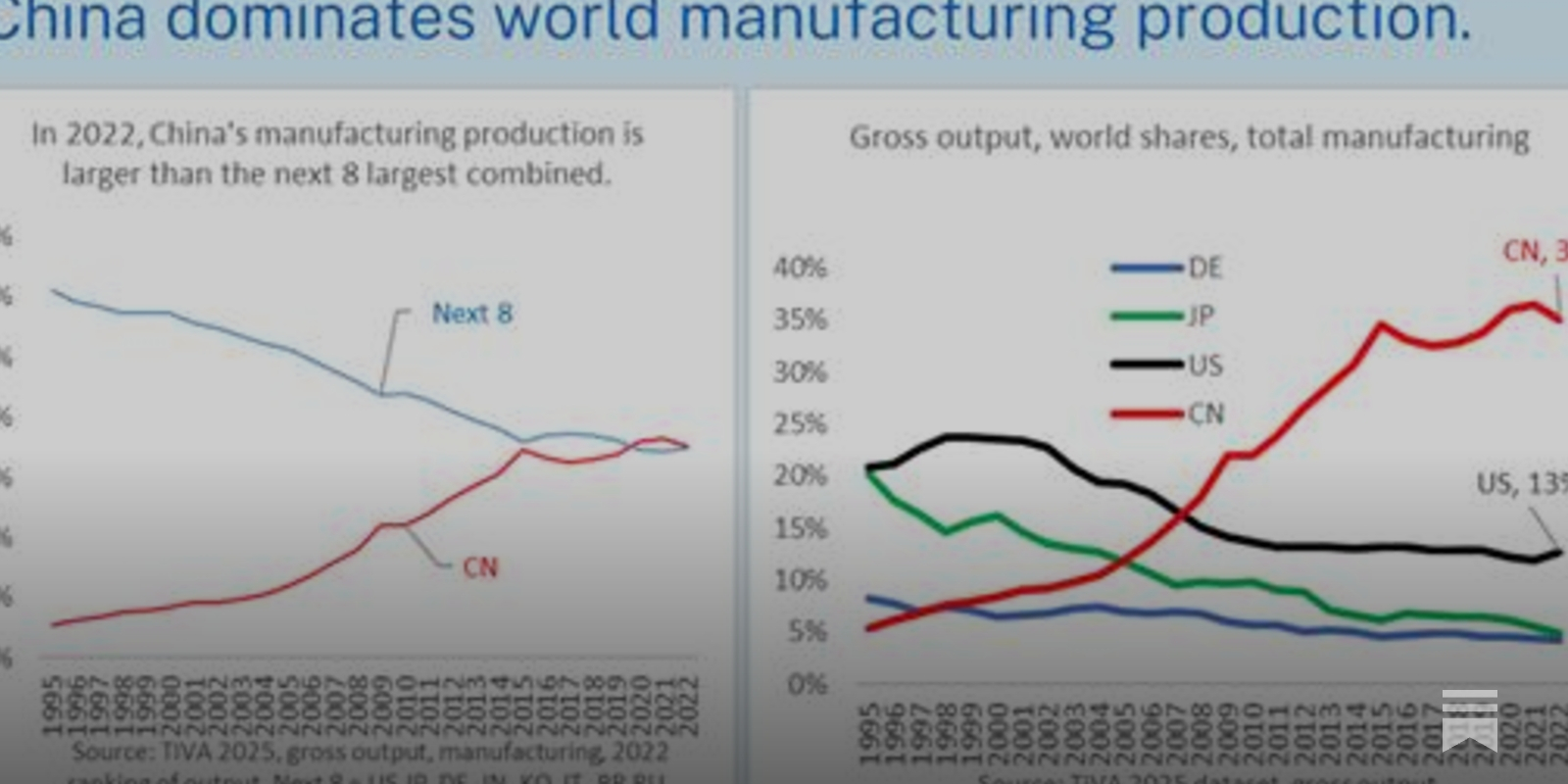
China’s globalisation paradox.
How can China dominate abroad while becoming less export-dependent?
America's been arguing over trade for more than 250 years
As the United States marks the 250th anniversary of declaring its independence from Britain, Americans continue a tradition begun even longer ago: debating trade and tariffs. In recent years, disagreements over the US role in the world economy have grown particularly intense amid rising geopolitical tensions. A brief look at history offers an opportunity to reflect on the importance of international trade to the US economy over time.

Le paradoxe de la mondialisation de la Chine
Traduction française du billet de blog "China’s globalisation paradox. How can China dominate abroad while becoming less export-dependent?" de Richard


China urges U.S. to stop threatening sanctions against Chinese AI firms
China urges U.S. to stop threatening sanctions against Chinese AI firms-
