


The use of Artificial Intelligence (AI) in public administration is expanding rapidly. While AI promises greater efficiency and responsiveness, its integration into government and administration ra...
Characterizing Agentic Flooding of Government Services
AI agents are making it easier for the public to interact with government, such as by helping them apply for benefits, understand complex policies, and make their opinions heard. Although...

3: Consulting the Record: AI Consistently Fails the Public - AI Now Institute
Amid the excitement over AI’s (speculative, hypothetical) potential, we have lost sight of the sobering reality of its present and recent past. AI is already intermediating critical social infrastructures, materially reshaping our institutions in ways that ratchet up inequality and concentrate power in the hands of the already powerful. It is consistently deployed in ways […]

Building Political Superintelligence
Amidst fears of dystopia, a blueprint for how we use AI to reinvent the way we govern ourselves

How AI Destroys Institutions
Civic institutions—like the rule of law, higher education, and a free press—are the backbone of democratic life. They are the mechanisms through which complex s

AI.Gov | President Trump's AI Strategy and Action Plan
Explore President Trump’s AI initiatives focused on innovation, infrastructure, international engagement, and youth education in artificial intelligence.
Where AI Regulation Stands Today
The White House has released a National Artificial Intelligence Legislative Framework and new executive orders aiming to establish a single, nationwide standard for AI regulation...

How AI Destroys Institutions
Civic institutions—the rule of law, universities, and a free press—are the backbone of democratic life. They are the mechanisms through which complex societies encourage cooperation and stability, while also adapting to changing circumstances. The real superpower of institutions is their ability to evolve and adapt within a hierarchy
Predictive policing AI is on the rise − making it accountable to the public could curb its harmful effects
AI that anticipates where crimes are likely to occur and who might commit them has a troubling track record. Democratic accountability could shine a light on the technology and how it’s used.
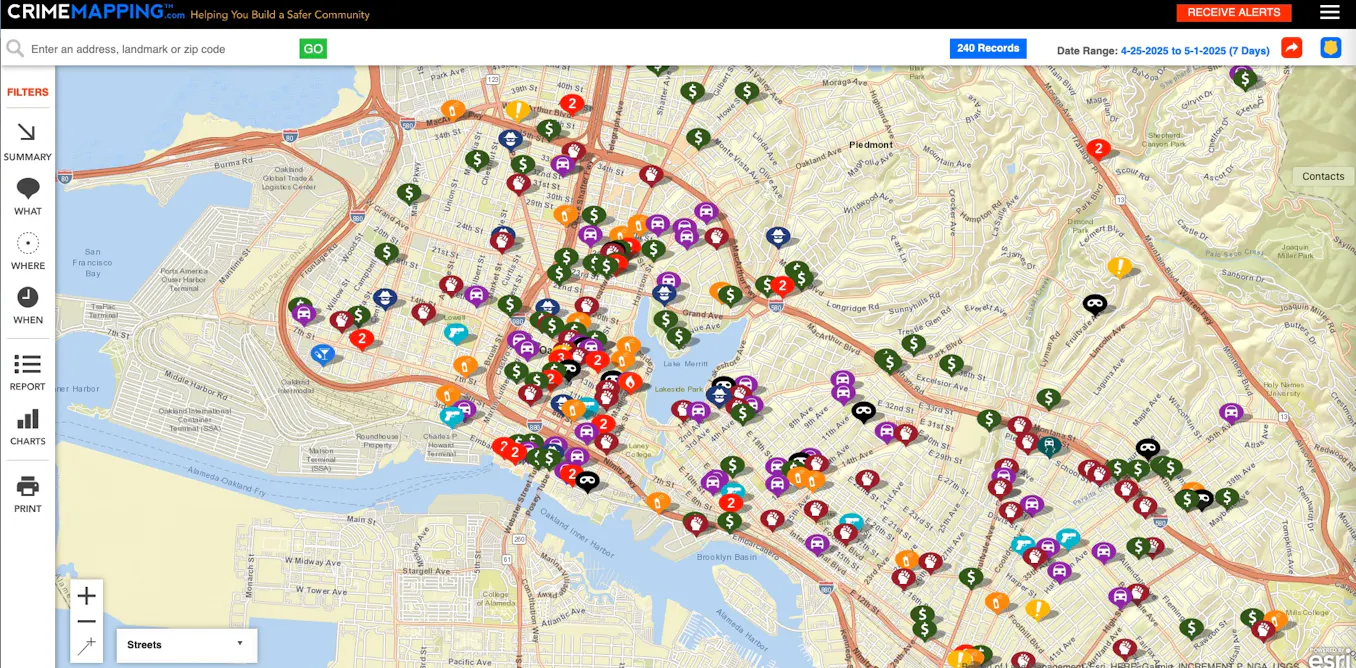
Predictive policing AI is on the rise − making it accountable to the public could curb its harmful effects
AI that anticipates where crimes are likely to occur and who might commit them has a troubling track record. Democratic accountability could shine a light on the technology and how it’s used.
Why office workers are turning against AI
Whether or not you like AI at work ultimately boils down to a question of power.
Agentic AI Governance: Securing Autonomous AI Agents in Enterprise
When AI agents start making decisions, calling tools, and coordinating with other agents without waiting for human approval, the governance playbook most...

Do AI Risks Require Extraordinary Government Intervention?
Let’s not skip the hard work of AI governance

Democratizing AI Companies — The Collective Intelligence Project
As AI reshapes society, the companies behind these technologies face a critical challenge: how to build corporate governance structures that prioritize public benefit over profit maximization;.

How AI-powered policing is endangering the public’s trust in police
Growing concerns about police use of AI could erode the public’s perception of trust in the legal system.

How AI-powered policing is endangering the public’s trust in police
Growing concerns about police use of AI could erode the public’s perception of trust in the legal system.
One year on: The momentum behind Jigsaw’s Sensemaking AI
How our suite of AI tools is helping public leaders bridge the gap between individual voices and concrete policy decisions
