


The relationship between menopausal hormone therapy (HT) and breast cancer is complex and further complicated by misinformation, perception, and overgeneralization of data. These issues are address...
Menopausal hormone therapy and coronary heart disease: the roller-coaster history
In the USA it is estimated that more than one million women become menopausal each year. Coronary heart disease (CHD) is the leading cause of mortality in menopausal woman globally. The majority of...
Menopausal Hormone Therapy and Health Outcomes During the Intervention and Extended Poststopping Phases of the Women’s Health Initiative Randomized Trials
Manson and coauthors provide an update and overview of health outcomes during the intervention and poststopping phases of the Women’s Health Initiative (WHI) hormone therapy trials. In an accompanying Editorial, Nabel discusses how the WHI is a victory for women and their health.

When Women Initiate Estrogen Therapy Matters | The Menopause Society
New large-scale analysis shows potential long-term benefits of initiating hormones during perimenopause

Estrogen therapy for osteoporosis in the modern era
Menopause predisposes women to osteoporosis due to declining estrogen levels. This results in a decrease in bone mineral density (BMD) and an increase in fractures. Osteoporotic fractures lead to substantial morbidity and mortality, and are considered one of the largest public health priorities by the World Health Organization (WHO). It is therefore essential for menopausal women to receive appropriate guidance for the prevention and management of osteoporosis. The Women’s Health Initiative (WHI) randomized controlled trial first proved hormonal therapy (HT) reduces the incidence of all osteoporosis-related fractures in postmenopausal women. However, the study concluded that the adverse effects outweighed the potential benefits on bone, leading to a significant decrease in HT use for menopausal symptoms. Additionally, HT was not used as first-line therapy for osteoporosis and fractures. Subsequent studies have challenged these initial conclusions and have shown significant efficacy of HT in various doses, durations, regimens, and routes of administration. These studies support that HT improves BMD and reduces fracture risk in women with and without osteoporosis. Furthermore, the studies suggest that low-dose and transdermal HT are less likely associated with the adverse effects of breast cancer, endometrial hyperplasia, coronary artery disease (CAD), and venous thromboembolism (VTE) previously observed in standard-dose oral HT regimens. Given the need for estrogen in menopausal women and evidence supporting the cost effectiveness, safety, and efficacy of HT, we propose that HT should be considered for the primary prevention and treatment of osteoporosis in appropriate candidates. HT should be individualized and the once “lowest dose for shortest period of time” concept should no longer be used. This review will focus on the prior and current studies for various HT formulations used for the prevention and treatment of osteoporosis, exploring the safety profile of low-dose and transdermal HT that have been shown to be safer than oral standard-dose HT.
Risks and Benefits of HRT Versus ERT in Order to Separate HRT from ERT
Aim: While the benefits of Hormone Replace Therapy (HRT) and Estrogen Replace Therapy (ERT) might overlap, their risks have to be separated particularly with regard to breast cancer. The risks of HRT are mainly Coronary Heart Disease (CHD) and Breast cancer. The main risk of ERT is the incidence of strokes which can be avoided by not using an oral estrogen but an Intra-uterine contraceptive but reducing the risk of endometrial cancer in women with a womb. Methods: Studies that randomized peri-menopausal and menopausal women to either HRT or ERT versus placebo and one study that included similar women followed up prospectively for the incidence of the development of Alzheimer’s Dementia (AD). Results: The significant risks of HRT included CHD, stroke and pulmonary embolism. The risk of breast cancer only really existed after long term follow-up [(annualized incidence, 0.45% vs 0.36%; Hazard Ratio (HR) 1.28)]. The significant risks of ERT only included strokes. There was a lower risk of breast cancer in the long term [HR 0.77, 95% CI 0.62–0.95; p=0.02]. Conclusions: In women with a uterus, where HRT instead of ERT is mandated, the oral progestogen of HRT can be replaced by intrauterine device loaded with a Progestogen. Similarly, the oral Estrogen of HRT and ERT can be replaced by Estrogen sources like the patch, gel or implants that bypass the liver and bypass potential problems like strokes and pulmonary embolism.
The 2022 hormone therapy position statement of The North American Menopause Society
Abstract “The 2022 Hormone Therapy Position Statement of The North American Menopause Society” (NAMS) updates “The 2017 Hormone Therapy Position Statement of The North American Menopause Society” and identifies future research needs. An Advisory Panel of clinicians and researchers expert in the field of women’s health and menopause was recruited by NAMS to review the 2017 Position Statement, evaluate new literature, assess the evidence, and reach consensus on recommendations, using the level of evidence to identify the strength of recommendations and the quality of the evidence. The Advisory Panel’s recommendations were reviewed and approved by the NAMS Board of Trustees. Hormone therapy remains the most effective treatment for vasomotor symptoms (VMS) and the genitourinary syndrome of menopause and has been shown to prevent bone loss and fracture. The risks of hormone therapy differ depending on type, dose, duration of use, route of administration, timing of initiation, and whether a progestogen is used. Treatment should be individualized using the best available evidence to maximize benefits and minimize risks, with periodic reevaluation of the benefits and risks of continuing therapy. For women aged younger than 60 years or who are within 10 years of menopause onset and have no contraindications, the benefit-risk ratio is favorable for treatment of bothersome VMS and prevention of bone loss. For women who initiate hormone therapy more than 10 years from menopause onset or who are aged older than 60 years, the benefit-risk ratio appears less favorable because of the greater absolute risks of coronary heart disease, stroke, venous thromboembolism, and dementia. Longer durations of therapy should be for documented indications such as persistent VMS, with shared decision-making and periodic reevaluation. For bothersome genitourinary syndrome of menopause symptoms not relieved with over-the-counter therapies in women without indications for use of systemic hormone therapy, low-dose vaginal estrogen therapy or other therapies (eg, vaginal dehydroepiandrosterone or oral ospemifene) are recommended.
The human ovary exhibits dynamic molecular remodeling in the decades post-menopause
The human ovary is among the first organs to show age-related functional decline, resulting in menopause. Beyond this transition, the postmenopausal ovary is often regarded as quiescent and remains poorly characterized.
Progesterone Is Important for Transgender Women’s Therapy—Applying Evidence for the Benefits of Progesterone in Ciswomen
Current transgender women’s therapy is estradiol/antiandrogen. I suggest adding progesterone, given its antiandrogen, breast-feminizing, bone-formation, sl
Black Men and Breast Cancer: The Overlooked Story
Pathologic Complete Response Achieved in Early-Stage HER2-Positive Breast Cancer After Neoadjuvant Therapy With Trastuzumab and Chemotherapy vs. Trastuzumab, Chemotherapy, and Pertuzumab: A Systematic Review and Meta-Analysis of Clinical Trials
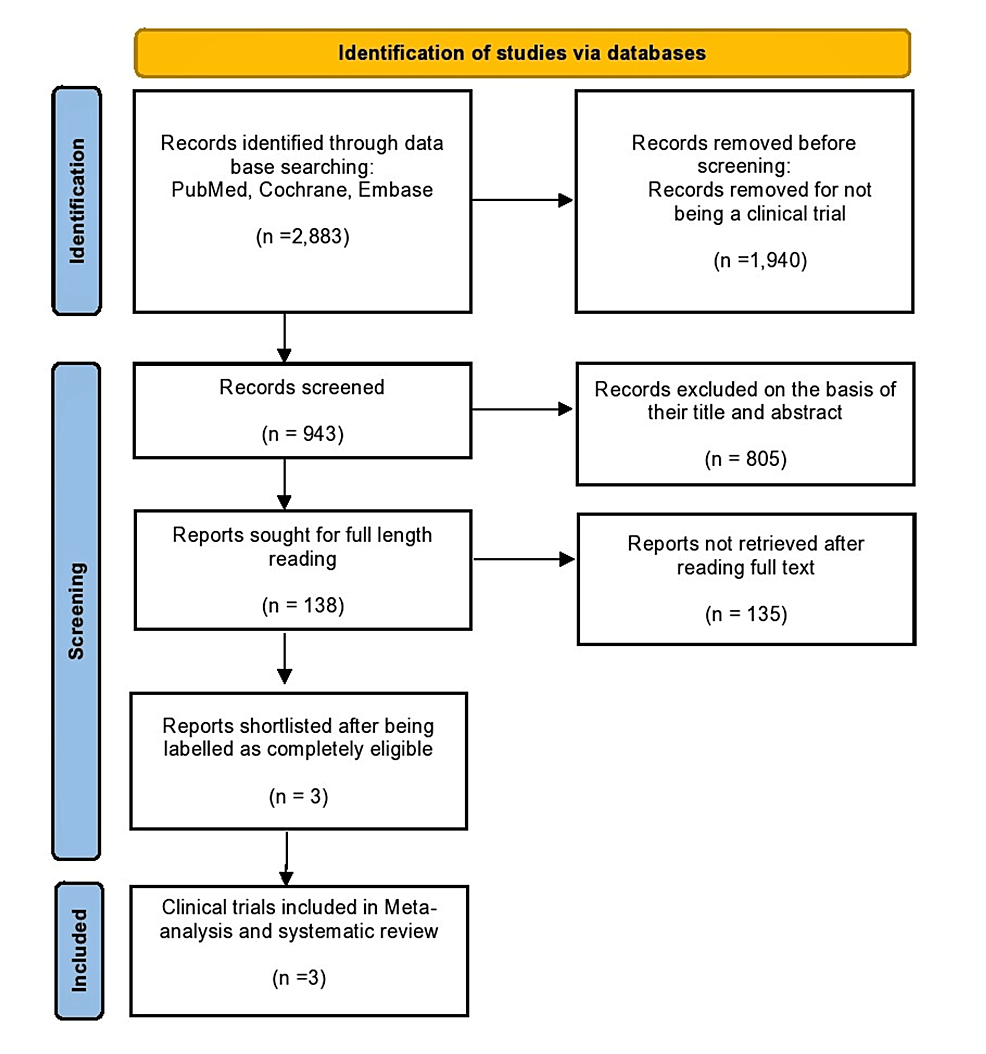
Patients diagnosed with human epidermal growth factor receptor 2 (HER2)-positive breast cancer require treatment upfront because of the aggressive nature of this type of cancer. Patients with early-stage HER2-positive breast cancer are usually treated with neoadjuvant therapy. This neoadjuvant therapy comprises targeted therapy and chemotherapy. Targeted therapy is given with trastuzumab. Pertuzumab is either administered or not with trastuzumab as a targeted therapy. This systematic review and meta-analysis aim to find out and compare the benefit achieved in terms of pathologic complete response (pCR) by adding pertuzumab to the neoadjuvant treatment regimen for early-stage HER2-positive breast cancer patients. Various databases were searched to find out relevant clinical trials. After going through PubMed, Embase, and Cochrane, three clinical trials were shortlisted for this systematic review and meta-analysis. These three clinical trials were double-armed. Pertuzumab was present in one arm while being absent in one arm to assess the benefit of adding pertuzumab in terms of pCR achieved. Data were analyzed using RevMan Web (Cochrane, London, UK). The odds ratio and 95% confidence interval were calculated for the outcome. The Mantel-Haenszel method and random effect model were used for analysis. The risk of bias in studies was evaluated using the Cochrane risk of bias tool for randomized controlled trials (ROB2). The summary statistics showed that the incidence of pCR was more in the experimental group (having pertuzumab) as compared to the control group (without pertuzumab) with an odds ratio of 2.10 (95% CI: 1.56-2.83) with I2 = 0%. In three double-arm trials, there were 840 participants, 445 in the experimental group and 395 in the control group. A total of 203 (45%) patients out of 445 in the experimental group achieved pCR, whereas 127 (32%) patients out of 395 in the control group achieved pCR. Through the results of this study, it can be concluded that the rate of pCR achieved was higher in that arm in which pertuzumab was present compared to the study arm in which only trastuzumab was given as targeted therapy. Thus, it can be suggested that pertuzumab be added to the neoadjuvant regimen for early-stage HER2-positive breast cancer patients. This would result in achieving a better pCR. And by improving pCR rates, the survival outcomes of patients can be significantly improved.
Things that Apparently Cause Cancer
What does this methodology measure anyway?

The steroid metabolome in women with premenstrual dysphoric disorder during GnRH agonist-induced ovarian suppression: effects of estradiol and progesterone addback
Clinical evidence suggests that symptoms in premenstrual dysphoric disorder (PMDD) reflect abnormal responsivity to ovarian steroids. This differential steroid sensitivity could be underpinned by abnormal processing of the steroid signal. We used a pharmacometabolomics approach in women with prospectively confirmed PMDD (n=15) and controls without menstrual cycle-related affective symptoms (n=15). All were medication-free with normal menstrual cycle lengths. Notably, women with PMDD were required to show hormone sensitivity in an ovarian suppression protocol. Ovarian suppression was induced for 6 months with gonadotropin-releasing hormone (GnRH)-agonist (Lupron); after 3 months all were randomized to 4 weeks of estradiol (E2) or progesterone (P4). After a 2-week washout, a crossover was performed. Liquid chromatography/tandem mass spectrometry measured 49 steroid metabolites in serum. Values were excluded if >40% were below the limit of detectability (n=21). Analyses were performed with Wilcoxon rank-sum tests using false-discovery rate (q

Progesterone – Friend or foe?
Estradiol is the “prototypic” sex hormone of women. Yet, women have another sex hormone, which is often disregarded: Progesterone. The goal of this article is to provide a comprehensive review on progesterone, and its metabolite allopregnanolone, emphasizing three key areas: biological properties, main functions, and effects on mood in women. Recent years of intensive research on progesterone and allopregnanolone have paved the way for new treatment of postpartum depression. However, treatment for premenstrual syndrome and premenstrual dysphoric disorder as well as contraception that women can use without risking mental health problems are still needed. As far as progesterone is concerned, we might be dealing with a two-edged sword: while its metabolite allopregnanolone has been proven useful for treatment of PPD, it may trigger negative symptoms in women with PMS and PMDD. Overall, our current knowledge on the beneficial and harmful effects of progesterone is limited and further research is imperative.
Hormone Levels Are Being Used to Discriminate against Female Athletes
Despite slim evidence, testosterone is keeping some women off the field

5α-Reductase Inhibition Prevents the Luteal Phase Increase in Plasma Allopregnanolone Levels and Mitigates Symptoms in Women with Premenstrual Dysphoric Disorder
Changes in neurosteroid levels during the luteal phase of the menstrual cycle may precipitate affective symptoms. To test this hypothesis, we stabilized neurosteroid levels by administering the 5α-reductase inhibitor dutasteride to block conversion of progesterone to its neurosteroid metabolite allopregnanolone in women with premenstrual dysphoric disorder (PMDD) and in asymptomatic control women. Sixteen women with prospectively confirmed PMDD and 16 control women participated in one of two separate randomized, double-blind, placebo-controlled, cross-over trials, each lasting three menstrual cycles. After one menstrual cycle of single-blind placebo, participants were randomized to receive, for the next two menstrual cycles, either double-blind placebo or dutasteride (low-dose 0.5 mg/day in the first eight PMDD and eight control women or high-dose 2.5 mg/day in the second group of women). All women completed the daily rating form (DRF) and were evaluated in clinic during the follicular and luteal phases of each menstrual cycle. Main outcome measures were the DRF symptoms of irritability, sadness, and anxiety. Analyses were performed with SAS PROC MIXED. In the low-dose group, no significant effect of dutasteride on PMDD symptoms was observed compared with placebo (ie, symptom cyclicity maintained), and plasma allopregnanolone levels increased in women with PMDD from follicular to the luteal phases, suggesting the absence of effect of the low-dose dutasteride on 5α-reductase. In contrast, the high-dose group experienced a statistically significant reduction in several core PMDD symptoms (ie, irritability, sadness, anxiety, food cravings, and bloating) on dutasteride compared with placebo. Dutasteride had no effect on mood in controls. Stabilization of allopregnanolone levels from the follicular to the luteal phase of the menstrual cycle by blocking the conversion of progesterone to its 5α-reduced neurosteroid metabolite mitigates symptoms in PMDD. These data provide preliminary support for the pathophysiologic relevance of neurosteroids in this condition.

Estrogens and Androgens in Skeletal Physiology and Pathophysiology
Estrogens and androgens influence the growth and maintenance of the mammalian skeleton and are responsible for its sexual dimorphism. Estrogen deficiency at menopause or loss of both estrogens and androgens in elderly men contribute to the development of osteoporosis, one of the most common and impactful metabolic diseases of old age. In the last 20 years, basic and clinical research advances, genetic insights from humans and rodents, and newer imaging technologies have changed considerably the landscape of our understanding of bone biology as well as the relationship between sex steroids and the physiology and pathophysiology of bone metabolism. Together with the appreciation of the side effects of estrogen-related therapies on breast cancer and cardiovascular diseases, these advances have also drastically altered the treatment of osteoporosis. In this article, we provide a comprehensive review of the molecular and cellular mechanisms of action of estrogens and androgens on bone, their influences on skeletal homeostasis during growth and adulthood, the pathogenetic mechanisms of the adverse effects of their deficiency on the female and male skeleton, as well as the role of natural and synthetic estrogenic or androgenic compounds in the pharmacotherapy of osteoporosis. We highlight latest advances on the crosstalk between hormonal and mechanical signals, the relevance of the antioxidant properties of estrogens and androgens, the difference of their cellular targets in different bone envelopes, the role of estrogen deficiency in male osteoporosis, and the contribution of estrogen or androgen deficiency to the monomorphic effects of aging on skeletal involution.
