


The interaction disorder between gut microbiota and its host has been documented in different non-communicable diseases (NCDs) such as metabolic syndrome, neurodegenerative disease, and autoimmune ...
Regulation of Intestinal Barrier Function by Microbial Metabolites
The human gastrointestinal tract (GI) harbors a diverse population of microbial life that continually shapes host pathophysiological responses. Despite readily available abundant metagenomic data, the functional dynamics of gut microbiota remain to be explored in various health and disease conditions. Microbiota generate a variety of metabolites from dietary products that influence host health and pathophysiological functions. Since gut microbial metabolites are produced in close proximity to gut epithelium, presumably they have significant impact on gut barrier function and immune responses.

The Microbial Metabolites, Short-Chain Fatty Acids, Regulate Colonic T<sub>reg</sub> Cell Homeostasis
Protecting the Guts Regulatory T cells (T regs ) in the gut are important sentinels in maintaining the peace between our gut and its trillions of resident bacteria and have been shown to be regulated by specific strains of bacteria in mouse models. Smith et al. (p. 569 , published online 4 July; see the Perspective by Bollrath and Powrie ) asked whether metabolite(s) generated by resident bacterial species may regulate T regs in the gut. Indeed, short-chain fatty acids (SCFAs), bacterial fermentation products of dietary fibers produced by a range of bacteria, restored colonic T reg numbers in mice devoid of a gut microbiota and increased T reg numbers in colonized mice. The effects of SCFAs on T regs were mediated through GPCR43, a receptor for SCFAs, which is expressed on colonic T regs . Mice fed SCFAs were protected against experimentally induced colitis in a manner that was dependent on GPR43-expressing T regs . , Bacterial fermentation products regulate the number and function of regulatory T cells in the mouse colon. [Also see Perspective by Bollrath and Powrie ] , Regulatory T cells (T regs ) that express the transcription factor Foxp3 are critical for regulating intestinal inflammation. Candidate microbe approaches have identified bacterial species and strain-specific molecules that can affect intestinal immune responses, including species that modulate T reg responses. Because neither all humans nor mice harbor the same bacterial strains, we posited that more prevalent factors exist that regulate the number and function of colonic T regs . We determined that short-chain fatty acids, gut microbiota–derived bacterial fermentation products, regulate the size and function of the colonic T reg pool and protect against colitis in a Ffar2 -dependent manner in mice. Our study reveals that a class of abundant microbial metabolites underlies adaptive immune microbiota coadaptation and promotes colonic homeostasis and health.

From the gut to the lung: microbiota-associated metabolites as regulators of respiratory immunometabolism
The development and progression of respiratory diseases are influenced by both the local pulmonary microenvironment and the intestinal ecosystem. Research on the gut-lung axis has shown that diverse small-molecule metabolites produced or modified by the gut microbiota can cross the intestinal barrier and enter the systemic circulation, where they may modulate immune-cell response thresholds, functional polarisation, and inflammatory dynamics in the distal lung. The local respiratory microbiota may also contribute to the pulmonary metabolic microenvironment, although its role in metabolite production and immune regulation remains less clearly defined.

The mycobiome as integral part of the gut microbiome: crucial role of symbiotic fungi in health and disease
The gut mycobiome significantly affects host health and immunity. However, most studies have focused on symbiotic bacteria in the gut microbiome, whereas less attention has been given to symbiotic fungi. Although fungi constitute only 0.01%-0.1% of the gut microbiome, their larger size and unique immunoregulatory functions make them significant. Factors like diet, antimicrobials use, and age can disrupt the fungal community, leading to dysbiosis. Fungal-bacterial-host immune interactions are critical in maintaining gut homeostasis, with fungi playing a role in mediating immune responses such as Th17 cell activation. This review highlights methods for studying gut fungi, the composition and influencing factors of the gut mycobiome, and its potential in therapeutic interventions for intestinal and hepatic diseases. We aim to provide new insights into the underexplored role of gut fungi in human health.

Metabolites produced by commensal bacteria promote peripheral regulatory T-cell generation
In mice, provision of butyrate—a short-chain fatty acid produced by commensal microorganisms during starch fermentation—facilitates extrathymic generation and differentiation of Foxp3+ regulatory T cells, demonstrating that metabolic by-products are sensed by cells of the immune system and affect the balance between pro- and anti-inflammatory cells.

Activation of Gpr109a, Receptor for Niacin and the Commensal Metabolite Butyrate, Suppresses Colonic Inflammation and Carcinogenesis
Commensal gut microflora and dietary fiber protect against colonic inflammation and colon cancer through unknown targets. Butyrate, a bacterial product from fermentation of dietary fiber in the colon, has been implicated in this process. GPR109A (encoded by Niacr1) is a receptor for butyrate in the colon. GPR109A is also a receptor for niacin, which is also produced by gut microbiota and suppresses intestinal inflammation. Here we showed that Gpr109a signaling promoted anti-inflammatory properties in colonic macrophages and dendritic cells and enabled them to induce differentiation of Treg cells and IL-10-producing T cells.

The gut-bone axis: how bacterial metabolites bridge the distance
1Department of Internal Medicine 3, Rheumatology and Immunology, Friedrich-Alexander University Erlangen-Nürnberg (FAU) and Universitätsklinikum Erlangen, Erlangen, Germany.
The pleiotropic effects of prebiotic galacto-oligosaccharides on the aging gut
Prebiotic galacto-oligosaccharides (GOS) have an extensively demonstrated beneficial impact on intestinal health. In this study, we determined the impact of GOS diets on hallmarks of gut aging: microbiome dysbiosis, inflammation, and intestinal barrier defects (“leaky gut”). We also evaluated if short-term GOS feeding influenced how the aging gut responded to antibiotic challenges in a mouse model of Clostridioides difficile infection. Finally, we assessed if colonic organoids could reproduce the GOS responder—non-responder phenotypes observed in vivo.

Commensal microbe-derived butyrate induces the differentiation of colonic regulatory T cells
The gut microbial metabolite butyrate is shown to induce the differentiation of colonic T regulatory cells in mice and to ameliorate the development of colitis; it also increases histone H3 acetylation at the Foxp3 promoter.

Fecal transplants for autism deliver success in clinical trials
Scientific research continues to uncover interesting connections between the gut microbiome and human health, including everything from depression to PTSD to autoimmune disease. Another example of this are emerging ties between gut health and autism. Exciting new research, now moving to Phase 3 human trials, has found boosting microbial diversity via fecal transplants can dramatically reduce autism symptoms in the long term.
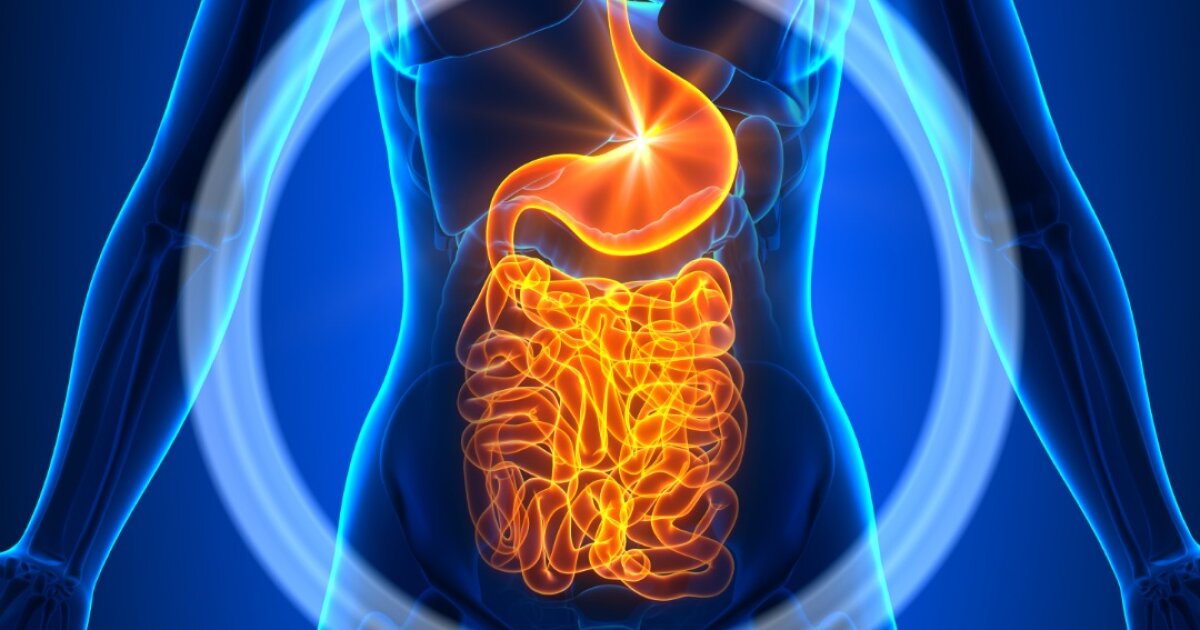
Interactions between gut microbiota and skeletal muscle
The gut microbiota is now recognized as a major contributor to the host’s nutrition, metabolism, immunity, and neurological functions. Imbalanced microbiota (ie, dysbiosis) is linked to undernutrition-induced stunting, inflammatory and metabolic diseases, and cancers. Skeletal muscle also takes part in the interorgan crosstalk regulating substrate metabolism, immunity, and health. Here, we review the reciprocal influence of gut microbiota and skeletal muscle in relation to juvenile growth, performance, aging, and chronic diseases. Several routes involving the vascular system and organs such as the liver and adipose tissue connect the gut microbiota and skeletal muscle, with effects on fitness and health. Therapeutic perspectives arise from the health benefits observed with changes in gut microbiota and muscle activity, further encouraging multimodal therapeutic strategies.

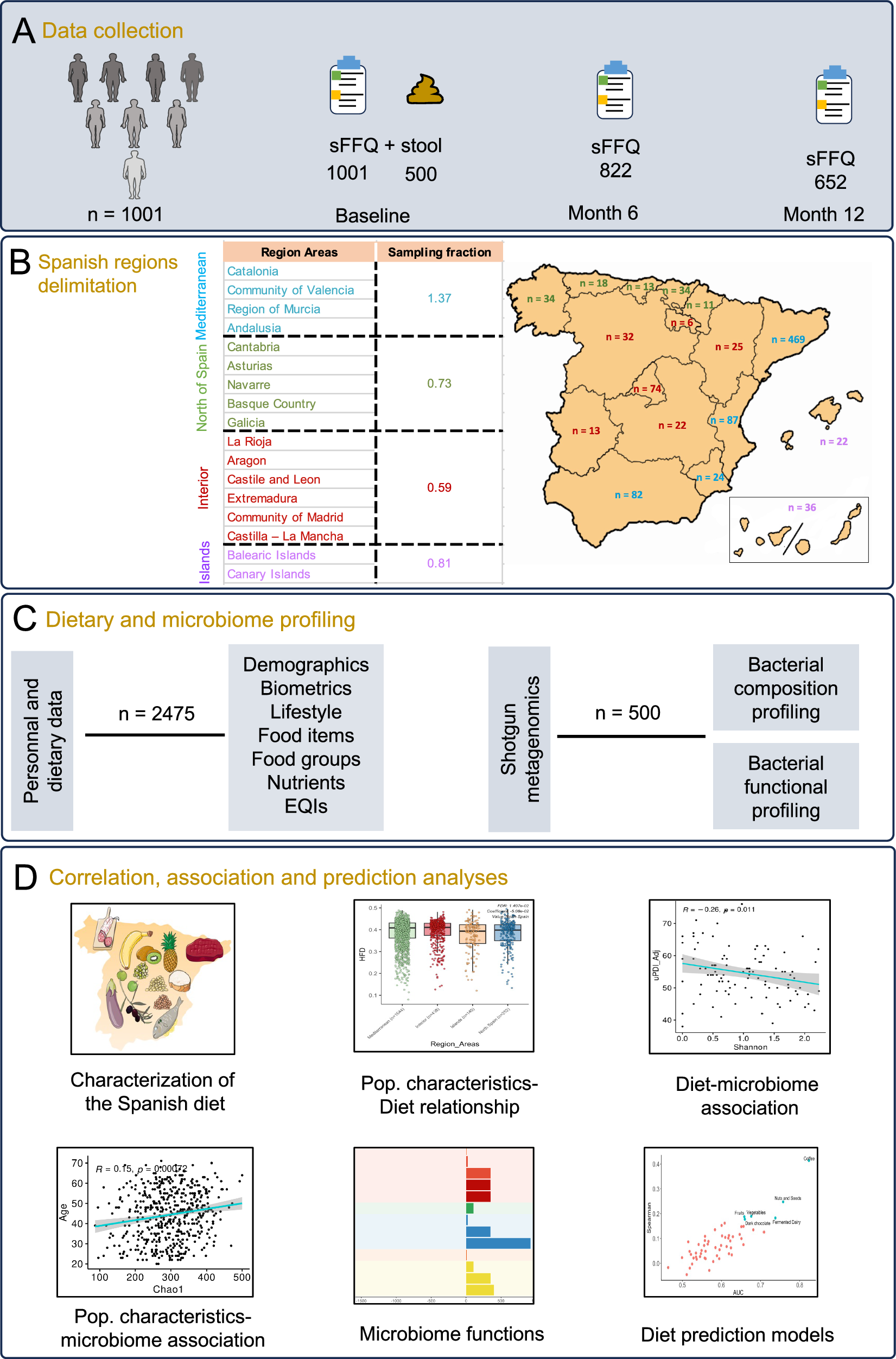
A contributory citizen science project reveals the impact of dietary keys to microbiome health in Spain
Low consumption of whole grains, fruits, and vegetables has been identified as dietary risks for non-communicable diseases such as inflammatory bowel diseases (IBDs). We explore how individual and lifestyle factors influence these risks by shaping gut microbiome composition. 1001 healthy participants from all Spanish regions provided personal and dietary data at baseline, six, and twelve months, yielding 2475 responses. Gut microbiome data were analyzed for 500 healthy participants and 321 IBD patients. Our findings reveal that adherence to national dietary guidelines—characterized by diets rich in nuts, seeds, fruits, and vegetables—was associated with greater microbial diversity and reduced IBD-related dysbiosis. Finally, we observed variations in dietary patterns and microbiome diversity and composition across age groups, genders, regions, seasons, and transit time. This study is among the first to uncover dietary intake associated with IBD-related dysbiosis and to propose an interactive website for participants (https://manichanh.vhir.org/POP/en).
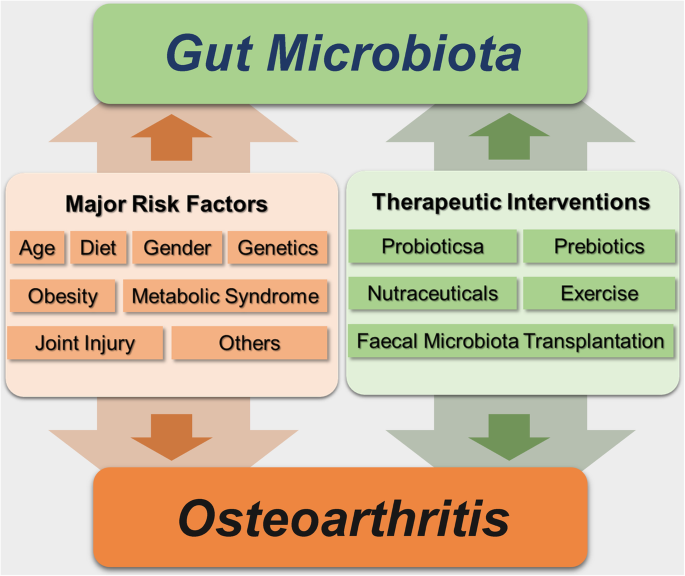
The gut microbiota in osteoarthritis: where do we stand and what can we do?
Osteoarthritis (OA) is one of the most frequent musculoskeletal diseases characterized by degeneration of articular cartilage, subchondral bone remodeling, and synovial membrane inflammation, which is a leading cause of global disability, morbidity, and decreased quality of life. Interpreting the potential mechanisms of OA pathogenesis is essential for developing novel prevention and disease-modifying therapeutic interventions. Gut microbiota is responsible for a series of metabolic, immunological, and structural and neurological functions, potentially elucidating the heterogeneity of OA phenotypes and individual features. In this narrative review, we summarized research evidence supporting the hypothesis of a “gut-joint axis” and the interaction between gut microbiota and the OA-relevant factors, including age, gender, genetics, metabolism, central nervous system, and joint injury, elucidating the underlying mechanisms of this intricate interaction. In the context, we also speculated the promising manipulation of gut microbiota in OA management, such as exercise and fecal microbiota transplantation (FMT), highlighting the clinical values of gut microbiota. Additionally, future research directions, such as more convincing studies by the interventions of gut microbiota, the gene regulation of host contributing to or attributed to the specific phenotypes of gut microbiota related to OA, and the relevance of distinct cell subgroups to gut microbiota, are expected. Moreover, gut microbiota is also the potential biomarker related to inflammation and gut dysbiosis that is able to predict OA progression and monitor the efficacy of therapeutic intervention.
Gut microbiota and bone metabolism
Abstract Osteoporosis is the most common metabolic skeletal disease. It is characterized by the deterioration of the skeletal microarchitecture and bone loss, leading to ostealgia, and even bone fractures. Accumulating evidence has indicated that there is an inextricable relationship between the gut microbiota (GM) and bone homeostasis involving host–microbiota crosstalk. Any perturbation of the GM can play an initiating and reinforcing role in disrupting the bone remodeling balance during the development of osteoporosis. Although the GM is known to influence bone metabolism, the mechanisms associated with these effects remain unclear. Herein, we review the current knowledge of how the GM affects bone metabolism in health and disease, summarize the correlation between pathogen‐associated molecular patterns of GM structural components and bone metabolism, and discuss the potential mechanisms underlying how GM metabolites regulate bone turnover. Deciphering the complicated relationship between the GM and bone health will provide new insights into the prevention and treatment of osteoporosis.

Epithelial Barrier Function in Gut-Bone Signaling
The intestinal epithelial barrier plays an essential role in maintaining host homeostasis. The barrier regulates nutrient absorption as well as prevents the invasion of pathogenic bacteria in the host. It is composed of epithelial cells, tight junctions, and a mucus layer. Several factors, such as cytokines, diet, and diseases, can affect this barrier. These factors have been shown to increase intestinal permeability, inflammation, and translocation of pathogenic bacteria. In addition, dysregulation of the epithelial barrier can result in inflammatory diseases such as inflammatory bowel disease. Our lab and others have also shown that barrier disruption can have systemic effects including bone loss. In this chapter, we will discuss the current literature to understand the link between intestinal barrier and bone. We will discuss how inflammation, aging, dysbiosis, and metabolic diseases can affect intestinal barrier-bone link. In addition, we will highlight the current suggested mechanism between intestinal barrier and bone.
A challenge if anyone wants to take it up. Here is a recent review in the BMJ on the "Evidence for clinical interventions targeting the gut microbiome in cardiometabolic disease". There is not a single effect estimate reported in this review, or either supplemental file bmj.com/content/383/bmj-2023-075180

Evidence for clinical interventions targeting the gut microbiome in cardiometabolic disease
www.bmj.com