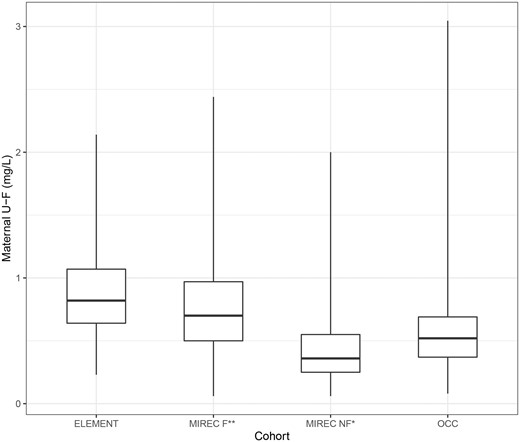
Abstract Background Fluoride may be a developmental neurotoxicant at elevated exposures. We merged new data from a prospective Odense Child Cohort (OCC) with results from two previous birth cohort studies from Mexico and Canada to characterize the dose–effect relationship in greater detail. Methods The OCC contributed 837 mother–child pairs to the total of >1500. We measured creatinine-adjusted urine-fluoride concentrations in maternal urine samples obtained during late pregnancy. Child IQ was determined at age 7 years using an abbreviated version of the Wechsler Intelligence Scales for Children. Findings from the three cohorts were used to calculate the joint benchmark concentration (BMC) and the lower confidence limit (BMCL) after adjustment for covariables. Results In the OCC, urine-fluoride concentrations varied between 0.08 and 3.04 mg/l (median 0.52 mg/l) but were not significantly associated with full-scale IQ at age 7 years (β = 0.08; 95% confidence interval −1.14 to 1.30 for a doubling in exposure). No difference was apparent between boys and girls. In the OCC, the BMC was 0.92 mg/l, with a BMCL of 0.30 mg/l. The joint analysis of all three cohorts showed a statistically significant association between urine-fluoride and IQ, with a BMC of 0.45 mg/l (BMCL, 0.28 mg/l), slightly higher than the BMC previously reported for the two North American cohorts alone. Conclusions As the BMCL reflects an approximate threshold for developmental neurotoxicity, the results suggest that pregnant women and children may need protection against fluoride toxicity.
A Benchmark Dose Analysis for Maternal Pregnancy Urine‐Fluoride and IQ in Children
Abstract As a guide to establishing a safe exposure level for fluoride exposure in pregnancy, we applied benchmark dose modeling to data from two prospective birth cohort studies. We included mother–child pairs from the Early Life Exposures in Mexico to Environmental Toxicants (ELEMENT) cohort in Mexico and the Maternal‐Infant Research on Environmental Chemicals (MIREC) cohort in Canada. Maternal urinary fluoride concentrations (U‐F, in mg/L, creatinine‐adjusted) were measured in urine samples obtained during pregnancy. Children were assessed for intelligence quotient (IQ) at age 4 ( n = 211) and between six and 12 years ( n = 287) in the ELEMENT cohort, and three to four years ( n = 407) in the MIREC cohort. We calculated covariate‐adjusted regression coefficients and their standard errors to assess the association of maternal U‐F concentrations with children's IQ measures. Assuming a benchmark response of 1 IQ point, we derived benchmark concentrations (BMCs) and benchmark concentration levels (BMCLs). No deviation from linearity was detected in the dose–response relationships, but boys showed lower BMC values than girls. Using a linear slope for the joint cohort data, the BMC for maternal U‐F associated with a 1‐point decrease in IQ scores was 0.31 mg/L (BMCL, 0.19 mg/L) for the youngest boys and girls in the two cohorts, and 0.33 mg/L (BMCL, 0.20 mg/L) for the MIREC cohort and the older ELEMENT children. Thus, the joint data show a BMCL in terms of the adjusted U‐F concentrations in the pregnant women of approximately 0.2 mg/L. These results can be used to guide decisions on preventing excess fluoride exposure in pregnant women.

Developmental fluoride neurotoxicity: an updated review
After the discovery of fluoride as a caries-preventing agent in the mid-twentieth century, fluoridation of community water has become a widespread intervention, sometimes hailed as a mainstay of modern public health. However, this practice results in elevated fluoride intake and has become controversial for two reasons. First, topical fluoride application in the oral cavity appears to be a more direct and appropriate means of preventing caries. Second, systemic fluoride uptake is suspected of causing adverse effects, in particular neurotoxicity during early development. The latter is supported by experimental neurotoxicity findings and toxicokinetic evidence of fluoride passing into the brain.

Safety of Safety Evaluation of Pesticides: developmental neurotoxicity of chlorpyrifos and chlorpyrifos-methyl
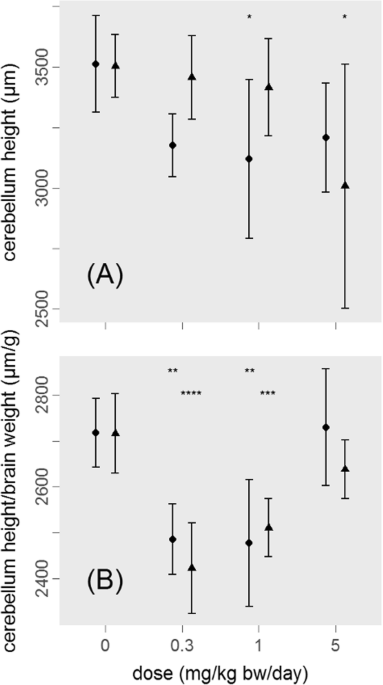
Authorization of pesticides for market release requires toxicity testing on animals, typically performed by test laboratories on contract with the pesticide producer. The latter provides the results and summary to the regulatory authorities. For the commonly used pesticide chlorpyrifos, an industry-funded toxicity study concludes that no selective effects on neurodevelopment occur even at high exposures. In contrast, the evidence from independent studies points to adverse effects of current exposures on cognitive development in children. We reviewed the industry-funded developmental neurotoxicity test data on chlorpyrifos and the related substance chlorpyrifos-methyl. We noted treatment-related changes in a brain dimension measure for chlorpyrifos at all dose levels tested, although not been reported in the original test summary. We further found issues which inappropriately decrease the ability of the studies to reveal true effects, including a dosage regimen that resulted in too low exposure of the nursing pups for chlorpyrifos and possibly for chlorpyrifos-methyl, and a failure to detect any neurobehavioral effects of lead nitrate used as positive control in the chlorpyrifos study. Our observations thus suggest that conclusions in test reports submitted by the producer may be misleading. This discrepancy affects the ability of regulatory authorities to perform a valid and safe evaluation of these pesticides. The difference between raw data and conclusions in the test reports indicates a potential existence of bias that would require regulatory attention and possible resolution.
Benchmark dose calculations for PFAS exposure based on two data sets on immunotoxic effects
Exposure to perfluorinated alkylate substances (PFAS) is associated with harmful effects on human health, including developmental immunotoxicity. This outcome was chosen as the critical effect by the European Food Safety Authority (EFSA), which calculated a new joint reference dose for four PFAS using a Benchmark Dose (BMD) analysis of a study of 1-year old children. However, the U.S. Environmental Protection Agency (EPA) recently proposed much lower exposure limits.
Application of benchmark analysis for mixed contaminant exposures: Mutual adjustment of perfluoroalkylate substances associated with immunotoxicity
Background Developmental exposure to perfluorinated alkylate substances (PFASs) is associated with deficient IgG antibody responses to childhood vaccines. As this immunotoxicity outcome may represent a critical effect, calculation of benchmark dose (BMD) results would be useful for defining protective limits of exposure. However, exposures to the major PFASs that are associated with this adverse effect are interrelated, and mutually adjusted BMD results would be desirable. Methods We carried out BMD calculations on prospective data from two prospective birth cohort studies from the Faroe Islands with a total of 1,146 children. Exposure data included serum concentrations of five major PFASs at birth and at age 5 years and, as outcome parameters, the serum concentrations of specific IgG antibodies against tetanus and diphtheria at ages 5 and 7. We calculated the BMDs and their lower confidence bounds (BMDLs) and included mutual adjustment for five major PFASs. BMD and BMDL were expressed in terms of the serum concentration of the PFASs. Results The BMDLs for the immunotoxicants were of similar magnitude before and after adjustment. As compared to linear dose-response models, the PFASs showed lower results for a piecewise linear model, which also provided a slightly better fit. Weaker associations with the antibody outcomes were observed after adjustments due to the correlation between the PFASs. However, while the adjustments resulted in elevated BMD results and p values, the BMDL values were not materially changed. Conclusions Adjustment for co-exposure to a related immunotoxicant increased both the BMD values and their standard errors, though affected the BMDL values only to a negligible extent. Thus, when correlated toxicants appear to affect the same outcome and none of them is known a priori to be solely responsible, all exposures may be considered responsible in BMD calculations. Our BMDL results, both before and after adjustment are generally below current exposure levels and therefore suggest that all five perfluorinated substances should attract regulatory attention, at least until additional evidence shows otherwise.
Timescales of developmental toxicity impacting on research and needs for intervention
Abstract Much progress has happened in understanding developmental vulnerability to preventable environmental hazards. Along with the improved insight, the perspective has widened, and developmental toxicity now involves latent effects that can result in delayed adverse effects in adults or at old age and additional effects that can be transgenerationally transferred to future generations. Although epidemiology and toxicology to an increasing degree are exploring the adverse effects from developmental exposures in human beings, the improved documentation has resulted in little progress in protection, and few environmental chemicals are currently regulated to protect against developmental toxicity, whether it be neurotoxicity, endocrine disruption or other adverse outcome. The desire to obtain a high degree of certainty and verification of the evidence used for decision‐making must be weighed against the costs and necessary duration of research, as well as the long‐term costs to human health because of delayed protection of vulnerable early‐life stages of human development and, possibly, future generations. Although two‐generation toxicology tests may be useful for initial test purposes, other rapidly emerging tools need to be seriously considered from computational chemistry and metabolomics to CLARITY ‐ BPA ‐type designs, big data and population record linkage approaches that will allow efficient generation of new insight; epigenetic mechanisms may necessitate a set of additional regulatory tests to reveal such effects. As reflected by the Prenatal Programming and Toxicity ( PPTOX ) VI conference, the current scientific understanding and the timescales involved require an intensified approach to protect against preventable adverse health effects that can harm the next generation and generations to come. While further research is needed, the main emphasis should be on research translation and timely public health intervention to avoid serious, irreversible and perhaps transgenerational harm.

High intelligence: A risk factor for psychological and physiological overexcitabilities
High intelligence is touted as being predictive of positive outcomes including educational success and income level. However, little is known about the difficulties experienced among this population. Specifically, those with a high intellectual capacity (hyper brain) possess overexcitabilities in various domains that may predispose them to certain psychological disorders as well as physiological conditions involving elevated sensory, and altered immune and inflammatory responses (hyper body). The present study surveyed members of American Mensa, Ltd. (n=3715) in order to explore psychoneuroimmunological (PNI) processes among those at or above the 98th percentile of intelligence. Participants were asked to self-report prevalence of both diagnosed and/or suspected mood and anxiety disorders, attention deficit hyperactivity disorder (ADHD), autism spectrum disorder (ASD), and physiological diseases that include environmental and food allergies, asthma, and autoimmune disease. High statistical significance and a remarkably high relative risk ratio of diagnoses for all examined conditions were confirmed among the Mensa group 2015 data when compared to the national average statistics. This implicates high IQ as being a potential risk factor for affective disorders, ADHD, ASD, and for increased incidence of disease related to immune dysregulation. Preliminary findings strongly support a hyper brain/hyper body association which may have substantial individual and societal implications and warrants further investigation to best identify and serve this at-risk population.
Bone mass density following developmental exposures to perfluoroalkyl substances (PFAS): a longitudinal cohort study
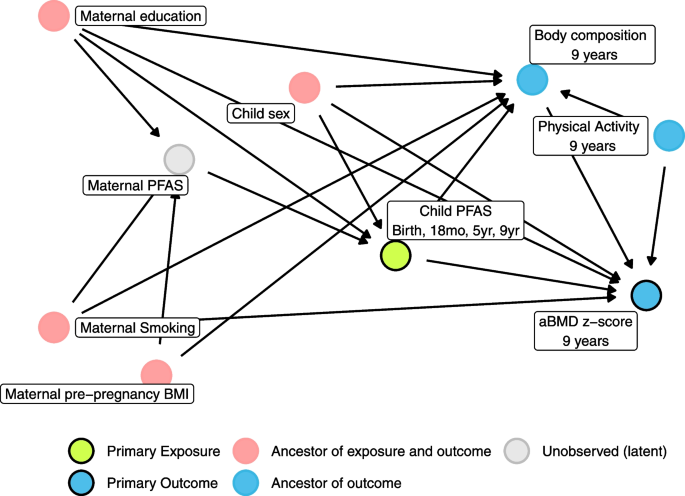
Environmental exposures to industrial chemicals, including perfluoroalkyl substances (PFAS), may play a role in bone development and future risk of osteoporosis. However, as prospective evidence is limited, the role of developmental PFAS exposures in bone density changes in childhood is unclear. The objective of this study was to estimate associations between serum-PFAS concentrations measured in infancy and early childhood and areal bone mineral density (aBMD) measured at age 9 years in a birth cohort of children from the Faroe Islands.
Tap Water Contributions to Plasma Concentrations of Poly- and Perfluoroalkyl Substances (PFAS) in a Nationwide Prospective Cohort of U.S. Women
Abstract Background: Between 2013 and 2015, concentrations of poly- and perfluoroalkyl substances (PFAS) in public drinking water supplies serving at least six million individuals exceeded the level set forth in the health advisory established by the U.S. Environmental Protection Agency. Other than data reported for contaminated sites, no systematic or prospective data exist on the relative source contribution (RSC) of drinking water to human PFAS exposures. Objectives: This study estimates the RSC of tap water to overall PFAS exposure among members of the general U.S. population. Methods: We measured concentrations of 15 PFAS in home tap water samples collected in 1989–1990 from 225 participants in a nationwide prospective cohort of U.S. women: the Nurses’ Health Study (NHS). We used a one-compartment toxicokinetic model to estimate plasma concentrations corresponding to tap water intake of PFAS. We compared modeled results with measured plasma PFAS concentrations among a subset of 110 NHS participants. Results: Tap water perfluorooctanoic acid (PFOA) and perfluorononanoic acid (PFNA) were statistically significant predictors of plasma concentrations among individuals who consumed ≥8 cups of tap water per day. Modeled median contributions of tap water to measured plasma concentrations were: PFOA 12% (95% probability interval 11%–14%), PFNA 13% (8.7%–21%), linear perfluorooctanesulfonic acid (nPFOS) 2.2% (2.0%–2.5%), branched perfluorooctanesulfonic acid (brPFOS) 3.0% (2.5%–3.2%), and perfluorohexanesulfonic acid (PFHxS) 34% (29%–39%). In five locations, comparisons of PFASs in community tap water collected in the period 2013–2016 with samples from 1989–1990 indicated increases in quantifiable PFAS and extractable organic fluorine (a proxy for unquantified PFAS). Conclusions: Our results for 1989–1990 compare well with the default RSC of 20% used in risk assessments for legacy PFAS by many agencies. Future evaluation of drinking water exposures should incorporate emerging PFAS. https://doi.org/10.1289/EHP4093
From gifted to high potential and twice exceptional: A state-of-the-art meta-review
Despite the abundant literature on intelligence and high potential individuals, there is still a lack of international consensus on the terminology and clinical characteristics associated to this population. It has been argued that unstandardized use of diagnosis tools and research methods make comparisons and interpretations of scientific and epidemiological evidence difficult in this field. If multiple cognitive and psychological models have attempted to explain the mechanisms underlying high potentiality, there is a need to confront new scientific evidence with the old, to uproot a global understanding of what constitutes the neurocognitive profile of high-potential in gifted individuals. Another particularly relevant aspect of applied research on high potentiality concerns the challenges faced by individuals referred to as "twice exceptional" in the field of education and in their socio-affective life. Some individuals have demonstrated high forms of intelligence together with learning, affective or neurodevelopmental disorders posing the question as to whether compensating or exacerbating psycho-cognitive mechanisms might underlie their observed behavior. Elucidating same will prove relevant to questions concerning the possible need for differential diagnosis tools, specialized educational and clinical support. A meta-review of the latest findings from neuroscience to developmental psychology, might help in the conception and reviewing of intervention strategies.
Associations of Exposure to Perfluoroalkyl Substances With Thyroid Hormone Concentrations and Birth Size
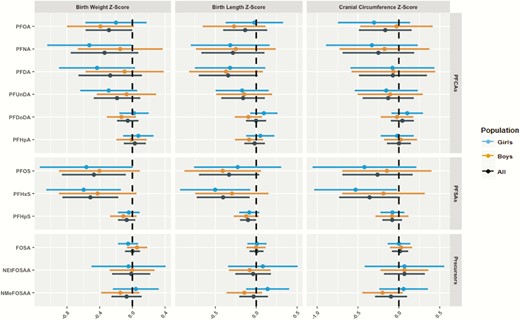
AbstractBackground. Adequate thyroid function during pregnancy is essential for optimal fetal growth. Gestational exposure to perfluoroalkyl substances (PF
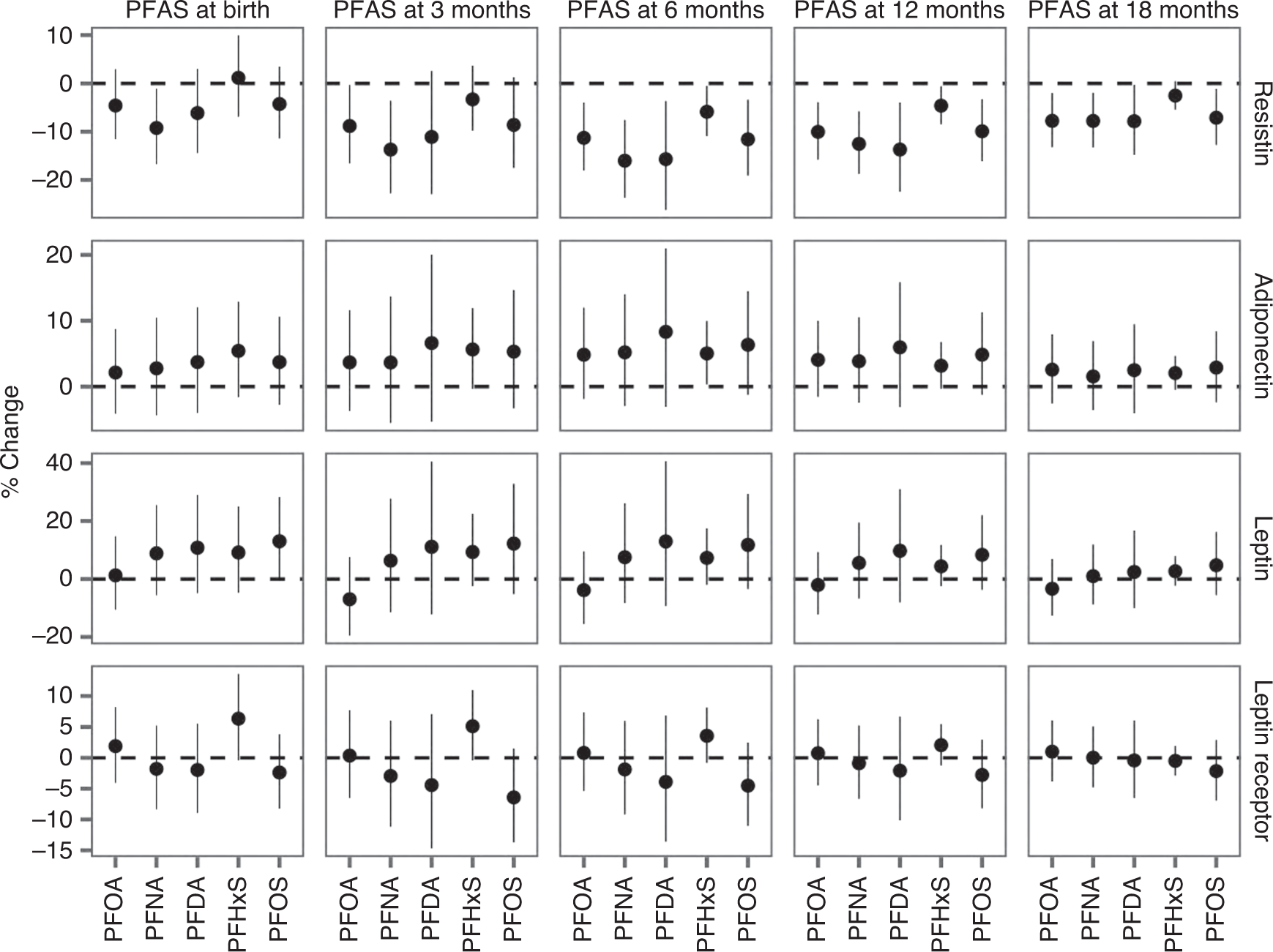
Estimated exposure to perfluoroalkyl substances during infancy and serum-adipokine concentrations in later childhood
Perfluoroalkyl substances (PFASs) are transferred through human milk and may cause elevated exposure during infancy. Given the lack of early postnatal blood samples, PFAS concentrations can be estimated to serve as predictors of subsequent metabolic toxicity.
Methylphenidate Treatment and Risk of Psychotic Disorder
This cohort study of a Finnish national multiyear birth cohort uses instrumental variable analysis to investigate whether methylphenidate alters the long-term risk of psychotic disorder in children with attention-deficit/hyperactivity disorder.

Paired Liver:Plasma PFAS Concentration Ratios from Adolescents in the Teen-LABS Study and Derivation of Empirical and Mass Balance Models to Predict and Explain Liver PFAS Accumulation
Abstract. Animal studies have pointed at the liver as a hotspot for per- and polyfluoroalkyl substances (PFAS) accumulation and toxicity; however, these fi

Serum Perfluoroalkyl Substances, Vaccine Responses, and Morbidity in a Cohort of Guinea-Bissau Children
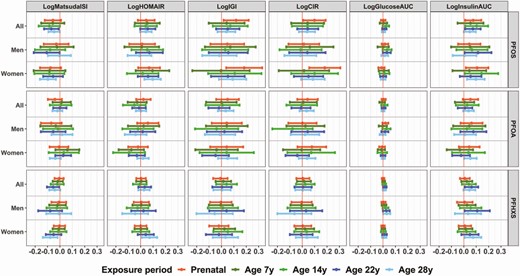
Life-course Exposure to Perfluoroalkyl Substances in Relation to Markers of Glucose Homeostasis in Early Adulthood
AbstractObjective. To investigate the prospective associations of life-course perfluoroalkyl substances (PFASs) exposure with glucose homeostasis at adulth