


A simple method was developed for evaluating the efficacy of face masks to reduce respiratory droplet emission during speaking. , Mandates for mask use in public during the recent coronavirus disease 2019 (COVID-19) pandemic, worsened by global shortage of commercial supplies, have led to widespread use of homemade masks and mask alternatives. It is assumed that wearing such masks reduces the likelihood for an infected person to spread the disease, but many of these mask designs have not been tested in practice. We have demonstrated a simple optical measurement method to evaluate the efficacy of masks to reduce the transmission of respiratory droplets during regular speech. In proof-of-principle studies, we compared a variety of commonly available mask types and observed that some mask types approach the performance of standard surgical masks, while some mask alternatives, such as neck gaiters or bandanas, offer very little protection. Our measurement setup is inexpensive and can be built and operated by nonexperts, allowing for rapid evaluation of mask performance during speech, sneezing, or coughing.
Low-cost measurement of face mask efficacy for filtering expelled droplets during speech
A simple method was developed for evaluating the efficacy of face masks to reduce respiratory droplet emission during speaking. , Mandates for mask use in public during the recent coronavirus disease 2019 (COVID-19) pandemic, worsened by global shortage of commercial supplies, have led to widespread use of homemade masks and mask alternatives. It is assumed that wearing such masks reduces the likelihood for an infected person to spread the disease, but many of these mask designs have not been tested in practice. We have demonstrated a simple optical measurement method to evaluate the efficacy of masks to reduce the transmission of respiratory droplets during regular speech. In proof-of-principle studies, we compared a variety of commonly available mask types and observed that some mask types approach the performance of standard surgical masks, while some mask alternatives, such as neck gaiters or bandanas, offer very little protection. Our measurement setup is inexpensive and can be built and operated by nonexperts, allowing for rapid evaluation of mask performance during speech, sneezing, or coughing.
Masks and respirators for prevention of respiratory infections: a state of the science review
SUMMARY This narrative review and meta-analysis summarizes a broad evidence base on the benefits—and also the practicalities, disbenefits, harms and personal, sociocultural and environmental impacts—of masks and masking. Our synthesis of evidence from over 100 published reviews and selected primary studies, including re-analyzing contested meta-analyses of key clinical trials, produced seven key findings. First, there is strong and consistent evidence for airborne transmission of severe acute respiratory syndrome coronavirus 2 (SARS-CoV-2) and other respiratory pathogens. Second, masks are, if correctly and consistently worn, effective in reducing transmission of respiratory diseases and show a dose-response effect. Third, respirators are significantly more effective than medical or cloth masks. Fourth, mask mandates are, overall, effective in reducing community transmission of respiratory pathogens. Fifth, masks are important sociocultural symbols; non-adherence to masking is sometimes linked to political and ideological beliefs and to widely circulated mis- or disinformation. Sixth, while there is much evidence that masks are not generally harmful to the general population, masking may be relatively contraindicated in individuals with certain medical conditions, who may require exemption. Furthermore, certain groups (notably D/deaf people) are disadvantaged when others are masked. Finally, there are risks to the environment from single-use masks and respirators. We propose an agenda for future research, including improved characterization of the situations in which masking should be recommended or mandated; attention to comfort and acceptability; generalized and disability-focused communication support in settings where masks are worn; and development and testing of novel materials and designs for improved filtration, breathability, and environmental impact.

Masks and respirators for prevention of respiratory infections: a state of the science review
SUMMARY This narrative review and meta-analysis summarizes a broad evidence base on the benefits—and also the practicalities, disbenefits, harms and personal, sociocultural and environmental impacts—of masks and masking. Our synthesis of evidence from over 100 published reviews and selected primary studies, including re-analyzing contested meta-analyses of key clinical trials, produced seven key findings. First, there is strong and consistent evidence for airborne transmission of severe acute respiratory syndrome coronavirus 2 (SARS-CoV-2) and other respiratory pathogens. Second, masks are, if correctly and consistently worn, effective in reducing transmission of respiratory diseases and show a dose-response effect. Third, respirators are significantly more effective than medical or cloth masks. Fourth, mask mandates are, overall, effective in reducing community transmission of respiratory pathogens. Fifth, masks are important sociocultural symbols; non-adherence to masking is sometimes linked to political and ideological beliefs and to widely circulated mis- or disinformation. Sixth, while there is much evidence that masks are not generally harmful to the general population, masking may be relatively contraindicated in individuals with certain medical conditions, who may require exemption. Furthermore, certain groups (notably D/deaf people) are disadvantaged when others are masked. Finally, there are risks to the environment from single-use masks and respirators. We propose an agenda for future research, including improved characterization of the situations in which masking should be recommended or mandated; attention to comfort and acceptability; generalized and disability-focused communication support in settings where masks are worn; and development and testing of novel materials and designs for improved filtration, breathability, and environmental impact.
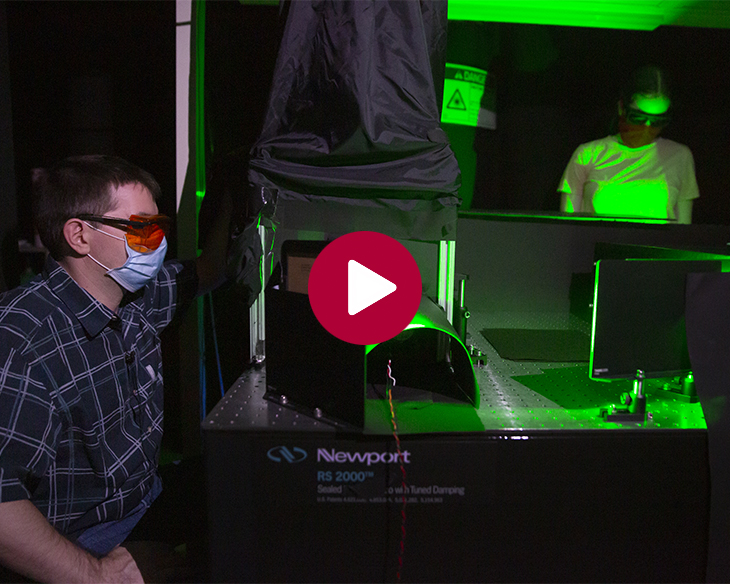
Inexpensive, Accessible Device Provides Visual Proof that Masks Block Droplets
DURHAM, N.C. – Duke physician Eric Westman was one of the first champions of masking as a means to curtail the spread of coronavirus, working with a local non-profit to provide free masks to at-risk and under-served populations in the greater Durham community.
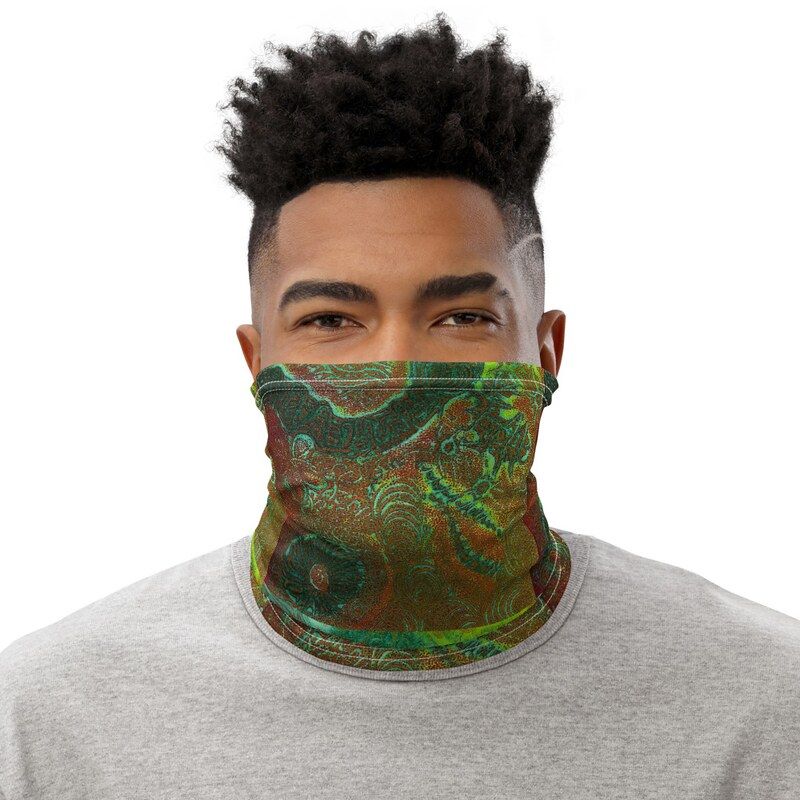
Neck Gaiters for COVID-19 Worse Than No Face Covering At All | Infection Control Today
Neck gaiters weren’t the only face coverings tested: in all 14 were analyzed, from N95s (unsurprisingly judged to be the most effective in containing COVID-19 spread) to bandanas (not much more effective then neck gaiters, according to the study).
Manta Sleep – The World's #1 Sleep Masks and Accessories
100% blackout. Zero eye pressure. Super comfy. The world’s most effective sleep mask, guaranteed.
Air Pollution Mask
Reusable urban air pollution mask with certified 99.99% PM2.5 filtration against traffic fumes, road dust and smog. Breathable, washable, built for daily city wear.

COVID-19 Vaccine Effectiveness and Safety for the 2026-2027 Respiratory Season
This Special Communication aims to identify and summarize the most recently published evidence evaluating the effectiveness and safety of US-licensed COVID-19 vaccines and report on the epidemiology of SARS-CoV-2 in the US.

Airport air sampling captures COVID, influenza viruses
Researchers say air monitoring complements wastewater testing in detecting respiratory pathogens from diverse populations, including asymptomatic or pre-symptomatic people.

Home Sleep Testing by Sleep Doctor | CPAP Machines, Masks, & Supplies
Home sleep apnea tests, CPAP machines, masks, supplies, and more. Wake up rested with help that’s easy to follow, a dedication to care, and sleep solutions that work.

COVID-19 Vaccine Effectiveness and Safety for the 2026-2027 Respiratory Season
Importance SARS-CoV-2 remains a substantial cause of respiratory illness, morbidity, and mortality. Evidence to date has demonstrated that COVID-19 vaccines reduce the risk of severe disease, including hospitalization and death. Objective This systematic review identifies and summarizes newly published studies reporting on the effectiveness and safety of COVID-19 vaccines and COVID-19 epidemiology in the US. Evidence Review Cochrane Central Register of Controlled Trials, PubMed/MEDLINE, Embase, and Scopus were searched from August 1, 2025, through June 29, 2026. Studies were eligible if they reported on the effectiveness, efficacy, or safety of a US-licensed COVID-19 vaccine or SARS-CoV-2 epidemiology in the US. Findings From 11 829 identified references, 155 publications were eligible (15 randomized clinical trials, 84 observational studies with a comparator group, 38 product safety studies without a comparator group [single group], and 18 descriptive studies of disease burden). Consistent with prior evidence, studies reported that updated COVID-19 vaccines were associated with a reduction in the risk of hospitalization among both older adults (≥65 years; vaccine effectiveness [VE], 53.0%; 95% CI, 37.0%-65.0%; 2025-2026 season) and adults (18-64 years; VE, 54.0%; 95% CI, 1.0%-78.0%; 2024-2025 season). Maternal vaccination was associated with reduced risk of COVID-19–associated emergency department/urgent care encounters among individuals vaccinated (VE, 58.0%; 95% CI, 24.0%-77.0%) and with fewer COVID-19–related hospital contacts in the first 2 months of life among infants born subsequently (VE range, 50.0%-54.0%), regardless of trimester of vaccination. Vaccination was also associated with a significant reduction in COVID-19–related pediatric emergency department visits (9 months to 4 years; VE, 76.0%; 95% CI, 58.0%-87.0%). Vaccination was associated with a reduced risk of critical COVID-19 illness (intensive care unit admission or death) in immunocompromised adults (VE range, 32.0%-53.0%, depending on condition and other factors). Health care personnel who received 3 to 5 vaccine doses were less likely to develop laboratory-confirmed COVID-19 illness (VE, 41.0%; 95% CI, 34.0%-47.0%) and postacute COVID-19 symptoms (VE, 57.0%; 95% CI, 46.0%-66.0%) compared with those who received only 2 doses. Across adverse events of special interest (eg, stroke, thrombosis, myocarditis), safety profiles were consistent with those of previous reviews. No identified studies conducted under the updated guidance on extended dosing intervals for the primary series reported an increased risk of myocarditis or pericarditis. No new safety signals were reported in the recently published studies eligible for this updated review of US-licensed COVID-19 vaccines. Conclusions and Relevance COVID-19 vaccines were consistently associated with a reduction in the risk of hospitalization and other outcomes, including among individuals at high risk of severe COVID-19, such as infants, and those who were pregnant. No new safety concerns were identified.

Saturday Night at the Massachusetts Lesbian Bar Everyone Is Talking About
Last Ditch, a bar and art space, ended its Covid mask requirement as a way to attract more people. What it got instead was outsized attention.

The Astounding Physics of N95 Masks
This is a really good point re: the lesbian bar story. Yeah, I'm sure the Globe reporters and their friends don't mask, but lots of folks in Boston, ESPECIALLY queer folks, mask pretty consistently. Like I work at a college and I see young folks in masks CONSTANTLY. It's pretty normalized here.

Lex McMenamin (they/them)
like, hella people in boston mask! what the fuck was this story framing! i really dont know man
Masks/respirators

This is a really good point re: the lesbian bar story. Yeah, I'm sure the Globe reporters and their friends don't mask, but lots of folks in…

How can you keep a business accessible to immunocompromised folks yet stay out of the red? This was the question the NYT should have asked…
Inexpensive, Accessible Device Provides Visual Proof that Masks Block Droplets
Low-cost measurement of face mask efficacy for filtering expelled droplets during speech
Neck Gaiters for COVID-19 Worse Than No Face Covering At All | Infection Control Today

The Astounding Physics of N95 Masks
