


It is widely acknowledged that computational science and engineering (CSE) will play a critical role in the future of the scientific discovery process and engineering design. However, in recent years computational skills have been deemphasized in the curricula of many undergraduate programs in science and engineering. There is a clear need to provide training in CSE fundamentals at the undergraduate level. An undergraduate CSE program can train students for careers in industry, education, and for graduate CSE study. The courses developed for such a program will have an impact throughout the science, technology, engineering, and mathematics (STEM) undergraduate curriculum. This paper outlines the content of a CSE curriculum, the skills needed by successful graduates, the structure and experiences of some recently developed CSE undergraduate programs, and the potential career paths following a CSE undergraduate education.
Interleaving Computational and Inferential Thinking: Data Science for Undergraduates at Berkeley · Issue 3.2, Spring 2021
The undergraduate data science curriculum at the University of California, Berkeley is anchored in five new courses that emphasize computational thinking, inferential thinking, and the perspective gained by working on real-world problems. We believe that interleaving these elements within our core courses is essential to preparing students to engage in data-driven inquiry at the scale that contemporary scientific and industrial applications demand. This new curriculum is already reshaping the undergraduate experience at Berkeley, where these courses have become some of the most popular on campus and have led to a surging interest in a new undergraduate major and minor program in data science.

Fellow Engineers: This is where your money comes from
Recently I saw some rather surprising conversations on Reddit’s /r/cscareerquestions which is generally a great place to talk through different CS Career issues people are having and try to h…

Bringing Computational Thinking to non-STEM Undergraduates through an Integrated Notebook Application
Computational thinking courses are no longer exclusive to engineering and computer science students in higher education but have become a requirement in other fields, as well as for students in secondary, primary, and even early childhood education. Computational notebooks, such as Jupyter, are popular solutions to develop the programming skills typically introduced in these courses. However, these solutions often require technical infrastructure and lack support for rich educational experiences that integrate discussion, active feedback, and learning analytics. In this paper, we introduce a web application designed to address these challenges. We present blended learning scenarios supported by this application and evaluate them in an eight-week computational thinking course comprising 67 students pursuing a Bachelor in Business and Economics. We include in our results the impact of the disruption caused by the COVID-19 pandemic, which forced a move from blended to online distance learning for the second half of our evaluation.
Teaching Programming for First-Year Data Science
This summary was generated using automated tools and was not authored or reviewed by the article's author(s). It is provided to support discovery, help readers assess relevance, and assist readers from adjacent research areas in understanding the work. It is intended to complement the author-supplied abstract, which remains the primary summary of the paper. The full article remains the authoritative version of record. Click here to learn more.

Computational Thinking for All Students
Posted by Maggie Johnson, Director of Education and University Relations, Google(Crossposted on the Google for Education Blog, and the the Huffingt...

California Alliance for Data Science Education (CADSE) - Home
The California Alliance for Data Science Education (CADSE) seeks to advance data science education in California Community Colleges (CCCs), California State Universities, and the University of

The education of a computer
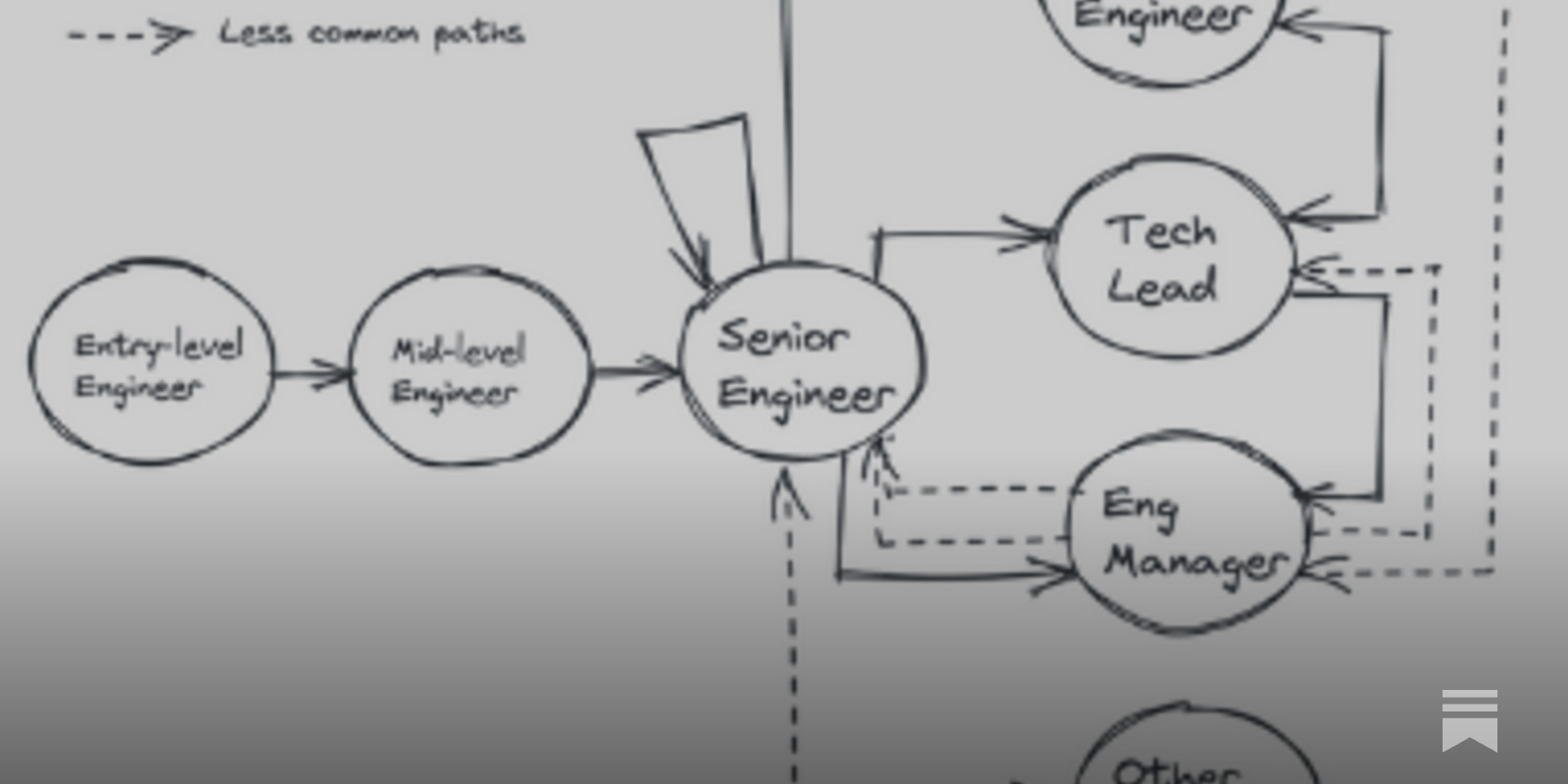
Engineering Career Paths at Big Tech and High-Growth Startups
Levels at big tech, the most common career paths, and what comes after making it to Staff
Data Science in 2020: Computing, Curricula, and Challenges for the Next 10 Years
In the past 10 years, new data science courses and programs have proliferated at the collegiate level. As faculty and administrators enter the race to provide data science training and attract new ...

Computational statistics
Computational statistics, or statistical computing, is the study which is the intersection of statistics and computer science, and refers to the statistical methods that are enabled by using computational methods. It is the area of computational science specific to the mathematical science of statistics. This area is fast developing. The view that the broader concept of computing must be taught as part of general statistical education is gaining momentum.

The Missing Discipline in Computer Science
On Teaching Computer Scientists to Ask “Why”

Motivating Adult Learners by Introducing Programming Concepts with Scratch
Novice programmers usually fail to combine abstract concepts and knowledge into program design, even though they know the syntax and semantics of individual statement. Adult novice programmers with little computer background knowledge might face more ...

The Paper Pilot
I'm Anthony "The Paper Pilot" Lawn, and I develop programs and games using a variety of languages and engines. I received my B.S. and M.S. in Computer Science at the University of Texas at Dallas, with a focus on Computer Interaction.
How I’d start my engineering career today
If you could start your engineering career over today, here’s what actually matters now that AI has made most coding skills nearly worthless.

The future of programming and computing

Trends and adjacent possibles for the future of how computers are used and programmed
LIMITS 2026 -- Workshop on Computing within Limits
vit — open source is social

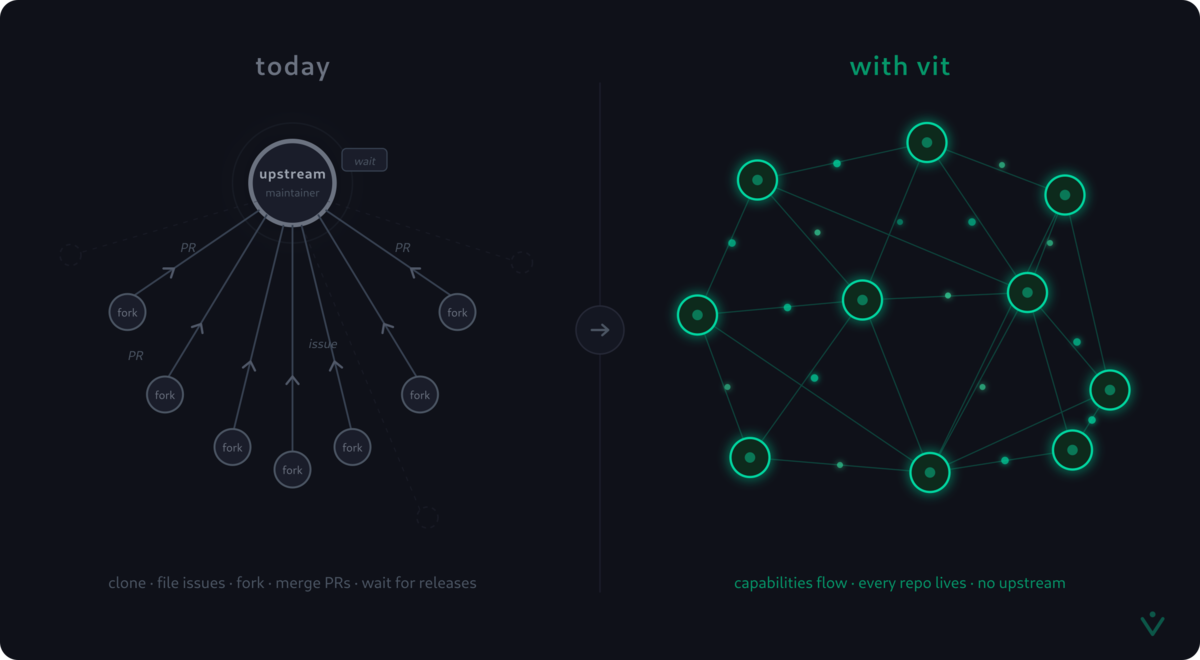
Humans approve intent, machines prove conformance
Introducing System One Models and Jev - TypeSafe AI Blog

Message from our CEO: After co-inventing ChatGPT, I kept asking myself: why have superhuman chat models not led to AGI? I’ve spent the last…
On-device intelligence for every product