


As part of the Digital Library's transition to Open Access, new features for researchers are available in the Premium Edition. Click here to learn more.
OpenAccess.ai — Rigorous Open Access Publishing
$20 to submit, free to read. AI peer review. Open to human and machine authors. All articles CC-BY 4.0.

An Alignment Journal: Features and policies — LessWrong
We previously announced a forthcoming research journal for AI alignment. This cross-post from our blog describes our tentative plans for the features…

New Studies Confirm Today’s Academic Publishing System Is A Terrible Deal For Society · Techdirt
Walled Culture has just written about the possibility that recent AI breakthroughs might accelerate a move to open access, at least in the field of mathematics. It would be particularly welcome against a backdrop of relatively slow progress in the open access world. That is not because the need for different business models that provide...
“Label from Somewhere”: Reflexive Annotating for Situated AI Alignment
As part of the Digital Library's transition to Open Access, new features for researchers are available in the Premium Edition. Click here to learn more.

AI Suggestions Homogenize Writing Toward Western Styles and Diminish Cultural Nuances
As part of the Digital Library's transition to Open Access, new features for researchers are available in the Premium Edition. Click here to learn more.

Alignment with who? How AI safety can build on open source scaffolding
This past week, I listened to a very interesting (and at times scary) podcast interview with Daniel Kokotajlo, an AI safety researcher and former Open AI employee. I was very interested to learn about 'alignment' . Alignment in AI, is the term used to describe the challenging of ensuring AIs remain

What AI Asks of Open Access - The Scholarly Kitchen
As AI systems increasingly reason from the scientific literature, the integrity signals that make research trustworthy - open data, structured metadata, robust retraction processes - matter more than ever. PLOS CEO Alison Mudditt on why open access publishers have a different set of obligations in an AI world.

AI Alignment Cannot Be Top-Down
Audrey Tang, Nov 03, 2025 — Community Notes offers a better model — where citizens, not corporations, decide what “aligned” means.

Feeding the Beast: Superintelligence, Corporate Capitalism and the End of Humanity
As part of the Digital Library's transition to Open Access, new features for researchers are available in the Premium Edition. Click here to learn more.

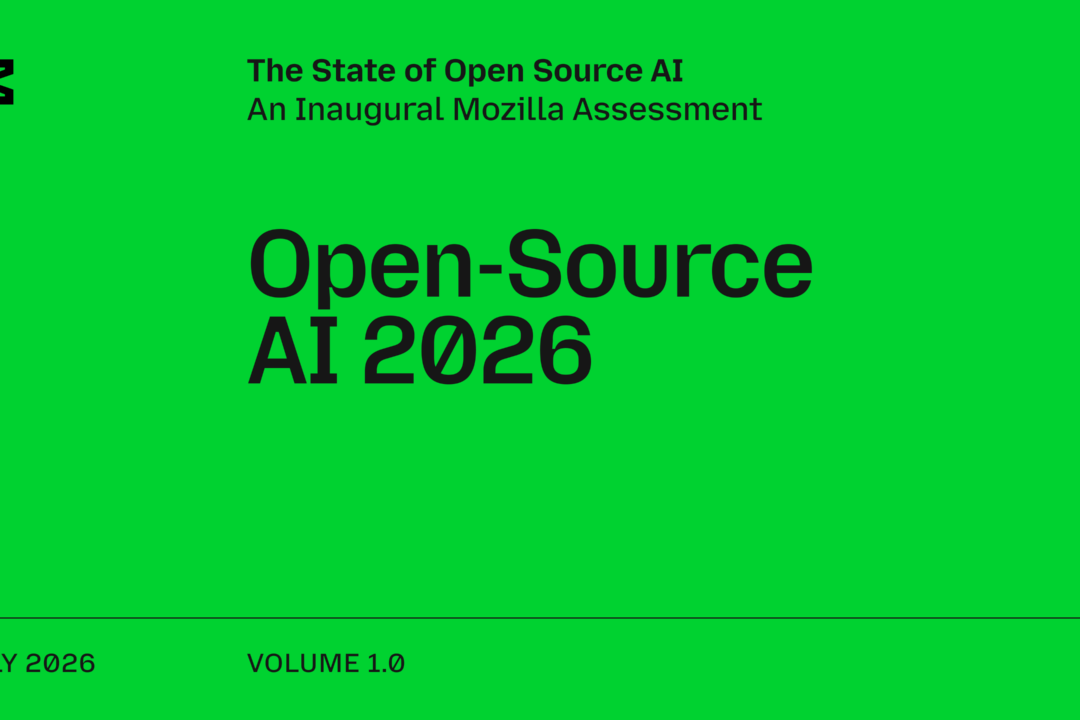
Mozilla’s Inaugural ‘State of Open Source AI’ Report Is Here | The Mozilla Blog
Open source AI has crossed a threshold. For years the debate has centered around whether open models could ever compete with closed ones. This is no longer
The open authorial principle: supporting networks of authors in creating externalisable designs
As part of the Digital Library's transition to Open Access, new features for researchers are available in the Premium Edition. Click here to learn more.

The Application and Its Consequences for Non-Standard Knowledge Work
As part of the Digital Library's transition to Open Access, new features for researchers are available in the Premium Edition. Click here to learn more.

From OSS to Open Source AI: an Exploratory Study of Collaborative...
AI development is embracing open-source paradigm, but the fundamental distinction between AI models and traditional software artifacts may lead to a divergent open-source development paradigm with...

OpenAI Shares Some Alignment Problems
Kudos to OpenAI for sharing their recent experiences with a misaligned internal model, where they encountered problems sufficiently severe they were forced to take the model offline to work on new mitigations and defense-to-depth.

The Due Process Deficit: Auditing AI Governance in U.S. Higher Education
As part of the Digital Library's transition to Open Access, new features for researchers are available in the Premium Edition. Click here to learn more.

Transformers Model Integration Contracts
We’re on a journey to advance and democratize artificial intelligence through open source and open science.
