


As a result of the rapidly changing digital landscape, there is momentum to bring coding to K-12 classrooms in jurisdictions all around the world. A barrier to student learning and success with coding, however, is that many teachers have little or no ...
Keynote: Bridging Gaps with Code: Transforming K12 Education with Jupyter Everywhere - I. Martinez
Norway Abandons Ed-Tech, Embraces Books
A massive revolt against educational technology in the classroom is under way, especially in certain European nations. Education leaders in some countries have concluded that Ed-tech is the primary…

Callysto: Bringing Jupyter and Computational Thinking to the K-12 Curriculum
Cybera and the Pacific Institute for Mathematical Sciences are participating in the new national CanCode program, to develop coding and digital skills from kindergarten to grade 12. With the launch of the Callysto project, we are creating tools and frameworks that help teachers bring computational thinking into their math, science, social sciences, and humanities courses - giving students the analytical skills needed to comprehend the digital world. Leveraging the Jupyter 'All-in-One' Science Platform to put friendly yet powerful compute tools in classroom settings, we are creating showcase modules and workshop training for K-12 teachers to incorporate data and computing into the broad curriculum. At this presentation, you will learn about how Callysto will: Bring computational thinking to classrooms through K-12 teacher training Create opportunities to participate in free workshop training sessions and content creation Help K-12 teachers gain public recognition for participating in this educational training project Note: This presentation is related to our 2017 BCNET presentation on "Bringing The Thunder: Deploying Jupyter Notebooks For Research, Education, And Innovation." View Slidedeck
Helping Students Understand the Code’s Behavior and Purpose by Leveraging Concreteness Fading and Comics
As part of the Digital Library's transition to Open Access, new features for researchers are available in the Premium Edition. Click here to learn more.

The Hidden Role of Software in Educational Research: Policy to Practice|eBook
Educational research often discounts the uniqueness and ubiquity of software and the hidden political, economic and epistemological ways it impacts teaching and learning in K-12 settings. Drawing on theories and methodologies from English education, critical discourse analysis, multimodal...
Callysto – Cybera
Cybera and the Pacific Institute for Mathematical Sciences (PIMS) are participating in the new national CanCode program. This two-year program supports initiatives that aid coding and digital skills development among Canadian youth, from grade 5-12.
We asked 15,000 people who they are, and how they’re learning to code
More than 15,000 people responded to the 2016 New Coder Survey, granting researchers an unprecedented glimpse into how adults are learning to code. We’ve released the entire dataset of participants’ individual responses to all 48 questions — under th...

Stop saying learning to code is easy.
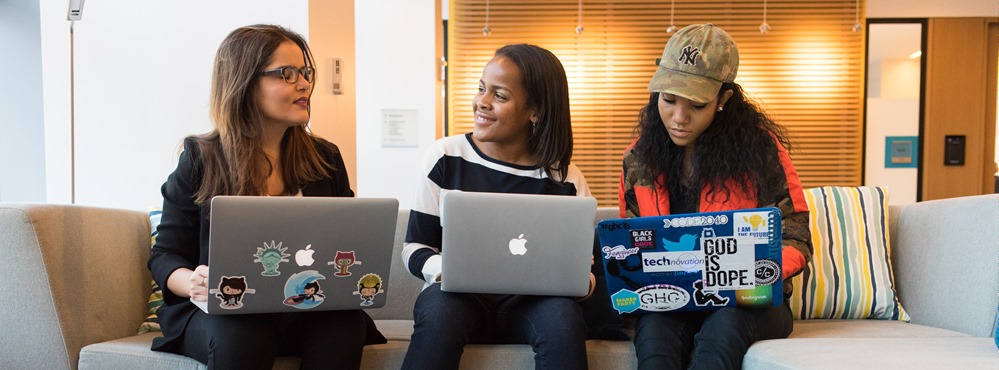
(The photo above was taken at the Microsoft NYC office of three amazing young ...
We should rethink how we teach people to code | deadSimpleTech
It's fair to say that the tech industry at the moment is not in a good place. Software engineers tend to be detached, demotivated and unwilling to care much about the work they're doing beyond their paycheck. Code quality is poor on the whole, made worse by the current spate of vibe coding and whatever other febrile ideas come out of Sam Altman's brain. Much of the software that we write is either useless or actively hurts people. And the talented, creative people that we most need in the industry are pushed to the margins of it.

NewCrafts Paris 2025
NewCrafts Paris, an ephemeral learning ground for professional developers who care for quality code and bettering their practices.
What Parents Need to Know About AI in the Classroom | Stanford HAI
From immersive learning and personalized tutors to lesson plans and grading, AI is everywhere in K-12 education.
Reading Code Is Hard, and tips to improve - Trisha Gee
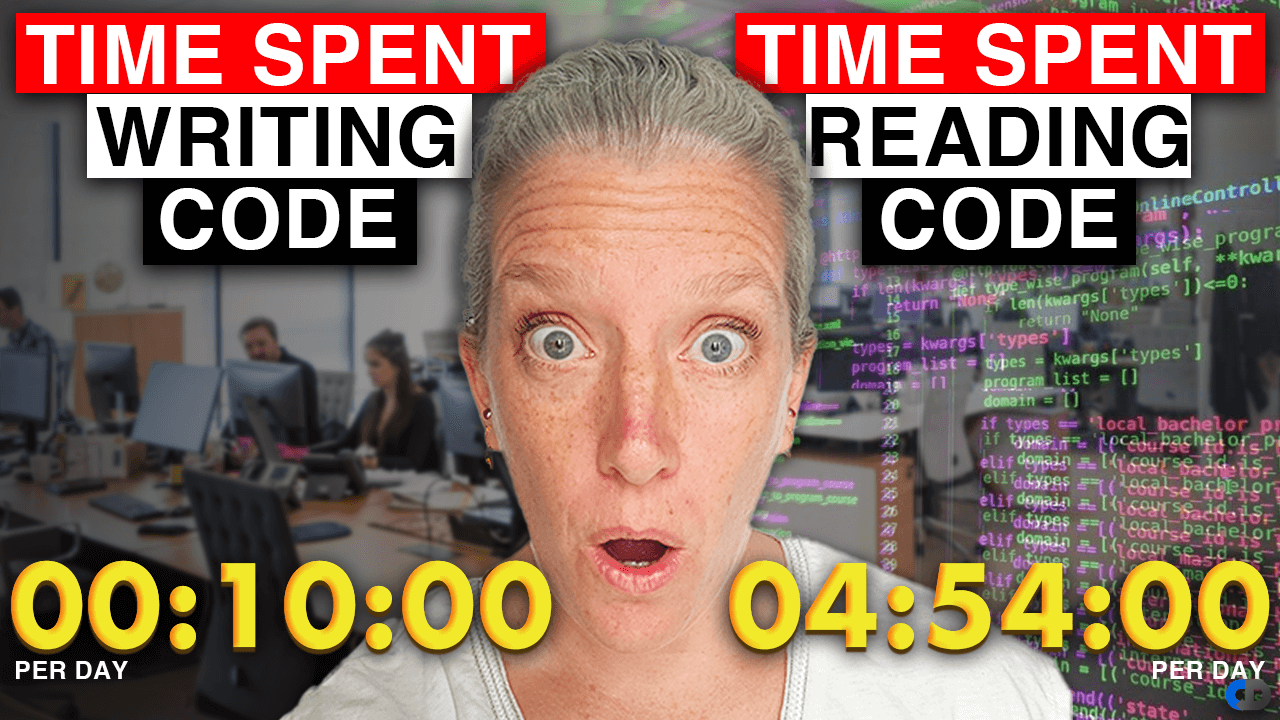
This week's video for Dave Farley's Continuous Delivery YouTube channel is me ranting about why reading code sucks, and offering some advice on how to improve. "Every programmer occasionally, when nobody’s home, turns off the lights, pours a glass of scotch, puts on some light German electronica, and opens up a file on their computer. ... Read more
Edufuturists
Edufuturists bring a bold, innovative approach to education, challenging the status quo and advocating for personalised learning experiences that develop critical skills. We inspire educators and learners alike to embrace technology, foster real-world relevance, and promote lifelong learning for a rapidly changing future.
Chris Granger - Coding is not the new literacy
Despite the good intentions behind the movement to get people to code, both the basic premise and approach are flawed. The movement sits on the idea that “coding is the new literacy,” but that takes a narrow view of what literacy really is.
Hey, Computer Scientists! Stop Hating on the Humanities
Opinion: Computer science departments need to teach coders more than just how to code.

AI in the Classroom

Investigating AI usage in the classroom as a parent of a child entering the K-12 system.

NYC school system to ban AI for elementary, middle school students

Sosc Core to Institute AI Ban, Technology-Free Classrooms This Fall
“The Template for Law Schools Around the World”: UChicago Law School Announces New AI Strategy

Does AI stop children from learning?
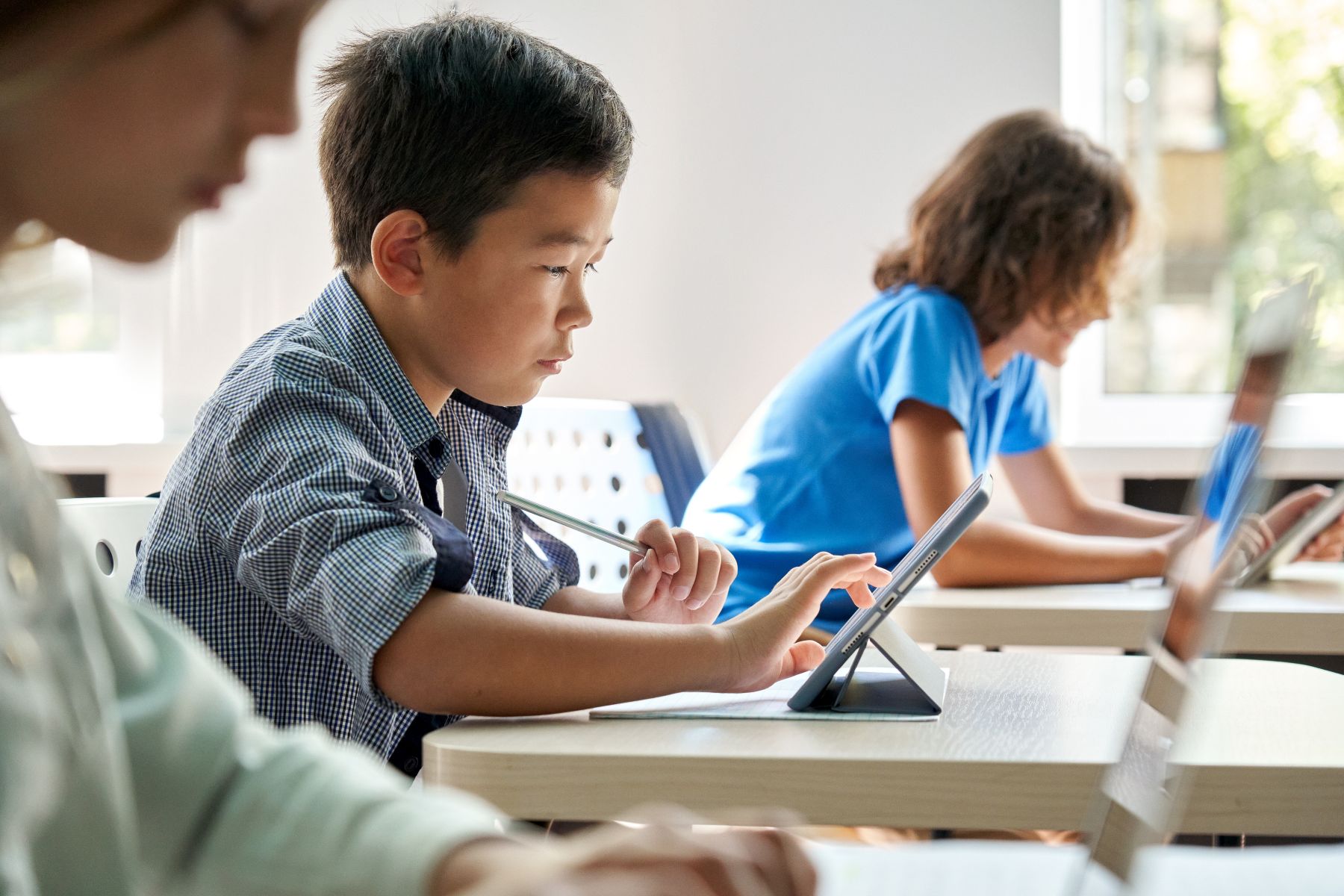
A new direction for students in an AI world: Prosper, prepare, protect | Brookings
What Parents Need to Know About AI in the Classroom | Stanford HAI