


We survey the empirical literature in economics on the impact of media technologies on social capital. Guided by a simple model of information and collective action, we cover a range of different outcomes related to social capital—from social and political participation to interpersonal trust—in its benign and destructive manifestations. The impact of media technologies hinges on their content (information versus entertainment), their effectiveness in fostering coordination, and the networks they create as well as on individual characteristics and media consumption choices.
Media and Social Capital
We survey the empirical literature in economics on the impact of media technologies on social capital. Guided by a simple model of information and collective action, we cover a range of different outcomes related to social capital—from social and political participation to interpersonal trust—in its benign and destructive manifestations. The impact of media technologies hinges on their content (information versus entertainment), their effectiveness in fostering coordination, and the networks they create as well as on individual characteristics and media consumption choices.
No Sense of Place: The Impact of Electronic Media on Social Behavior
Electronic media present us with a collage of experiences from everyplace. We eat dinner at home while watching starving children thousands of miles away reach out to us for food. From our easy chairs, we stare at blindfolded hostages, and coolly

Social Media Is Now Parasocial Media
When practitioners used the term “social media” to describe the internet tools that emerged in the mid-aughts, they were giving a name to the kinds of platforms and protocols that allowed people to socialize with friends and communities of interest by using digital technologies. Twenty years later, users of social media are far more likely to scroll than post – and the content that they consume is often strategically produced and algorithmically curated. In this essay, I argue that the very essence of social media has changed. To more effectively interrogate what we are witnessing, we need to stop presuming that these tools are “social media” and begin recognizing that they are now “parasocial media.” Doing so raises new questions about digitally mediated sociality, not to mention the politics and governance of these platforms.

Building A Prosocial Media Ecosystem | NOEMA
There’s never been a better time to make social media what it always should have been: a tool to strengthen rather than strip-mine the social fabric.

How Does Media Influence Social Norms? Experimental Evidence on the Role of Common Knowledge
How does media influence beliefs, attitudes, and behaviors? While many scholars have studied the effect of media on social and political outcomes, we know surprisingly little about the channels through which this effect operates. I argue that two mechanisms can account for its impact. Media provides new information that persuades individuals to accept it (individual channel), but also, media informs listeners about what others learn, thus facilitating coordination (social channel). Combining a field experiment with a plausibly natural experiment in Mexico, I disentangle these effects analyzing norms surrounding violence against women. I examine the effect of a radio program when it is transmitted privately versus when it is transmitted publicly. I find no evidence supporting the individual mechanism. The social channel, however, increased rejection of violence against women and increased support for gender equality, but unexpectedly increased pessimism about whether violence would decline in the future.
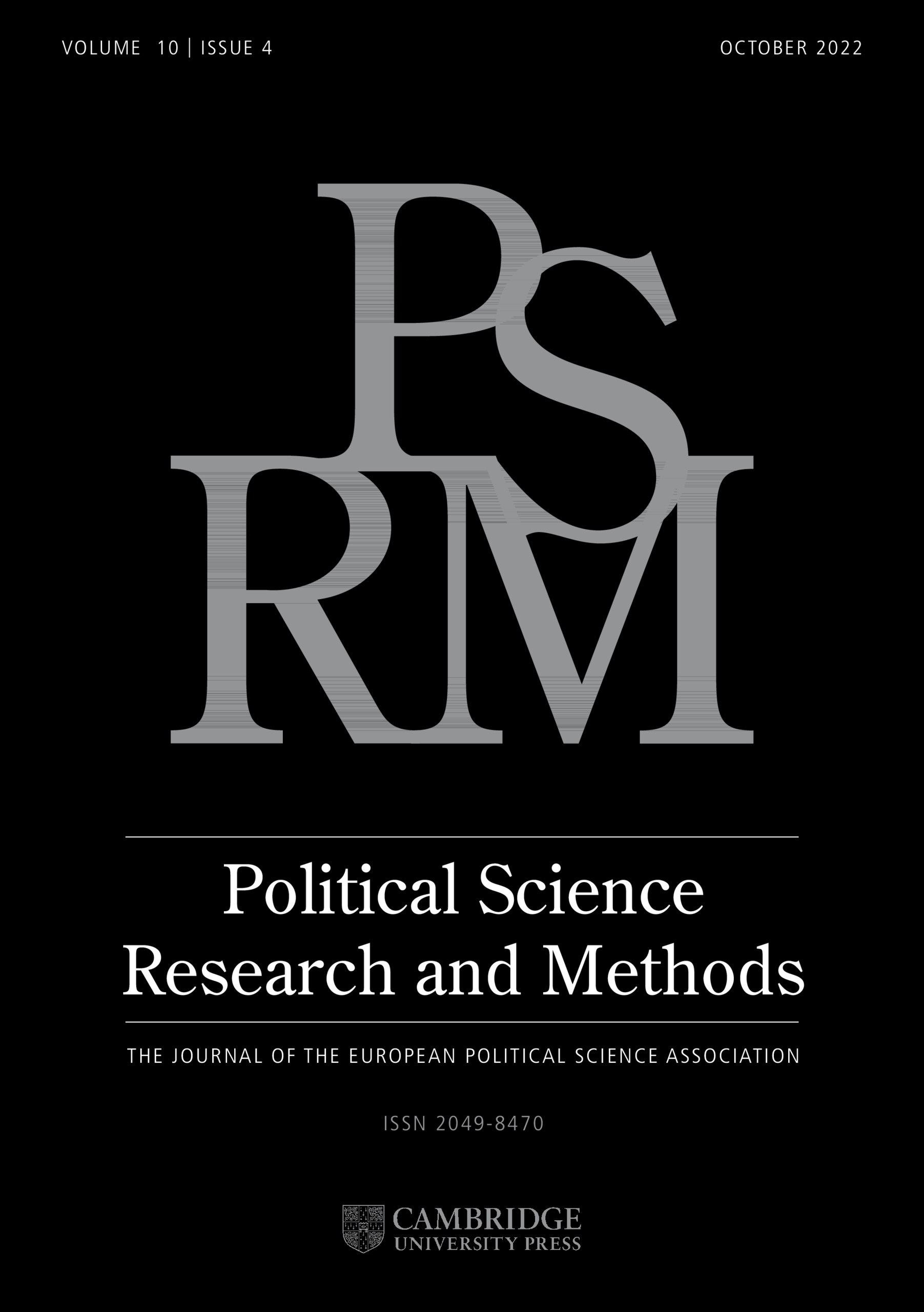
How to Opt Out of Social Media Controlled by Big Tech
It might seem like there are simply no other choices for social media beyond those controlled by big tech companies, but that’s not true at all. In fact, we’re in a golden era of options being built
Social Media Effects: Hijacking Democracy and Civility in Civic Engagement
Perceived as an equalizing force for disenfranchised individuals without a voice, the importance of social networks as agents of change cannot be ignored. However, in some societies, social networks have evolved into a platform for fake news and propaganda, empowering disruptive voices, ideologies, and messages. Social networks such as Twitter, Facebook, and Google hold the potential to alter civic engagement, thus essentially hijacking democracy, by influencing individuals toward a particular way of thinking.

Bluesky & Open Social Media Tech
Impact of the COVID-19 pandemic on social media
Social media became an important platform for interaction during the COVID-19 pandemic, coinciding with the onset of social distancing. According to a study conducted by Facebook's analytics department, messaging rates rose by over 50% during this period. Individuals confined to their homes utilized social media not only to maintain social connections but also as a source of entertainment to alleviate boredom. Concerns arose regarding the overreliance on social media for primary social interactions, particularly given the constraints imposed by the pandemic.

Shifts in U.S. Social Media Use, 2020–2024: Decline, Fragmentation, and Enduring Polarization
The social media ecosystem appears to be in flux. Twitter’s rebranding to X has come to symbolize a broader reorganization of online publics – political reshuffling, user attrition, and uncertainty over the role of legacy platforms. Simultaneously, the shift from text-based, networked feeds toward algorithmically curated, short-form video has accelerated, with TikTok setting the pace for the wider ecosystem [18, 14, 16]. At the same time, everyday communication increasingly migrates from large, open networks to semi-private spaces such as group chats and messaging apps. Commentators describe a digital public sphere in transition: smaller, more fragmented, less dominated by traditional social networking sites, and rise of more broadcast-oriented forms of media – with some even suggesting that we are seeing the beginning of the end of the social media era.
People Across the Globe Increasingly Say Social Media Is Harming Democracy
Most think social media leads to manipulation and division, but they also say it informs people and gives them a voice in politics.
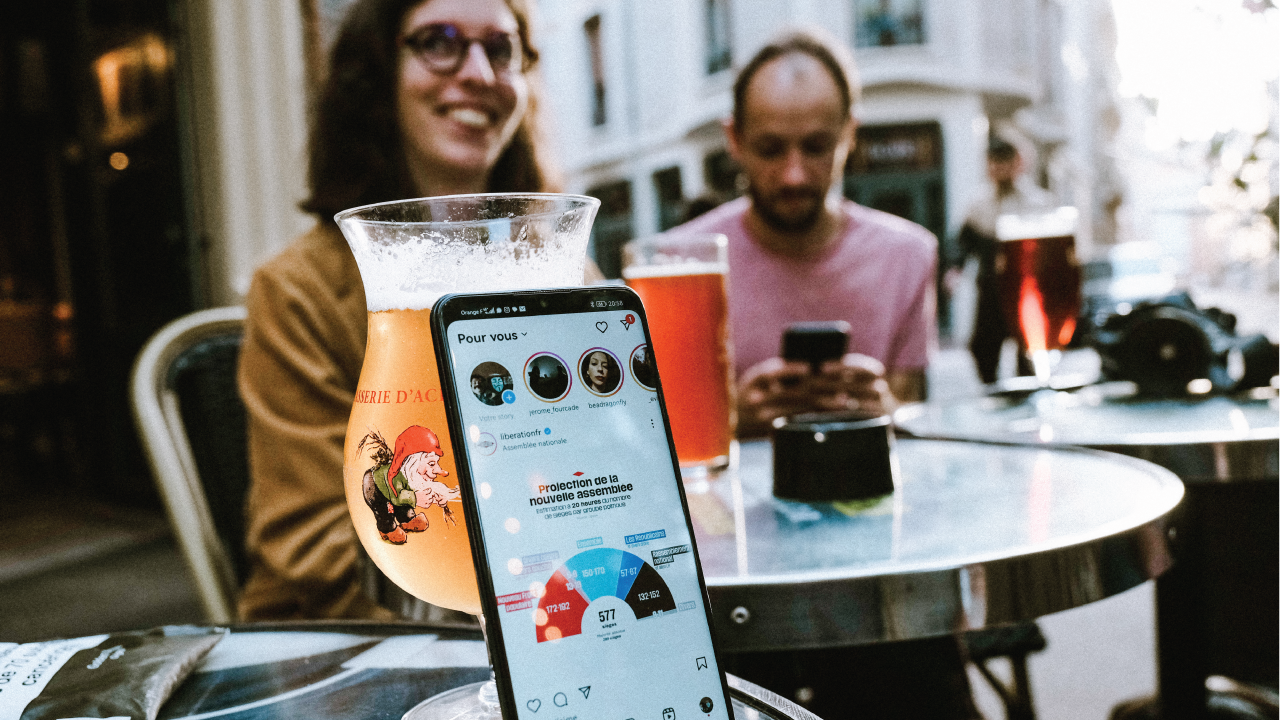
👊💰 We need a revolution in social media business models
Deepti Doshi on the business incentives underlying social media
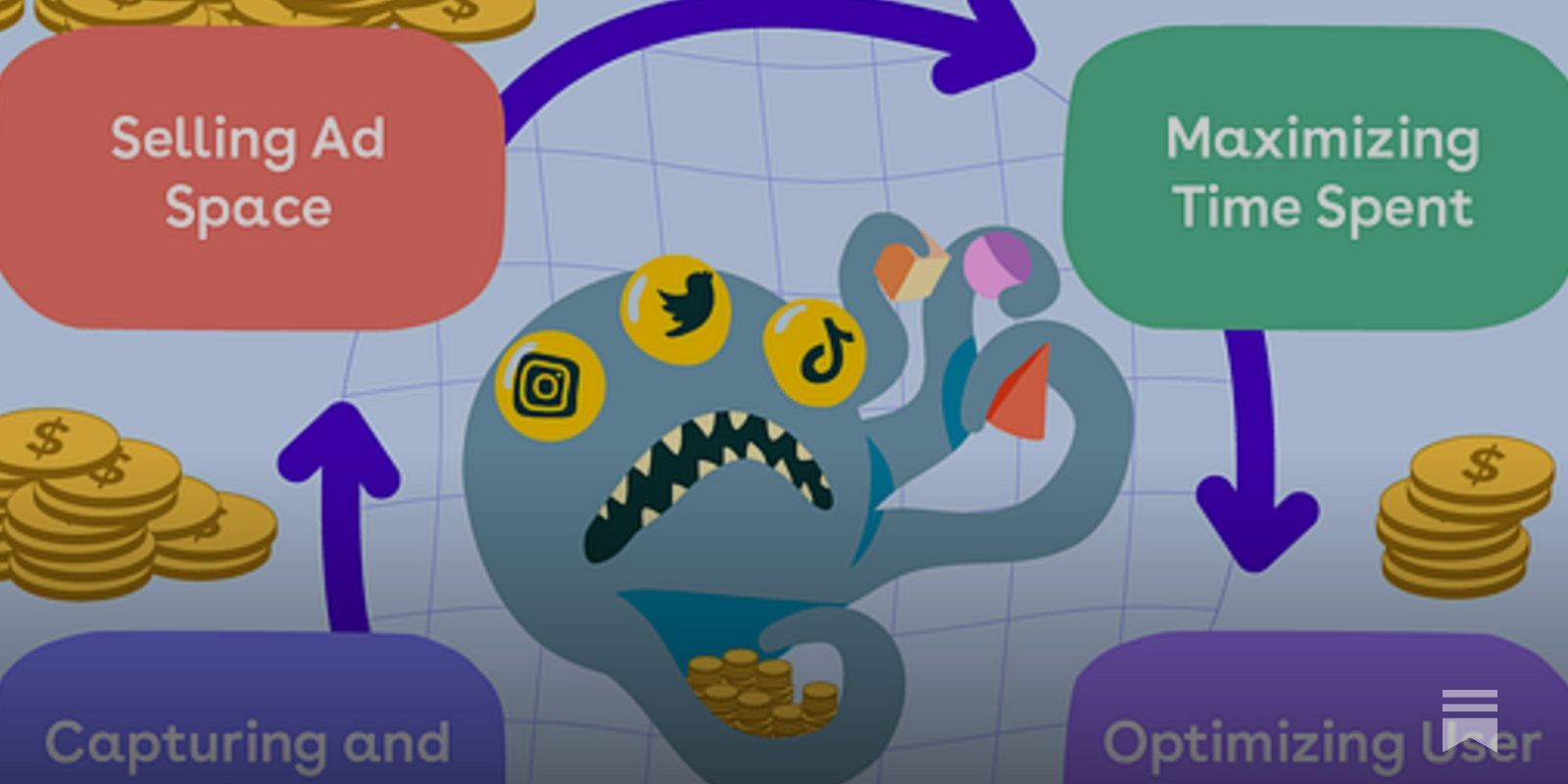
Social media is a gnarly coordination problem we need to decompose - a warm space
Social fabric: The Price of What Survives
Some reflections on the social fabric (which we've taken to calling 'social capital')

Social media is no longer social. Most of it is passive viewing of videos and pictures from people we've never met. But we're still studying social media like it's 2010. We've entered the post-social media era — and research needs to catch up. osf.io/preprints/socarxiv/6nue7_v1 preprint w/ Richard Rogers
