


Research on the gender division of family labor largely focuses on housework and childcare in spousal couples. This article advances scholarship by examining the gender division of elderly parent care in sibling groups. Using the Health and Retirement Study, a nationally representative survey of elderly Americans, I find that caregiving to elderly parents varies not only by an adult child’s own gender, but also by the gender of the siblings with whom caregiving is shared and by the gender of the parent to whom care is provided. The salience of an adult child’s gender manifests in two primary ways: not only do daughters provide more care than do sons to their elderly parents, but daughters’ caregiving is also more elastic with respect to their own and their parents’ attributes than is sons’ caregiving. With respect to the gender of the siblings, sons provide relatively less care if they have sisters, whereas daughters provide relatively more care if they have brothers. With respect to the gender of the parent, sons provide relatively more care to fathers, and daughters provide relatively more care to mothers. Finally, analyses did not reveal changes over time.
Own Gender, Sibling’s Gender, Parent’s Gender: The Division of Elderly Parent Care among Adult Children | Request PDF
Request PDF | Own Gender, Sibling’s Gender, Parent’s Gender: The Division of Elderly Parent Care among Adult Children | Research on the gender division of family labor largely focuses on housework and childcare in spousal couples. This article advances scholarship... | Find, read and cite all the research you need on ResearchGate

How Caregiving for Parents Reduces Women’s Employment: Patterns across Sociodemographic Groups
Abstract Abstract: This chapter examines the social patterns of elder caregiving among women ages 50 and older in the United States. We find that women who provide personal care for parents or parents-in-law, tend to be from more advantaged sociodemographic groups, with larger differences by socio-economic status than by race and ethnicity. Prior to initiating care, caregivers also have greater labor market attachment than non-caregivers. In contrast, although less likely to provide care, women from less advantaged groups tend to provide more time-intensive care when they do provide care, particularly in the extreme upper-end of the distribution of care hours. We find strong negative associations between caregiving and employment, hours, and earnings, both immediately and over a longer 10-year period. The relationship between care and work is similar across the sociodemographic groups that we examine.
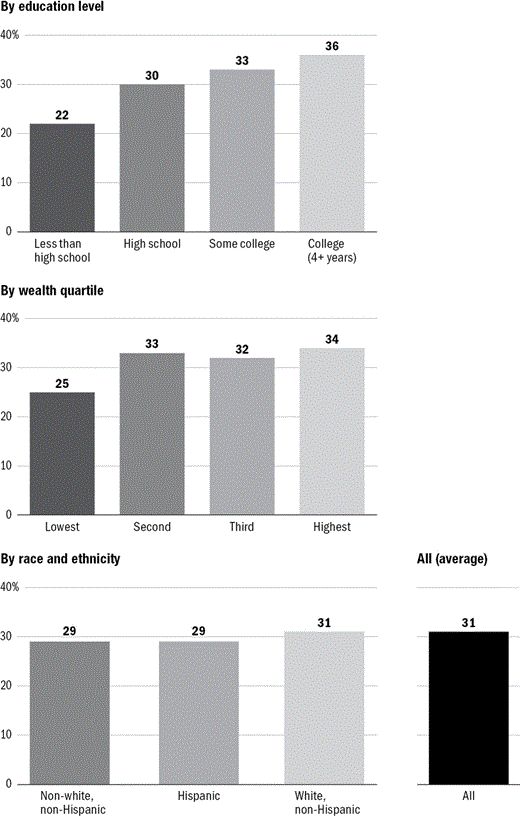
How Caregiving for Parents Reduces Women’s Employment: Patterns across Sociodemographic Groups
AbstractAbstract: This chapter examines the social patterns of elder caregiving among women ages 50 and older in the United States. We find that women who
Dementia Care, Women's Health, and Gender Equity: The Value of Well-Timed Caregiver Support
This Viewpoint discusses gender inequity among caregiving for individuals with dementia and its effects on women’s health.

Dementia Care, Women’s Health, and Gender Equity
This Viewpoint discusses gender inequity among caregiving for individuals with dementia and its effects on women’s health.
Paternity leave isn’t closing the gender pay gap
Wider initiatives are needed to change social norms regarding caregiving responsibilities
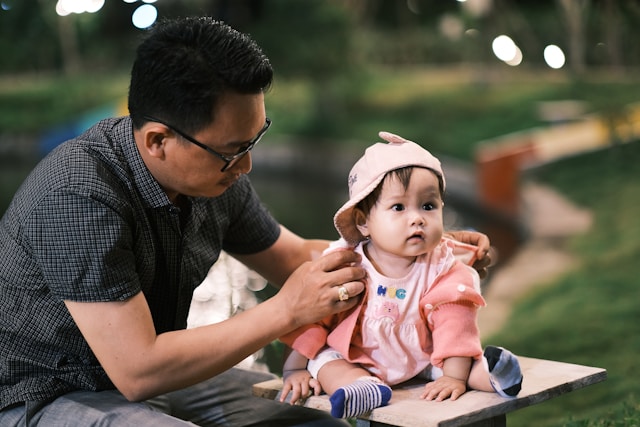
A Comprehensive Measure of the Costs of Caring For a Parent
Providing unpaid care for an older parent has costs that go well beyond a caregiver’s lost wages. A new estimate suggests that the median direct and indirect costs of caregiving are $180,000…

How Couples Share "Cognitive Labor" and Why it Matters - Behavioral Scientist
Cognitive labor is unevenly distributed between men and women in households. New research shows there’s nuance to this breakdown, with implications for how we address gender equality across society.

Ten fathers took extended leave to care for their babies – how their family life changed
Fathers became more involved in the often invisible domestic work needed to keep family life running smoothly.

Black Women and the Care Agenda | National Partnership for Women & Families
Black women are family caregivers – and they need flexibility and economic supports to make the best decisions for themselves and their families

Experiences of Direct Care Workers and Family Caregivers of Home- and Community-Based Services (HCBS) | KFF
This issue brief presents findings from the focus groups including caregiver characteristics; physical, emotional, and mental caregiving demands of caregiving; their wages, finances, and opportunities for advancement; and what caregivers would like policymakers to know about their work.
How Do U.S. Men and Women Spend Their Time?
Explore how Americans spend their time by gender and across age groups.

That ‘S.N.L.’ Sketch About Sister? It’s More Like Nonfiction.
“Saturday Night Live” exposed a truth about gender roles in caring for aging parents: While many nations have a federal safety net for older adults, the U.S. has sisters.

How are young families coping?
66 votes, 130 comments. Hi lads. Myself and the husband are expecting a baby next year. We live with his parents. How on earth are we meant to manage…
Creating Caring Institutions: Politics, Plurality, and Purpose
How do we know which institutions provide good care? Some scholars argue that the best way to think about care institutions is to model them upon the family or the market. This paper argues, on the...

A growing number of Black boys and young men have stepped into the role of caregiver. Most don’t know or consider themselves “youth caregivers.” They’re just “good” sons and grandchildren. bit.ly/4xCDiAF

Young Black Men and Boys Are Quietly Taking On a Caregiving Crisis Few People See
capitalbnews.org