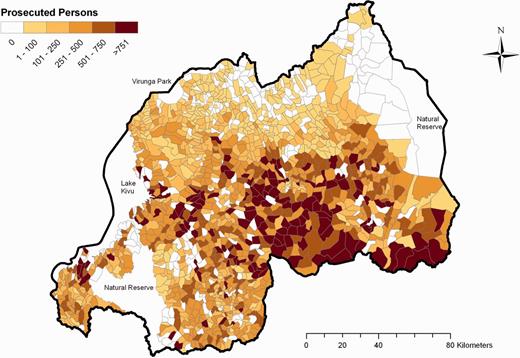
Researchers have long debated how radio broadcasts affected the dynamics of the 1994 genocide in Rwanda, with some arguing that the radio was highly consequential, and others suggesting such effects have been overstated. This article contributes to these debates—as well as to debates regarding the role of old and new media in collective action—by examining whether and how Radio Télévision Libre des Mille Collines (Radio RTLM) coverage was associated with two core aspects of the violence: (1) subnational onset of genocidal violence and (2) participation in genocidal violence across subnational spaces. Drawing on new data on Radio RTLM coverage, we find that areas with coverage were more likely to experience immediate onset of violence. However, our analysis of participation in the genocide—which uses more accurate measures of participation and of radio coverage than prior studies—finds no significant association between Radio RTLM coverage and subnational levels of participation. After illustrating that these results are robust to numerous model specifications, we theorize that information broadcast over the radio’s airways contributed to the creation of a critical mass that initiated genocide in localized spaces. We conclude by considering the importance of understanding the role of media in the subnational onset of violence.
Propaganda and Conflict: Evidence from the Rwandan Genocide *
Abstract This article investigates the role of mass media in times of conflict and state-sponsored mass violence against civilians. We use a unique village-level data set from the Rwandan genocide to estimate the impact of a popular radio station that encouraged violence against the Tutsi minority population. The results show that the broadcasts had a significant effect on participation in killings by both militia groups and ordinary civilians. An estimated 51,000 perpetrators, or approximately 10% of the overall violence, can be attributed to the station. The broadcasts increased militia violence not only directly by influencing behavior in villages with radio reception but also indirectly by increasing participation in neighboring villages. In fact, spillovers are estimated to have caused more militia violence than the direct effects. Thus, the article provides evidence that mass media can affect participation in violence directly due to exposure and indirectly due to social interactions.
Deference, Dissent, and Dispute Resolution: An Experimental Intervention Using Mass Media to Change Norms and Behavior in Rwanda
Deference and dissent strike a delicate balance in any polity. Insufficient deference to authority may incapacitate government, whereas too much may allow leaders to orchestrate mass violence. Although cross-national and cross-temporal variation in deference to authority and willingness to express dissent has long been studied in political science, rarely have scholars studied programs designed to change these aspects of political culture. This study, situated in post-genocide Rwanda, reports a qualitative and quantitative assessment of one such attempt, a radio program aimed at discouraging blind obedience and reliance on direction from authorities and promoting independent thought and collective action in problem solving. Over the course of one year, this radio program or a comparable program dealing with HIV was randomly presented to pairs of communities, including communities of genocide survivors, Twa people, and imprisoned génocidaires. Changes in individual attitudes, perceived community norms, and deliberative behaviors were assessed using closed-ended interviews, focus group discussions, role-play exercises, and unobtrusive measures of collective decision making. Although the radio program had little effect on many kinds of beliefs and attitudes, it had a substantial impact on listeners' willingness to express dissent and the ways they resolved communal problems.
How Does Media Influence Social Norms? Experimental Evidence on the Role of Common Knowledge
How does media influence beliefs, attitudes, and behaviors? While many scholars have studied the effect of media on social and political outcomes, we know surprisingly little about the channels through which this effect operates. I argue that two mechanisms can account for its impact. Media provides new information that persuades individuals to accept it (individual channel), but also, media informs listeners about what others learn, thus facilitating coordination (social channel). Combining a field experiment with a plausibly natural experiment in Mexico, I disentangle these effects analyzing norms surrounding violence against women. I examine the effect of a radio program when it is transmitted privately versus when it is transmitted publicly. I find no evidence supporting the individual mechanism. The social channel, however, increased rejection of violence against women and increased support for gender equality, but unexpectedly increased pessimism about whether violence would decline in the future.
Radio silence: How the defence of Sudan's el-Fasher collapsed after comms blackout
Soldiers who fled the North Darfur city describe how jamming of radios and satellite phones left troops confused and isolated as the RSF attacked

Political Bias in the Media – Evidence from the Universe of French Broadcasts, 2002-2020 | ifo Institute | CESifo
How does the media bias the news? And in particular, how much does it cost owners to ensure that journalists comply with their stance? We compile a unique dataset of journalists and guests appearing on French television and radio shows between 2002 and 2020 to quantify the role played by journalist selection and compliance in political coverage. First, we leverage the movements of thousands of journalists between media outlets, and estimate a model in which the share of coverage for each political group is determined both by journalist and outlet components. We find that outlet-level decisions account for three-fourths of the differences in political coverage; in contrast, journalists’ personal editorial preferences play only a minor role. Second, we examine how journalists respond to a major takeover-induced editorial change. Using a difference-in-differences strategy, we show that while many journalists left in response to the shock, those who stayed largely adapted to the new editorial direction. Notably, exploiting unique data on journalist salaries, we show that this compliance came at nearly no cost for the new owner, reflecting journalists’ low bargaining power in an industry in crisis.

Manufacturing Consent: The Political Economy of the Mass Media
A bold and eye-opening exposé on how power and propaganda distort the news, now more relevant than ever • With an updated introduction“[A] compelling indictment of the news media’s role in covering up errors and deceptions in American foreign policy.”—The New York Times Book Review Renowned scholars Edward S. Herman and Noam Chomsky reveal how U.S. news media, far from being independent watchdogs, often function as tools of elite influence. With probing analysis, they present their Propaganda Model, a framework that explains how systemic bias shapes the stories we’re told, the voices we hear, and the truths that remain hidden.Through deeply researched case studies, from the Vietnam War to coverage of “worthy” vs. “unworthy” victims, Manufacturing Consent exposes the structural forces that drive news organizations to reinforce power rather than question it. It’s a sobering portrait of a media system more interested in maintaining order than informing the public.This edition includes an introduction updating key examples and expanding the Propaganda Model’s relevance to issues like the coverage of NAFTA, the media’s treatment of global protests, and environmental regulation.Manufacturing Consent is a powerful assessment of how propagandistic the U.S. mass media are, how they systematically fail to live up to their self-image as providers of the kind of information that people need to make sense of the world, and how we can understand their function in a radically new way.Whether you’re a student, activist, or citizen looking to see beyond the headlines, this book will transform how you understand the media—and the world around you.

The Situation with NoBlogs (a midweek special featuring Sabot Media and CrimethInc)
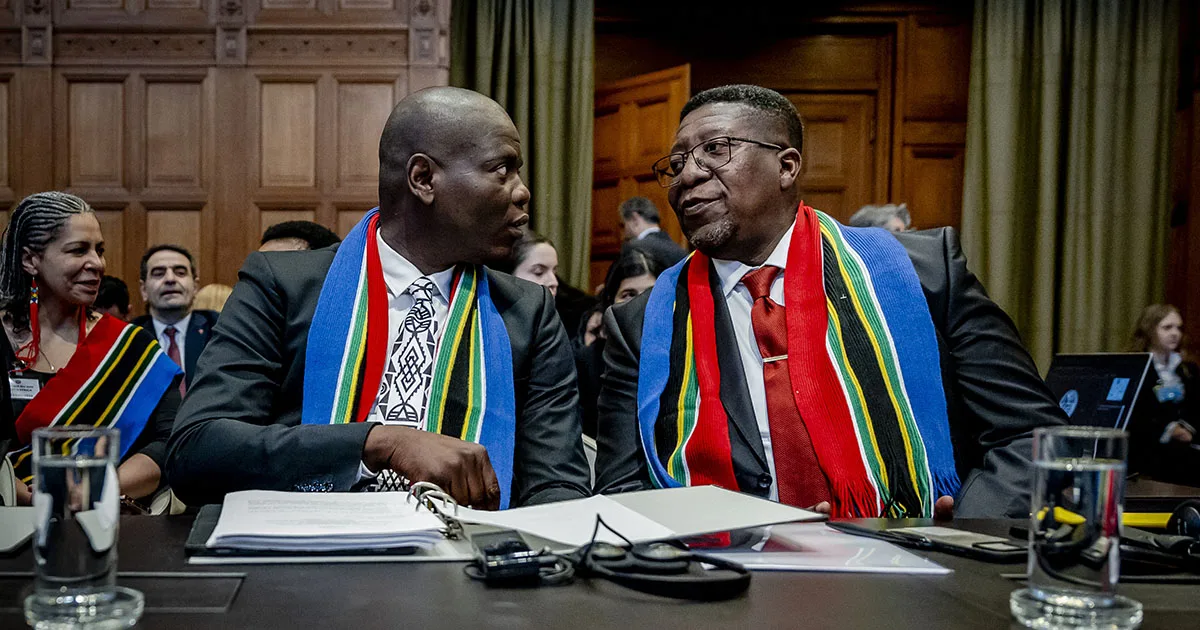
The Charge of Genocide - Dissent Magazine
South Africa’s willingness to file a case with the International Court of Justice is a sign that the old tactics used to police discourse about genocide have lost much of their power.
State Media Monitor Global Dataset 2025
This dataset provides comprehensive information on the governance, funding, and editorial independence of state and public media outlets worldwide. In 2025, the State Media Monitor covers 170 countries, tracking changes in media governance models, funding mechanisms, and degrees of political control. The dataset underpins the annual State Media Monitor Global Study and supports comparative research in journalism, media policy, and governance. Access the full dataset here: https://www.statemediamonitor.com
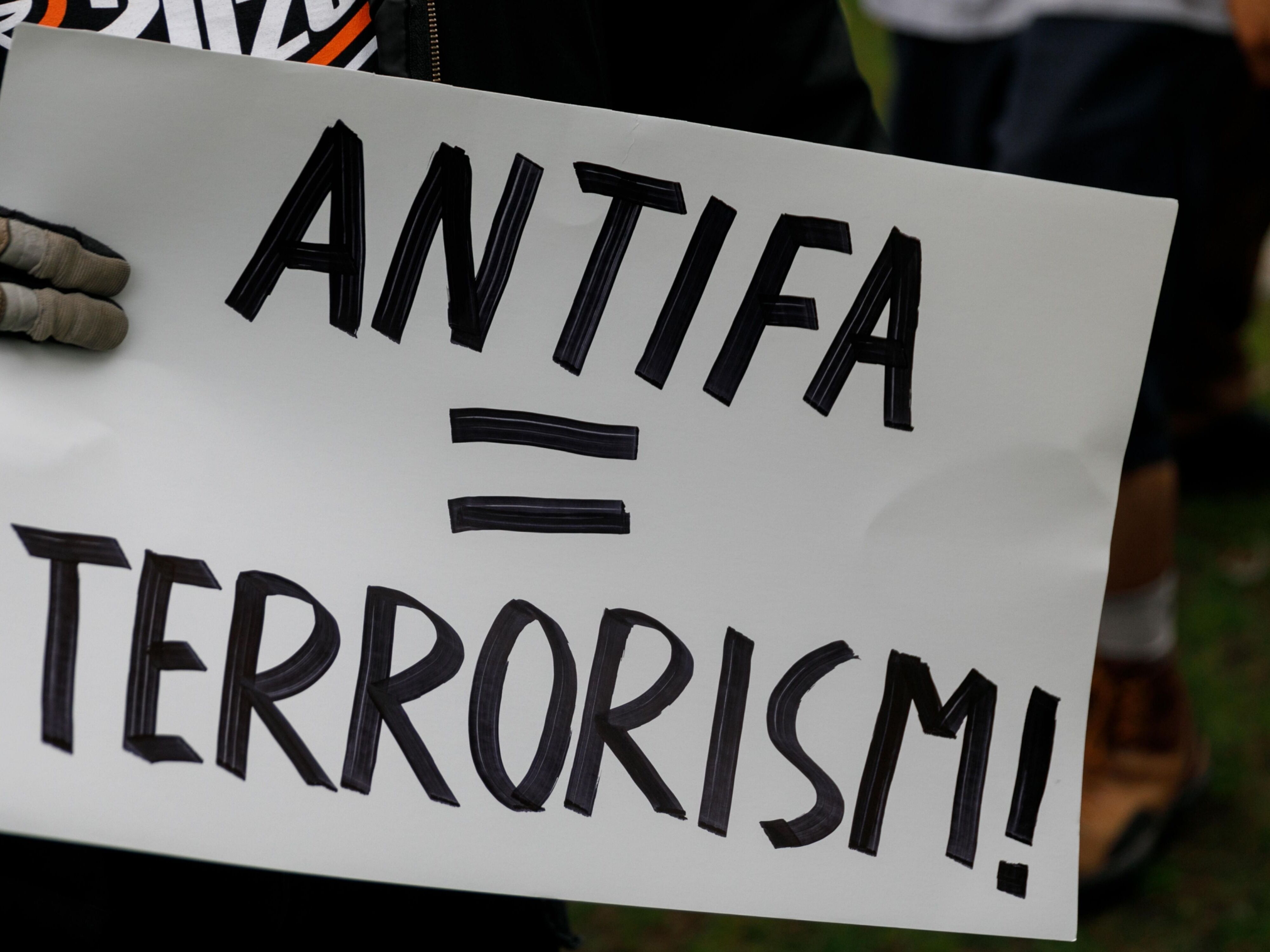
25 years after 9/11, our definition of terrorism continues to expand : Code Switch
In the 25 years since 9/11, we've seen the definition of terrorism expand. The Trump administration has called more and more groups “terrorists,” from “narco-terrorists” in Ecuador to people who protest ICE to the entire Democratic party. This week, our conversation with Saher Selod, an expert on the surveillance of Muslims, about the effects of the war on terror after 9/11, and historian Alex Lubin about how the word “terrorist” has been used to enact violence and surveillance.Support public media with NPR+ and enjoy perks for over 25 podcasts like this one. This show’s perks include sponsor-free listening. Learn more at plus.npr.org.
Content Sharing within the Alternative Media Echo-System: The Case of the White Helmets
In June 2017 our lab began a research project looking at online conversations about the Syria Civil Defence (aka the “White Helmets”). Over…

"Pushed into the Shadows": Evidencing Digital Surveillance Chilling Effects and the Erosion of the Rights to Freedom of Assembly and of Association
SummaryThe United Nations Special Rapporteur on the Rights to Freedom of peaceful assembly and of association, Gina Romero, presents "Pushed into the Shadows: Evidencing digital surveillance chilling effects and the erosion of the rights to freedom of assembly and of association". This Global Study documents the profound impact that pervasive digital monitoring exerts on fundamental public freedoms. Moving beyond traditional privacy-centric narratives, the Study details how contemporary surveillance ecosystems induce serious chilling effects.
The Internet's Meaning Crisis
Parasocial media is a response to excessive irrelevance
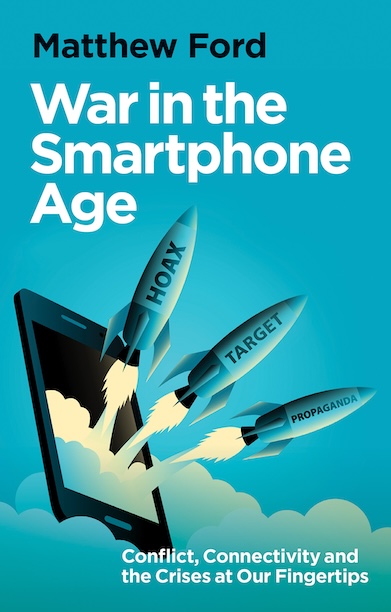
War in the Smartphone Age | Hurst Publishers
An essential guide to understanding war and information on today’s data-saturated battlefields—from Ukraine to Gaza and beyond.
Home - Black Press Media
Truth MattersClarity MattersCommunity MattersPowered by more than 200 Journalists Any Time. Any Place. Any Device. We are dedicated to serving more than 80 communities across Canada and North America with credible and hyperlocal journalism, brought to our readers by passionate journalists who live where they work. Black Press Media is a catalyst for informed engagement […]
Growing use of deadly drones by Colombian militants terrifies residents
Social media videos verified by NBC News show groups using drones for surveillance, intimidation and bombing campaigns.