


Two field experiments evaluate a nationwide Facebook malaria prevention campaign in India, finding effects concentrated in urban, more advantaged populations. , This study evaluates a nationwide malaria prevention campaign delivered through social media in India using a district-level cluster-randomized controlled trial. We combine two survey samples ([Formula: see text]) with administrative health records to assess effects on offline malaria-related behaviors and health outcomes. In the survey data, average treatment effects on protective behaviors, care-seeking intentions, and self-reported malaria incidence were small and insignificant. Administrative data similarly showed no detectable effect on overall recorded incidence. Post hoc heterogeneity analysis, however, suggests that detectable effects were concentrated among households with higher socioeconomic status (SES) and in urban areas: For higher-SES households, bednet use increased during the campaign and self-reported malaria incidence declined afterward. In administrative records, monthly malaria incidence in urban areas fell by 6.2 cases per million people, a 33% decline relative to the pretreatment rate. By contrast, estimates for lower-SES households and rural areas, which face higher malaria risk, were small and insignificant. In a second individual-level feed experiment ([Formula: see text]) that made ad delivery and exposure more comparable across SES groups, the ads increased bednet use and timely treatment-seeking intentions, with no detectable differences by SES. These patterns are consistent with delivery frictions contributing to the campaign’s limited average impact, highlighting the importance of better targeting and measurement in social media public health campaigns. History: Catherine Tucker served as the senior editor. Funding: This research has received funds from the World Bank’s Development Impact Department (DIME) and Facebook’s Campaigns for a Healthier World initiative. Supplemental Material: The online appendices and data files are available at https://doi.org/10.1287/mksc.2024.0929 .
Impact of the COVID-19 pandemic on social media
Social media became an important platform for interaction during the COVID-19 pandemic, coinciding with the onset of social distancing. According to a study conducted by Facebook's analytics department, messaging rates rose by over 50% during this period. Individuals confined to their homes utilized social media not only to maintain social connections but also as a source of entertainment to alleviate boredom. Concerns arose regarding the overreliance on social media for primary social interactions, particularly given the constraints imposed by the pandemic.

Associations between social media use and loneliness in a cross-national population: do motives for social media use matter?
Background: We aimed to examine the association between social media use and loneliness two years after the COVID-19 pandemic outbreak. Methods: Participants were 1649 adults who completed a cross-...
Avoidable mortality, risk factors and policies for tackling noncommunicable diseases – leveraging data for impact: monitoring commitments in the WHO European Region ahead of the Fourth United Nations High-Level Meeting
The report notes that, in order to tackle NCDs and address the commercial, social, environmental and digital determinants of health, there is a need for accelerated multisectoral whole-of-government and whole-of-society action, integrated policies, enhanced preventive measures and strengthened health systems.

Associations between social media use and loneliness in a cross-national population: do motives for social media use matter?
Background: We aimed to examine the association between social media use and loneliness two years after the COVID-19 pandemic outbreak. Methods: Participants were 1649 adults who completed a cross-sectional online survey disseminated openly in Norway, United Kingdom, USA, and Australia between November 2021 and January 2022. Linear regressions examined time spent on social media and participants’ characteristics on loneliness, and interactions by motives for social media use. Results: Participants who worried more about their health and were younger, not employed, and without a spouse or partner reported higher levels of loneliness compared to their counterparts. More time spent on social media was associated with more loneliness (β = 0.12, p < 0.001). Three profile groups emerged for social media use motives: 1) social media use motive ratings on avoiding difficult feelings higher or the same as for maintaining contact; 2) slightly higher ratings for maintaining contact; and 3) substantially higher ratings for maintaining contact. Time spent on social media was significant only in motive profile groups 2 and 3 (β = 0.12 and β = 0.14, both p < 0.01). Conclusions: Our findings suggest that people who use social media for the motive of maintaining their relationships feel lonelier than those who spend the same amount of time on social media for other reasons. While social media may facilitate social contact to a degree, they may not facilitate the type of contact sought by those who use social media primarily for this reason.

I've Been Writing About AI for Two Years. I Was Looking at the Wrong Part of the World.
There is an app in Lagos that can tell you whether your malaria medication is real or counterfeit.

Estimating the association between Facebook adoption and well-being in 72 countries
Social media's potential effects on well-being have received considerable research interest, but much of past work is hampered by an exclusive focus on demographics in the Global North and inaccurate self-reports of social media engagement. We describe associations linking 72 countries' Facebook adoption to the well-being of 946 798 individuals from 2008 to 2019. We found no evidence suggesting that the global penetration of social media is associated with widespread psychological harm: Facebook adoption predicted life satisfaction and positive experiences positively, and negative experiences negatively, both between countries and within countries over time. Nevertheless, the observed associations were small and did not reach a conventional 97.5% one-sided credibility threshold in all cases. Facebook adoption predicted aspects of well-being more positively for younger individuals, but country-specific results were mixed. To move beyond studying aggregates and to better understand social media's roles in people's lives, and their potential causal effects, we need more transparent collaborative research between independent scientists and the technology industry.

Digital inequality in communication during a time of physical distancing: The case of COVID-19
In times of physical distancing, such as during the COVID-19 pandemic, people are likely to turn to digital communication to replace in-person interactions. Yet, persisting digital inequality suggests that not everyone will be equally able or disposed to increasing digital communication during a public health crisis. Using survey data from a national sample of U.S. participants (N = 2,925) that we collected during the early months of the pandemic, we analyzed how sociodemographics, living arrangements, and Internet experiences and skills relate to increases and decreases in various digital communication methods. We find that people privileged in their socioeconomic status, their Internet skills and online experiences are more likely to increase and less likely to decrease digital communication during the pandemic. The findings illustrate how digital inequalities can put already disadvantaged groups at greater risk of diminished social contact during a public health crisis. We discuss the theoretical implications of our findings for digital inequality research, the practical implications for inclusive crisis responses, and directions for future research.

Sickness absence associated with shared and open-plan offices--a national cross sectional questionnaire survey
OBJECTIVE: The aim of this study was to examine whether shared and open-plan offices are associated with more days of sickness absence than cellular offices. METHODS: The analysis was based on a national survey of Danish inhabitants between 18-59 years of age (response rate 62%), and the study population consisted of the 2403 employees that reported working in offices. The different types of offices were characterized according to self-reported number of occupants in the space. The log-linear Poisson model was used to model the number of self-reported sickness absence days depending on the type of office; the analysis was adjusted for age, gender, socioeconomic status, body mass index, alcohol consumption, smoking habits, and physical activity during leisure time. RESULTS: Sickness absence was significantly related to having a greater number of occupants in the office (P<0.001) when adjusting for confounders. Compared to cellular offices, occupants in 2-person offices had 50% more days of sickness absence [rate ratio (RR) 1.50, 95% confidence interval (95% CI) 1.13-1.98], occupants in 3-6-person offices had 36% more days of sickness absence (RR 1.36, 95% CI 1.08-1.73), and occupants in open-plan offices (>6 persons) had 62% more days of sickness absence (RR 1.62, 95% CI 1.30-2.02). CONCLUSION: Occupants sharing an office and occupants in open-plan offices (>6 occupants) had significantly more days of sickness absence than occupants in cellular offices.
Debug Project
Bad mosquitoes spread disease. Good mosquitoes stop them. We're using technology to raise and release good mosquitoes.

Government requests for Facebook user data continue to increase worldwide | TechCrunch
Facebook continues to see increased requests for user data from governments worldwide, according to its latest transparency report. The social network

Opposition in Japan to the Olympics during the COVID-19 pandemic
Little is known about the responses of citizens toward sporting mega-events held during a period of extended disasters, such as the 2020 Olympics held during the COVID-19 pandemic. This study aims to clarify the factors affecting citizens’ attitudes by testing the following hypotheses: the perception of high cost, the burden on medical institutions, and high risk of infectious disease spread negatively affect attitudes, while the perception of pandemic countermeasures, economic benefits, and athletes positively affect attitudes. Based on an online survey of 800 citizens before the 2020 Olympics, the hypotheses were tested using logistic regression models with the extracted factors as the explanatory variables and the attitude toward the Olympics as the objective variable. The test results confirm the factors lineated by the hypotheses, except for the perception of high cost. The fear of a healthcare system collapse from the medical burden of dealing with an outbreak has an especially strong negative effect on the attitude toward the Olympics. These results have important implications for city governments and municipalities and suggest that they should not underestimate citizens’ perceptions and attitudes when organizing mega-events and formulating proper communication. Further, the results may offer insights for the smooth strategic planning of large-scale events during unprecedented disasters.
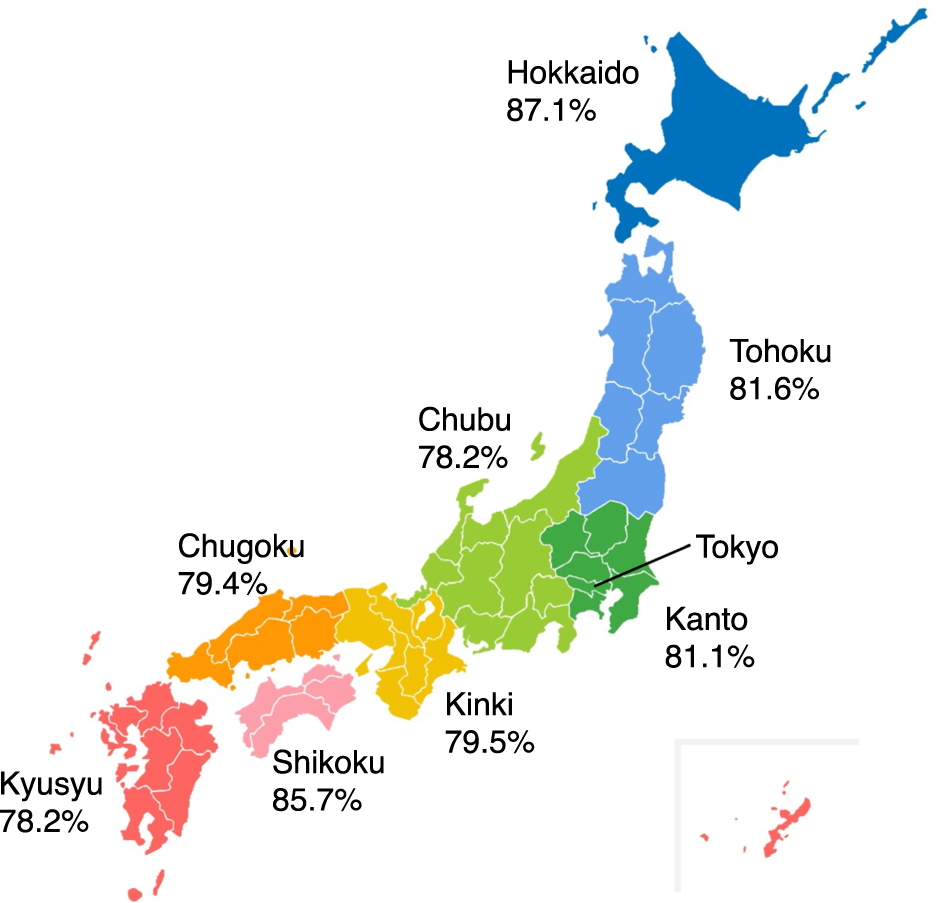
Opposition in Japan to the Olympics during the COVID-19 pandemic
Little is known about the responses of citizens toward sporting mega-events held during a period of extended disasters, such as the 2020 Olympics held during the COVID-19 pandemic. This study aims to clarify the factors affecting citizens’ attitudes by testing the following hypotheses: the perception of high cost, the burden on medical institutions, and high risk of infectious disease spread negatively affect attitudes, while the perception of pandemic countermeasures, economic benefits, and athletes positively affect attitudes. Based on an online survey of 800 citizens before the 2020 Olympics, the hypotheses were tested using logistic regression models with the extracted factors as the explanatory variables and the attitude toward the Olympics as the objective variable. The test results confirm the factors lineated by the hypotheses, except for the perception of high cost. The fear of a healthcare system collapse from the medical burden of dealing with an outbreak has an especially strong negative effect on the attitude toward the Olympics. These results have important implications for city governments and municipalities and suggest that they should not underestimate citizens’ perceptions and attitudes when organizing mega-events and formulating proper communication. Further, the results may offer insights for the smooth strategic planning of large-scale events during unprecedented disasters.
Effect of the Tokyo 2020 Summer Olympic Games on COVID-19 incidence in Japan: a synthetic control approach
Background The Tokyo 2020 Summer Olympic Games (23 July–8 August 2021) were held in the middle of Japan’s fifth wave of COVID-19, when the number of cases was on the rise, and coincided with the fourth state of emergency implemented by the host city, Tokyo. Aim This study aimed to assess whether the hosting of the Games was associated with a change in the number of COVID-19 cases in Japan using a synthetic control method. Methods A weighted average of control countries with a variety of predictors was used to estimate the counterfactual trajectory of daily COVID-19 cases per 1 000 000 population in the absence of the Games in Japan. Outcome and predictor data were extracted using official and open sources spanning several countries. The predictors comprise the most recent country-level annual or daily data accessible during the Games, including the stringency of the government’s COVID-19 response, testing capacity and vaccination capacity; human mobility index; electoral democracy index and demographic, socioeconomic, health and weather information. After excluding countries with missing data, 42 countries were ultimately used as control countries. Results The number of observed cases per 1 000 000 population on the last day of the Games was 109.2 (7-day average), which was 115.7% higher than the counterfactual trajectory comprising 51.0 confirmed cases per 1 000 000 population. During the Olympic period (since 23 July), the observed cumulative number of cases was 61.0% higher than the counterfactual trajectory, comprising 143 072 and 89 210 confirmed cases (p=0.023), respectively. The counterfactual trajectory lagged 10 days behind the observed trends. Conclusions Given the increasing likelihood that new emerging infectious diseases will be reported in the future, we believe that the results of this study should serve as a sentinel warning for upcoming mega-events during COVID-19 and future pandemics.