

The Shady Link Between Sunscreen and Your Health
Current guidelines for sun exposure are unhealthy and unscientific, controversial new research suggests—and quite possibly even racist. How did we get it so wrong?

Sunscreen: How to Help Protect Your Skin from the Sun
How you use sunscreens, and what other protective measures you take, make a difference in how well you are able to protect yourself and your family from sunburn, skin cancer, early skin aging and other risks of overexposure to the sun.

Skin Care Ingredient Dictionary | Paula's Choice
Find everything you need to know about the benefits and safety of thousands of skin care and cosmetics ingredients in the world's most well-researched database.
r/SkincareAddiction
The place for all things related to skincare, with a science-based approach.

toucan on Twitter / X
Related: men underrate how much cognitive labor goes into skincare and how sophisticated women are about it. Getting into skincare (identifying unwanted skin conditions and fixing them) is one of the best ways to train empirical science skills. It's a practical science.… https://t.co/CMGPnzXDeB— toucan (@distributionat) September 15, 2025
14 allergens in cosmetics | Allergy Insight
The experience related in The Sun this week of a nut allergic student suffering a severe reaction after using a Nivea lip balm containing sweet almond oil should serve as a reminder that, if you have food allergies, the ingredients in skincare products should be carefully checked too.

Cosmetics - Guidance, Law & Regulations - Food and Drug Administration, Department of Health
List of Ingredients Restricted in Cosmetic Products (amended list shall become effective from 1 October 2027)
Environmental epidemiology in a crossfire
Two tendencies have emerged in environmental epidemiology that hamper the translation of research findings into prevention of environmental hazards. One is the increased focus on highlighting weaknesses of epidemiology research that is clearly meant to explain away the research conclusions and weaken their possible implications for interventions to control environmental hazards. Another is the voluminous amount of information sharing that involves a substantial amount of misinformation, as part of the ongoing infodemic. In this light, the appearance of the catalogue of doubt-raising strategies, indeed the worst practices of scientific inference, is good news. Collected under the auspices of the International Network for Epidemiology in Policy, it serves to illustrate the range of possible (and impossible) forms of critique that may be raised on behalf of vested interests or other groups who for some reason disagree with the epidemiological conclusions. We believe that this systematic list will be useful in our field and help to identify critiques of policy options that are hidden and sometimes suppressed in weighing the epidemiological evidence.
Time for the sun to rise | Paul Stephenson | Offprint
Get Season 1 of the Sunset Chronicles - Omnibus Edition.

Delayed discovery, dissemination, and decisions on intervention in environmental health: a case study on immunotoxicity of perfluorinated alkylate substances
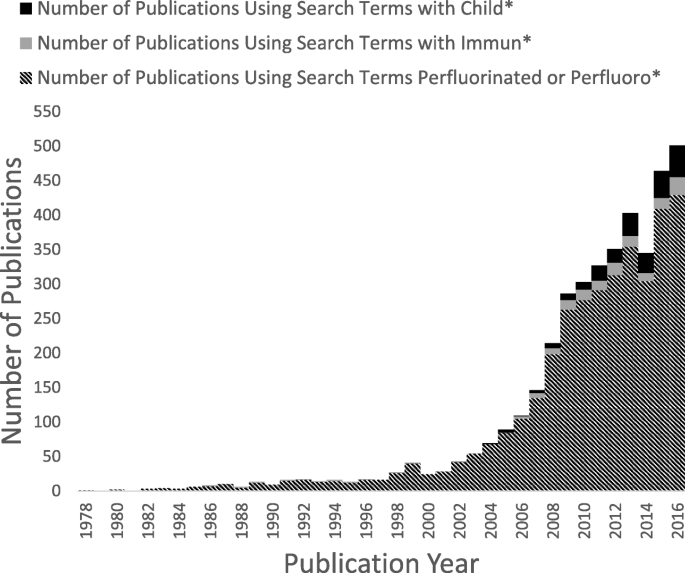
Identification and characterization of environmental hazards that impact human health must rely on the best possible science to inform and inspire appropriate public health intervention. The perfluorinated alkylate substances (PFASs) are persistent emerging pollutants that are now being recognized as important human health hazards. Although the PFASs have been produced for over 60 years, academic research on environmental health aspects has appeared only in the most recent 10 years or so. In the meantime, these persistent chemicals accumulated in the global environment. Some early studies e.g., on population exposures and toxicity, were not released to the public until after year 2000. Still, the first PFAS risk assessments ignored these reports and relied on scant journal publications. The first guidelines and legal limits for PFAS exposure, e.g., from drinking water, were proposed 10 years ago. They have decreased substantially since then, but remain higher than suggested by data on human adverse effects, especially on the immune system, that occur at background exposure levels. By now, the best-known PFASs are being phased out, and related PFASs are being introduced as substitutes. Given the substantial delays in discovery of PFAS toxicity, in dissemination of findings, and in regulatory decisions, PFAS substitutes and other persistent industrial chemicals should be subjected to prior scrutiny before widespread usage.
Emerging questions in exposure, regulation, and remediation of PFAS
My research is highly interdisciplinary and includes exposure and risk analysis. Many of our colleagues have diverse backgrounds and work together to address the interdisciplinary challenges associated with PFAS contamination …I think one of the largest gaps right now is understanding the importance of different exposure pathways for the general population.Given the tremendous physical and mental toll affected communities have experienced due to their exposure to PFAS, there is an unusually strong connection between citizens and scientists, and I hope that bond will strengthen over time.

What I learned by living without artificial light
Linda Geddes decided to live for weeks in only candlelight — no bulbs, no screens. Along the way, she discovered simple things that everyone can try to sleep and feel better.

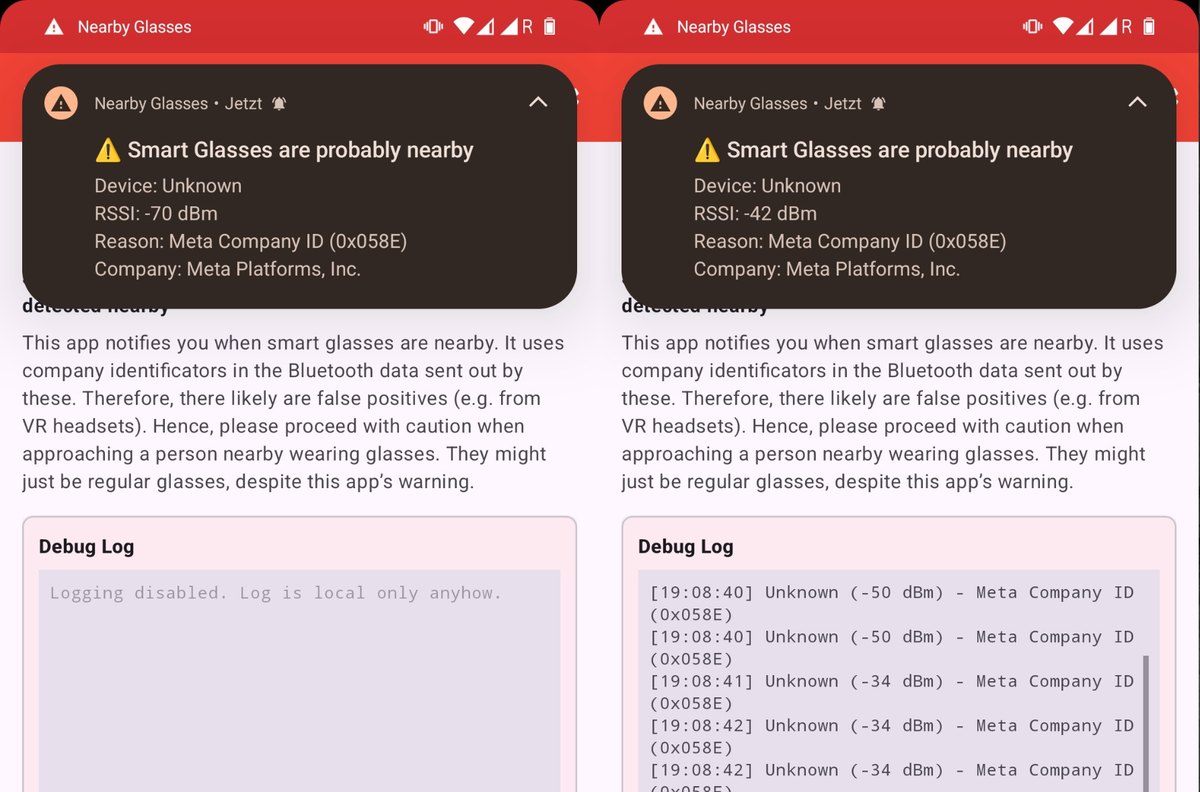
This App Warns You if Someone Is Wearing Smart Glasses Nearby
The creator of Nearby Glasses made the app after reading 404 Media's coverage of how people are using Meta's Ray-Bans smartglasses to film people without their knowledge or consent. “I consider it to be a tiny part of resistance against surveillance tech.”
Regulatory Status of Color Additives
This database lists the status of color additives for use in foods, drugs, cosmetics, and some medical devices in the U.S. The list includes color additives permanently listed and those that once were provisionally listed, but then removed from the list (“delisted”) and are no longer permitted for use. This database will be updated periodically as amendments are made to the color additive regulations.