

Sunscreen: How to Help Protect Your Skin from the Sun
How you use sunscreens, and what other protective measures you take, make a difference in how well you are able to protect yourself and your family from sunburn, skin cancer, early skin aging and other risks of overexposure to the sun.
Skin Care Ingredient Dictionary | Paula's Choice
Find everything you need to know about the benefits and safety of thousands of skin care and cosmetics ingredients in the world's most well-researched database.
r/SkincareAddiction
The place for all things related to skincare, with a science-based approach.

toucan on Twitter / X
Related: men underrate how much cognitive labor goes into skincare and how sophisticated women are about it. Getting into skincare (identifying unwanted skin conditions and fixing them) is one of the best ways to train empirical science skills. It's a practical science.… https://t.co/CMGPnzXDeB— toucan (@distributionat) September 15, 2025
14 allergens in cosmetics | Allergy Insight
The experience related in The Sun this week of a nut allergic student suffering a severe reaction after using a Nivea lip balm containing sweet almond oil should serve as a reminder that, if you have food allergies, the ingredients in skincare products should be carefully checked too.

Cosmetics - Guidance, Law & Regulations - Food and Drug Administration, Department of Health
List of Ingredients Restricted in Cosmetic Products (amended list shall become effective from 1 October 2027)
Time for the sun to rise | Paul Stephenson | Offprint
Get Season 1 of the Sunset Chronicles - Omnibus Edition.

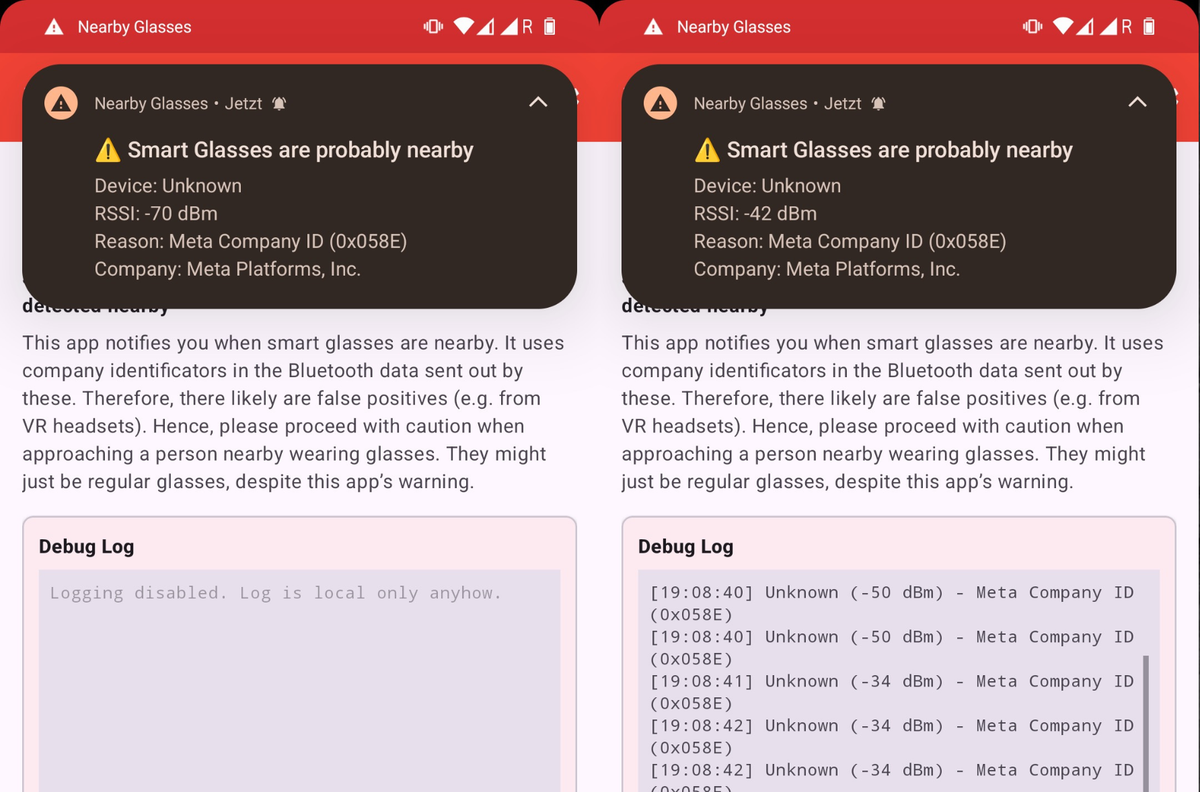
This App Warns You if Someone Is Wearing Smart Glasses Nearby
The creator of Nearby Glasses made the app after reading 404 Media's coverage of how people are using Meta's Ray-Bans smartglasses to film people without their knowledge or consent. “I consider it to be a tiny part of resistance against surveillance tech.”
Regulatory Status of Color Additives
This database lists the status of color additives for use in foods, drugs, cosmetics, and some medical devices in the U.S. The list includes color additives permanently listed and those that once were provisionally listed, but then removed from the list (“delisted”) and are no longer permitted for use. This database will be updated periodically as amendments are made to the color additive regulations.
Everything You Need to Know about Knowledge Distillation
A Blog post by Ksenia Se on Hugging Face

EPIC Urges FTC, States to Block Meta’s Facial Recognition Smart Glasses Plan
<p>EPIC has sent a letter to the Federal Trade Commission and State Attorneys General urging them to quickly investigate and prevent Meta’s plan to add facial recognition and surveillance capabilities to its Ray-Ban Meta glasses. </p>
Too risky for the road but safe for schools? Rethinking smart glasses in the science classroom
This paper critically examines the governance of smart glasses in K-12 science education, using science classrooms as a case through which policy design challenges become visible. We position these wearable technologies not only as tools of pedagogical innovation but as governance challenges requiring regulatory attention. The vendors of smart glasses claim that their devices enhance real-time visualisation, support hands-free inquiry, and personalise activity. Yet, despite increased consumer availability and promotion by vendors, smart glasses are inconsistently specified in Australian school policy, unlike other high-stakes sectors such as transportation where wearable device categories are explicitly regulated. Drawing on a comparative analysis of policy associated with Australia’s K-12 mobile phones and the 2023 Victorian Road Rule Amendments “New Driver Distraction Road Rules”, this study proposes that science education requires similar anticipatory governance. Whereas the road safety framework classifies wearable technologies as potential sources of cognitive distraction and provides a stratified risk profile, device-specific restrictions, and enforcement mechanisms, we illustrate a stark contrast to the comparable provisions analysed in educational policy. This analysis identifies governance-relevant risk categories for staff, students, and schools that are not consistently addressed in the education policy texts examined, and that are difficult to standardise through discretionary, school-level interpretation alone. As such, this paper contributes to global conversations on educational justice, digital governance, and the ethical integration of emerging technologies in education.
the implication is that you also cannot build healthier social media by copying design choices that we know now consistently incentivize people to do this

Anuj Ahooja
You will not change someone's (especially a stranger's) mind by: 1. being rude 2. if you haven't understood the root of why they believe something 3. if you're quoting each other back and forth on a website that limits you to 300 characters per post
