


BackgroundSoy consumption has health benefits, but the relationship between soy and uric acid remains uncertain. This meta-analysis and systematic review evaluated effects of soy intake on plasma uric acid.MethodsPubMed, Embase, CNKI, and the Cochrane Library were searched for studies evaluating the effects of soy, soy products, soy protein, and soy isoflavones on uric acid levels. The primary outcome was serum or plasma uric acid concentration. Study quality was evaluated by the Cochrane Collaboration and SYRCLE risk-of-bias tools.ResultsSeventeen studies were included. Qualitative analysis of three human clinical studies of acute effects revealed that soy consumption increased serum uric acid concentration; however, soy-derived products, including tofu, bean curd cake, and dried bean curd sticks, had no significant effect on serum uric acid. Meta-analysis of five long-term human studies (10 data sets) revealed that soy protein and soy isoflavones had no significant effects on uric acid levels (weighted mean difference [WMD] = −2.11; 95% confidence interval [CI]: −8.78, 4.55; p = 0.53). However, most epidemiological data revealed that soy intake is inversely associated with uric acid levels. Meta-analysis of nine animal trials (29 data sets) revealed that soy protein and soy isoflavones significantly reduced serum uric acid concentrations (vs. controls; MD = −38.02; 95% CI: −50.60, −25.44; p < 0.001). ConclusionSoy and its products have different effects on serum uric acid. Soy products like tofu, bean curd cake, and dried bean curd sticks could be high-quality protein sources for individuals with hyperuricemia or gout. It can be beneficial to nutritionists and health-care decision makers reconsider their conceptions about the relationship between soy and uric acid levels according to latest and further scientific study results.
Inverse association between coffee drinking and serum uric acid concentrations in middle-aged Japanese males
Consumption of caffeine-rich beverages, which have diuretic properties, may decrease serum uric acid concentrations. We examined cross-sectionally the relationship of coffee and green tea consumption to serum uric acid concentrations in 2240 male self-defence officials who received a pre-retirement health examination at four hospitals of the Self-Defence Forces between 1993 and 1994. The mean levels of coffee and green tea consumption were 2·3 and 3·1 cups/d respectively. There was a clear inverse relationship between coffee consumption and serum uric acid concentration. When adjusted for hospital only, those consuming less than one cup of coffee daily had a mean serum uric acid concentration of 60 mg/l, while that of those drinking five or more cups of coffee daily was 56 mg/l (P < 0·0001). No such relationship was observed for green tea, another major dietary source of caffeine in Japan. The relationship between coffee consumption and serum uric acid concentration was independent of age, rank in the Self-Defence Forces, BMI, systolic blood pressure, serum creatinine, serum total cholesterol and serum HDL-cholesterol concentrations, smoking status, alcohol use, beer consumption and intake of dairy products. These findings suggest that coffee drinking may be associated with lower concentrations of serum uric acid, and further studies are needed to confirm the association.
Coffee, tea, and caffeine consumption and serum uric acid level: The third national health and nutrition examination survey
Food Sources of Protein and Risk of Incident Gout in the Singapore Chinese Health Study
Objective Prospective studies evaluating diet in relation to the risk of gout in Asian populations are lacking. The purpose of this study was to examine the relationship between the consumption of d...

Nut intake and hyperuricemia risk in young adults
Objective:The relationship between dietary nut intake and hyperuricemia risk remains unclear. The aim of this study was to investigate the relationship between different nut intake and hyperuricemia risk with a cross-sectional study.Design:A semi-quantitative FFQ was adopted to collect dietary information. Biochemical and anthropometric parameters were measured by standard methods. Multivariate-adjusted logistic regression models were implemented to analyse the relationship between individual nut intake and hyperuricemia risk.Setting:Qingdao University in Shandong Province, China.Participants:During 2018–2019, a total of 14 056 undergraduates (6862 males and 7194 females) aged 15–25 years participated in the study.Results:After adjusting for multiple confounding factors, compared with the lowest quartile, the highest quartile intakes of pine nut (95 % CI (0·51, 0·98)) was significantly associated with 29 % reduction in hyperuricemia risk, the highest quartile intake of walnut (OR = 0·78; 95 % CI (0·58, 1·05)) was marginally negatively associated with hyperuricemia risk.Conclusions:The present study showed that the relationships between intakes of different nuts and hyperuricemia risk were different. Increased dietary intakes of walnut and pine nut are negatively associated with the hyperuricemia.
Purine-Rich Foods, Dairy and Protein Intake, and the Risk of Gout in Men | NEJM
Various purine-rich foods and high protein intake have long been thought to be risk factors for gout. Similarly, the possibility that the consumption of dairy products has a role in protecting agai...

Coffee consumption and risk of incident gout in women: the Nurses’ Health Study123
Background: Coffee is one of the most widely consumed beverages in the world and may affect the risk of gout via various mechanisms, but prospective data on the relation between coffee intake and the risk of incident gout are limited. Design: Over a 26-y period, we prospectively examined the relation between coffee intake and risk of incident gout in 89,433 female participants in the Nurses’ Health Study. We assessed the consumption of coffee, decaffeinated coffee, tea, and total caffeine in participants every 2–4 y through validated questionnaires. We used a supplementary questionnaire to ascertain whether participants met the survey criteria of the American College of Rheumatology for gout. Results: During the 26 y of follow-up, we documented 896 confirmed incident cases of gout. There was an inverse association between higher coffee intake and the risk of gout. The multivariate relative risks (RRs) for incident gout according to coffee-consumption categories [ie, 0, 1–237, 238–947, and ≥948 mL coffee/d (237 mL = one 8-ounce cup)] were 1.00, 0.97, 0.78 (95% CI: 0.64, 0.95), and 0.43 (95% CI: 0.30, 0.61; P for trend < 0.0001), respectively. For decaffeinated coffee, the multivariate RRs according to consumption categories (0, 1–237, and ≥237 mL decaffeinated coffee/d) were 1.00, 1.02, and 0.77 (95% CI: 0.63, 0.95; P for trend = 0.02), respectively. There was an inverse association between total caffeine from all sources and the risk of gout; the multivariate RR of the highest quintile compared with the lowest quintile was 0.52 (95% CI: 0.41, 0.68; P for trend
Coffee consumption and risk of incident gout in men: A prospective study
Objective Coffee is one of the most widely consumed beverages in the world and may affect the risk of gout via various mechanisms. We prospectively evaluated the relationship between coffee intake a...

U.S. Montmorency Tart Cherry Juice Decreases Bone Resorption in Women Aged 65–80 Years
Pre-clinical studies have demonstrated that tart cherries, rich in hydroxycinnamic acids and anthocyanins, protect against age-related and inflammation-induced bone loss. This study examined how daily consumption of Montmorency tart cherry juice (TC) alters biomarkers of bone metabolism in older women. Healthy women, aged 65–80 years (n = 27), were randomly assigned to consume ~240 mL (8 fl. oz.) of juice once (TC1X) or twice (TC2X) per day for 90 d. Dual-energy x-ray absorptiometry (DXA) scans were performed to determine bone density at baseline, and pre- and post-treatment serum biomarkers of bone formation and resorption, vitamin D, inflammation, and oxidative stress were assessed. Irrespective of osteoporosis risk, the bone resorption marker, tartrate resistant acid phosphatase type 5b, was significantly reduced with the TC2X dose compared to baseline, but not with the TC1X dose. In terms of indicators of bone formation and turnover, neither serum bone-specific alkaline phosphatase nor osteocalcin were altered. No changes in thiobarbituric acid reactive substances or high sensitivity C-reactive protein were observed in response to either TC1X or TC2X. We conclude that short-term supplementation with the higher dose of tart cherry juice decreased bone resorption from baseline without altering bone formation and turnover biomarkers in this cohort.

Eating peanuts not related to gout, says expert
People suffering from gout need not stop eating peanut and legumes after all.

A contributory citizen science project reveals the impact of dietary keys to microbiome health in Spain
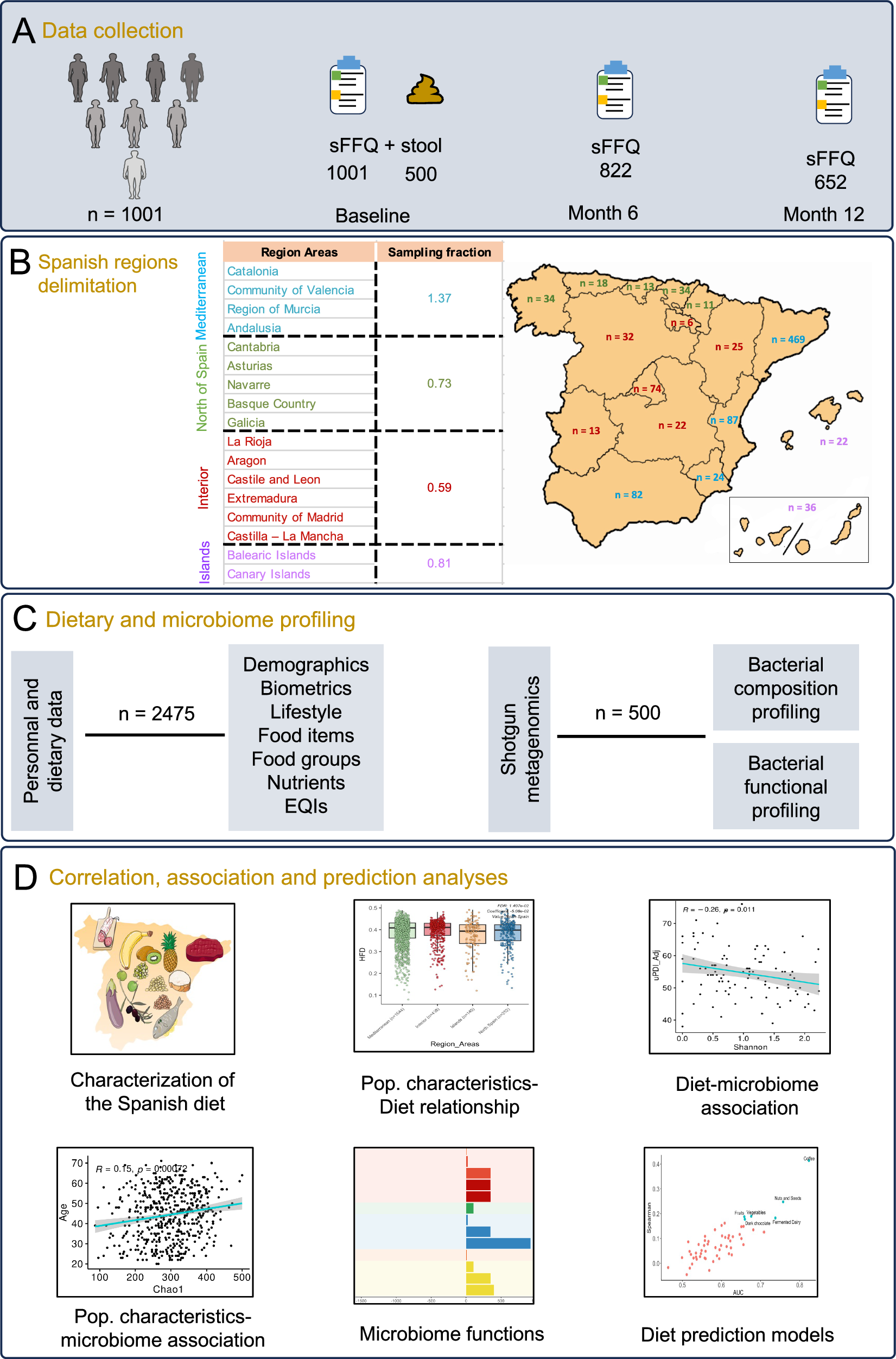
Low consumption of whole grains, fruits, and vegetables has been identified as dietary risks for non-communicable diseases such as inflammatory bowel diseases (IBDs). We explore how individual and lifestyle factors influence these risks by shaping gut microbiome composition. 1001 healthy participants from all Spanish regions provided personal and dietary data at baseline, six, and twelve months, yielding 2475 responses. Gut microbiome data were analyzed for 500 healthy participants and 321 IBD patients. Our findings reveal that adherence to national dietary guidelines—characterized by diets rich in nuts, seeds, fruits, and vegetables—was associated with greater microbial diversity and reduced IBD-related dysbiosis. Finally, we observed variations in dietary patterns and microbiome diversity and composition across age groups, genders, regions, seasons, and transit time. This study is among the first to uncover dietary intake associated with IBD-related dysbiosis and to propose an interactive website for participants (https://manichanh.vhir.org/POP/en).
Dried Plum’s Polyphenolic Compounds and Carbohydrates Contribute to Its Osteoprotective Effects and Exhibit Prebiotic Activity in Estrogen Deficient C57BL/6 Mice
Evidence of dried plum’s benefits on bone continues to emerge. This study investigated the contribution of the fruit’s polyphenol (PP) and carbohydrate (CHO) components on a bone model of postmenopausal osteoporosis to explore their prebiotic activity. Osteopenic ovariectomized mice were fed diets supplemented with dried plum, a crude extract of dried plum’s polyphenolic compounds, or the PP or CHO fraction of the crude extract. The effects of treatments on the bone phenotype were assessed at 5 and 10 weeks as well as the prebiotic activity of the different components of dried plum. Both the CHO and PP fractions of the extract contributed to the effects on bone with the CHO suppressing bone formation and resorption, and the PP temporally down-regulating formation. The PP and CHO components also altered the gut microbiota and cecal short chain fatty acids. These findings demonstrate that the CHO as well as the PP components of dried plum have potential prebiotic activity, but they have differential roles in mediating the alterations in bone formation and resorption that protect bone in estrogen deficiency.
Acute Effects of Coffee Consumption on Health among Ambulatory Adults
Coffee is one of the most commonly consumed beverages in the world, but the acute health effects of coffee consumption remain uncertain. We conducted a prospective, randomized, case-crossover trial...

Incident gout and weight change patterns: a retrospective cohort study of US adults
Although the relationship between obesity and incident gout has been clarified, the influence of weight changes during the transition from early adulthood to midlife and the different weight change patterns in specific age ranges on the incidence of gout in later life remain unknown. Therefore, we aimed to investigate the association between weight change patterns across adulthood and incident gout.

Prebiotics Enhance Magnesium Absorption and Inulin‐based Fibers Exert Chronic Effects on Calcium Utilization in a Postmenopausal Rodent Model
Abstract: Age‐related changes in calcium metabolism play a role in the development of osteoporosis. A 4‐wk feeding study was conducted in 5‐mo‐old ovariectomized (OVX) Sprague‐Dawley rats to assess the effect of various dietary fibers on mineral metabolism and bone health parameters. There were 6 treatment groups: sham‐Control, OVX‐Control, OVX rats receiving daily estradiol (E 2 ) injections, and OVX rats receiving an AIN‐93M diet supplement with either an inulin‐based fiber (Synergy1® or Fruitafit HD®) or a novel fiber (polydextrose) at 5% wt. of diet. Calcium and magnesium metabolic balances were performed after early (3 d) and late exposure (4 wk) to dietary treatments. Rats receiving polydextrose had significantly higher net calcium absorption efficiency and retention than all control groups and a trend ( P ≤ 0.10) for higher calcium absorption when compared to inulin‐based fibers after early exposure but the advantage did not persist over long‐term exposure. The inulin‐based fibers had positive chronic effects on calcium metabolism that were related to changes in the gut, that is, production of short chain fatty acids and higher cecal wall weights. All fibers improved magnesium absorption and retention in early and late metabolic balances; effects on magnesium metabolism were more pronounced than for calcium. Practical Application: Steady growth in US middle‐aged and elderly populations has led to higher incidences of several chronic diseases including osteoporosis, a bone disease that primarily affects postmenopausal women. Recent research suggests that certain dietary fibers (prebiotics) enhance mineral absorption and may impart bone health benefits. This work examines the impact of prebiotic supplementation on mineral metabolism and bone health using a postmenopausal rat model. Study findings will aid future investigations in ascertaining the factors related to potential bone health benefits of prebiotic which will aid in developing an effective prebiotics food product/supplement that will address the bone health needs of consumers.

Montmorency tart cherry protects against age-related bone loss in female C57BL/6 mice and demonstrates some anabolic effects
Age-related bone loss is a consequence of endocrine and immune changes that disrupt bone remodeling. Functional foods (e.g., tart cherries) with antioxidant, anti-inflammatory and prebiotic activity can potentially counter this age-related phenomenon. The aim of this study was to determine if Montmorency tart cherry protects against early age-related bone loss and the culpable alterations in bone metabolism.

Progesterone and plasma metabolites in women with and in those without premenstrual dysphoric disorder
BACKGROUND: The molecular mechanisms underpinning the progesterone-triggering mood symptoms in women with premenstrual dysphoric disorder (PMDD) are unknown. Cell metabolism is a potential source of variability. Very little is known about the effect of progesterone sensitivity on the metabolome. In this study, we aimed to characterize the effects of progesterone on the global metabolic profile and explore the differences between women with PMDD and controls. METHODS: Plasma was obtained from 12 women with prospectively confirmed PMDD and 25 controls under two hormone conditions: (1) gonadal suppression induced by leuprolide acetate (3.75 mg IM monthly) and (2) add-back phase with leuprolide and progesterone (200 mg twice daily by vaginal suppository). The global metabolic profile was obtained using liquid and gas chromatography followed by mass spectrometry. Differences between groups and time points were tested using repeated measures analysis of variance. The false discovery rate was calculated to account for multiple testing. RESULTS: Amino acids and their derivatives represented 78% (28/36) of the known compounds that were found in significantly lower plasma concentrations after progesterone administration than during gonadal suppression. The concentration of tyrosine was nominally significantly decreased after progesterone add-back in controls, but not in cases (P = 0.02). CONCLUSION: Plasma levels of some amino acids are decreased in response to progesterone. Albeit preliminary, evidence further suggests that progesterone has a different effect on the metabolic profiles of women with PMDD compared to controls. Further research is needed to replicate our findings in a larger sample and to identify the unknown compounds, especially those differentially expressed.
