Perfluroalkyl substances (PFASs) are persistent man-made chemicals considered to be emerging pollutants, with Perfluorooctanoic acid (PFOA), Perfluorooctanesulfonic acid (PFOS), and Perfluorohexanesulphonic acid (PFHxS) being linked to hepatotoxicity and steatosis. PFOA, PFOS, and PFHxS can undergo placental and lactational transfer, which results in PFOA, PFOS, and PFHxS distribution to the neonatal liver. Moreover, in pregnant dams, exposure to a PFAS mixture, in combination with a high fat diet, increased hepatic steatosis in offspring at postnatal day 21, but the mechanisms have not been elucidated. It was hypothesized that gestational/lactational PFAS exposure would alter the pup liver proteome and biochemical/signaling pathways. Timed-pregnant CD-1 dams were fed a standard chow or 60% kcal high-fat diet. From GD1 until PND20, dams were dosed via oral gavage with vehicle (0.5% Tween 20), individual doses of PFOA, PFOS, PFHxS at 1 mg/kg, or a mixture (1 mg/kg each, totaling 3 mg/kg). Livers were collected from PND21 offspring and SWATH-MS proteomics was performed. IPA analysis revealed PFAS exposure modified disease and biological function pathways involved in liver damage, xenobiotics, and lipid regulation in the PND21 liver. These pathways included lipid and fatty acid transport, storage, oxidation, and synthesis, as well as xenobiotic metabolism and transport, and liver damage and inflammation. This indicates the pup liver proteome is altered via maternal exposure and predisposes the pup to metabolic dysfunctions.
Liver and Intestinal Fatty Acid Binding Proteins Are Not Critical for Perfluorooctanesulfonate (PFOS) Tissue Distribution and Elimination in Mice
Abstract. Perfluorooctanesulfonate (PFOS) is a persistent environmental pollutant in the per- and polyfluoroalkyl substances (PFAS) class, known to accumul
MassIVE Dataset Summary
This study aimed to assess PFAS distribution and lung proteome changes in CD-1 offspring after gestational and lactational exposure to PFOS, PFOA, PFHxS, or a PFAS mix. A secondary aim was to evaluate how maternal exposure to a high fat diet (HFD) affected the latter endpoints. Pregnant CD-1 mice received PFOA, PFOS, PFHxS (1 mg/kg), a PFAS mix (1 mg/kg each), or vehicle. Dams were fed standard diet (SD) or high fat diet (HFD), and PFAS were administered from gestation day 1 to postnatal day 20. At PND 21, lung PFAS concentration was measured using LC-MS/MS, and proteomic analysis was conducted. Results from LC-MS/MS analysis showed a significant overall difference in PFOS, PFOA, and PFHxS levels and the treatment groups with PFHxS concentration were significantly higher compared to PFOS and PFOA. Proteomic analysis determined female pups exposed to maternal HFD Mix (Mix HFD female) and PFOS (PFOS HFD female) had the most differentially expressed proteins followed by PFOS SD male, Mix SD female, and Mix SD male. Canonical pathways like EIF2 signaling, mTOR signaling, and mitochondrial dysfunction were differentially modulated. This study provides insights into PFAS distribution, the molecular mechanism, biomarkers on the neonatal lung in animal models following perinatal exposure. [doi:10.25345/C5RN30J7K] [dataset license: CC0 1.0 Universal (CC0 1.0)] Keywords: Lung PFAS Mixture Prenatal exposure
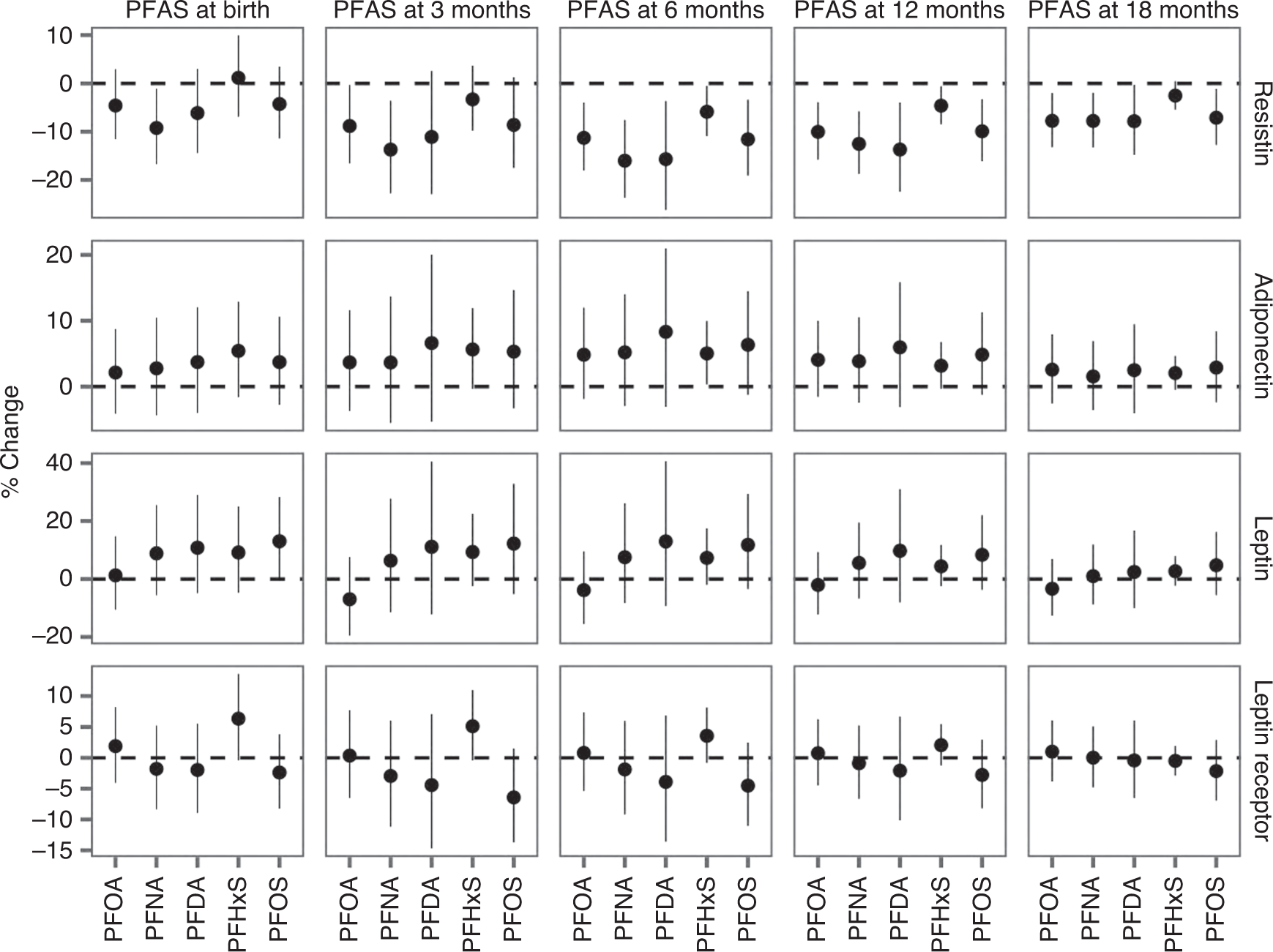
Estimated exposure to perfluoroalkyl substances during infancy and serum-adipokine concentrations in later childhood
Perfluoroalkyl substances (PFASs) are transferred through human milk and may cause elevated exposure during infancy. Given the lack of early postnatal blood samples, PFAS concentrations can be estimated to serve as predictors of subsequent metabolic toxicity.
Unbound Fractions of PFAS in Human and Rodent Tissues: Rat Liver a Suitable Proxy for Evaluating Emerging PFAS?
Abstract. Adverse health effects associated with exposures to perfluoroalkyl and polyfluoroalkyl substances (PFAS) are a concern for public health and are
Can profiles of poly- and Perfluoroalkyl substances (PFASs) in human serum provide information on major exposure sources?
Humans are exposed to poly- and perfluoroalkyl substances (PFASs) from diverse sources and this has been associated with negative health impacts. Advances in analytical methods have enabled routine detection of more than 15 PFASs in human sera, allowing better profiling of PFAS exposures. The composition of PFASs in human sera reflects the complexity of exposure sources but source identification can be confounded by differences in toxicokinetics affecting uptake, distribution, and elimination. Common PFASs, such as perfluorooctanoic acid (PFOA), perfluorooctane sulfonic acid (PFOS) and their precursors are ubiquitous in multiple exposure sources. However, their composition varies among sources, which may impact associated adverse health effects.
Paired Liver:Plasma PFAS Concentration Ratios from Adolescents in the Teen-LABS Study and Derivation of Empirical and Mass Balance Models to Predict and Explain Liver PFAS Accumulation
Abstract. Animal studies have pointed at the liver as a hotspot for per- and polyfluoroalkyl substances (PFAS) accumulation and toxicity; however, these fi

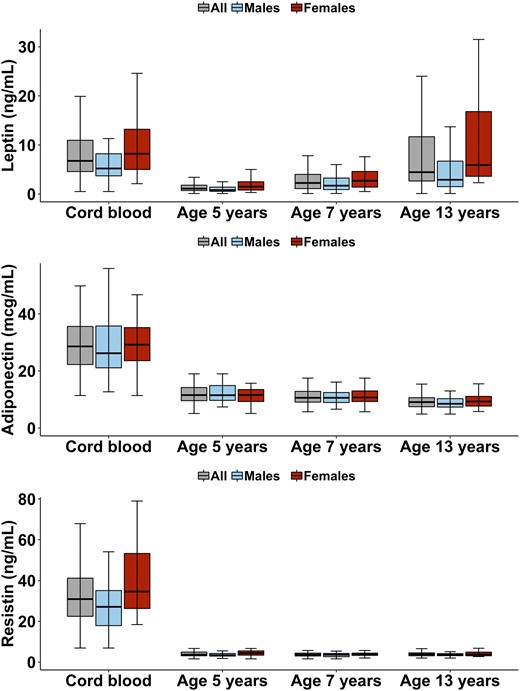
Early Life Exposures to Perfluoroalkyl Substances in Relation to Adipokine Hormone Levels at Birth and During Childhood
Prenatal and early postnatal exposures to perfluoroalkyl substances were associated with decreases in adipokine hormone levels over the childhood period in
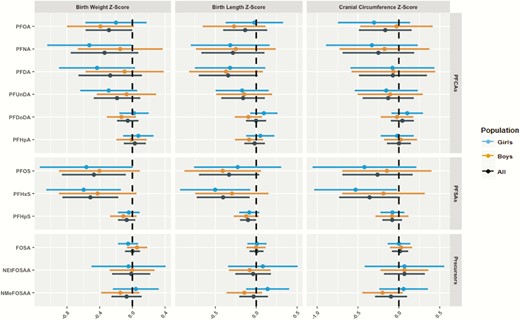
Associations of Exposure to Perfluoroalkyl Substances With Thyroid Hormone Concentrations and Birth Size
AbstractBackground. Adequate thyroid function during pregnancy is essential for optimal fetal growth. Gestational exposure to perfluoroalkyl substances (PF
Understanding Mechanisms of PFAS Absorption, Distribution, and Elimination Using a Physiologically Based Toxicokinetic Model
Abstract. Exposures to some per- and polyfluoroalkyl substances (PFAS), including perfluoroalkyl acids (PFAA), have been associated with diverse adverse he
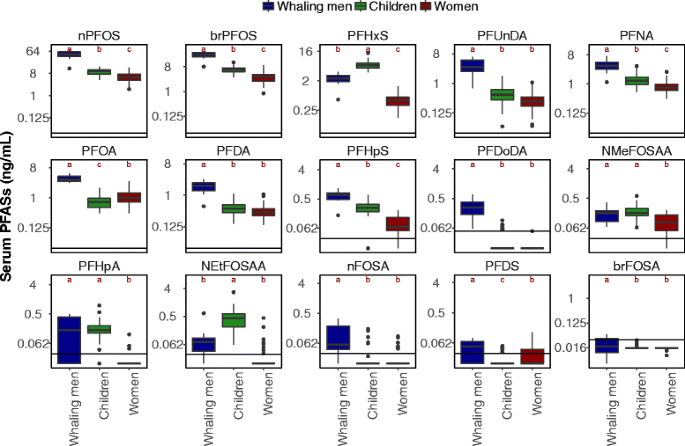
Shifting Global Exposures to Poly- and Perfluoroalkyl Substances (PFASs) Evident in Longitudinal Birth Cohorts from a Seafood-Consuming Population
Abstract. Rapid declines in legacy poly- and perfluoroalkyl substances (PFASs) have been reported in human populations globally following changes in produc
Exposure to per-fluoroalkyl and polyfluoroalkyl substances leads to immunotoxicity: epidemiological and toxicological evidence
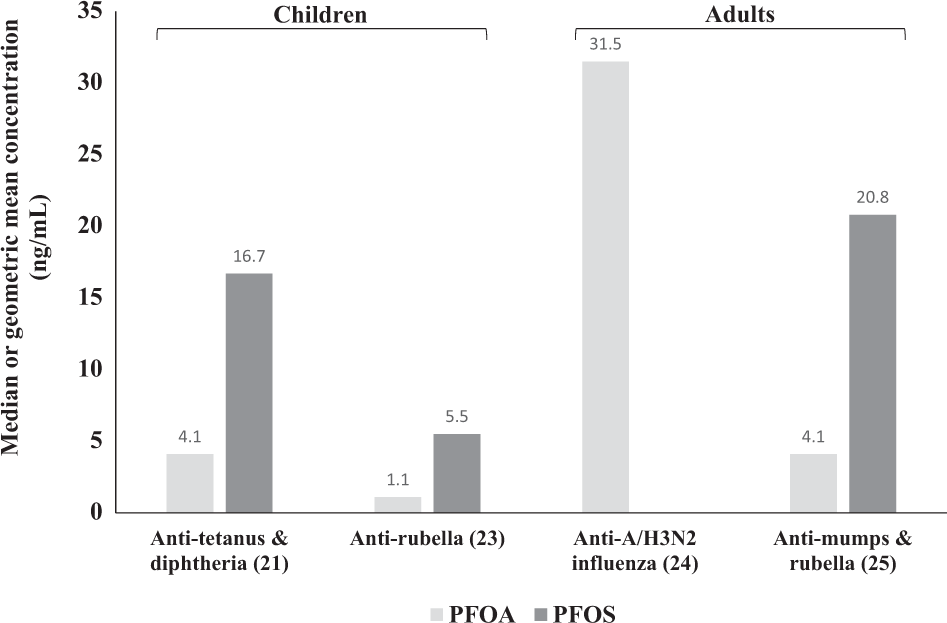
In this perspective, we evaluate key and emerging epidemiological and toxicological data concerning immunotoxicity of perfluorooctanoic acid (PFOA) and perfluorooctane sulfonate (PFOS) and seek to reconcile conflicting conclusions from two reviews published in 2016. We summarize ways that immunosuppression and immunoenhancement are defined and explain how specific outcomes are used to evaluate immunotoxicity in humans and experimental animals. We observe that different approaches to defining immunotoxicological outcomes, particularly those that do not produce clinical disease, may lead to different conclusions from epidemiological and toxicological studies. The fundamental point that we make is that aspects of epidemiological studies considered as limitations can be minimized when data from toxicological studies support epidemiological findings. Taken together, we find that results of epidemiological studies, supported by findings from toxicological studies, provide strong evidence that humans exposed to PFOA and PFOS are at risk for immunosuppression.
Binding of Per- and Polyfluoroalkyl Substances (PFAS) to Serum Proteins: Implications for Toxicokinetics in Humans
Abstract. Per- and polyfluoroalkyl substances (PFAS) are a diverse class of highly persistent anthropogenic chemicals that are detectable in the serum of m
Weight loss relapse associated with exposure to perfluorinated alkylate substances
Abstract Objective The purpose of this study was to test the hypothesis that perfluorinated alkylate substance (PFAS) exposures are associated with body weight increases in a dietary intervention study. Methods In the DioGenes trial, adults with obesity first lost at least 8% of their body weight and then completed at least 26 weeks on a specific diet. Concentrations of five major PFASs were assessed in plasma samples from study baseline. Results In 381 participants with complete data, plasma concentrations averaged 2.9 ng/mL and 1.0 ng/mL for perfluorooctanoic acid (PFOA) and perfluorohexanesulfonic acid (PFHxS), respectively. A doubling in plasma PFOA was associated with an increase in weight at 26 weeks by 1.50 kg (95% CI: 0.88–2.11), with an increase of 0.91 kg (95% CI: 0.54–1.27) for PFHxS, independent of diet groups and sex. Associations for other PFASs were in the same direction and significant, although not after adjustment for PFOA and PFHxS. Weight changes associated with elevated PFAS exposures were similar to or larger than average changes ascribed to the different diet groups. Conclusions Elevated plasma concentrations of PFOA and PFHxS were associated with increased weight gain that exceeded those related to the diets. Obesogenic PFASs may cause weight gain and thus contribute to the obesity pandemic.

Occurrence of Major Perfluorinated Alkylate Substances in Human Blood and Target Organs
Abstract. Human exposure to perfluorinated alkylate substances (PFASs) is usually assessed from the concentrations in serum or plasma, assuming one-compart

Benchmark dose calculations for PFAS exposure based on two data sets on immunotoxic effects
Exposure to perfluorinated alkylate substances (PFAS) is associated with harmful effects on human health, including developmental immunotoxicity. This outcome was chosen as the critical effect by the European Food Safety Authority (EFSA), which calculated a new joint reference dose for four PFAS using a Benchmark Dose (BMD) analysis of a study of 1-year old children. However, the U.S. Environmental Protection Agency (EPA) recently proposed much lower exposure limits.
A review of the pathways of human exposure to poly- and perfluoroalkyl substances (PFASs) and present understanding of health effects
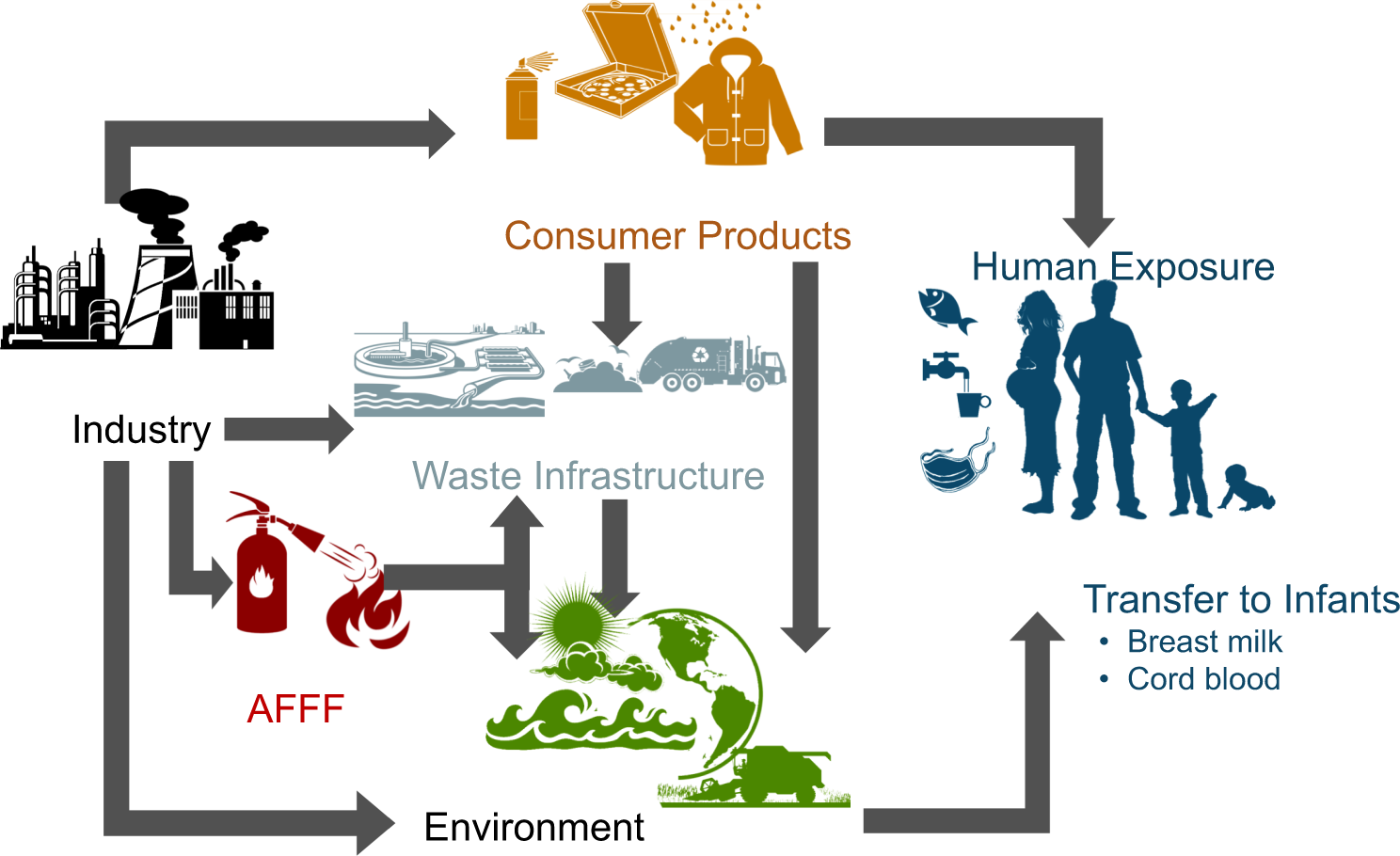
Here, we review present understanding of sources and trends in human exposure to poly- and perfluoroalkyl substances (PFASs) and epidemiologic evidence for impacts on cancer, immune function, metabolic outcomes, and neurodevelopment. More than 4000 PFASs have been manufactured by humans and hundreds have been detected in environmental samples. Direct exposures due to use in products can be quickly phased out by shifts in chemical production but exposures driven by PFAS accumulation in the ocean and marine food chains and contamination of groundwater persist over long timescales. Serum concentrations of legacy PFASs in humans are declining globally but total exposures to newer PFASs and precursor compounds have not been well characterized. Human exposures to legacy PFASs from seafood and drinking water are stable or increasing in many regions, suggesting observed declines reflect phase-outs in legacy PFAS use in consumer products. Many regions globally are continuing to discover PFAS contaminated sites from aqueous film forming foam (AFFF) use, particularly next to airports and military bases. Exposures from food packaging and indoor environments are uncertain due to a rapidly changing chemical landscape where legacy PFASs have been replaced by diverse precursors and custom molecules that are difficult to detect. Multiple studies find significant associations between PFAS exposure and adverse immune outcomes in children. Dyslipidemia is the strongest metabolic outcome associated with PFAS exposure. Evidence for cancer is limited to manufacturing locations with extremely high exposures and insufficient data are available to characterize impacts of PFAS exposures on neurodevelopment. Preliminary evidence suggests significant health effects associated with exposures to emerging PFASs. Lessons learned from legacy PFASs indicate that limited data should not be used as a justification to delay risk mitigation actions for replacement PFASs.