

Como continuación a estudios anteriores sobre la recepción de las Rasā’il Ijwān al-Ṣafā’ en al-Andalus, en este artículo se sostiene que entre los estudiosos andalusíes de la Edad Media era una creencia generalizada considerar al astrónomo Maslama al-Maŷrīṭī (m. 395/1004 o poco después) como el autor no solo de la Rutbat al-ḥakīm y la Gāyat al-ḥakīm – hoy ambas correctamente atribuidas a Maslama Ibn Qasīm al-Qurṭubī (m. 353/964) – sino también de todo el corpus enciclopédico de las Rasā’il. La primera parte del artículo trata de explicar a través de qué serie de sucesivas confusiones estas tres obras llegaron a ser identificadas como los tres escalones de una escalera filosófica y cómo esta trilogía acabó siendo después asignada al científico Maslama al-Maŷrīṭī. La otra parte se centra en dos anotaciones de carácter biográfico que aparecen en las portadas de dos manuscritos de la Rutbat al-ḥakīm, aún inédita. Además de proporcionarnos evidencias adicionales sobre la difusión de esta concepción entre los eruditos medievales, esos documentos también nos ofrecen información interesante y a veces sin igual sobre los dos Maslamas, sus respectivos escritos y seguidores, así como sobre la amplia circulación de las Rasā’il por toda la Península. La edición, traducción y comentario de estas dos anotaciones biográficas son ofrecidas aquí por primera vez.
Magia en al-Andalus: Rasā’il ijwān al-Ṣafā’, Rutbat al-ḥakīm y Gāyat al-ḥakīm (Picatrix)
El artículo analiza la introducción de las Rasā’il ijwān al-Ṣafā’ en al-Andalus y la implicación de esta cuestión en la historia de la ciencia y la filosofía árabes. Más particularmente, se centra en el impacto de la enciclopedia de los Hermanos de la Pureza en dos obras importantes de la literatura de al-Andalus en el campo de las ciencias ocultas: la Rutbat al-ḥakīm y la Gāyat al-ḥakīm. Retoma el tema de la autoría y cronología de estas tres obras, destacando el hecho de que el corpus de las Rasā’il es el resultado final de un proceso de compilación históricamente largo y confirmando, a partir de algunos elementos nuevos, la identificación del autor de la Rutba y de la Gāya con Maslama al-Qurṭubī (m. 964). La comparación textual de estas tres obras y, en particular, el análisis de la Rutba, obra aún inédita, permite identificar a Maslama al-Qurṭubī como el transmisor genuino del corpus ijwāniano a al-Andalus.
“If you want to pray to Mercury, wear the garments of a scribe:” <i>kuttāb</i> , <i>udabāʾ,</i> and readers of the <i>Ghāyat al-Ḥakīm</i> in the court of ʿAbd al-Raḥmān III
This work addresses the question of the intended audience of the Ghāyat al-Ḥakīm, the famous Andalusi treatise on magic, better known by its Latin moniker, Picatrix. I propose that a substantial po...

Remote Origins: Translation, Genealogy, and Alterity in Medieval Castile (1252-circa 1390)
This dissertation analyzes selected examples of thirteenth- and fourteenth-century written culture to show their engagement with the religious alterity of Islam as an integral part of the origins of the kingdom of Castile. Following an interdisciplinary methodology, it addresses how medieval ideas about astrology, geography, history, medicine, race, and religion participated in creating discourses about origins that recognized the intellectual and political authority of al-Andalus. It argues that early Castilian vernacular texts conceptualized the translation of Arabic sources as an instrument for creating, transforming, and superseding the alterity of Islam while recognizing the cultural and political authority of Andalusi traditions. The first chapter serves as an introduction explaining the historical and theoretical framework of the dissertation. To do so, it provides an overview of Castilian ideas about genealogy, historiography, authority, and translatio, and translation. Then, through close reading and ample historicization, chapters two, three, and four analyze the impact of Andalusi textual traditions, cultural practices, and human population in three interrelated fields of medieval science, literature, and history. Chapter 2 explores the political implications of King Alfonso X’s (r. 1252-1284) dedication to the translation of Arabic sciences by focusing on the translation of a treatise of astrology titled Libro de las cruzes (1259). The chapter traces the cultural and political context that accompanied the transmission of the book in al-Andalus alongside the content of its Arabic and Castilian prologues. In light of ideas about the transference of knowledge (translatio studii) shared by Christian and Muslim scholars, I conclude that deployment of a twofold origin in the Libro de las cruzes illustrates the strategies and motivations of Alfonso X’s broader engagement with Arabic sources. The third chapter turns to the early fourteenth-century romance Libro del caballero Zifar with a double focus on its forged origin as a translation from caldeo (Chaldean) and the prominence of cursed lineages. Regarding lineage, the chapter explores the representation of exemplary virtues by the protagonists of the romance as enacting ideas about the transformable character of lineage and the capabilities of the individual to unmake inherited negative traits. Likewise, the textual strategy of the forged translation enables the inclusion of Arabic and Asian referents at the origin of a profoundly Christian text. In chapter 4, literature meets historiography in the analysis of the Crónica de Flores y Blancaflor. Being the result of intertwining a Castilian chronicle—Alfonso X’s Estoria de Espanna—and a French romance, this text narrates the love story between an Andalusi Muslim prince and the daughter of a captive Christian noble. The chapter focuses on Berta, the captive woman, to show the implications of her decision to nurture Flores and Blancaflor with her milk. Considering Christian and Muslim ideas about milk and wet nursing along with the tenets of Castilian historiography, the chapter shows the limits of dominant ideas about dynastic origins among the Christian elites of Castile while evidencing the existence of an alternative discourse that—coming from within Castilian historiography—incorporates maternal and non-Christian kinship as an essential part of the origins and possibilities of the kingdom. A short final chapter serves as a conclusion, suggesting paths for expanding the results of this dissertation within and the thirteenth and fourteenth centuries covered by its contents.
POR QUE EU NÃO FALO DO OMARCHY | Tecnologia e Classe
Marighella: O guerrilheiro que incendiou o mundo
Livro que inspirou o filme dirigido por Wagner Moura. O jornalista Mário Magalhães reconstitui a trepidante trajetória do revolucionário Carlos Marighella, militante do Partido Comunista Brasileiro e fundador da Ação Libertadora Nacional, o maior grupo armado de oposição à ditadura militar (1964-85). A vida de Carlos Marighella (1911-69) foi tão frenética quanto surpreendente. Militante comunista desde a juventude, deputado federal constituinte e fundador do maior grupo armado de oposição à ditadura militar - a Ação Libertadora Nacional -, esse mulato de Salvador era também um profícuo poeta, homem irreverente e brincalhão. Nesta narrativa repleta de revelações, o jornalista Mário Magalhães investiga as várias facetas do biografado. Em ritmo de thriller, reconstitui com realismo desconcertante passagens pela prisão, resistência à tortura, operações de espionagem na Guerra Fria e assaltos da guerrilha a bancos, carros-fortes e trem-pagador. Mas também recupera a célebre prova de física respondida em versos no Ginásio da Bahia e poemas de amor. A controversa vida de Marighella é também uma história dos movimentos radicais e da esquerda no Brasil e no mundo. Coadjuvantes de peso, que tangenciaram a vida do protagonista, povoam estas páginas: Fidel Castro, Getúlio Vargas, Che Guevara, Carlos Lacerda, Stálin, Luiz Carlos Prestes e Carlos Lamarca, além de figuras-chave da cultura, como os escritores Jorge Amado e Graciliano Ramos; os pintores Cândido Portinari e Joan Miró; os dramaturgos Augusto Boal e Dias Gomes; e os cineastas Glauber Rocha, Jean-Luc Godard e Luchino Visconti. Proclamado pela ditadura militar como seu inimigo número um, o guerrilheiro foi morto em uma emboscada policial em São Paulo, na noite de 4 de novembro de 1969. Esta biografia de tirar o fôlego apresenta informações inéditas sobre a trajetória de Marighella e o atribulado e apaixonante tempo em que ele viveu.

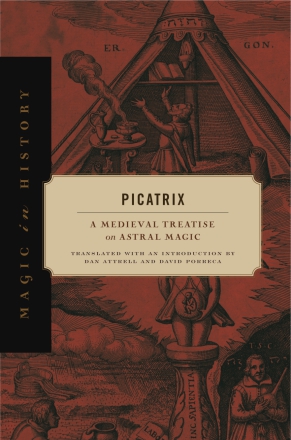
Picatrix: A Medieval Treatise on Astral Magic Translated with an introduction by Dan Attrell and David Porreca
A manual for constructing talismans, mixing magical compounds, summoning planetary spirits, and determining astrological conditions, Picatrix is a cornerstone of Western esotericism. It offers important insights not only into occult practices and beliefs but also into the transmission of magical ideas from antiquity to the present. Dan Attrell and David Porreca’s English translation opens the world of this vital medieval treatise to modern-day scholars and lay readers.
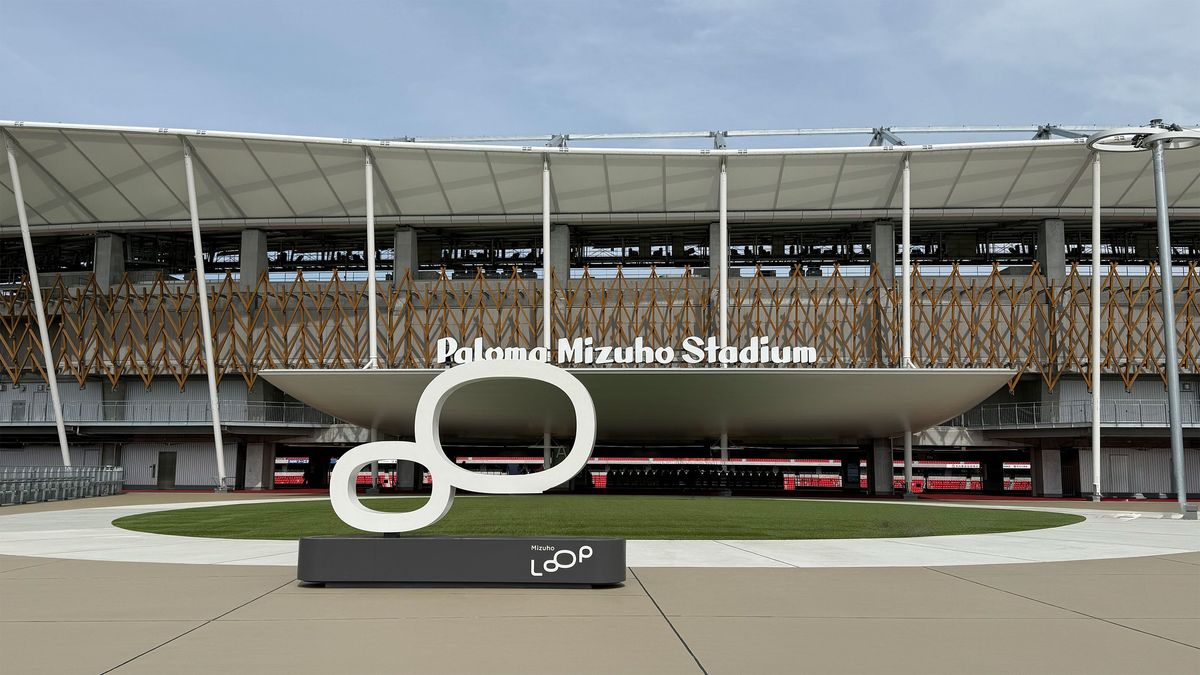
600億円超を節約したはずが、選手は部屋に入れず12時間待ち…「選手村なし」で臨んだ名古屋アジア大会の大誤算
愛知・名古屋アジア大会で、宿泊や輸送の不手際が相次いでいる。経費削減のため選手村を建設せず、ホテルやクルーズ船などに選手団を分散させたが、部屋不足や長時間の待機が発生した。600億円超を削減したという判断は、どこでつまずいたのか。海外メディアの報道から、選手たちの窮状と大会運営の課題をたどる――。
Cada día tienes la posibilidad de romper una versión antigua de ti. #desarrollopersonal
Typothèque Esa le Septantecinq - home -
La typothèque de l’ESA le 75 collecte une série de caractères typographiques libres et gratuits créés par les étudiant·es de l’orientation Graphisme. Chaque année, les BAC 2 s’initient à la création de caractères dans le cadre d’une semaine de workshop animée par Flore Van Ryn et un·e intervenant·e invité·e (Structure Baton, Antoine Gelgon, Étienne Ozeray, Laurent Müller, Mariel Niels). Depuis 2015, les invité·es proposent différentes approches de la lettre dont la diversité des formes de cette typothèque témoigne. Les glyphes sont dessinés collectivement en dehors des éditeurs de fontes avant d’être finalement rassemblés manuellement dans FontForge pour générer les polices. D’autres caractères alimentent cette collection, dessinés cette fois individuellement par des étudiant·es de BAC 3 dans le cadre de leur travail de fin d’étude. Si vous faites usage de ces fontes, merci de créditer les dessinateur·ices et la typothèque afin de les relier au contexte pédagogique de leur création-diffusion. École Supérieure des Arts de l'image le 75 www.leseptantecinq.be
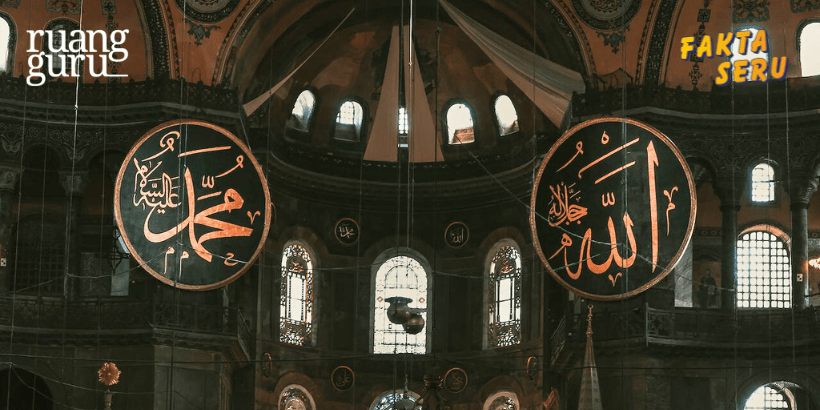
99 Asmaul Husna (Arab, Latin, Arti) beserta Dalil
Asmaul Husna adalah nama-nama baik Allah. Berikut urutan 99 Asmaul Husna dalam Bahasa Arab, Latin, dan artinya, disertai dalil serta manfaat mengimaninya.
Summer Wars Stelbook Blu-ray 4K Ultra HD
Bienvenue dans le monde de OZ : la plateforme communautaire d’Internet. En se connectant depuis un ordinateur, une télévision ou un téléphone, des millions d’avatars alimentent le plus grand réseau social en ligne pour une nouvelle vie, hors des limites de la réalité. Kenji, un lycéen timide et surdoué en mathématiques, effectue un job d’été au service de la maintenance d’OZ. A sa grande surprise, la jolie Natuski, la fille de ses rêves, lui propose de l’accompagner à Nagano, sa ville natale. Il se retrouve alors embarqué pour la fête traditionnelle du clan Jinnouchi. Il comprend bientôt que Natsuki ne l’a invité que pour jouer le rôle du «?futur fiancé?» et faire bonne figure vis-a-vis de sa vénérable arrière-grand-mère. Au même moment, un virus attaque OZ, déclenchant catastrophe sur catastrophe au niveau planétaire. Avec l’aide de Kenji, tout le clan Jinnouchi se lance alors dans une véritable croisade familiale pour sauver le monde virtuel et ses habitants…

L’histoire par les textes - APHG
Antiquité Moyen Âge Période moderne Période contemporaine Thèmes transversaux Historiographie Liens utiles N.B. Les documents portant sur les séquences intermédiaires entre plusieurs ères (antiquité tardive, transition Moyen Âge / première modernité, période révolutionnaire) peuvent se trouver dans les deux pages concernées. Principes du projet et avertissements Pour valoriser et partager ces efforts conséquents, cette page […]
AT Text

Artigos sobre ATProto num geral
atproto annotation/reviews/bookmarks

Experience Localization: What Non-English Communities Actually Need from ATProto - Nightflight
The Everything Account - augment
The Atmosphere, Explained - open self
Payments on Protocol - Nick's Blog
Donations for the Atmosphere - Lettuce
What's new? - Sri's leaflets

Rating all the things | Tynan Is Typing | Tynan is afk til 10/19 ⁂ | Offprint
papers.club
Skyreader Vision - Skyreader Dev Log

NeoDB
Permissioned Data Shapes: Self-Only Bookmarks - Nick's Blog
Rabbithole - Thinking with portals