This paper examines the systemic risks posed by incremental advancements in artificial intelligence, developing the concept of `gradual disempowerment', in contrast to the abrupt takeover...
Gradual Disempowerment: Systemic Existential Risks from...
This paper examines the systemic risks posed by incremental advancements in artificial intelligence, developing the concept of `gradual disempowerment', in contrast to the abrupt takeover...
Gradual disempowerment | 80,000 Hours
The proliferation of advanced AI systems may lead to the gradual disempowerment of humanity, even if efforts to prevent them from becoming power-seeking or scheming are successful. Humanity may be incentivised to hand over increasing amounts of control to AIs, giving them power over the economy, politics, culture, and more. Over time, humanity's interests may be sidelined and our control over the future undermined, potentially constituting an existential catastrophe. There's disagreement over how serious a problem this is and how it relates to [other concerns about AI alignment](https://80000hours.o

Agentic AI and the next intelligence explosion
For decades, the artificial intelligence (AI) “singularity” has been heralded as a single, titanic mind bootstrapping itself to godlike intelligence, consolidating all cognition into a cold silicon point. But this vision is almost certainly wrong in its most fundamental assumption. If AI development follows the path of previous major evolutionary transitions or “intelligence explosions,” our current step-change in computational intelligence will be plural, social, and deeply entangled with its forebears (us!).

People know AI is risky. They just don’t know what to do about it. | TrendLife Blog
New international research from TrendLife reveals a wide gap between AI adoption and awareness of AI-powered threats.
Deterrence with Mutual Assured AI Malfunction (MAIM) — Chapter 4 of Superintelligence Strategy
Chapter 4: Deterrence with Mutual Assured AI Malfunction (MAIM). Rapid advances in AI are beginning to reshape national security. Destabilizing AI developments could rupture the balance of power and raise the odds of great-power conflict, while widespread proliferation of capable AI hackers and virologists would lower barriers for rogue actors to cause catastrophe.

How Generative and Agentic AI Shift Concern from Technical Debt to Cognitive Debt
The term technical debt is often used to refer to the accumulation of design or implementation choices that later make the software harder and more costly to understand, modify, or extend over time...

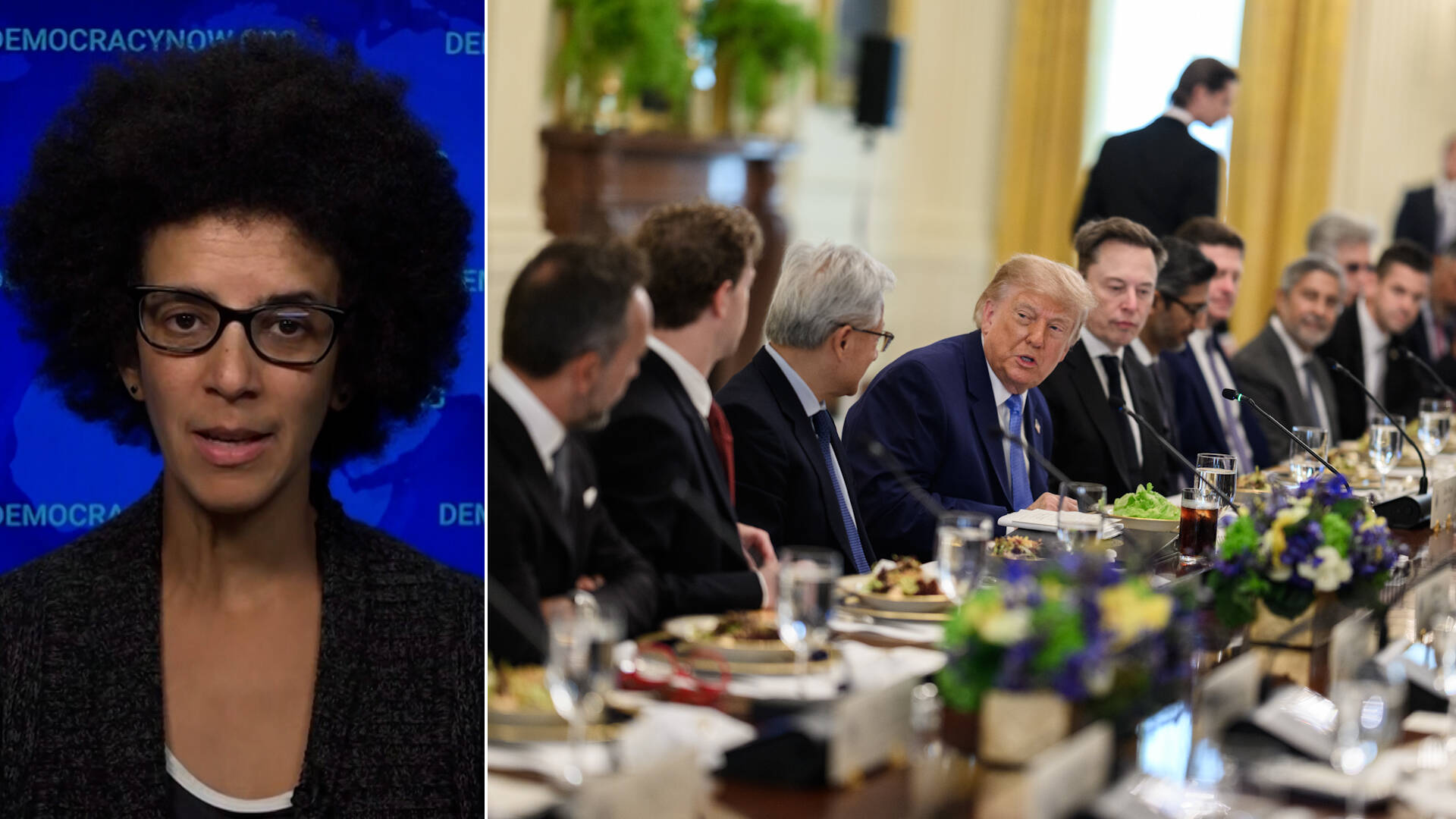
The Real Existential Risk Is AI CEOs Avoiding Oversight: “Alternative Nobel” Winner Timnit Gebru
We speak to the prominent AI researcher and leading critic of the AI industry, Timnit Gebru, who was recently awarded a 2026 Right Livelihood Award for her work investigating the harms and hype behind the global buildup of artificial intelligence. “Instead of discussing faulty, unreliable systems,” Gebru says tech leaders like SpaceXAI’s Elon Musk, OpenAI’s Sam Altman and Anthropic’s Dario Amodei are “marketing their systems as all-knowing, superpowerful, superintelligent,” and lobbying for “self-policing and self-regulation” to avoid being held “liable through existing laws.” Gebru expresses skepticism over increasingly widespread claims that AI algorithms pose an existential risk to humanity, warning that such claims are overblown and that “what is actually happening is regulatory capture.”
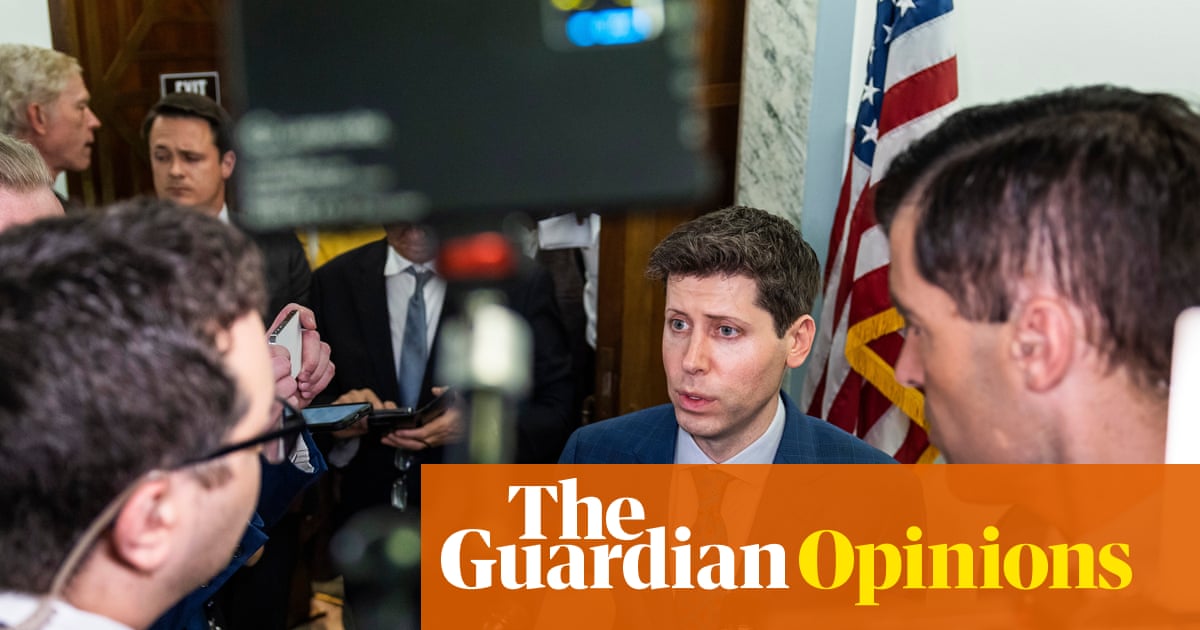
AI agents pose untold risk to humanity. We must act to prevent that future | David Krueger
The pieces are falling into place for autonomous artificial intelligence. We must stop unregulated development
Import AI 453: Breaking AI agents; MirrorCode; and ten views on gradual disempowerment
Was fire equivalent to a singularity for people at the time?

What we can’t measure about AI – yet | Aeon Essays
The costs of transformative innovations are immediately clear: it’s the longterm gains that are hardest to understand

How Shifting Responsibility for AI Harms Undermines Democratic Accountability | TechPolicy.Press
The moralization of individual AI use deflects responsibility away from powerful actors like corporations and governments, Suvradip Maitra and others write.


The Trap of Instant Heroism in the Era of AI
AI has expanded what engineering leaders can do.

Building Political Superintelligence
Amidst fears of dystopia, a blueprint for how we use AI to reinvent the way we govern ourselves
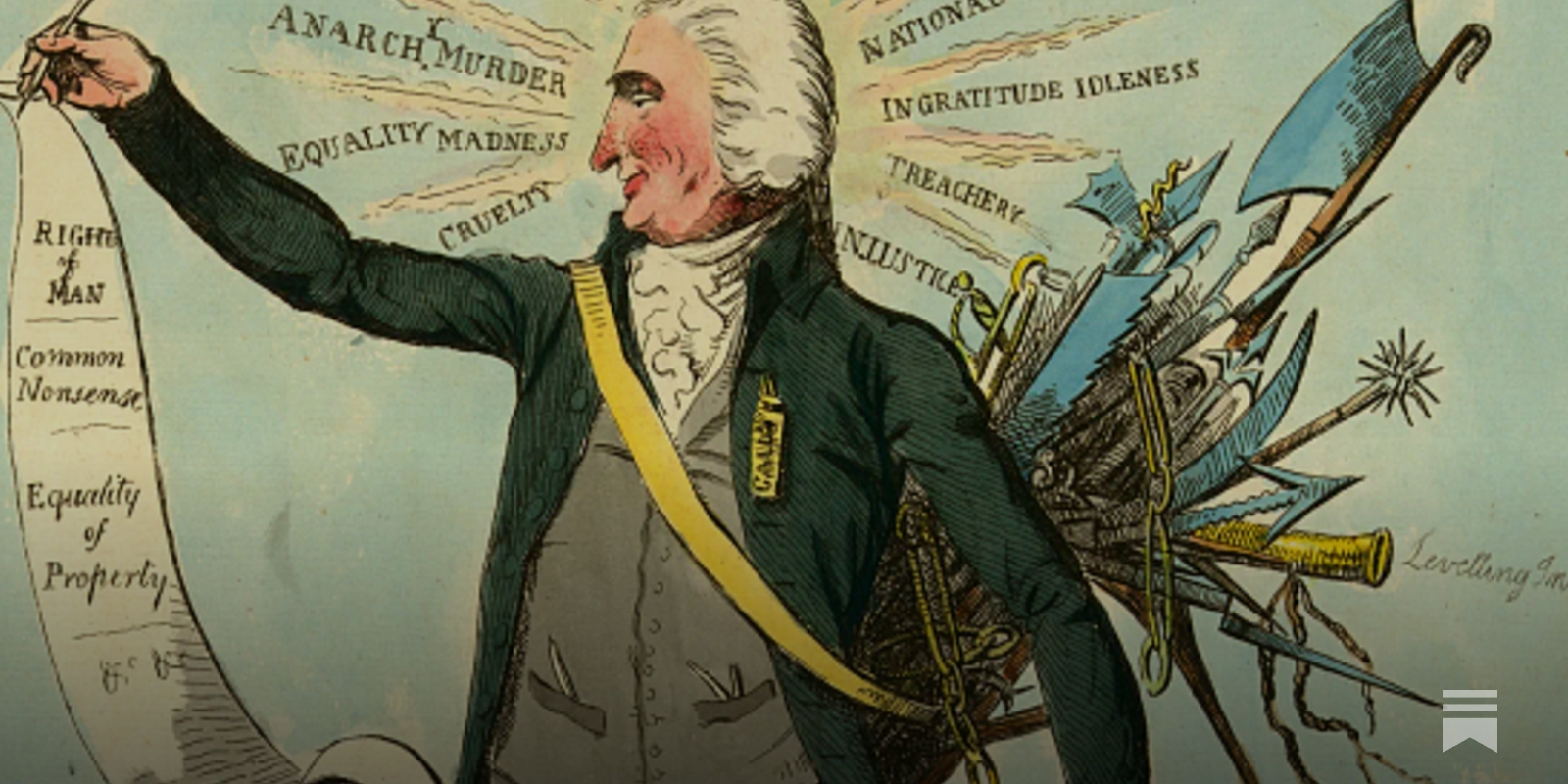
AI Has No Wisdom and Neither Will You
Certainly the industry is transforming, however, the people and organizations falling into the trap of no longer reading and writing code only do so at their peril.