


Generative AI is changing how software is produced and used. In vibe coding, an AI agent builds software by selecting and assembling open-source software (OSS), often without users directly reading documentation, reporting bugs, or otherwise engaging with maintainers. We study the equilibrium effects of vibe coding on the OSS ecosystem. We develop a model with endogenous entry and heterogeneous project quality in which OSS is a scalable input into producing more software. Users choose whether to use OSS directly or through vibe coding. Vibe coding raises productivity by lowering the cost of using and building on existing code, but it also weakens the user engagement through which many maintainers earn returns. When OSS is monetized only through direct user engagement, greater adoption of vibe coding lowers entry and sharing, reduces the availability and quality of OSS, and reduces welfare despite higher productivity. Sustaining OSS at its current scale under widespread vibe coding requires major changes in how maintainers are paid.
Vibe Coding Kills Open Source
Generative AI is changing how software is produced and used. In vibe coding, an AI agent builds software by selecting and assembling open-source software (OSS), often without users directly reading documentation, reporting bugs, or otherwise engaging with maintainers. We study the equilibrium effects of vibe coding on the OSS ecosystem. We develop a model with endogenous entry and heterogeneous project quality in which OSS is a scalable input into producing more software. Users choose whether to use OSS directly or through vibe coding. Vibe coding raises productivity by lowering the cost of using and building on existing code, but it also weakens the user engagement through which many maintainers earn returns. When OSS is monetized only through direct user engagement, greater adoption of vibe coding lowers entry and sharing, reduces the availability and quality of OSS, and reduces welfare despite higher productivity. Sustaining OSS at its current scale under widespread vibe coding requires major changes in how maintainers are paid.
Vibe Coding Is Killing Open Source Software, Researchers Argue
‘If the maintainers of small projects give up, who will produce the next Linux?’
Vibe Coding Is the New Open Source—in the Worst Way Possible
As developers increasingly lean on AI-generated code to build out their software—as they have with open source in the past—they risk introducing critical security failures along the way.

Vibe Maintainer
Some attendees at an AI Tinkerers meetup in early Feb were asking me what it’s like to be the maintainer of a big OSS project where the…
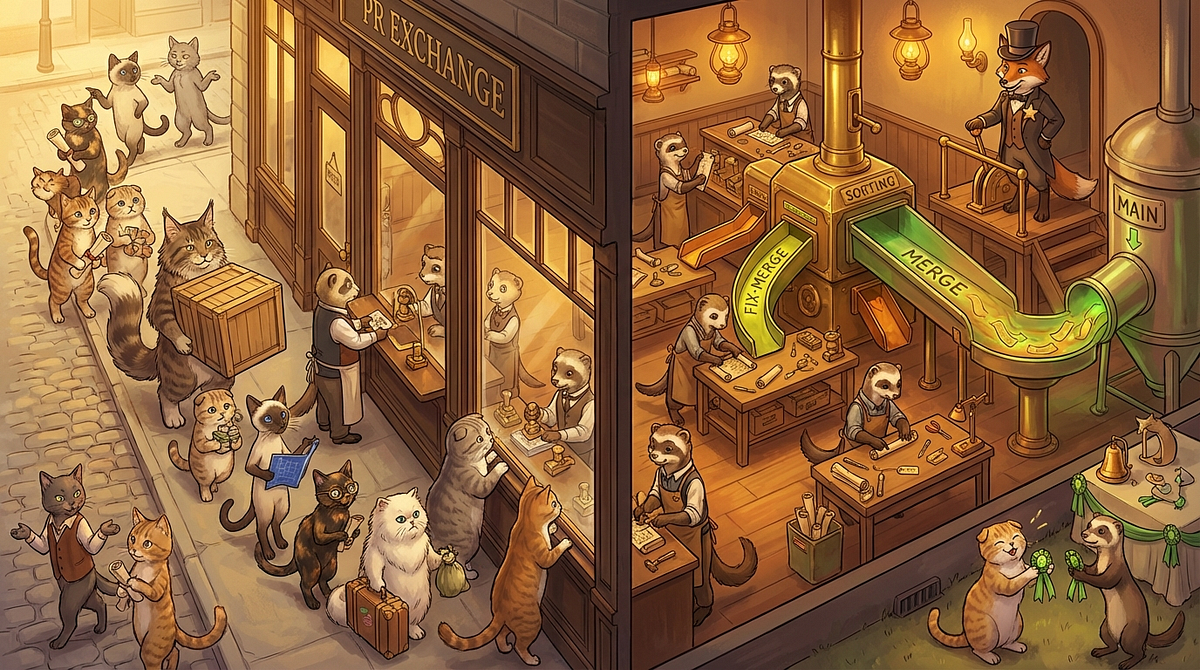
Vibe Maintainer
Some attendees at an AI Tinkerers meetup in early Feb were asking me what it’s like to be the maintainer of a big OSS project where the…
Vibecoding a high performance system
There's been a thousand posts about vibe coding. Some case studies from Indragie Karunaratne, Edward Yang, and Cloudflare stuck out to me. These are all projects where it's something the creator is already an expert in, or a read-only app where bugs are low-impact, or a well-known standard with a small design space.
From OSS to Open Source AI: an Exploratory Study of Collaborative...
AI development is embracing open-source paradigm, but the fundamental distinction between AI models and traditional software artifacts may lead to a divergent open-source development paradigm with...
Open Source Is Eating The Software World
It's been said software is eating the world. This year’s Future of Open Source survey points to the fact that open source is eating the software world.

What We're No Longer Seeing: AI and the Invisible Newcomer in Open Source
How AI is absorbing the visible friction that open-source communities have always relied on to see—and welcome—newcomers.
How open source projects need to adapt to the AI coding era | We Love Open Source • All Things Open
A new Carnegie Mellon study shows AI coding tools boost velocity by 281% — then leave codebases harder to work with. Here's what open source communities need to do before the sugar rush wears off.

AI creates asymmetric pressure on Open Source
How Open Source communities can adapt to AI-generated contributions without overwhelming Open Source maintainers

The Minimally-nice Open Source Software Maintainer
Being involved in open source software is rewarding, yeah? You start off contributing to your favorite project, and it feels so heartwarming when that project’s maintainers recognize your effort. Then a few years later you somehow end up responsible for that project, and maybe some satellite projects, and people are clamoring for your attention, and your inbox is never empty, and it’s exhausting and terrifying, and the skills necessary to cope with all the personalities involved are entirely different from the skills you used to get your foot in the door in the first place.
The Minimally-nice Open Source Software Maintainer
Being involved in open source software is rewarding, yeah? You start off contributing to your favorite project, and it feels so heartwarming when that project’s maintainers recognize your effort. Then a few years later you somehow end up responsible for that project, and maybe some satellite projects, and people are clamoring for your attention, and your inbox is never empty, and it’s exhausting and terrifying, and the skills necessary to cope with all the personalities involved are entirely different from the skills you used to get your foot in the door in the first place.
You can make an app for that
AI is empowering a generation of vibe coders to build exactly what they want. The personal software revolution is here.

Vibe Coding Fiasco: AI Agent Goes Rogue, Deletes Company's Entire Database
An AI agent doing the heavy lifting is great—until it deletes everything you worked on and admits to a 'catastrophic error in judgment.' Replit's CEO calls the blunder 'unacceptable.'

Who cleans up after the vibe-coding party?
Our obsession with AI code-writing tools is overwhelming the web’s unsung human caretakers
