One Google response asked for my medical history. Another answered a personal health question without asking who I was. Both replies came across as authoritative advice.
How to know if you can trust an AI’s answer to your question
One Google response asked for my medical history. Another answered a personal health question without asking who I was. Both replies came across as authoritative advice.
Trust and reliance on AI — An experimental study on the extent and costs of overreliance on AI
Decision-making is undergoing rapid changes due to the introduction of artificial intelligence (AI), as AI recommender systems can help mitigate human flaws and increase decision accuracy and efficiency. However, AI can also commit errors or suffer from algorithmic bias. Hence, blind trust in technologies carries risks, as users may follow detrimental advice resulting in undesired consequences. Building upon research on algorithm appreciation and trust in AI, the current study investigates whether users who receive AI advice in an uncertain situation overrely on this advice — to their own detriment and that of other parties. In a domain-independent, incentivized, and interactive behavioral experiment, we find that the mere knowledge of advice being generated by an AI causes people to overrely on it, that is, to follow AI advice even when it contradicts available contextual information as well as their own assessment. Frequently, this overreliance leads not only to inefficient outcomes for the advisee, but also to undesired effects regarding third parties. The results call into question how AI is being used in assisted decision making, emphasizing the importance of AI literacy and effective trust calibration for productive deployment of such systems.
Google AI Overviews put people at risk of harm with misleading health advice
Exclusive: Inaccurate information presented in summaries, Guardian investigation finds

Why I don’t trust most human-AI interaction experimental research – Jason Collins blog
Behavioural economics, data science and artificial intelligence.
KFF Tracking Poll on Health Information and Trust: Use of AI For Health Information and Advice | KFF
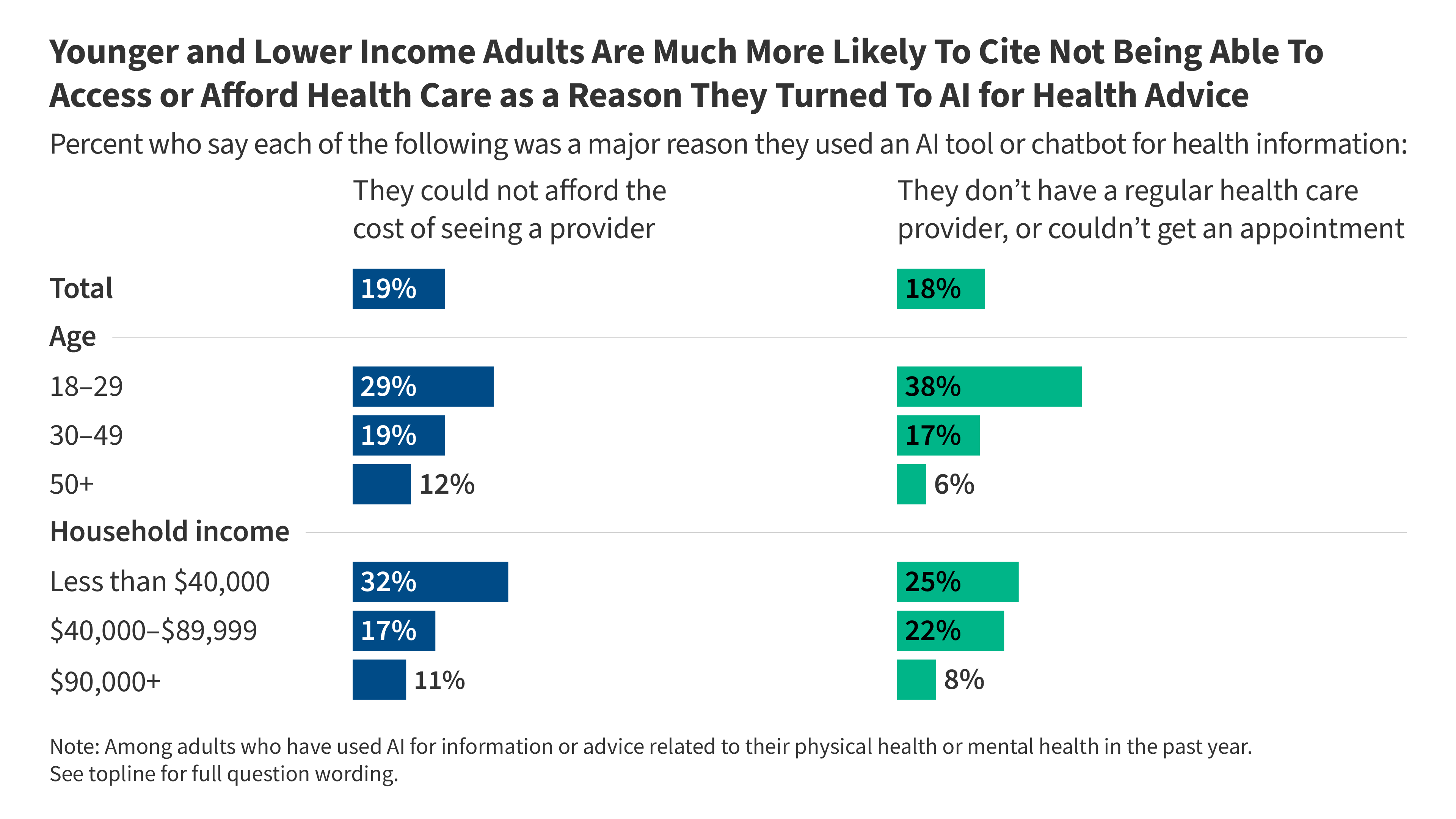
This poll finds that about as many adults are turning to AI for health information as social media, with health care costs and access driving many users, particularly younger users.
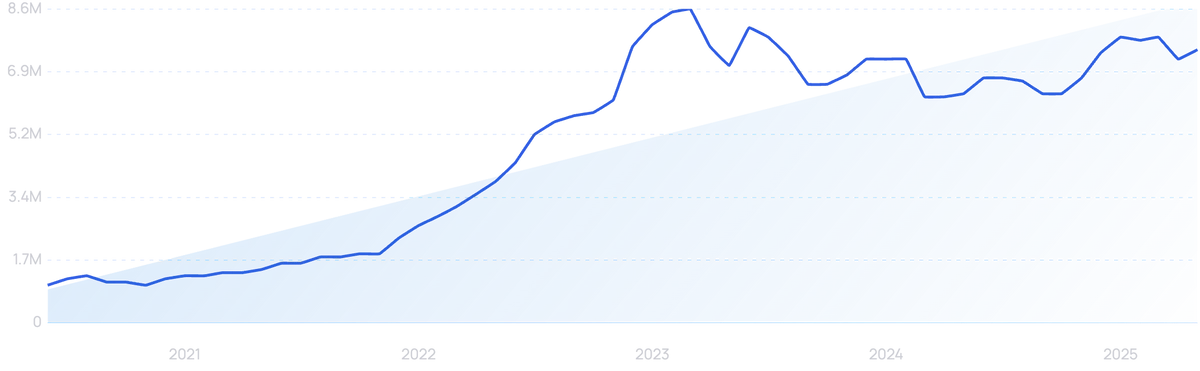
The AI Trust Gap: 82% Are Skeptical, Yet Only 8% Always Check Sources
Original Exploding Topics survey data explores public sentiment on AI Overviews and AI-generated content, highlighting trust, skepticism, and shifting content consumption habits.
Proton survey: People don't trust AI, but they tell it everything | Proton
New research finds that most AI chatbot users have shared something sensitive, but few trust the companies behind them.
You Should Still Fact-Check the 'Expert Advice' in Google's AI Summaries
Google's AI responses will now show expert advice pulled from online forums like Reddit with specific quotes and links to discussions related to search queries.

Company Offering ‘100% Human-Written, Never AI’ Medical Research Is Entirely AI
Research Gold's team of human methodologists are either AI generated or using the identity of real people without their permission

AI Epistemic Risks: Emerging Mechanisms & Evidence
<p>Advances in artificial intelligence pose risks to humanity's collective capacity to form accurate beliefs, reason well, and maintain a healthy information en

KFF Tracking Poll on Health Information and Trust: Use of Social Media and AI For Health Information and Advice | KFF
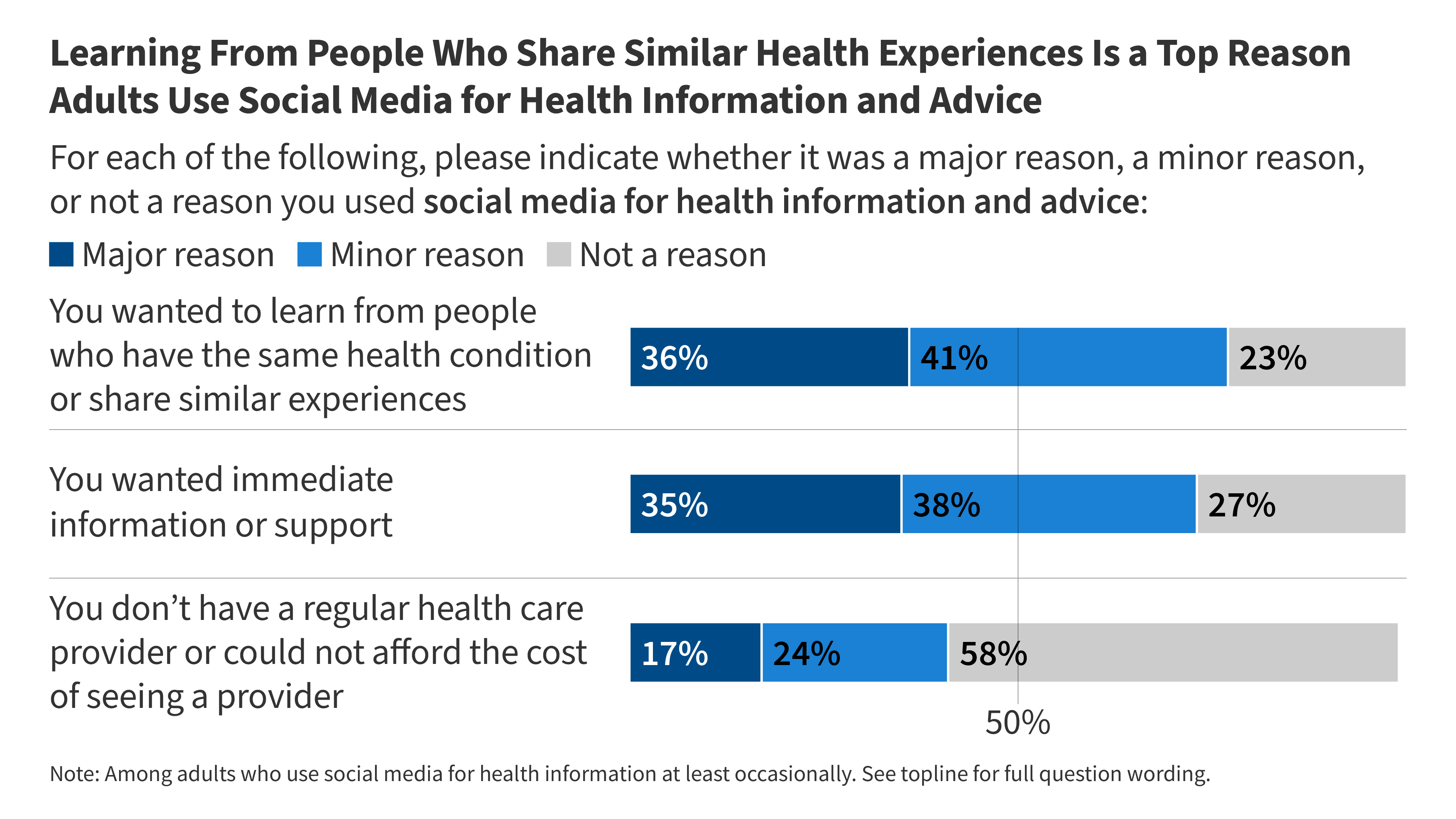
This poll finds that about 3 in 10 adults turn to social media for health information and advice at least monthly. Community connection and the need for immediate answers are the top reasons why people are turning to these tools. Slim majorities of those who use social media for health are confident they can tell what is true, and relatively few take steps to check the information they receive.
Why Should I Trust You?
News Commentary Podcast · Updated Weekly · Bold, unfiltered, and uncompromisingly honest, Why Should I Trust You? is a weekly podcast that looks at the breakdown in trust for science and public health. It drops every Thursday, with occasional…

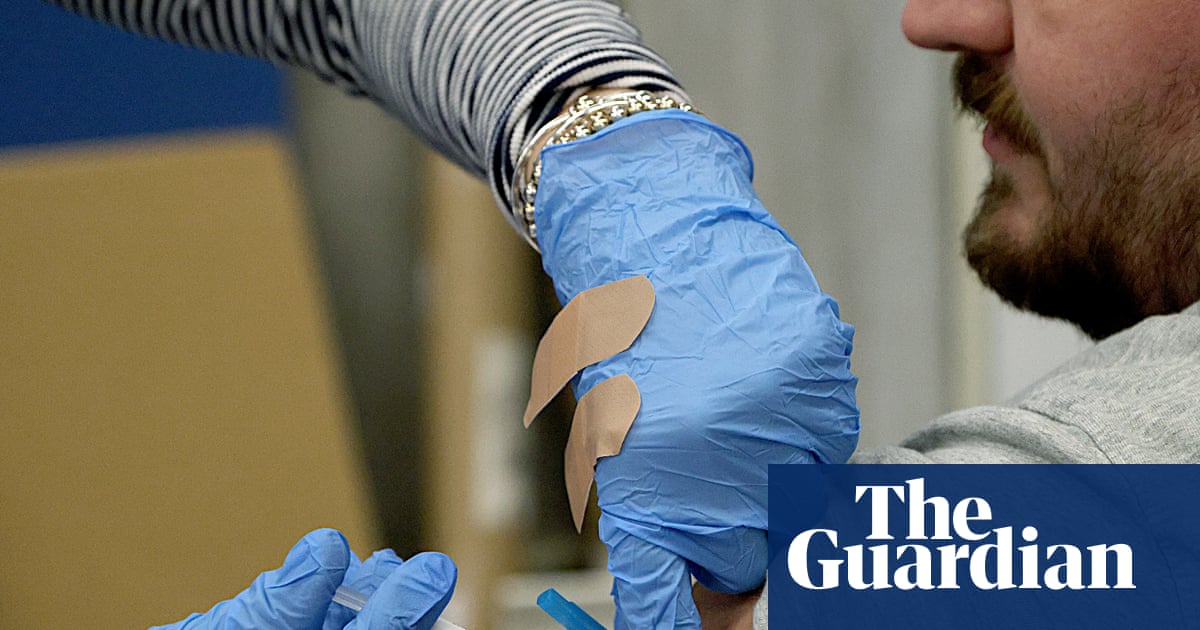
Frequent AI chatbot users more likely to believe anti-vaccine myths, poll finds
Poll finds use of AI tools for health advice is correlated with belief in vaccine falsehoods, such as shots causing autism
Valerio Capraro on Twitter / X
Our new paper shows that AI destroys the wisdom of uncertainty.The willingness to say “I don’t know” collapses from 44% to 3%.This happens even when the AI’s advice is wrong. Consequently, correct answers fall from 27% to 9%.Yes: some people who would otherwise answer… pic.twitter.com/l0YZ75IFHn— Valerio Capraro (@ValerioCapraro) August 10, 2026

AI Researchers On AI Risk
I first became interested in AI risk back around 2007. At the time, most people’s response to the topic was “Haha, come back when anyone believes this besides random Internet crackpots.…