


Background: Long COVID (LC) is widespread; however, limited information has been reported on the likelihood that symptoms remit over time. Objective: To evaluate the likelihood of improvement among persons with likely LC. Design: Prospective, multisite cohort study (RECOVER-Adult [Researching COVID to Enhance Recovery]). Setting: 83 U.S.-based sites across 33 states; Washington, DC; and Puerto Rico. Participants: 1019 persons in RECOVER-Adult with likely LC (LC Research Index [LCRI] ≥11) 12 months after first SARS-CoV-2 infection. Measurements: The primary outcome was time until 2 consecutive study visits with LCRI less than 11. Secondary outcomes were time until LCRI measure reduced 50% or more and quality of life was good or better, and LCRI decreased to 0. Unadjusted estimates of cumulative incidence and adjusted marginal cumulative incidence by age, sex, SARS-CoV-2 wave, and LC subtype were reported across all follow-up time points. Results: An estimated 36.2% (95% CI, 33.0% to 39.5%) met the primary outcome by 24 months after infection, and 50.1% (CI, 46.1% to 54.0%) met the primary outcome by 36 months. An estimated 56.4% (CI, 52.2% to 60.4%) and 26.9% (CI, 23.3% to 30.5%), respectively, met the 2 secondary outcomes by 36 months. Among persons who still reported likely LC at 18 months and 24 months after first infection, relative timing of subsequent symptom improvement was similar. Limitation: Findings in this observational cohort are interpretable in a population with prevalent likely LC and do not address causal relationships between individual characteristics and symptom improvement. Conclusion: Among persons with likely LC 12 months after initial SARS-CoV-2 infection, one half experience meaningful reductions in symptoms by 36 months, whereas a quarter experience complete remission of symptoms. These findings underscore both the potential for natural recovery and the urgent need for placebo-controlled therapeutic intervention trials. Primary Funding Source: National Institutes of Health.
Timing of Long COVID Improvement in Prospectively Followed RECOVER-Adult Participants
Background: Long COVID (LC) is widespread; however, limited information has been reported on the likelihood that symptoms remit over time. Objective: To evaluate the likelihood of improvement among persons with likely LC. Design: Prospective, multisite cohort study (RECOVER-Adult [Researching COVID to Enhance Recovery]). Setting: 83 U.S.-based sites across 33 states; Washington, DC; and Puerto Rico. Participants: 1019 persons in RECOVER-Adult with likely LC (LC Research Index [LCRI] ≥11) 12 months after first SARS-CoV-2 infection. Measurements: The primary outcome was time until 2 consecutive study visits with LCRI less than 11. Secondary outcomes were time until LCRI measure reduced 50% or more and quality of life was good or better, and LCRI decreased to 0. Unadjusted estimates of cumulative incidence and adjusted marginal cumulative incidence by age, sex, SARS-CoV-2 wave, and LC subtype were reported across all follow-up time points. Results: An estimated 36.2% (95% CI, 33.0% to 39.5%) met the primary outcome by 24 months after infection, and 50.1% (CI, 46.1% to 54.0%) met the primary outcome by 36 months. An estimated 56.4% (CI, 52.2% to 60.4%) and 26.9% (CI, 23.3% to 30.5%), respectively, met the 2 secondary outcomes by 36 months. Among persons who still reported likely LC at 18 months and 24 months after first infection, relative timing of subsequent symptom improvement was similar. Limitation: Findings in this observational cohort are interpretable in a population with prevalent likely LC and do not address causal relationships between individual characteristics and symptom improvement. Conclusion: Among persons with likely LC 12 months after initial SARS-CoV-2 infection, one half experience meaningful reductions in symptoms by 36 months, whereas a quarter experience complete remission of symptoms. These findings underscore both the potential for natural recovery and the urgent need for placebo-controlled therapeutic intervention trials. Primary Funding Source: National Institutes of Health.
Long-COVID recovery varies sharply by symptoms, study finds
Fewer than one in five people with multiple body systems impacted experience sustained improvement within three years of infection, a study found.

The CDC whispered this a year ago. “SARS-CoV-2 can have lasting effects on nearly every organ & organ system of the body weeks, months, & potentially years after infection. Documented serious post-Covid conditions include cardiovascular, pulmonary, neurological, renal, endocrin
The CDC whispered this a year ago. “SARS-CoV-2 can have lasting effects on nearly every organ & organ system of the body weeks, months, & potentially years after infection. Documented serious post-Covid conditions include cardiovascular, pulmonary, neurological, renal,… pic.twitter.com/xkSStj51y2— Laura Miers (@LauraMiers) March 9, 2024

New research shows younger and middle-aged adults have worse long COVID symptoms than older adults
New study from Northwestern Medicine finds symptoms occurred regardless of mild or severe COVID-19 infection

The effectiveness of COVID-19 vaccine in the prevention of post-COVID conditions: a systematic literature review and meta-analysis of the latest research
Objective:We performed a systematic literature review and meta-analysis on the effectiveness of coronavirus disease 2019 (COVID-19) vaccination against post-COVID conditions (long COVID) among fully vaccinated individuals.Design:Systematic literature review/meta-analysis.Methods:We searched PubMed, Cumulative Index to Nursing and Allied Health, EMBASE, Cochrane Central Register of Controlled Trials, Scopus, and Web of Science from December 1, 2019, to June 2, 2023, for studies evaluating the COVID-19 vaccine effectiveness (VE) against post-COVID conditions among fully vaccinated individuals who received two doses of COVID-19 vaccine. A post-COVID condition was defined as any symptom that was present four or more weeks after COVID-19 infection. We calculated the pooled diagnostic odds ratio (DOR) (95% confidence interval) for post-COVID conditions between fully vaccinated and unvaccinated individuals. Vaccine effectiveness was estimated as 100% x (1-DOR).Results:Thirty-two studies with 775,931 individuals evaluated the effect of vaccination on post-COVID conditions, of which, twenty-four studies were included in the meta-analysis. The pooled DOR for post-COVID conditions among fully vaccinated individuals was 0.680 (95% CI: 0.523–0.885) with an estimated VE of 32.0% (11.5%–47.7%). Vaccine effectiveness was 36.9% (23.1%–48.2%) among those who received two doses of COVID-19 vaccine before COVID-19 infection and 68.7% (64.7%–72.2%) among those who received three doses before COVID-19 infection. The stratified analysis demonstrated no protection against post-COVID conditions among those who received COVID-19 vaccination after COVID-19 infection.Conclusions:Receiving a complete COVID-19 vaccination prior to contracting the virus resulted in a significant reduction in post-COVID conditions throughout the study period, including during the Omicron era. Vaccine effectiveness demonstrated an increase when supplementary doses were administered.

COVID-19 Vaccine Effectiveness and Safety for the 2026-2027 Respiratory Season
Importance SARS-CoV-2 remains a substantial cause of respiratory illness, morbidity, and mortality. Evidence to date has demonstrated that COVID-19 vaccines reduce the risk of severe disease, including hospitalization and death. Objective This systematic review identifies and summarizes newly published studies reporting on the effectiveness and safety of COVID-19 vaccines and COVID-19 epidemiology in the US. Evidence Review Cochrane Central Register of Controlled Trials, PubMed/MEDLINE, Embase, and Scopus were searched from August 1, 2025, through June 29, 2026. Studies were eligible if they reported on the effectiveness, efficacy, or safety of a US-licensed COVID-19 vaccine or SARS-CoV-2 epidemiology in the US. Findings From 11 829 identified references, 155 publications were eligible (15 randomized clinical trials, 84 observational studies with a comparator group, 38 product safety studies without a comparator group [single group], and 18 descriptive studies of disease burden). Consistent with prior evidence, studies reported that updated COVID-19 vaccines were associated with a reduction in the risk of hospitalization among both older adults (≥65 years; vaccine effectiveness [VE], 53.0%; 95% CI, 37.0%-65.0%; 2025-2026 season) and adults (18-64 years; VE, 54.0%; 95% CI, 1.0%-78.0%; 2024-2025 season). Maternal vaccination was associated with reduced risk of COVID-19–associated emergency department/urgent care encounters among individuals vaccinated (VE, 58.0%; 95% CI, 24.0%-77.0%) and with fewer COVID-19–related hospital contacts in the first 2 months of life among infants born subsequently (VE range, 50.0%-54.0%), regardless of trimester of vaccination. Vaccination was also associated with a significant reduction in COVID-19–related pediatric emergency department visits (9 months to 4 years; VE, 76.0%; 95% CI, 58.0%-87.0%). Vaccination was associated with a reduced risk of critical COVID-19 illness (intensive care unit admission or death) in immunocompromised adults (VE range, 32.0%-53.0%, depending on condition and other factors). Health care personnel who received 3 to 5 vaccine doses were less likely to develop laboratory-confirmed COVID-19 illness (VE, 41.0%; 95% CI, 34.0%-47.0%) and postacute COVID-19 symptoms (VE, 57.0%; 95% CI, 46.0%-66.0%) compared with those who received only 2 doses. Across adverse events of special interest (eg, stroke, thrombosis, myocarditis), safety profiles were consistent with those of previous reviews. No identified studies conducted under the updated guidance on extended dosing intervals for the primary series reported an increased risk of myocarditis or pericarditis. No new safety signals were reported in the recently published studies eligible for this updated review of US-licensed COVID-19 vaccines. Conclusions and Relevance COVID-19 vaccines were consistently associated with a reduction in the risk of hospitalization and other outcomes, including among individuals at high risk of severe COVID-19, such as infants, and those who were pregnant. No new safety concerns were identified.

People With Multisystem Long Covid See Lower Recovery, Research Finds
People whose long Covid affects multiple body systems are far less likely to improve than overall recovery estimates suggest, with fewer than one in five experiencing sustained improvement within three years of infection, according to a US study.

Current status and future perspectives on the mechanistic and pathophysiological understanding of long COVID
Viral and infectious illnesses can exert profound and enduring effects on population health and well-being. In the aftermath of SARS-CoV-2 infection, post-acute sequelae, collectively referred to as Long COVID, have emerged as a major global health challenge, affecting more than 400 million people and contributing to estimated annual economic costs exceeding $1 trillion. Long COVID encompasses a wide and heterogeneous spectrum of debilitating symptoms, including cognitive dysfunction, sleep disturbances, severe fatigue, and post-exertional malaise. Despite its substantial burden, fundamental uncertainties remain regarding its underlying pathophysiology, the development of robust diagnostic criteria, and the identification of effective therapeutic options. This review synthesises current evidence on the biological mechanisms thought to contribute to Long COVID, spanning immune dysregulation, viral persistence, autonomic dysfunction, microvascular pathology, and other emerging hypotheses. We examine advances and limitations in contemporary diagnostic approaches and critically appraise existing treatment strategies, highlighting inconsistencies and gaps that hinder clinical consensus. By integrating interdisciplinary insights, this review underscores the urgent need for mechanistic clarity, validated diagnostic frameworks, and rigorously evaluated treatment pathways. Addressing these gaps will be essential to developing effective, evidence-based management strategies and mitigating the long-term impact of Long COVID on global health.
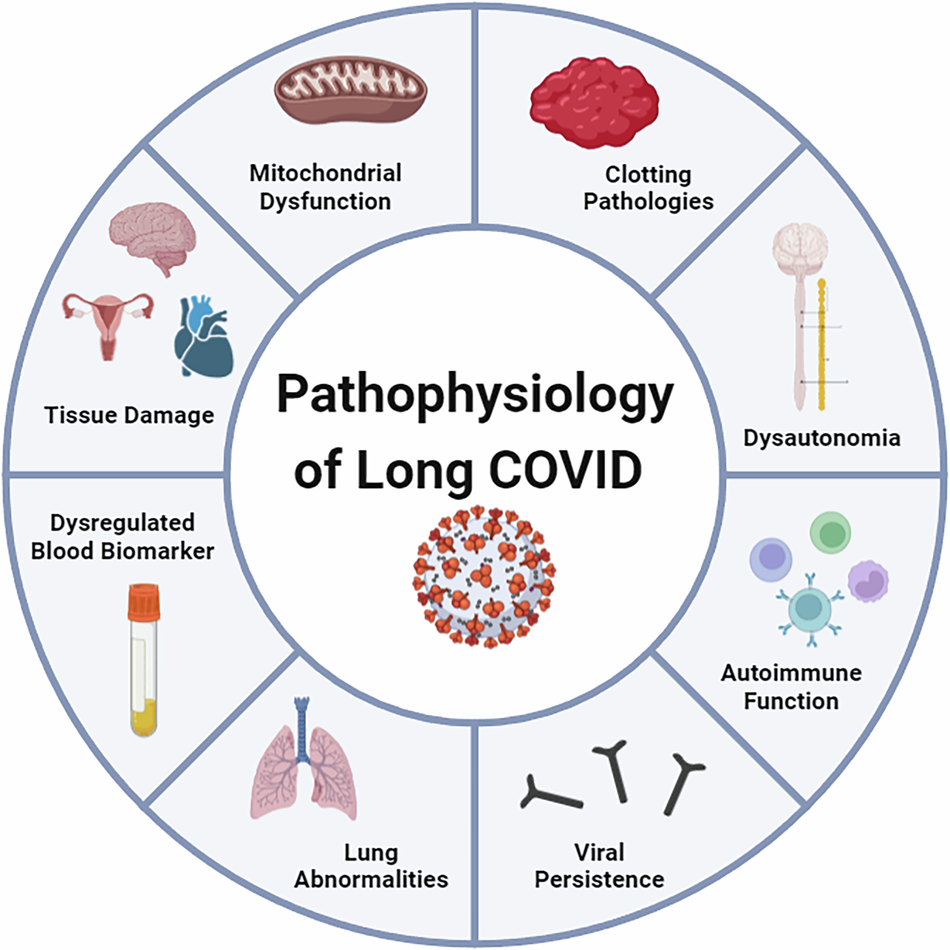
Current status and future perspectives on the mechanistic and pathophysiological understanding of long COVID
Viral and infectious illnesses can exert profound and enduring effects on population health and well-being. In the aftermath of SARS-CoV-2 infection, post-acute sequelae, collectively referred to as Long COVID, have emerged as a major global health challenge, affecting more than 400 million people and contributing to estimated annual economic costs exceeding $1 trillion. Long COVID encompasses a wide and heterogeneous spectrum of debilitating symptoms, including cognitive dysfunction, sleep disturbances, severe fatigue, and post-exertional malaise. Despite its substantial burden, fundamental uncertainties remain regarding its underlying pathophysiology, the development of robust diagnostic criteria, and the identification of effective therapeutic options. This review synthesises current evidence on the biological mechanisms thought to contribute to Long COVID, spanning immune dysregulation, viral persistence, autonomic dysfunction, microvascular pathology, and other emerging hypotheses. We examine advances and limitations in contemporary diagnostic approaches and critically appraise existing treatment strategies, highlighting inconsistencies and gaps that hinder clinical consensus. By integrating interdisciplinary insights, this review underscores the urgent need for mechanistic clarity, validated diagnostic frameworks, and rigorously evaluated treatment pathways. Addressing these gaps will be essential to developing effective, evidence-based management strategies and mitigating the long-term impact of Long COVID on global health.
COVID survivors at increased risk of long-term gastrointestinal conditions
Although people with severe COVID had highest risk, mild cases also upped risks.

Vaccination Dramatically Lowers Long COVID Risk
Several new studies reveal that getting multiple COVID vaccine doses provides strong protection against lingering symptoms
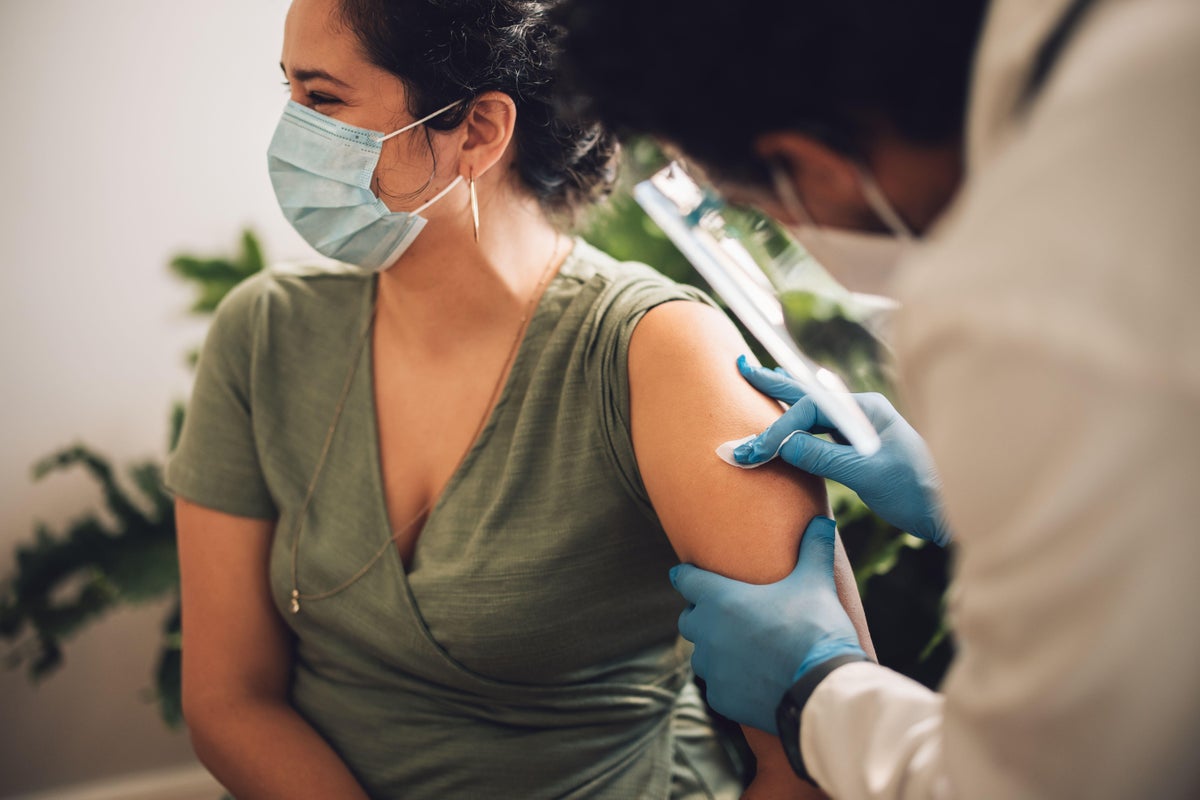
Almost a third of recovered Covid patients return to hospital in five months and one in eight die
Almost a third of recovered Covid patients will end up back in hospital within five months and one in eight will die, alarming new figures have shown. Research by Leicester University and the Office f...
Underlying Conditions and the Higher Risk for Severe COVID-19
Learn risk factors for severe outcomes from COVID-19 and actions to take.
Patient-reported treatment outcomes in ME/CFS and long COVID
Myalgic encephalomyelitis/chronic fatigue syndrome (ME/CFS) and long COVID are persistent multisystem illnesses affecting many patients. With no known effective FDA-approved treatments for either condition, patient-reported outcomes of treatments may prove helpful in identifying management strategies that can improve patient care and generate new avenues for research. Here, we present the results of an ME/CFS and long COVID treatment survey with responses from 3,925 patients. We assess the experiences of these patients with more than 150 treatments in conjunction with their demographics, symptoms, and comorbidities. Treatments with the greatest perceived benefits are identified. Patients with each condition who participated in the study shared similar symptom profiles, including all the core symptoms of ME/CFS, e.g., 89.7% of ME/CFS and 79.4% of long COVID reported postexertional malaise (PEM). Furthermore, treatment responses between these two patient groups were significantly correlated (R 2 = 0.68). Patient subgroups, characterized by distinct symptom profiles and comorbidities, exhibited increased responses to specific treatments, e.g., a POTS-dominant cluster benefiting from autonomic modulators and a cognitive-dysfunction cluster from CNS stimulants. This study underscores the symptomatic and therapeutic similarities between ME/CFS and long COVID and highlights the commonalities and nuanced complexities of infection-associated chronic diseases and related conditions. While this study does not provide recommendations for specific therapies, in the absence of approved treatments, insights from patient-reported experiences provide urgently needed real-world evidence for developing targeted patient care therapies and future clinical trials.

COVID-19 Vaccine Effectiveness and Safety for the 2026-2027 Respiratory Season
This Special Communication aims to identify and summarize the most recently published evidence evaluating the effectiveness and safety of US-licensed COVID-19 vaccines and report on the epidemiology of SARS-CoV-2 in the US.
Shadow Burden of Undiagnosed Myalgic Encephalomyelitis/Chronic Fatigue Syndrome (ME/CFS) on Society: Retrospective and Prospective—In Light of COVID-19
Background: Myalgic encephalomyelitis/chronic fatigue syndrome (ME/CFS) is a poorly understood, complex, multisystem disorder, with severe fatigue not alleviated by rest, and other symptoms, which lead to substantial reductions in functional activity and quality of life. Due to the unclear aetiology, treatment of patients is complicated, but one of the initial problems is the insufficient diagnostic process. The increase in the number of undiagnosed ME/CFS patients became specifically relevant in the light of the COVID-19 pandemic. The aim of this research was to investigate the issues of undiagnosed potential ME/CFS patients, with a hypothetical forecast of the expansion of post-viral CFS as a consequence of COVID-19 and its burden on society. Methods: The theoretical research was founded on the estimation of classic factors presumably affecting the diagnostic scope of ME/CFS and their ascription to Latvian circumstances, as well as a literature review to assess the potential interaction between ME/CFS and COVID-19 as a new contributing agent. The empirical study design consisted of two parts: The first part was dedicated to a comparison of the self-reported data of ME/CFS patients with those of persons experiencing symptoms similar to ME/CFS, but without a diagnosis. This part envisaged the creation of an assumption of the ME/CFS shadow burden “status quo”, not addressing the impact of COVID-19. The second part aimed to investigate data from former COVID-19 patients’ surveys on the presence of ME/CFS symptoms, 6 months after being affected by COVID-19. Descriptive and analytical statistical methods were used to analyse the obtained data. Results: The received data assumed that the previously obtained data on the ME/CFS prevalence of 0.8% in the Latvian population are appropriate, and the literature review reports a prevalence of 0.2–1.0% in developed countries. Regarding the reciprocity of ME/CFS and COVID-19, the literature review showed a lack of research in this field. The empirical results show quite similar self-esteem among ME/CFS patients and undiagnosed patients with longstanding disease experience, while former COVID-19 patients show a significantly lower severity of these problems. Notably, “psychological distress (anxiety)” and “episodic fatigue” are significantly predominant symptoms reported by former COVID-19 patients in comparison with ME/CFS patients and undiagnosed patients prior to the COVID-19 pandemic. The results of our analysis predict that the total amount of direct medical costs for undiagnosed patients (out-of-pocket payments) is more than EUR 15 million p.a. (in Latvia), and this may increase by at least 15% due to the consequences of COVID-19. Conclusions: ME/CFS creates a significant shadow burden on society, even considering only the direct medical costs of undiagnosed patients—the number of whom in Latvia is probably at least five times higher than the number of discerned patients. Simultaneously, COVID-19 can induce long-lasting complications and chronic conditions, such as post-viral CFS, and increase this burden. The Latvian research data assume that ME/CFS patients are not a high-risk group for COVID-19; however, COVID-19 causes ME/CFS-relevant symptoms in patients. This increases the need for monitoring of patients for even longer after recovering from COVID-19′s symptoms, in order to prevent complications and the progression of chronic diseases. In the context of further epidemiological uncertainty, and the possibility of severe post-viral consequences, preventive measures are becoming significantly more important; an integrated diagnostic approach and appropriate treatment could reduce this burden in the future.