Sponges commonly form associations within seagrass meadows, but their potential impact on seagrass productivity and nutrient cycles remains poorly understood. This study investigates the association between the demosponge Chondrilla nucula and the Mediterranean seagrass Posidonia oceanica in two sampling occasions during the plant growth (spring) and senescence (autumn) seasons at a small inlet near Naples, Italy, where the sponge grows conspicuously within the seagrass bed. We found a non-linear relationship between the benthic cover of the sponge and the seagrass, with higher C. nucula cover linked to intermediate P. oceanica cover, suggesting spatial dependence. Posidonia oceanica showed higher net primary production (NPP) in spring, while C. nucula was net heterotrophic in spring but exhibited near zero metabolic balance in autumn. NPP remained stable when the two organisms were associated, regardless of the season. Chondrilla nucula consistently contributed inorganic nutrients to the association in the form of phosphate, ammonium, and substantial nitrate, recycling nutrients that potentially benefited P. oceanica in its growth season. In return, the seagrass released dissolved organic carbon in spring, which is consistent with supporting sponge heterotrophic nutrition. These findings suggest reciprocal benefits in the interaction between C. nucula and P. oceanica , with nutrient exchange facilitating a facultative mutualism that potentially supports and stabilizes the productivity of the seagrass ecosystem.
Reciprocal nutritional benefits in a sponge-seagrass association
Sponges commonly form associations within seagrass meadows, but their potential impact on seagrass productivity and nutrient cycles remains poorly understood. This study investigates the association between the demosponge Chondrilla nucula and the Mediterranean seagrass Posidonia oceanica in two sampling occasions during the plant growth (spring) and senescence (autumn) seasons at a small inlet near Naples, Italy, where the sponge grows conspicuously within the seagrass bed. We found a non-linear relationship between the benthic cover of the sponge and the seagrass, with higher C. nucula cover linked to intermediate P. oceanica cover, suggesting spatial dependence. P. oceanica showed higher net primary production (NPP) in spring, while C. nucula was net heterotrophic in spring but exhibited slightly positive NPP in autumn. NPP remained stable when the two organisms were associated, regardless of the season. C. nucula consistently contributed inorganic nutrients to the association in the form of phosphate, ammonium, and substantial nitrate, recycling nutrients that potentially benefited P. oceanica in its growth season. In return, the seagrass consistently provided dissolved organic carbon, which aided sponge nutrition in spring. These findings suggest reciprocal benefits in the interaction between C. nucula and P. oceanica, with nutrient exchange facilitating a facultative mutualism that potentially supports and stabilizes the productivity of the seagrass ecosystem. SIGNIFICANCE STATEMENT This study provides a novel exploration of the reciprocal interactions between the demosponge Chondrilla nucula and the Mediterranean seagrass Posidonia oceanica, revealing a facultative mutualism mediated by nutrient exchange. Our findings show a non-linear spatial dependence between sponge and seagrass cover and demonstrate the sponge’s substantial contributions of inorganic nutrients (phosphate, ammonium and conspicuous nitrate) to the seagrass, particularly during its productive spring season. In return, P. oceanica supplies dissolved organic matter, aiding sponge nutrition. This study uniquely quantifies these reciprocal nutrient exchanges across the plant growth and senescence seasons, demonstrating how such interactions stabilize net primary production and support ecosystem functioning. These insights address a critical gap in understanding the role of sponge-seagrass associations in nutrient cycling, highlighting their significance for the resilience, productivity, and metabolic balance of coastal ecosystems under changing environmental conditions.

Chondrilla nucula (Porifera, Demospongiae) : an example of successful plasticity ; ecological and morphological aspects
Sponges (Porifera) represent an important component of the Mediterranean sessile benthic community. They are present both in shallow and deeper waters, on soft and hard bottoms and some species, namely the bath sponges, has an application in human life since a long time. In the last few decades, they also assumed an importance among the organisms producing bioactive compounds which application goes from the homeopathy to the classical medicine to the industry. The study of the taxonomy, ecology and biology of sponges has an history hundreds years old. Now, due to the new findings that render sponges an exploitable marine resource, a coupling of the traditional sciences with the new emerging applications (biotechnology) is urgently needed. The Northern Adriatic Sea was the craddle of the sponge science hosting 36% of the sponge species present in the whole Mediterranean Sea. For the present work, the sponge fauna of a channel-like bay called Limski kanal (Croatia) has been intensively studied for the first time and a list of sponges, including species new for this area, is the result of a series of surveys in twelve sampling sites along the channel. As an introduction to the classification of sponges, a guide to the identification of the most common Mediterranean species has been written and included. A study on the temporal dynamic of a sponge community (Limski kanal, Croatia) was made by using fixed frames that have been photographed along a period of two years. Either seasonality, morphological variability, growth and degeneration phenomena have been observed, providing one more evidence of the incredible plasticity of the Porifera. Among the species in the Limski kanal, Chondrilla nucula (Porifera, Demospongiae) has been chosen as model organism. Firstly, its distribution, abundance and average coverage have been studied, showing that this species is very common along the channel, also in areas with a high sedimentation. Its distribution pattern depends mainly on light availability and kind of substrate. C. nucula is known as a very plastic species: here some macromorphological aspects related to the locomotion, the fragmentation events, the elimination of the sediment and the epibiosis are described in the attempt to give an overview on the successful life strategies of this sponge. Up to now only morphological studies on the oogenesis and spermatogenesis are available but the complete life cycle is unknown. In this study, macromorphological variations in specimens of C. nucula in reproduction and the first stages of embryogenesis have been described for the first time. Finally, in view of a biotechnological use of sponges as bioremediator organisms, the filtration and the bacterial retention rates of C. nucula have been investigated using clearance tests. In spite of a low filtration rate, the sponge showed high bacterial retention rates. This, together with the easy techniques required to farm it, makes of this sponge an eligible candidate for bioremediation. To achieve an effective conservation management plan and a sustainable exploitation of the marine resources, the knowledge on the biological and ecological characteristics of the benthic community and of the single species is absolutely necessary.
A Model for Methylmercury Uptake and Trophic Transfer by Marine Plankton
Abstract. Methylmercury (MeHg) concentrations can increase by 100 000 times between seawater and marine phytoplankton, but levels vary across sites. To bet
Termite Ecology in the First Two Decades of the 21st Century: A Review of Reviews
Termite ecology came of age in 1978 with the seminal review of Wood and Sands which by considering the quantitative contributions made by termites to the carbon cycle at the landscape level concluded that they were major players in tropical ecosystems. Subsequent field work in the succeeding two decades was summarised in 2000 by Bignell and Eggleton, the most recent review which attempted to cover the entire topic in detail, which included 188 listed references and has been extensively cited for almost 20 years. Subsequent summaries more narrowly defined or in some cases more superficial are listed in the bibliography. In this overview, the main and subsidiary headings in Bignell and Eggleton are revisited and reclassified in the light of 186 selected articles added to the relevant literature since 2000, and some earlier work. While the literature on termite ecology remains buoyant, it has declined relative to publications on other aspects of termite biology. Overall, the thesis that termites have a major impact on, and are major indicators of soil health and landscape integrity in the tropics and sub-tropics is maintained, but the drivers of local diversity, abundance and biomass remain complex, with many biographical, edaphic and optimum sampling issues not completely resolved. The large increase in diversity and abundance data from Neotropical biomes can also be noted.

Poly- and Perfluoroalkyl Substances in Seawater and Plankton from the Northwestern Atlantic Margin
Abstract. The ocean is thought to be the terminal sink for poly- and perfluoroalkyl substances (PFAS) that have been produced and released in large quantit
Growth, metabolic partitioning, and the size of microorganisms
Population growth rate is a fundamental ecological and evolutionary characteristic of living organisms, but individuals must balance the metabolism devoted to biosynthesis and reproduction against the maintenance of existing structure and other functionality. Here we present a mathematical model that relates metabolic partitioning to the form of growth. The model captures the observed growth trajectory of single cells and individuals for a variety of species and taxa spanning prokaryotes, unicellular eukaryotes, and small multicellular eukaryotes. Our analysis suggests that the per-unit costs of biosynthesis and maintenance are conserved across prokaryotes and eukaryotes. However, the relative metabolic expenditure on growth and maintenance of whole organisms clearly differentiates taxa: prokaryotes spend an increasing fraction of their entire metabolism on growth with increasing cell size, whereas eukaryotes devote a diminishing fraction. These differences allow us to predict the minimum and maximum size for each taxonomic group, anticipating observed evolutionary life-history transitions. The framework provides energetic insights into taxonomic tradeoffs related to growth and metabolism and constrains traits that are important for size-structured modeling of microbial communities and their ecological and biogeochemical effects.

Pacific kelp forests are far older than we thought - Berkeley News
The unique underwater kelp forests that line the Pacific Coast support a varied ecosystem that was thought to have evolved along with the kelp over the past 14 million years. But a new study shows that kelp flourished off the Northwest Coast more than 32 million years ago, long before the appearance of modern groups […]
https://www.thegardensaltspring.com/The Garden Salt Spring Island | cold-hardy citrus & avocado production in Canada | growing healthy soils & nutrient dense food | anaerobic digestion & Johnson-Su
The Garden is an innovative farm in Canada's Pacific Southwest. It focuses on developing resource-efficient systems for greenhouse and orchard production. It applies regenerative practices for on-farm nutrient cycling. The farm operates a small-scale anaerobic digester, has extensive rainwater catchment, and assesses progress with on-farm analysis of soil and plants using Soil Food Web microscopy, brix, and off-farm leaf sap analysis. Visit our blog, YouTube channel and workshop opportunities.
Whale Baleen To Monitor Per- and Polyfluoroalkyl Substances (PFAS) in Marine Environments
Abstract. Per- and polyfluoroalkyl substances (PFAS) comprise >10 000 synthetic compounds that are globally distributed and highly persistent but remain

Climate change and overfishing increase neurotoxicant in marine predators
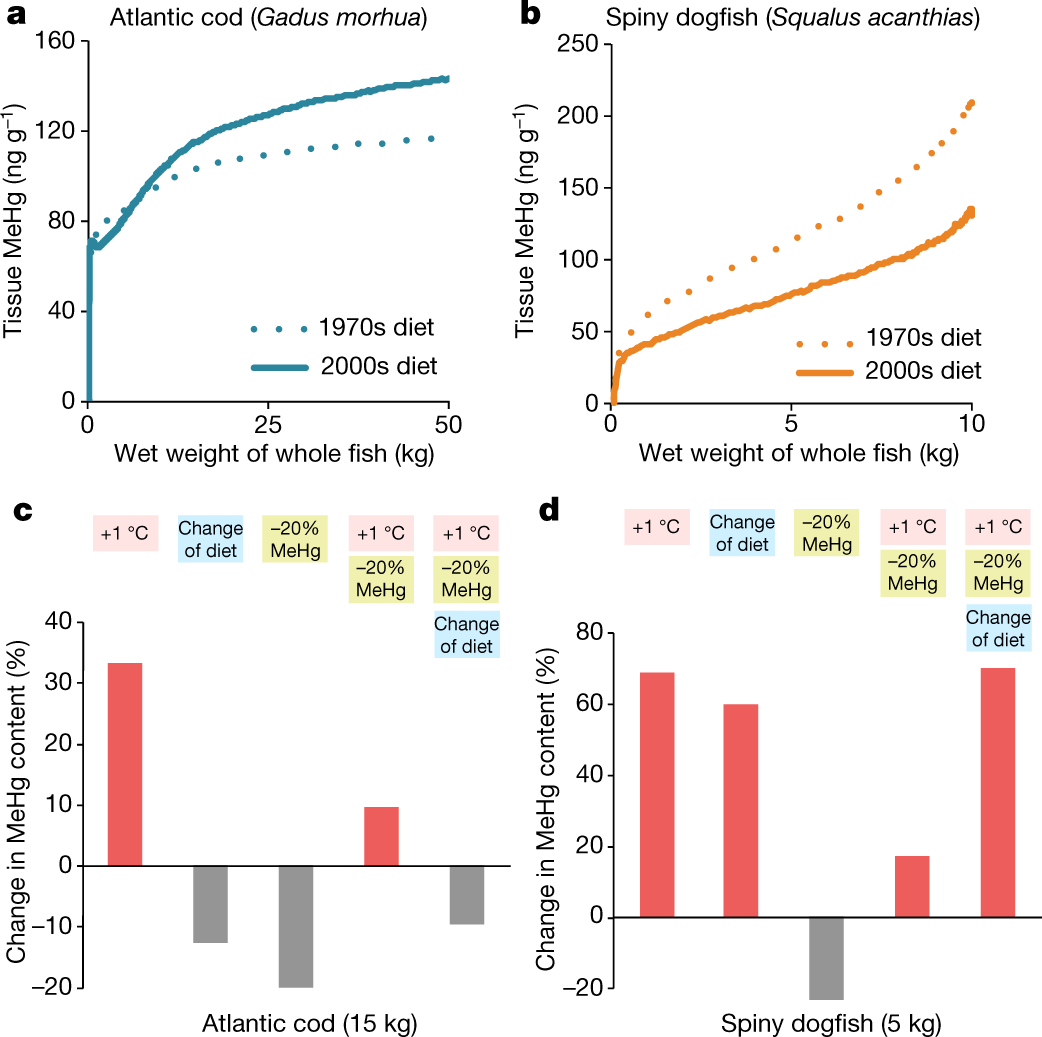
More than three billion people rely on seafood for nutrition. However, fish are the predominant source of human exposure to methylmercury (MeHg), a potent neurotoxic substance. In the United States, 82% of population-wide exposure to MeHg is from the consumption of marine seafood and almost 40% is from fresh and canned tuna alone1. Around 80% of the inorganic mercury (Hg) that is emitted to the atmosphere from natural and human sources is deposited in the ocean2, where some is converted by microorganisms to MeHg. In predatory fish, environmental MeHg concentrations are amplified by a million times or more. Human exposure to MeHg has been associated with long-term neurocognitive deficits in children that persist into adulthood, with global costs to society that exceed US$20 billion3. The first global treaty on reductions in anthropogenic Hg emissions (the Minamata Convention on Mercury) entered into force in 2017. However, effects of ongoing changes in marine ecosystems on bioaccumulation of MeHg in marine predators that are frequently consumed by humans (for example, tuna, cod and swordfish) have not been considered when setting global policy targets. Here we use more than 30 years of data and ecosystem modelling to show that MeHg concentrations in Atlantic cod (Gadus morhua) increased by up to 23% between the 1970s and 2000s as a result of dietary shifts initiated by overfishing. Our model also predicts an estimated 56% increase in tissue MeHg concentrations in Atlantic bluefin tuna (Thunnus thynnus) due to increases in seawater temperature between a low point in 1969 and recent peak levels—which is consistent with 2017 observations. This estimated increase in tissue MeHg exceeds the modelled 22% reduction that was achieved in the late 1990s and 2000s as a result of decreased seawater MeHg concentrations. The recently reported plateau in global anthropogenic Hg emissions4 suggests that ocean warming and fisheries management programmes will be major drivers of future MeHg concentrations in marine predators.
First farm to grow veg in a desert using only sun and seawater | New Scientist
The world's first commercial seawater greenhouse has been launched in Australia, using solar power and desalinated seawater to grow tomatoes in a desert

The invasive soft coral Xenia umbellata has been confirmed in Cuban waters
Octocoral colonies with unusual morphology were detected in September 2022 and October 2023 in two coastal areas east of Havana, Cuba, and tentatively identified as Unomia stolonifera. U. stolonifera is an invasive octocoral from the Indo-Pacific that was first reported in the Caribbean off Venezuela in the 2000s, where it has spread rapidly, smothering coral reefs and substantially altering benthic communities. After obtaining tissue samples from a Cuban octocoral colony, we re-examined the specimen using molecular barcoding of three mitochondrial regions (16S/ND2, mtMutS, COI) and the nuclear large ribosomal subunit (28S rRNA), and we unequivocally identified it as Xenia umbellata. X. umbellata, a native of the Red Sea, was first identified in southern Puerto Rico in October 2023 and has since been found in various marine ecosystems along the southern coast of the island. The presence of either invasive octocoral species in Cuba or elsewhere in the Caribbean would be of a serious environmental concern due to their documented tolerance, totipotentiality, propagation capacity and significant negative interactions with local benthic fauna. Attempts to eradicate the invasive soft coral colonies from Cuban waters have been initiated with apparent success, helping to control further expansion. The most likely introduction pathway is the accidental or intentional releases from the aquarium trade but transport via ballast water cannot be ruled out. We cannot discount the possibility of independent invasion events from different routes to Puerto Rico and Cuba occurring within a year of each other. Propagation from Cuba to Puerto Rico, or vice versa, which we consider highly improbable, would likely imply that soft coral populations may also have been established on Hispaniola but have remained undetected in the Dominican Republic and Haiti to date.
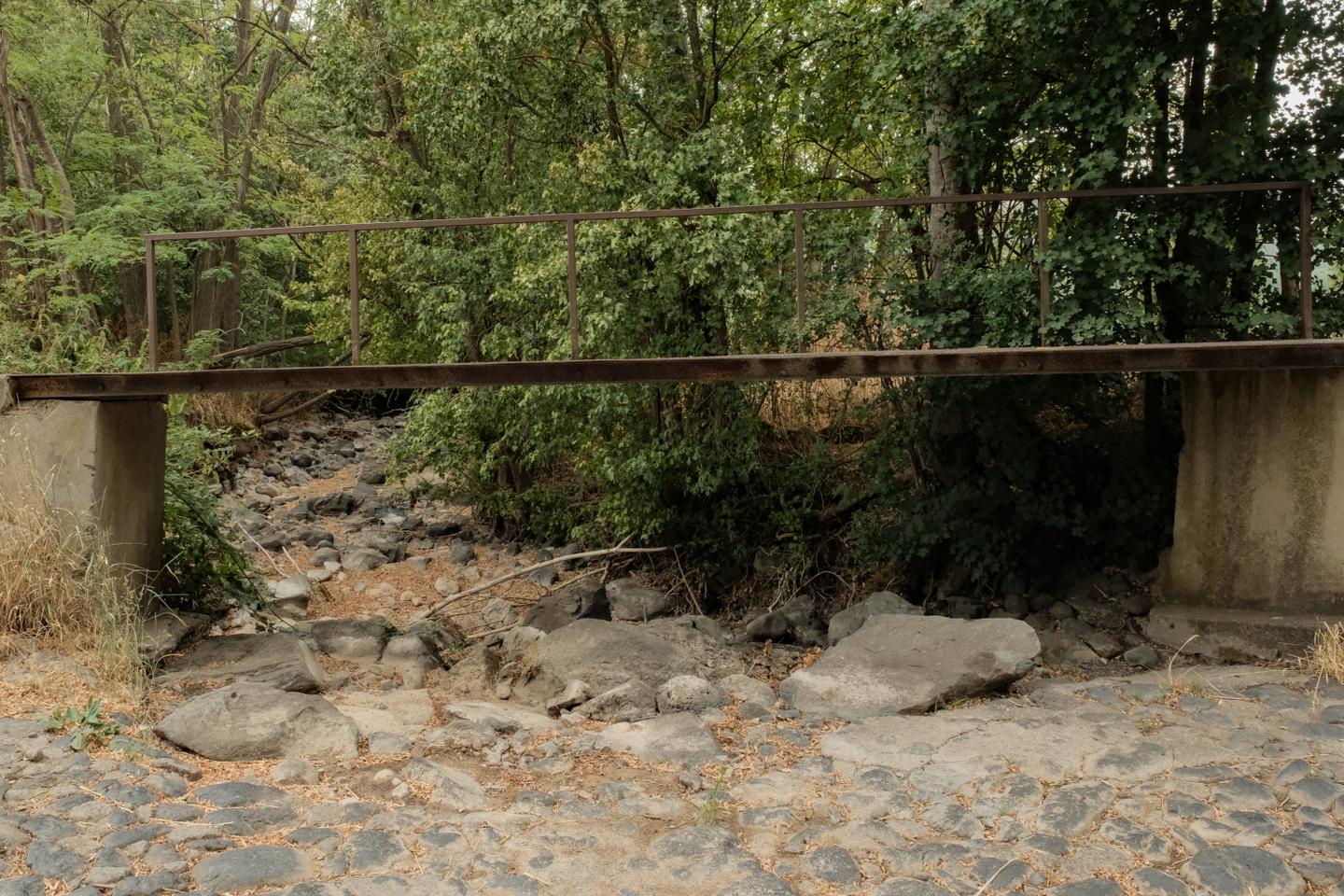
Thibault Datry, écohydrologue : « Des rivières qui, de mémoire d’homme, ne s’étaient jamais asséchées ne coulent plus »
Le spécialiste de l’eau à l’Institut national de recherche pour l’agriculture, l’alimentation et l’environnement explique, dans un entretien au « Monde », le rôle majeur des petits cours d’eau pour les écosystèmes et les activités humaines, et l’importance de les préserver.
Marine Biodiversity Observation Network
A global collaborative initiative contributing to the effective management of marine biodiversity and ecosystem services. A thematic node of GEO BON.
On Atproto and Atmospheric Groups - The Tropopause
I'm starting A Fresh Blog(tm), this time on Pckt. I wanted a dedicated space to post about development, atproto, and community thoughts, and a new space felt li...
The Sea Life Making a Home in Offshore Wind Farms | Atmos
Offshore wind farms can pose risks to birds and marine life. But their foundations also serve as artificial reefs, offering essential habit.