

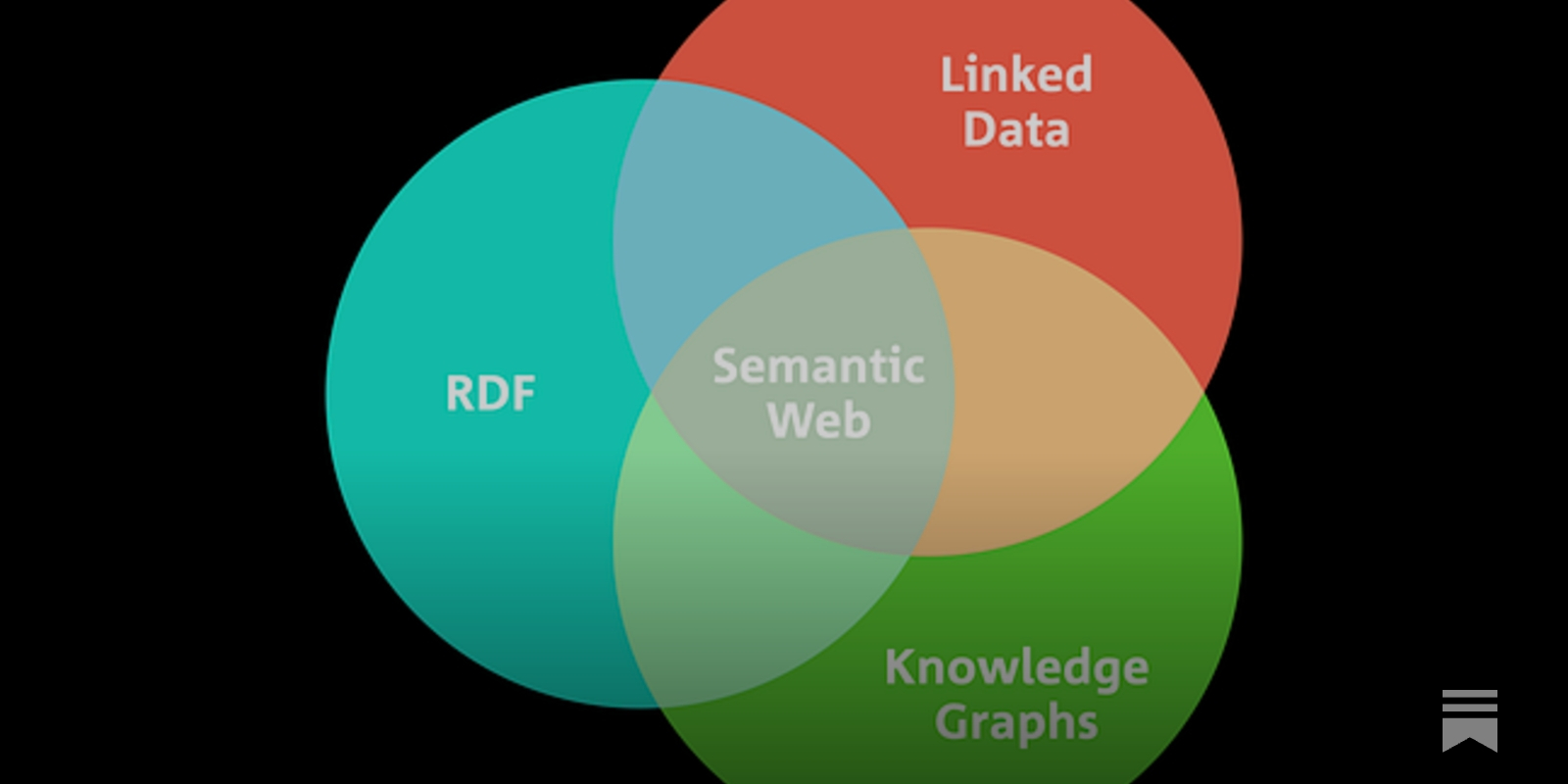
Model the world you want to live in.
Technically Radical
They're so thoroughly hypnotized by the short-term victory of global capitalism that they can't surf the new paradigm, look to the longer term. – Charles Stross, Accelerando One obvious role for a radical intellectual is to do precisely that: look at those who are creating viable alternatives, try to figure out what might be the larger implications of what they are (already) doing, and then offer those ideas back [to the world], not as prescriptions, but as contributions, possibilities—as gifts. – David Graeber, Fragments of an Anarchist Anthropology Over 2024, we saw major tech investors and company owners overtly turn toward the right, overtly backing Donald Trump in his electoral campaign....
Technically Radical
They're so thoroughly hypnotized by the short-term victory of global capitalism that they can't surf the new paradigm, look to the longer term. – Charles Stross, Accelerando One obvious role for a radical intellectual is to do precisely that: look at those who are creating viable alternatives, try to figure out what might be the larger implications of what they are (already) doing, and then offer those ideas back [to the world], not as prescriptions, but as contributions, possibilities—as gifts. – David Graeber, Fragments of an Anarchist Anthropology Over 2024, we saw major tech investors and company owners overtly turn toward the right, overtly backing Donald Trump in his electoral campaign....
Motivating The Case for Decentralized Social Identity: Part One
RadicalxChange Foundation is an international nonprofit advancing participatory governance for the age of AI, championing Plurality to keep human agency and democratic participation at the wheel.
The Direction of Interoperability
Talking in terms of horizontal or vertical interoperability is too constrictive a mental model to understand what interoperability does. Doing better matters, and it's right within reach.

RadicalxChange
We are a community of activists, artists, entrepreneurs, and scholars committed to using mechanism design to inspire radical social change.

Eventual Interoperability – Pieter Colpaert
A pragmatic approach to interoperability: model your data richly for your own needs, then allow the eventual creation of one‑to‑many alignments.

Interoperable Serendipity
If you had asked my thoughts on interoperability some years ago, I wouldn't have had much to say. Nowadays, it has become one of my most revered ideals. And today, I want to take you along for a journey towards its summum: Interoperable Serendipity.

Can these radical institutional reforms get capitalism & democracy working better?
Freewheeling economist Glen Weyl is on a warpath to reform liberal democratic institutions in order to save them.

The State Department’s X Directive and the End of Platform Independence
A cable endorsing a social media platform by name as a tool of U.S. diplomacy and military psychological operations would have been unthinkable—until recently.

Radical expectations: how the New Left changed economics
In the 1970s radical economists campaigned to reform their discipline and their universities. They became journalists and activists, moving beyond academia, to forge new models of public engagement and collaborative knowledge in economic life. Radical Expectations tells the story of how these economists set out to make economics more democratic. It traces their campaign to bring protest movements to the campuses, triggering the emergence of an alternative understanding of expertise directed at validating and empowering the perspectives and voices of women, Black Americans, labor activists, and the urban poor. It shows how a radical identity formed and how radicals helped reform disciplinary institutions. Furthermore, it argues that the radical economics' legacy was the development of a language and models of expert-lay collaboration that empowers direct action in economic affairs. The book is about the community of radical economists who championed the promise of change and what came of it

Commoning as a Transformative Social Paradigm | David Bollier
Every so often I am invited to write a piece that in effect answers the question, “Why the commons?” I invariably find new answers to that question each time that I re-engage with it. My latest attempt is an essay, “Commoning as a Transformative Social Paradigm,” which I wrote for the Next System Project as part of its series of proposals for systemic alternatives.
Capitalism, Democracy, and Du Bois’s <em>Two</em> Proletariats
[epq-quote align="align-right"]"What can be more radical or liberating than freedom and justice for all?"[/epq-quote] As an ideal, liberal democracy has great appeal. What can be more radical or liberating than...
Interoperable Sovereignty: The Democratic Alternative to Digital Authoritarianism
A Democratic Architecture for the Digital Age Digital sovereignty has become a central concern for governments worldwide, yet its meaning remains contested. Too often it is framed as...

‘Polarization’ has become the master concept for diagnosing our current democratic crisis. But this is not polarization. It is the radicalization of the political right. By misdiagnosing it, we risk becoming complicit in the crisis. 🧵 Just out in Perspectives on Politics doi.org/10.1017/S1537592726105246

