

Or: Why I (still) use Semantic Web technology.
About HTML semantics and front-end architecture – Notes by Nicolas Gallagher
A critical look the term 'semantic HTML' and the limitations it has created for web engineers

Alex Russell | Web Components and Model Driven Views | Fronteers 2011
There's a lot of tension between today's markup and the semantics we're trying to express in our apps. HTML5 adds a few new types to help describe common cases, but what about when there's no allegory in markup for what you're building? What we need now is infrastructure, not guilt about being "non-semantic". This talk explores new standards-track work in WebKit that's going to enable say-what-you-mean development in completely new ways.

Cool URIs for the Semantic Web
OWL - Semantic Web Standards
The W3C Web Ontology Language (OWL) is a Semantic Web language designed to represent rich and complex knowledge about things, groups of things, and relations between things. OWL is a computational logic-based language such that knowledge expressed in OWL can be exploited by computer programs, e.g., to verify the consistency of that knowledge or to make implicit knowledge explicit. OWL documents, known as ontologies, can be published in the World Wide Web and may refer to or be referred from other OWL ontologies. OWL is part of the W3C’s Semantic Web technology stack, which includes RDF, RDFS, SPARQL, etc.
Inside Design Tokens: The Three Class Token Society
Design tokens are often grouped based on their phenomenal reference sequence. From basic, over semantic to component tokens. This article compares this organization with a model based architecture and figures out the advantages and disadvantages.
Web Components Are Not the Future
A few years ago I wrote an article suggesting that Web Components might not be the most beneficial...

Linked Data - Design Issues
The Semantic Web isn't just about putting data on the web. It is about making links, so that a person or machine can explore the web of data. With linked data, when you have some of it, you can find other, related, data.
Semantic Web
The Semantic Web, sometimes known as Web 3.0, is an extension of the World Wide Web through standards set by the World Wide Web Consortium (W3C). The goal of the Semantic Web is to make Internet data machine-readable.

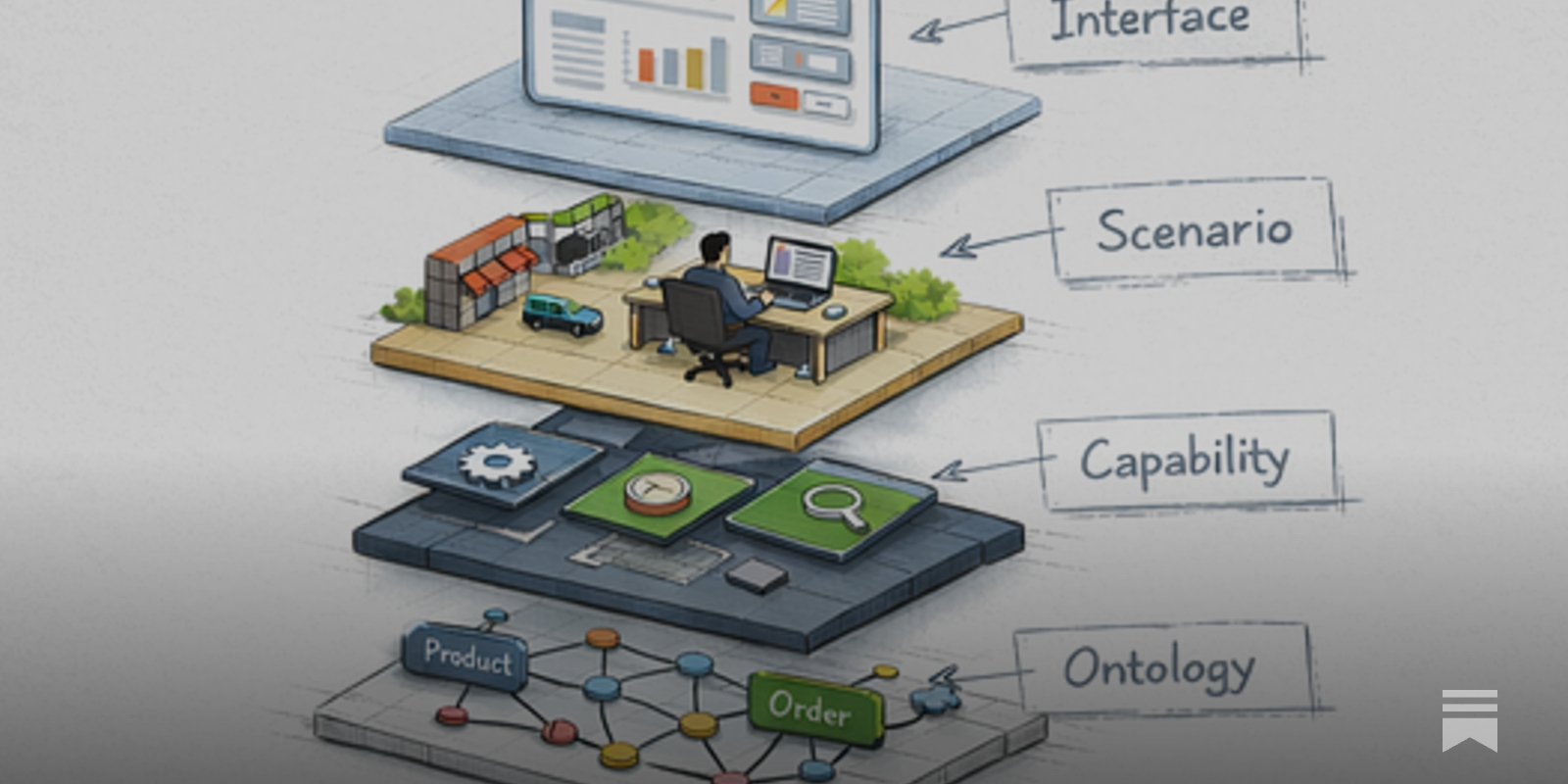
The Ontology Layer of Design
Why words are the most important design tool in the AI era
Semantic computing with IEML - Pierre Lévy, 2023
This paper presents IEML, Information Economy MetaLanguage, a constructed language with the same expressive power as a natural language and with computable sema...

MainPage8
The InfoCentral project has historically been focused more heavily upon the symbolic (human-meaningful) side of AI. This included derivatives of Semantic Web and related knowledge representation research, which were dependent on human effort to curate and categorize structured data. The symbolic approach to AI has largely lost the race to the neuro/neuro-symbolic (opaque vectors, statistical) side of AI research, notably the success of the Large Language Model (LLM) paradigm. Due to its faculties with natural language, remarkably little human involvement is needed to infer structure and meaning from traditional (mostly unstructured) information. As such, some of the approaches previously explored in the InfoCentral project have lost relevance. That said, LLM-based tools can perhaps help us finish the symbolic side of the grand AI project, by doing the tedious work that humans were reluctant to do! It has long been theorized that a combination of approaches will ultimately provide the most robust and performant systems, able to work with messy transient unstructured information while also building networks of verifiable persistent structured information that both humans and machines can cross-verify. This may prove useful in both ensuring that future AI systems remain aligned to human goals and values and that inevitable abuses and failures can be easily recovered from. To that end, some research results of this project may be re-usable in a new context.
Web Components Interoperability | Unpacked
Web Components Interoperability — explained clearly with diagrams.
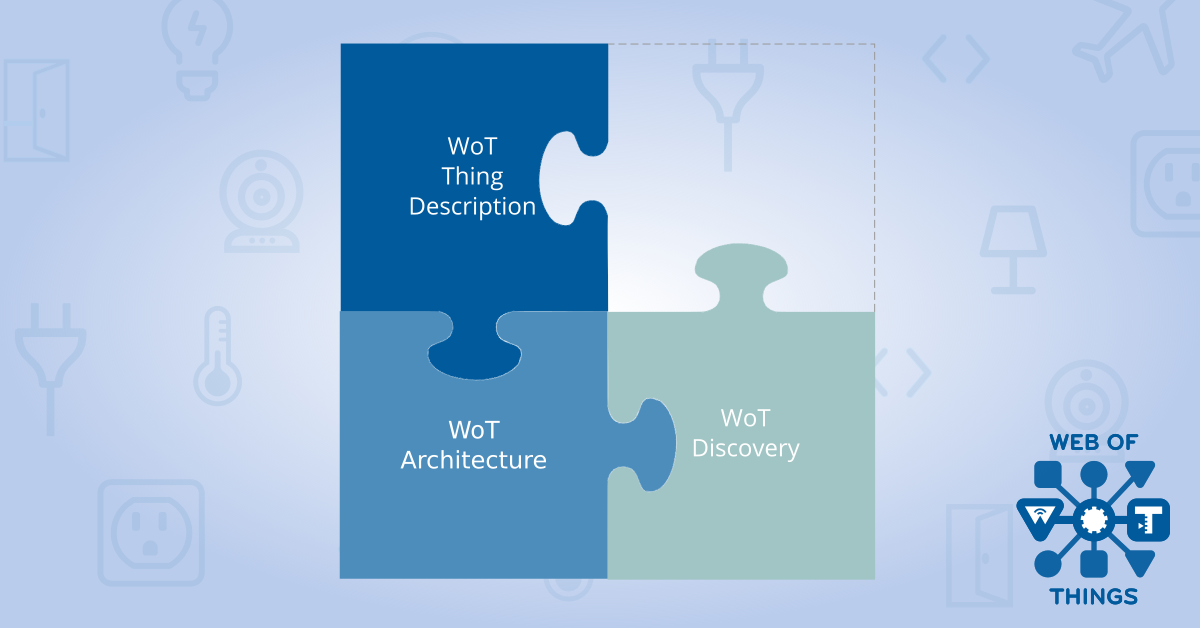
Putting the Web back in the Web of Things
We spent over a decade standardising the Web of Things, but I believe it’s still missing a key component it needs in order to grow. I this blog post I provide a deep-dive retrospective into the last 10+ years of standardisation, how the Web of Things is being used today, and what I believe it is sti
Systems design 3: LLMs and the semantic revolution
Long ago in the 1990s when I was in high school, my chemistry+physics teacher pulled me aside. "Avery, you know how the Internet works, righ...