


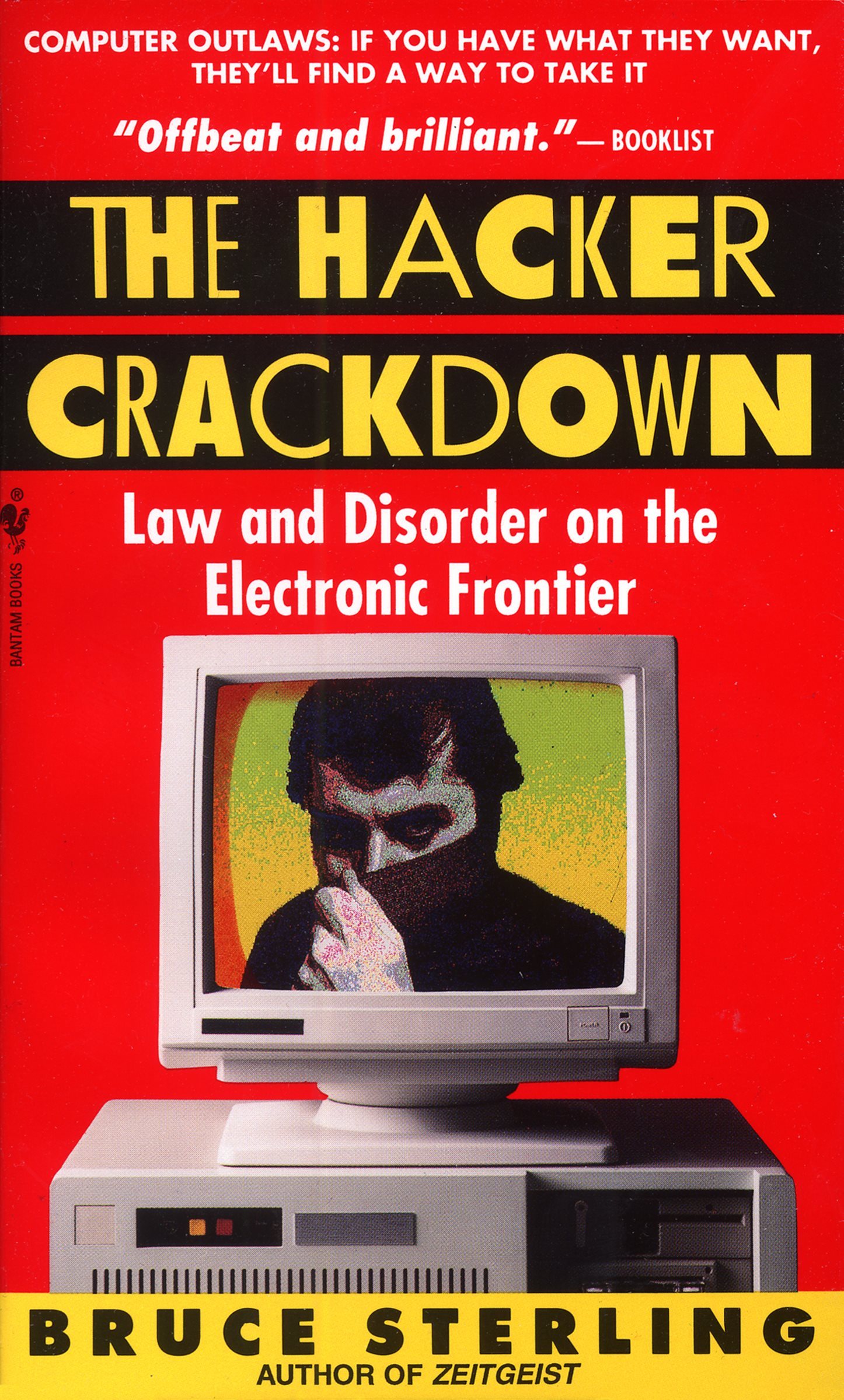
The hacker crackdown: law and disorder on the electronic frontier
A journalist investigates the past, present, and future…
Hacker, Hack Thyself
We’ve read so many sad stories about communities that were fatally compromised or destroyed due to security exploits. We took that lesson to heart when we founded the Discourse project; we endeavor to build open source software that is secure and safe for communities by default, even if there

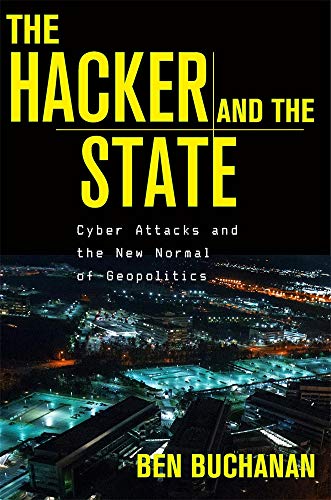
The Hacker and the State: Cyber Attacks and the New Nor…
Packed with insider information based on interviews, de…
Profile: pacjam | Hacker News
Opinion | Internet Hacking Is About to Get Much Worse (Published 2018)
We can no longer leave online security to the market.

“Anything you post on the internet will be there as long as it's embarrassing an... | Hacker News
Profile: wooders | Hacker News
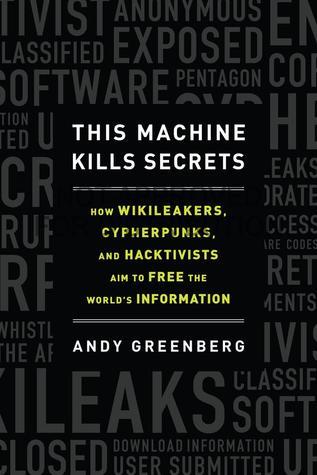
This machine kills secrets: how WikiLeakers, cypherpunks and hacktivists aim to free the world's information
The barbarians aren't at the gates. They're inside. Thi…
Profile: cpfiffer | Hacker News
The Lonely Work of Moderating Hacker News
Can a human touch make Silicon Valley’s biggest discussion forum a more thoughtful place?

How to Responsibly Report on Hacks and Disinformation
The run-up to the 2016 U.S. presidential election illustrated how vulnerable our most venerated journalistic outlets are to a new kind of information warfare. Reporters are a targeted adversary of foreign and domestic actors who want to harm our democracy. And to cope with this threat, especially in an election year, news organizations need to prepare for another wave of false, misleading, and hacked information. Often, the information will be newsworthy. Expecting reporters to refrain from covering news goes against core principles of American journalism and the practical business drivers that shape the intensely competitive media marketplace. In these cases, the question is not whether to report but how to do so most responsibly. Our goal is to give journalists actionable guidance.
HACKING – A Hacker Manifesto
The apologists for the vectoral interest want to limit the se- mantic productivity of the term “hacker” to a mere crimi- nality, precisely because they fear its more abstract and multiple potential—its class potential. Everywhere one hears rumors of the hacker as the new form of juvenile delinquent, or nihilist vandal, or servant of organized crime. Or, the hacker is presented as a mere harmless subculture, an obsessive garage pursuit with its restrictive styles of appear- ance and codes of conduct. Everywhere the desire to open the virtuality of information, to share data as a gift, to ap- propriate the vector for expression is represented as the object of a moral panic, an excuse for surveillance, and the re- striction of technical knowledge to the “proper authorities.” This is not the first time that the productive classes have faced this ideological blackmail. The hacker now appears in the official organs of the ruling order alongside its earlier ar- chetypes, the organized worker, the rebellious farmer. The hacker is in excellent company
The Definitive Story of “Information Wants To Be Free”
The most famous phrase in “Hackers” wasn’t in the book.

Real Hackers Tell Us Why They Love the Movie 'Hackers'
We asked a bunch of hackers why they love the over-the-top, cult 90s movie 'Hackers.'

Hackers: Heroes of the Computer Revolution
A mere fifteen years ago, computer nerds were seen as m…
