

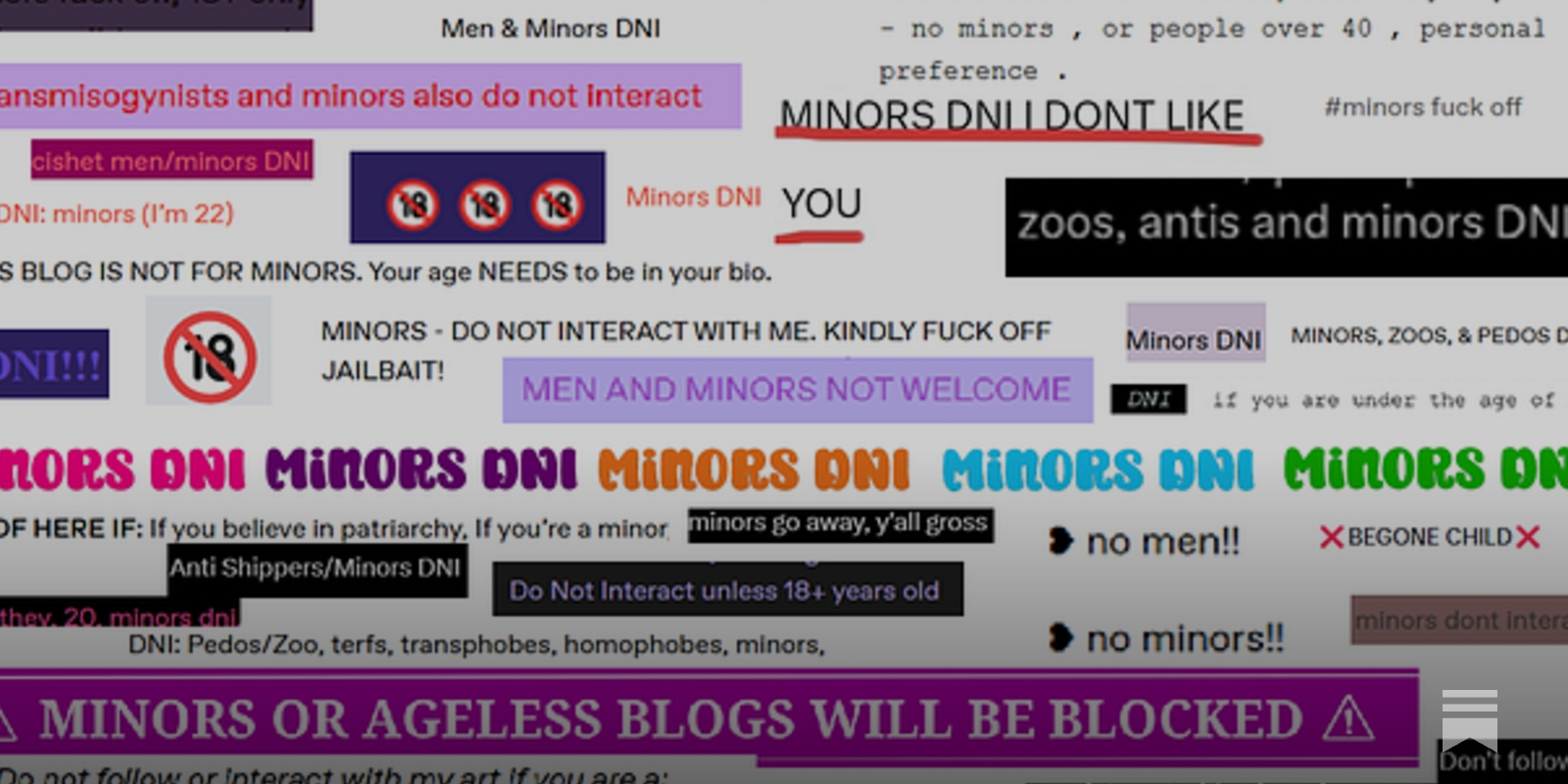
Against the collective neglect of the young.
Unaccompanied immigrant minors face growing hurdles from the Trump administration crackdown
Many children are having to defend their cases alone before immigration judges, without lawyers, while the government has made it harder for them to leave the shelter system and reunite with their families

Commission publishes guidelines on the protection of minors
On 14 July 2025, the Commission has published its guidelines on the protection of minors under the DSA to ensure a safe online experience for children and young people.
Young people five times more likely to have no friends than a decade ago | IPPR
The number of young people with no close friends has increased five-fold since 2014Gen Z are more isolated, more distressed and less productive than previo

Parenting | The Paper Pilot
The Paper Pilot's digital garden of thoughts on philosophy, politics, and sociology
The Possibilities for Child Liberation
Children's liberation movements have challenged the notion that limited responsibilities for young people must come with limited rights.
U.S. Social Media Regulations for Minors
The digital lives of American children and teenagers have become a focal point of intense national debate and legislative action. ContentsThe Federal Foundation: The Children’s Online Privacy Protection Act (COPPA)The State-Level Surge: A Patchwork of New RulesThe Next Generation of Federal Law: Congress Weighs InThe Constitutional Crossroads: Free Speech vs. State RegulationThe Great Debate: Voices […]

How the KOSA and KIDS Acts will Harm Vulnerable Teenagers
KOSA & the KIDS Act harm vulnerable teenagers by cutting them off from online communities & support systems, & could be used to censor LGBTQ content for minors.

Social media and youth mental health: Simple narratives produce biased interpretations.
The KIDS Act Would Require Age Checks To Get Online
Buried inside the KIDS Act are provisions that will push online services to verify all users’ ages, require government-directed moderation policies for online speech, and even create new rules about
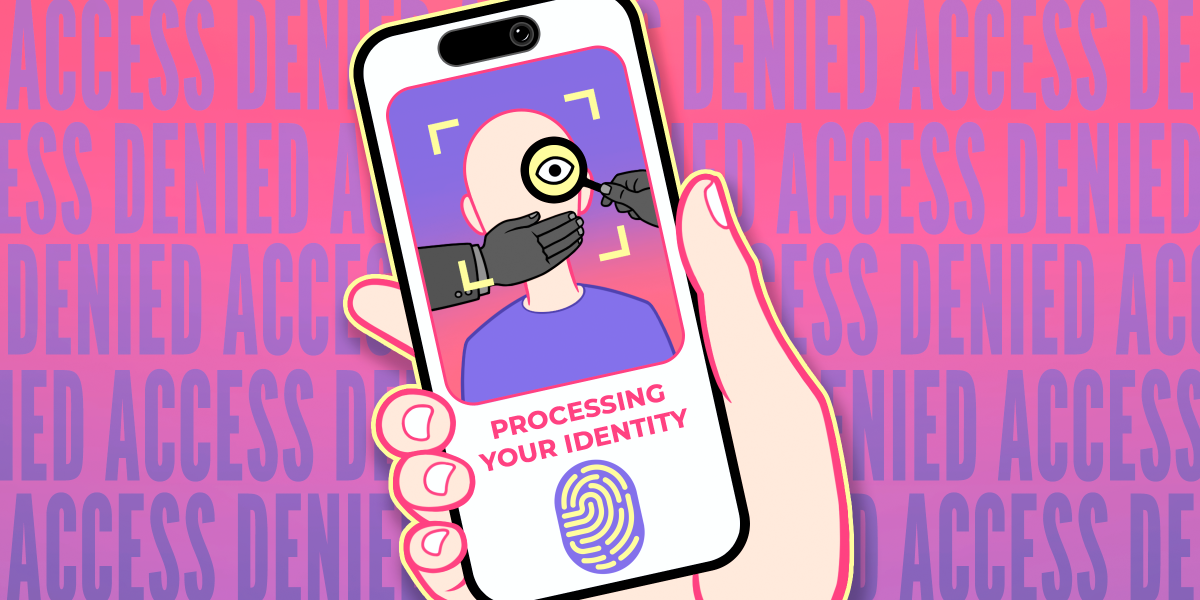
The Harms of Social Media Restrictions and Bans for Minors
How Age-Based Social Media Bans and Restrictions can Negatively impact Youth. The Benefits of Social Media for Youth - Education, Activism & Creating Community

The power imbalance between parent and child leaves a trace | Aeon Essays
Nobody quite recovers from being a child: the asymmetry of power between parents and children always leaves a trace
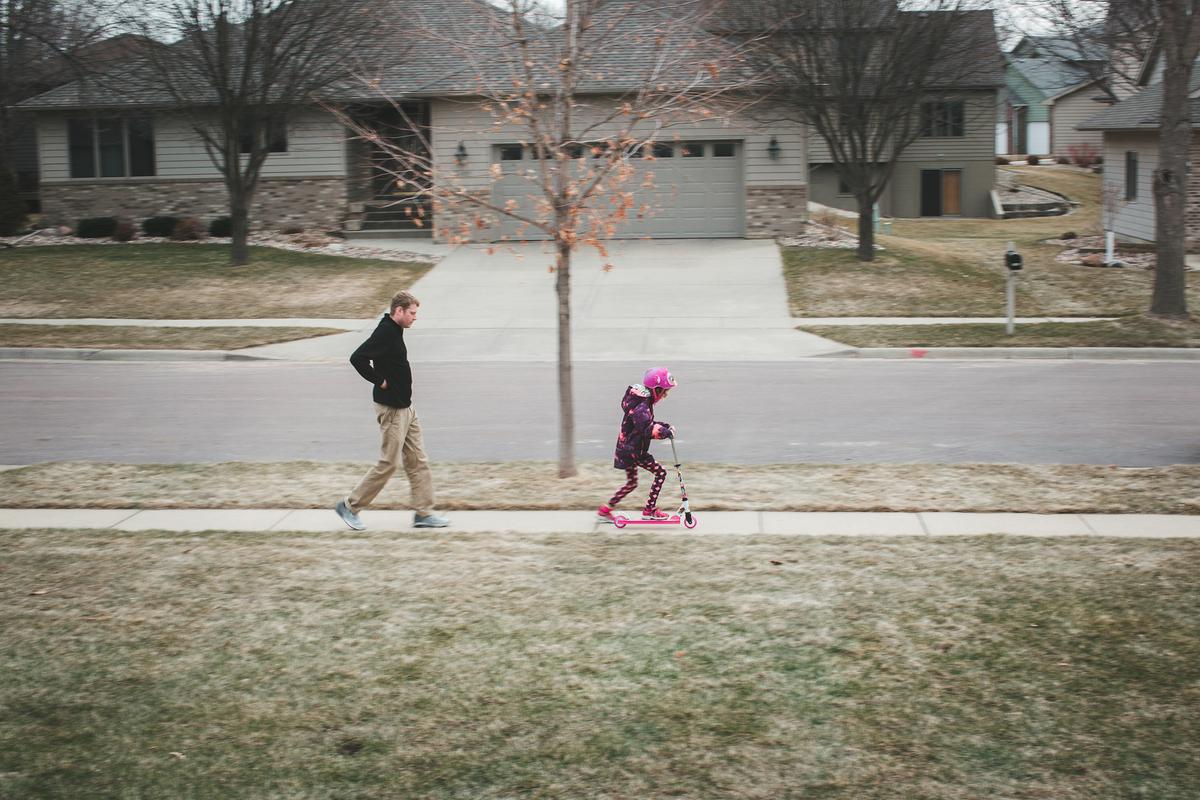
A Rule is to Break
Simply celebrating childhood: the joy, the wonder of discovery, the spontaneity, and strong emotions Wild Child is free to do as she pleases. <i>A Rule Is To Break: A Child's Guide to Anarchy</i> follows Wild Child as she learns about just being herself and how that translates into kid autonomy. It presents the ideas of challenging societal expectations and tradition and expressing yourself freely in kid-terms that are both funny and thought provoking—it even functions as a guidebook for adults to understand what it is to be a critically thinking, creative individual. Wild Child is <i>the</i> role model for disobedience that is sometimes civil.<br><br> Mostly pictures (that are cute!) and a little text, and looks good, but don't expect much of a lesson in real anarchy! For ages 4 and up!

Child Liberation | The Paper Pilot
The Paper Pilot's digital garden of thoughts on philosophy, politics, and sociology
Parenting - Fable | Stories for everyone
Delivering the world’s best social experience with exceptional stories in service of mental wellness.

Children’s Sense of Fairness as Equal Respect
One influential view holds that children’s sense of fairness emerges at age 8 and is rooted in the development of an aversion to unequal resource distributions. Here, we suggest two amendments to this view. First, we argue and present evidence that children’s sense of fairness emerges already at age 3 in (and only in) the context of collaborative activities. This is because, in our theoretical view, collaboration creates a sense of equal respect among partners. Second, we argue and present evidence that children’s judgments about what is fair are essentially judgments about the social meaning of the distributive act; for example, children accept unequal distributions if the procedure gave everyone an equal chance (so-called distributive justice). Children thus respond to unequal (and other) distributions not based on material concerns, but rather based on interpersonal concerns: they want equal respect.
A growing number of Black boys and young men have stepped into the role of caregiver. Most don’t know or consider themselves “youth caregivers.” They’re just “good” sons and grandchildren. bit.ly/4xCDiAF

Young Black Men and Boys Are Quietly Taking On a Caregiving Crisis Few People See
capitalbnews.org