


How Open Source communities can adapt to AI-generated contributions without overwhelming Open Source maintainers
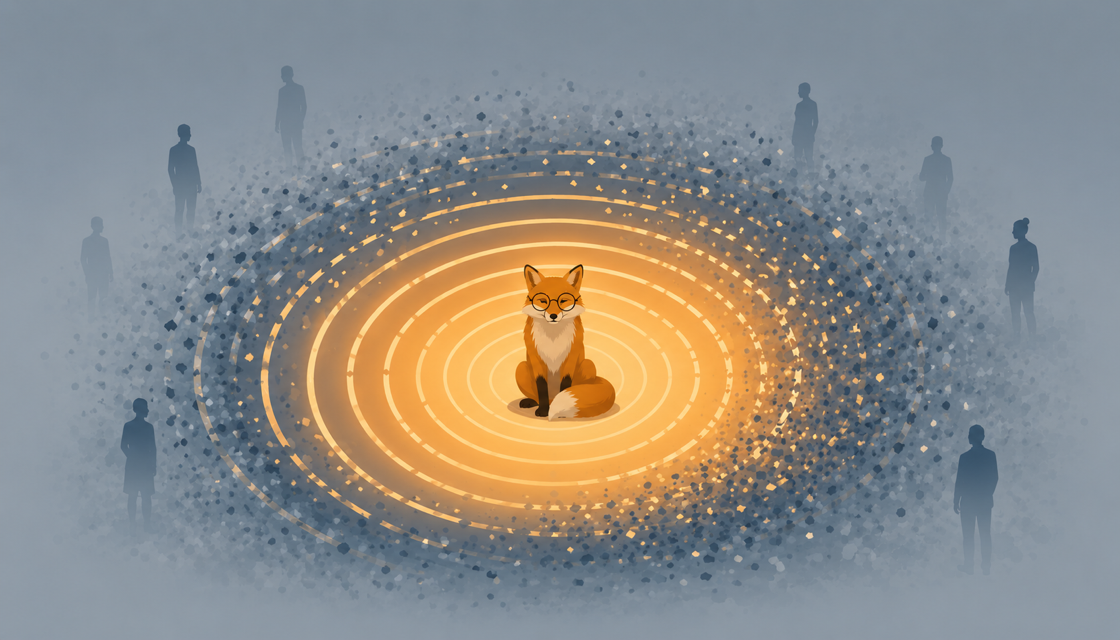
What We're No Longer Seeing: AI and the Invisible Newcomer in Open Source
How AI is absorbing the visible friction that open-source communities have always relied on to see—and welcome—newcomers.
Open source was not ready for AI-speed contributions
AI did not create the maintainer burden problem in open source. It accelerated it. Contributors are being amplified, but maintainers are still the verification bottleneck.
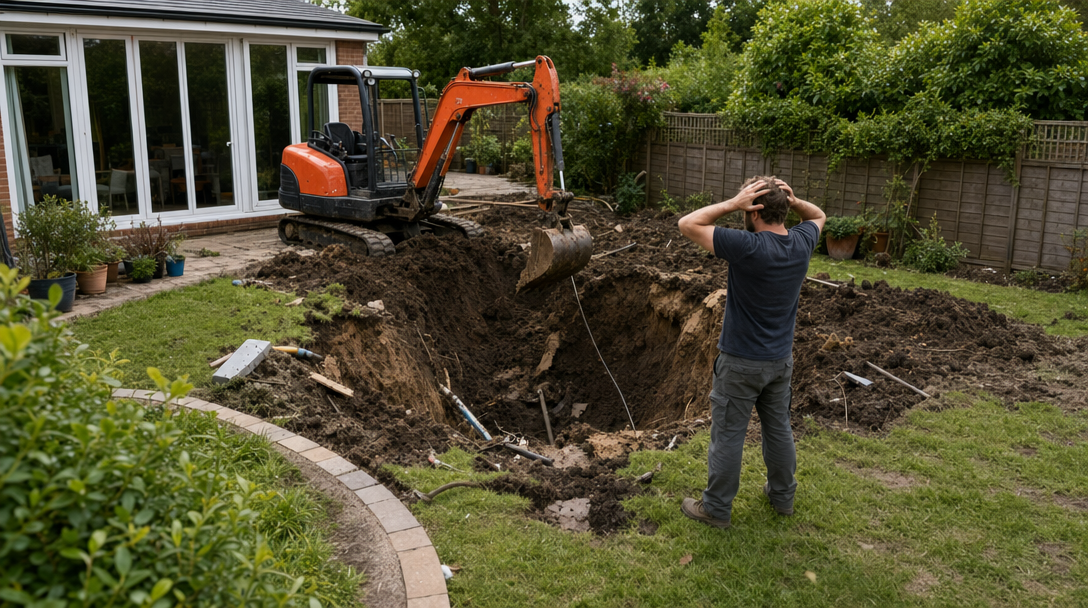
Open source was not ready for AI-speed contributions
AI did not create the maintainer burden problem in open source. It accelerated it. Contributors are being amplified, but maintainers are still the verification bottleneck.
How open source projects need to adapt to the AI coding era | We Love Open Source • All Things Open
A new Carnegie Mellon study shows AI coding tools boost velocity by 281% — then leave codebases harder to work with. Here's what open source communities need to do before the sugar rush wears off.

Open Source AI Policy Landscape — RedMonk Analysis
How foundations and projects are responding to AI-generated contributions. This analysis surveys 88 major organizations.
From OSS to Open Source AI: an Exploratory Study of Collaborative...
AI development is embracing open-source paradigm, but the fundamental distinction between AI models and traditional software artifacts may lead to a divergent open-source development paradigm with...

If AI is so good at coding … where are the open source contributions?
You can hardly get online these days without hearing some AI booster talk about how AI coding is going to replace human programmers. AI code is absolutely up to production quality! Also, you’re all…

AI Contribution Policies
Ready-to-use AI contribution policies for open source projects.
The Arguments Against Open Source AI are Very Bad | Tom Bedor's Blog
The release of Kimi K3 has opened a fresh round of angst and confused discourse. There's a loud cohort of journalists, business leaders, and politicians arguing that open source AI is a dangerous threat. OpenAI's Dean Ball:
Measuring the Impact of Early-2025 AI on Experienced Open-Source Developer Productivity
We conduct a randomized controlled trial to understand how early-2025 AI tools affect the productivity of experienced open-source developers working on their own repositories. Surprisingly, we find that when developers use AI tools, they take 19% longer than without—AI makes them slower.

AI Slopageddon and the OSS Maintainers
AI slop is ripping up the social contract between maintainers and contributors essential to open source development. Practitioners have been repeatedly assured that AI would supercharge their communities, but so far that hasn’t been the case. Just look at what happened last month. Mitchell Hashimoto’s Ghostty implemented a zero-tolerance policy where submitting bad AI-generated code

AI slows down open source developers. Peter Naur can teach us why.
OpenAI launches new initiative to help find and patch open source bugs | TechCrunch
OpenAI is using AI to help the open source community better protect itself.

The Missing Middle of Open Source
Why serious, maintainer-driven projects struggle to sustain themselves—and what it will take to fix it.
Using AI in open source
If you want to use AI to help you contribute to one of the projects I maintain, I would be delighted. But I have rules.

"AI makes it cheaper to contribute to Open Source, but it's not making life easier for maintainers. More contributions are flowing in, but the burden of evaluating them still falls on the same small group of people. That asymmetric pressure risks breaking maintainers." also relevant to slop science
