


Open Source infrastructure is essential, invisible, and chronically underfunded. A more sustainable approach may be to connect the cost of running that infrastructure to the organizations that rely on it most.
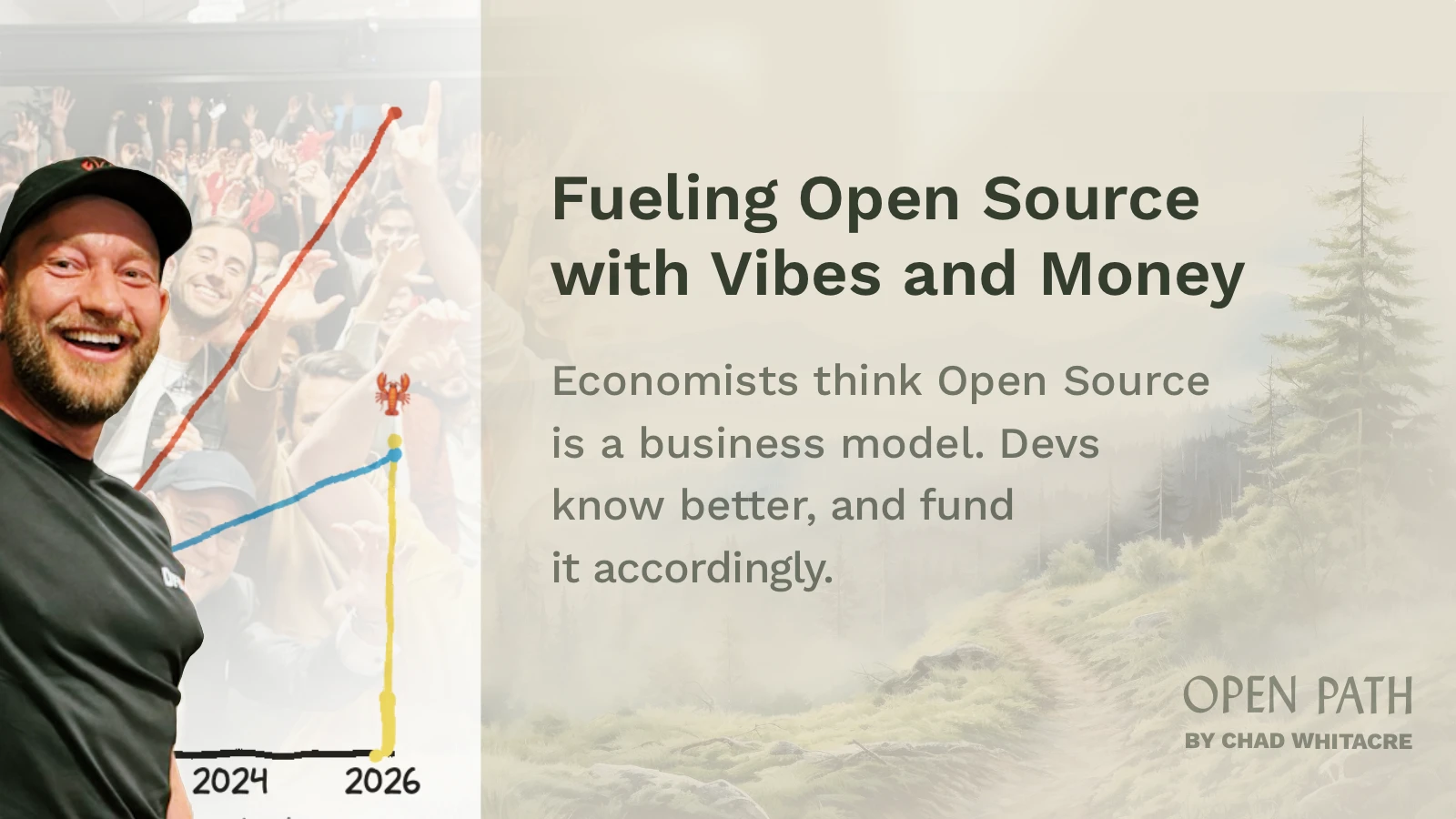
Fueling Open Source with Vibes & Money
Economists think Open Source is a business model. Devs know better, and fund it accordingly.
Ecosystem Mapping — Open Tech Strategies | Blog
All the power of open source comes from throwing in with your neighbors, even the neighbors you don't like very much. For most projects, the main reason to get involved in open source is to create productive relations with as many participants as possible, including rivals. Doing this well requires understanding who is in your ecosystem and how they relate to each other.
Balancing Makers and Takers to scale and sustain Open Source
To scale and sustain Open Source ecosystems in a more efficient and fair manner, Open Source projects need to embrace new governance, coordination and incentive models.

Open source sustainability
While only twenty years ago open-source software was simply a curiosity that attracted the attention of a few academics and was not seriously considered in the software industry, open-source infrastructure today is ubiquitous, powering applications in virtually every domain.
What does a sustainable open source project look like?
Over the past couple years, thanks in part to Nadia Eghbal’s Roads and Bridges report, the world is starting to see the need for long-term…

We need Sustainable Free and Open Source Communities
Sustainable Free and Open Source software is not about business models, it’s about building sustainable communities.

Open Source Sustainability
The status quo in open source is broken. Corporations profit hugely from open source libraries, and give almost nothing back, which leans to burnout which is bad for everyone.

The emerging economic paradigm of Open Source
The following commentary is part of First Monday's Special Issue #2: Open Source. Open Source developers have, perhaps without conscious intent, created a new and surprisingly successful economic paradigm for the production of software. Examining that paradigm can answer a number of important questions. It's not immediately obvious how Open Source [1] works economically. Probably the worst consequence of this lack of understanding is that many people don't understand how Open Source could be economically sustainable, and some may even feel that its potential negative effect upon the proprietary software industry is an overall economic detriment. Fortunately, if you look more deeply into the economic function of software in general, it's easy to establish that Open Source is both sustainable and of tremendous benefit to the overall economy. Open Source can be explained entirely within the context of conventional open-market economics. Indeed, it turns out that it has much stronger ties to the phenomenon of capitalism than you may have appreciated.
Open source sustainability | TechCrunch
Open source sustainability has been nothing short of an oxymoron. Engineers around the world pour their sweat and frankly, their hearts into these passion

The New Deal for the Open Source Community
Building the Economic Layer to our Digital Infrastructure
Open Source is a cost-allocation system
Because the right to use the software is not tied to payment, the license does not connect the people who benefit, the people who decide, and the people who bear the costs. Projects have to build those connections deliberately through governance.

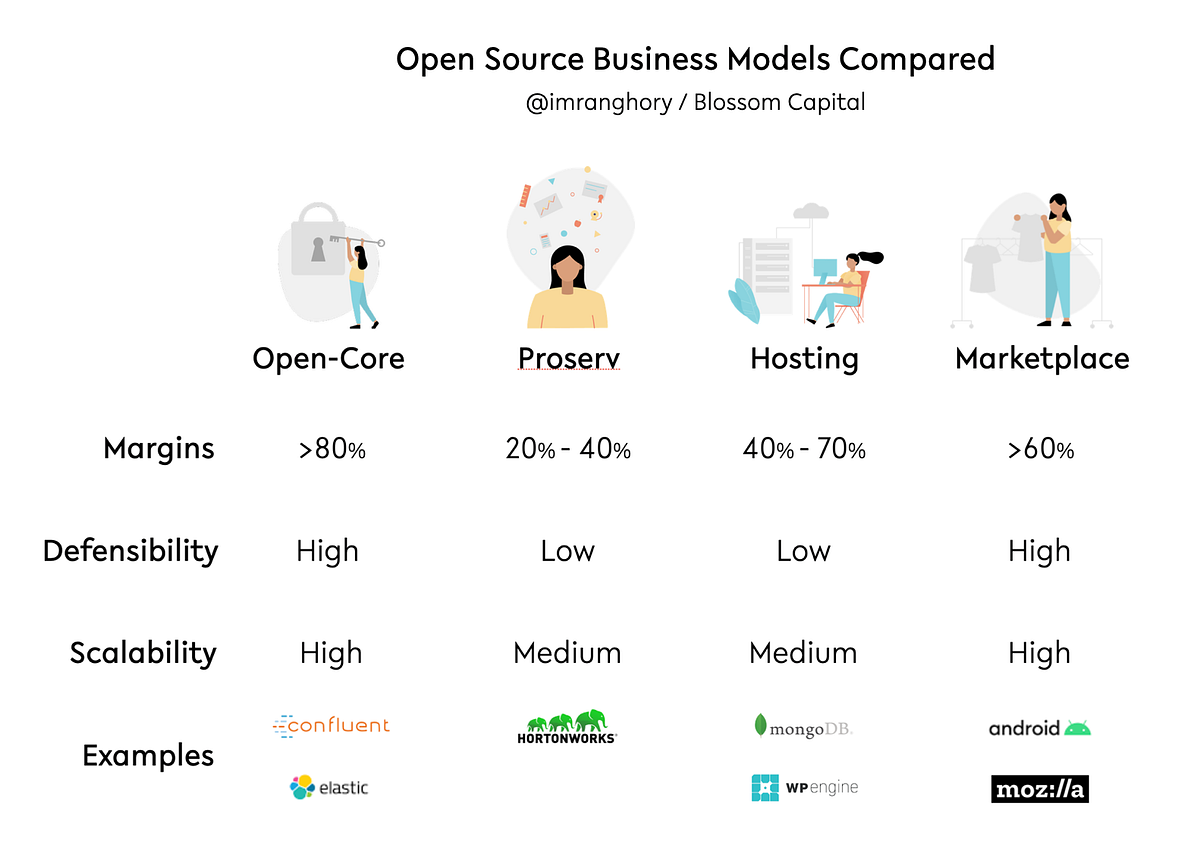
The Secrets of Successful Open Source Business Models
Finding the right model for your open-source startup
Sustainable Open Source: The Maintainers Perspective or: How I Learned to Stop Caring and Love Open Source
How to build a successful business model around open source software
The right approach to open source can be a great revenue model for the software provider — my company did it and we've been profitable since day one.

There is Still NO Open Source Business Model
I wrote a blog post two years ago called There is NO Open Source Business Model. In it, I argued that open source software is really about…

Setting an Open Source Strategy
The majority of companies that use open source understand its business value and identify its advantages in efficiency, flexibility, interoperability, and speed of innovation. Yet only half of these companies report practicing basic open source management, such as community development, code maintenance, and the like, according to the latest Future of Open Source survey.