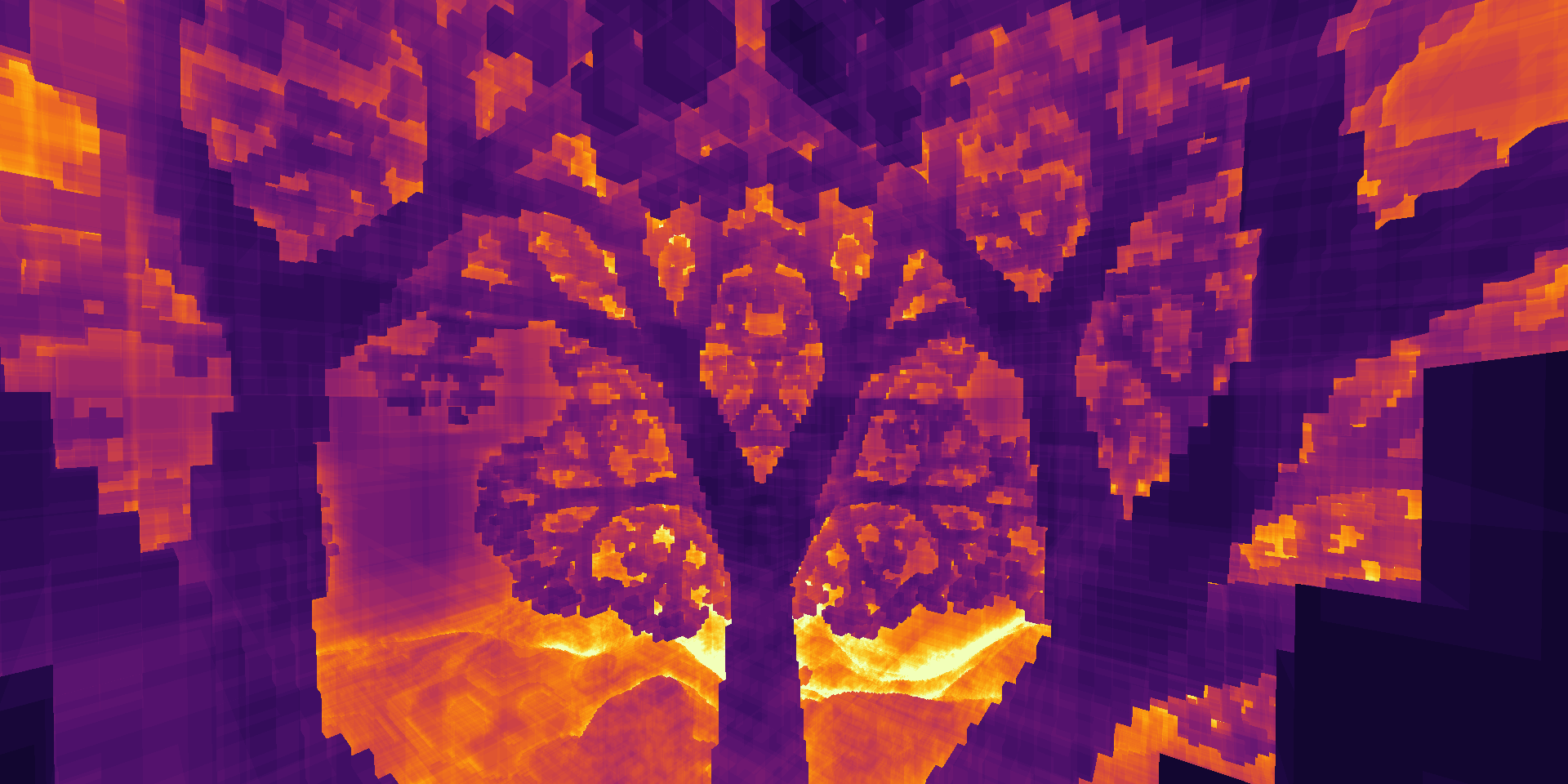
If you have ever tried to ray trace voxels before, you might have heard about Sparse Voxel Octrees. They are one of those ideas that are just simple and clever enough to be intriguing, but not so great to hold in practice at the basic premise.
Vulkan Ray Tracing Tutorial KHR
A comprehensive tutorial for learning Vulkan ray tracing with practical examples.
Sparse Virtual Shadow Maps
Devlogs and tutorials about GPGPU and graphics programming
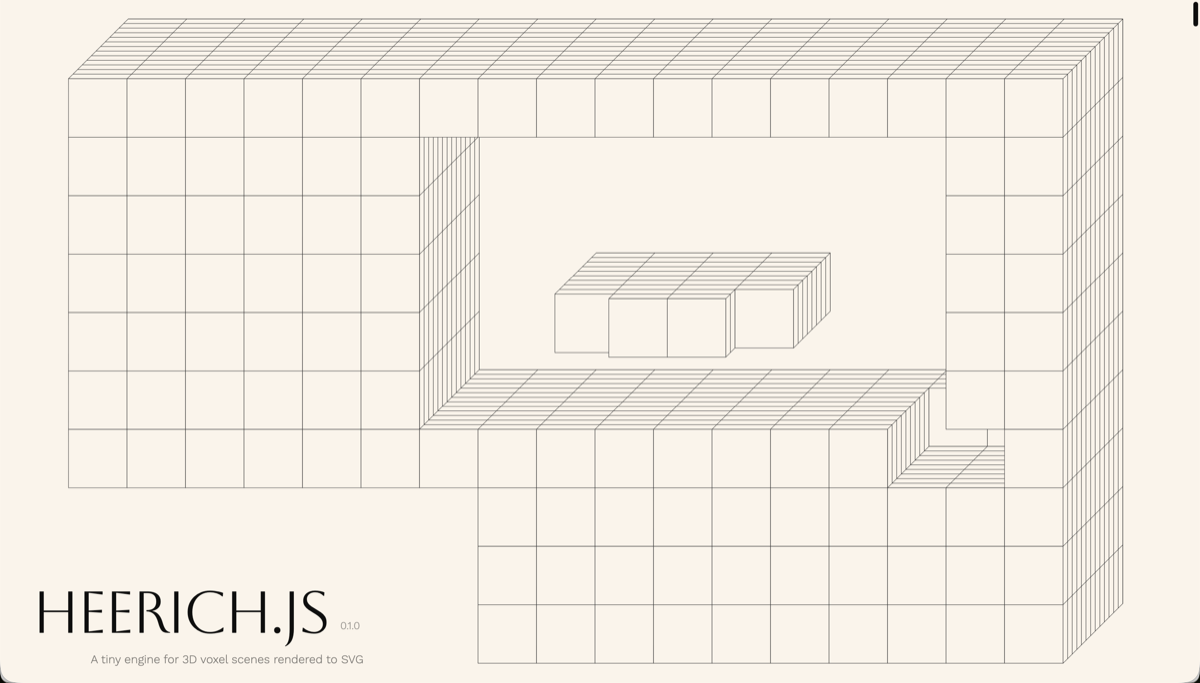
heerich.js
Tiny engine for 3D voxel scenes rendered to SVG — boolean ops, oblique/perspective cameras, zero dependencies.
PINE64
PINE64 is a large, vibrant and diverse community and creates software, documentation and projects. Founded in 2015, it is known for affordable devices that promote user freedom.

"Psycho-material geographies" of 3D spaces, and The Beginner's Guide by Davey Wreden et al
https://www.blog.radiator.debacle.us/2015/10/the-beginners-guide-by-davey-wreden-et.html

Evaluating and Sampling Glinty NDFs in Constant Time
Geometric features between the micro and macro scales produce an expressive family of visual effects grouped under the term 'glints'. Efficiently rendering these effects amounts to finding the highlights caused by the geometry under each pixel. To allow for fast rendering, we represent our faceted geometry as a 4D point process on an implicit multiscale grid, designed to efficiently find the facets most likely to cause a highlight. The facets' normals are generated to match a given micro-facet normal distribution such as Trowbridge-Reitz (GGX) or Beckmann, to which our model converges under increasing surface area. Our method is simple to implement, memory-and-precomputation-free, allows for importance sampling and covers a wide range of different appearances such as anisotropic as well as individually colored particles. We provide a base implementation as a standalone fragment shader.
Consistently faster and smaller compressed bitmaps with Roaring | Daniel Lemire, Computer Science Professor
Computer Science Professor
VoxPort Studio Documentation
Complete guide to recording, publishing, RSS, analytics, and everything VoxPort Studio has to offer.
Room-based maps
There are a couple of different ways to go about creating room-based maps. We'll look at doing this by generating random rectangles, by using random BSP trees and Waveform Function Collapse (WFC).
Rendering Particles with Compute Shaders
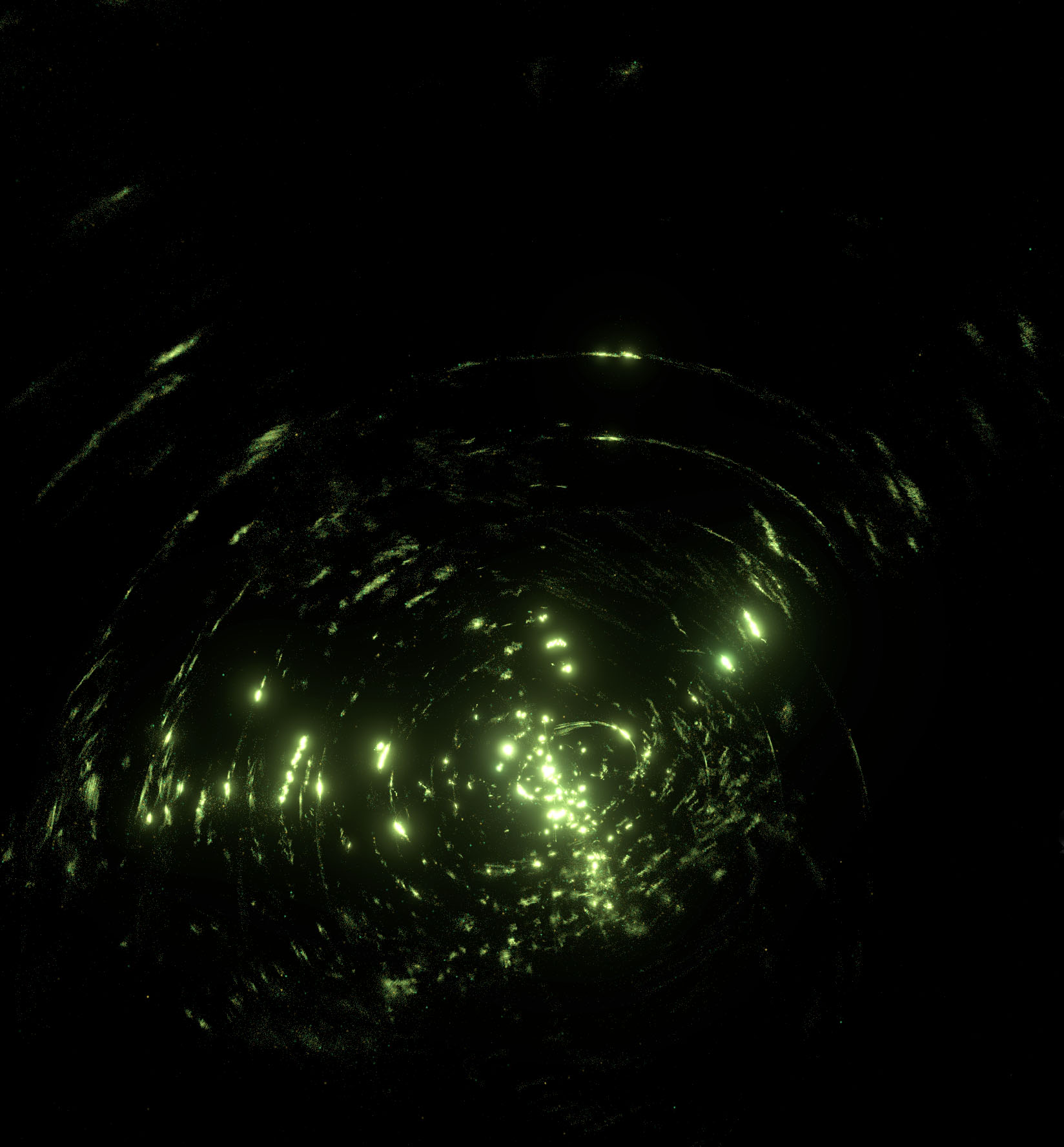
Overview I developed a technique to render single-pixel particles (using additive blending) with compute shaders rather than the usual fixed-function rasterization with vertex and fragment shaders. My approach runs 31–350% faster than rasterization on the cases I tested and is particularly faster for some “pathological” cases (which for my application are not actually that uncommon). I observed these speedups on both NVIDIA and AMD GPUs. Using this technique allowed me to ship an app that runs on minimum-spec hardware without sacrificing visual fidelity.
Binary, Hanoi and Sierpinski, part 1
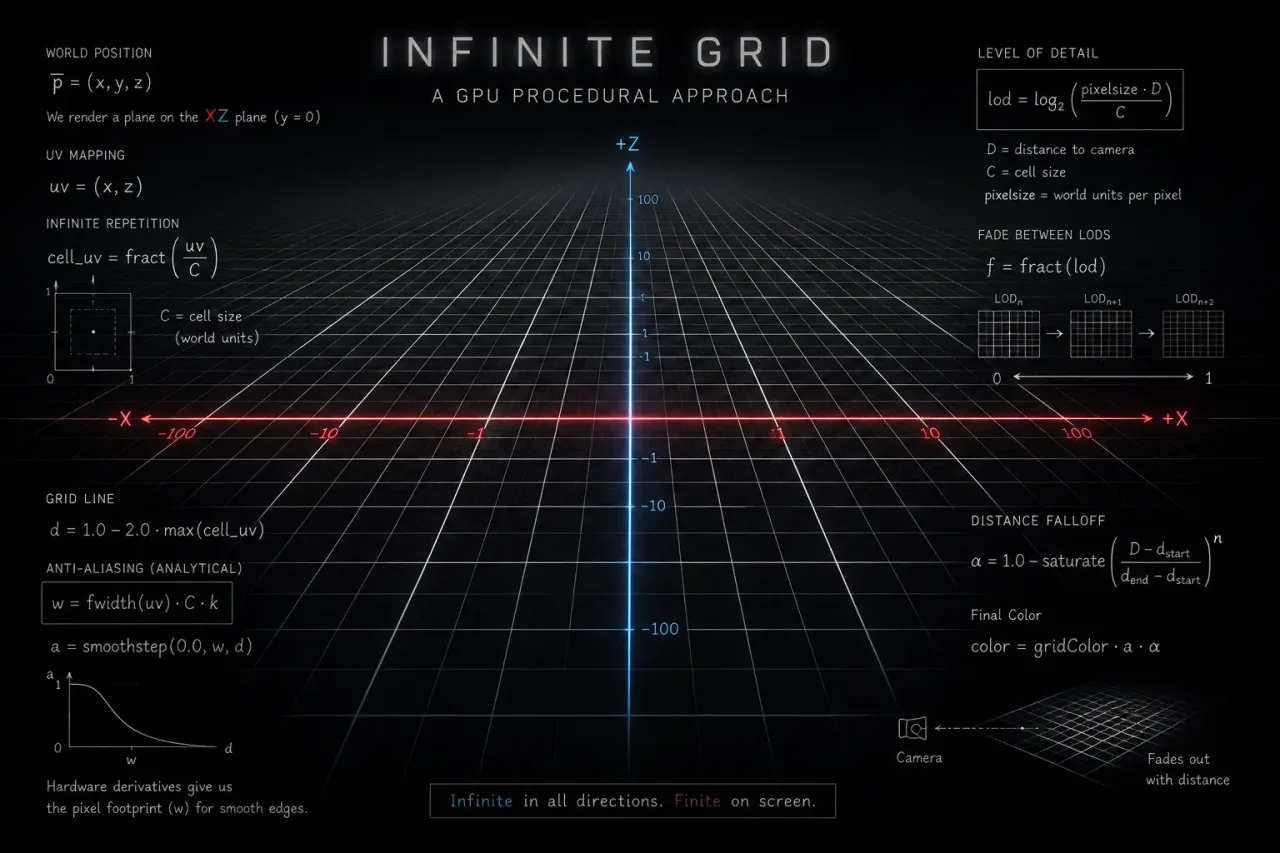
Infinite Grid Shader
Learning to create an infinite grid procedurally using GLSL shaders. This post contains my notes, lessons and findings, and is intended for personal reference. Therefore, you might find errors, misjudgments, and other issues, which are fine by me because my intention was to learn by teaching myself. In a way, I was being my own rubber duck.
Free 3D-Printed Modular Storage 🧱
Boards, bins, drawers, mounts — all free to download. Build a setup that grows with you.