

Systems engineering firm that operationalizes emerging technology for high-reliability organizations. Scientific Computing, MBSE, Systems Integration.
The Fractal Organisation Manual: How to diagnose & design organisations using the Viable System Model
In a world of increasing turbulence, the need has never been greater for knowing how to build systems capable of maintaining their viability when all around them is change. This is a follow up to the Fractal Organization published by Wiley almost twenty years ago. It provides practical guidance ...

The Fractal Organisation Manual: How to diagnose & design organisations using the Viable System Model | SCiO - Systems and Complexity in Organisation
RRP: £12.99; Paperback: 192 pp; Publisher: SCiO; ISBN 979-8250847018
ver.ooo
Curious about systems — how they behave, how they fail, and what they get up to when nobody is steering.
Malleable Systems Collective
The Malleable Systems Collective catalogs and experiments with malleable software and systems that reset the balance of power in computing
Reality Blind - Vol. 1
Integrating the Systems Science Underpinning Our Collective Futures
Why design systems are a single point of failure
Tools and techniques to prevent design system collapse
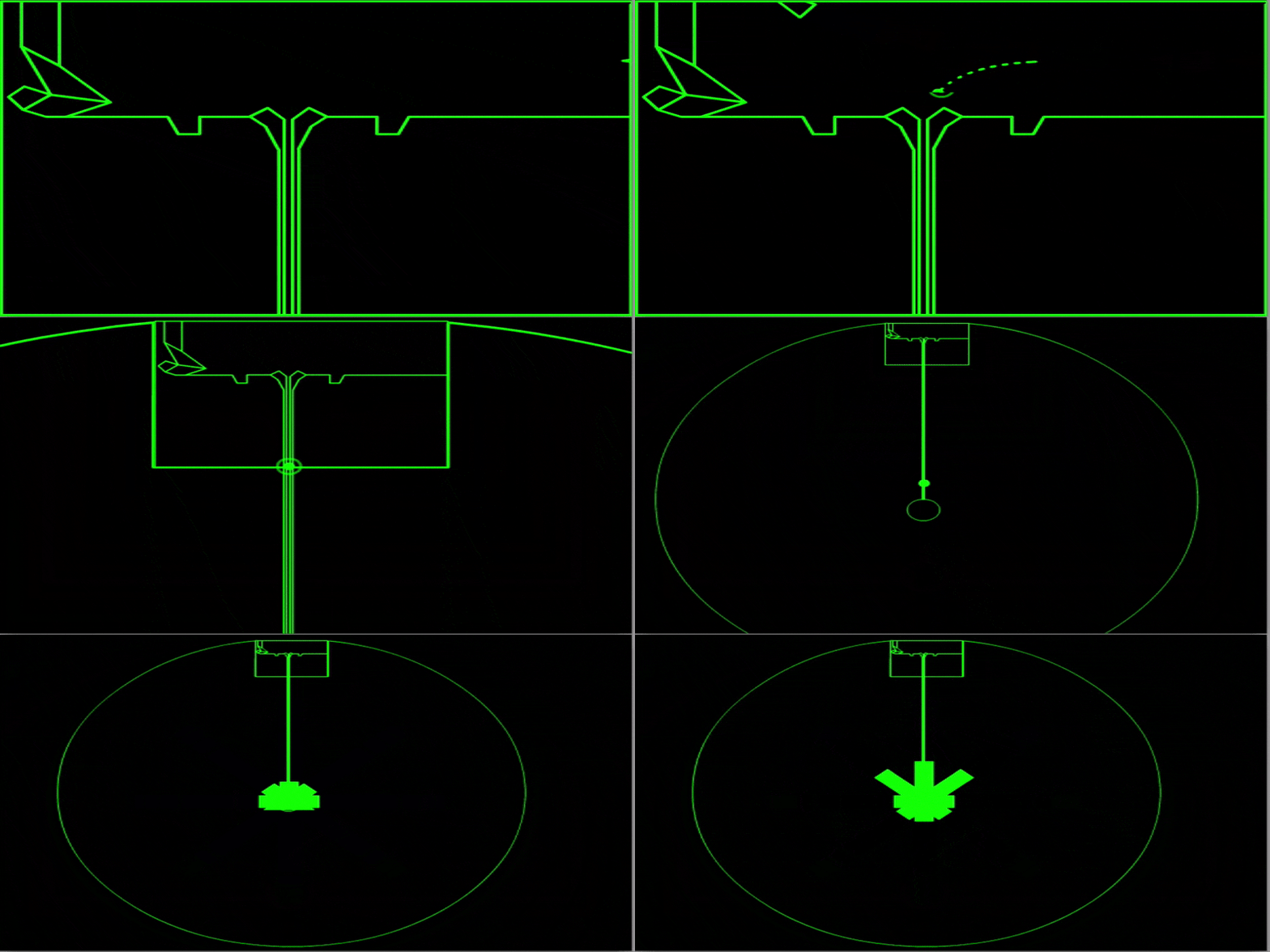
Emergent complexity, agile programming and the future of embedded systems design - Embedded
At the most recent Embedded Systems Conference in Boston, emergentcomplexity was discussed in a class presented by Brian Cruickshank,titled "Keeping Agile

A distributed systems reliability glossary
A list of key concepts for building and testing reliable distributed systems, with basic definitions and deep references.

The Systems Thinker
The Systems Thinker works to catalyze effective change by expanding the use of systems approaches. All articles are available free of charge in an effort to expose as wide of audience as possible. Browse, share with others, save your favorites and tell others about this valuable resource!
How Complex Systems Fail
All of the interesting systems (e.g. transportation, healthcare, power generation) are inherently and unavoidably hazardous by the own nature. The frequency of hazard exposure can sometimes be changed but the processes involved in the system are themselves intrinsically and irreducibly hazardous. It is the presence of these hazards that drives the creation of defenses against hazard that characterize these systems.
Leverage Points: Places to Intervene in a System
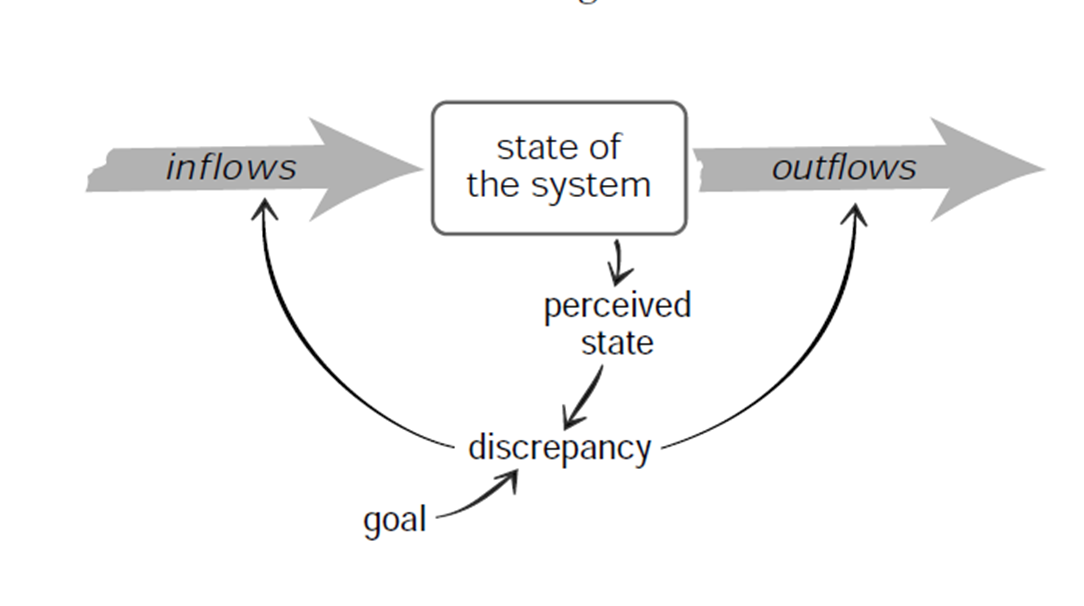
By Donella Meadows~ Folks who do systems analysis have a great belief in “leverage points.” These are places within a complex system (a corporation, an economy, a living body, a city, an ecosystem) where a small shift in one thing can produce big changes in everything. This idea is not unique to systems analysis — […]
Leverage Points: Places to Intervene in a System
By Donella Meadows~ Folks who do systems analysis have a great belief in “leverage points.” These are places within a complex system (a corporation, an economy, a living body, a city, an ecosystem) where a small shift in one thing can produce big changes in everything. This idea is not unique to systems analysis — […]
Why Distributed Systems Are Hard to Develop — and How to Fix It
Here’s what’s missing when developing distributed systems today: Structure. Consistent, codified structure.

The VSM Test & Guide | SCiO - Systems and Complexity in Organisation
Links are to the VSM basic test and the VSM advanced test.Aim of the guide: This VSM guide serves as a quick and practical resource for understanding and applying the Viable System Model in organizational analysis and design. It should help to spread the powerful knowledge of management cybernetics.
Distributed Systems lecture series