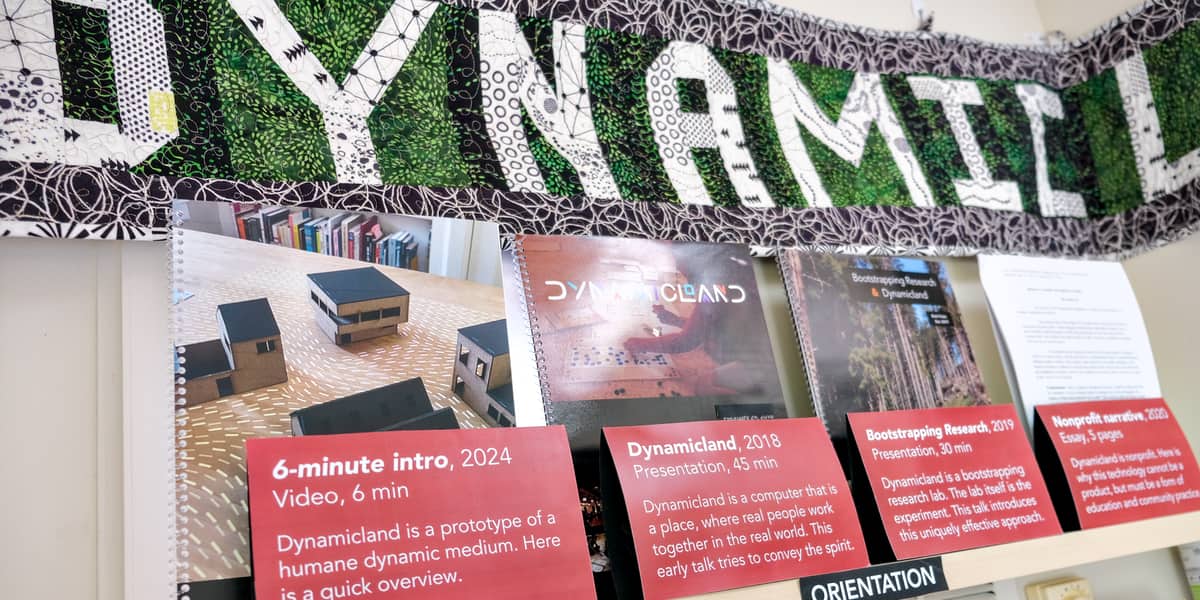


Incubating a humane dynamic medium.
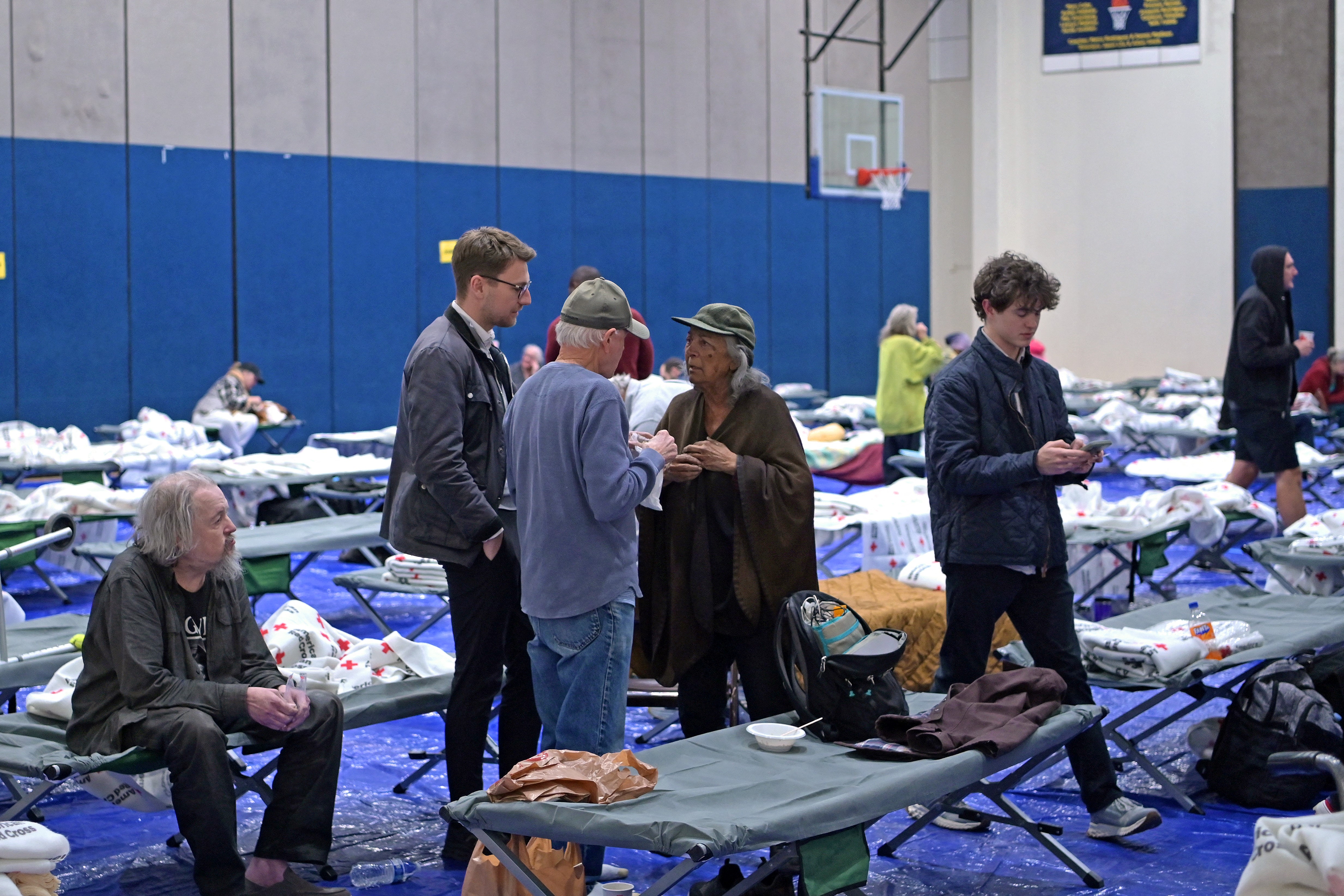
I had to evacuate my home, what do I do next?
Finding shelter for yourself and animals, plus emergency numbers and tips.
Home | Humane by Design
Guidance for designing humane digital products and services focused around digital well-being.

Beaver Lodge Construction Squad | Attenborough | BBC Earth
Animal Sensory Sensitivity Explorer — Radar
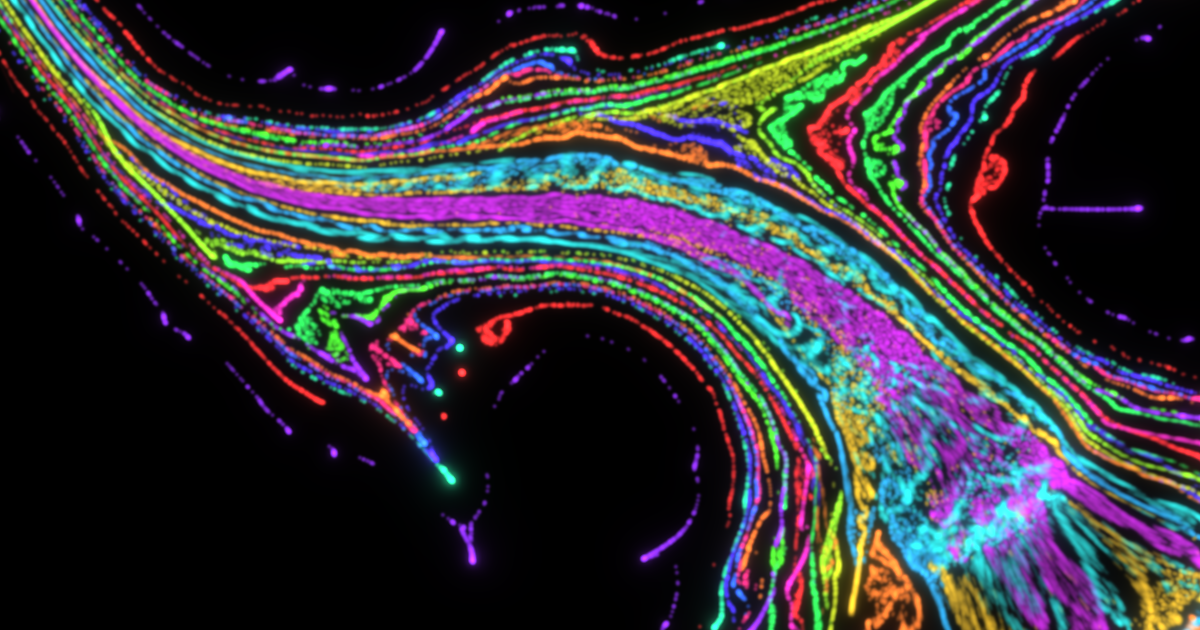
Fluoddity
An interactive lava lamp? An evolvable ant farm? Explore a world very different from our own.
The Second Body
Check out The Second Body - Every living thing has two bodies. To be an animal is to be in possession of a physical body, a body which can eat, drink and sleep; it is also to be embedded in a worldwide network of ecosystems. When every human body has an uncanny global presence, how do we live with ourselves? In this timely and elegant essay, Daisy Hildyard captures the second body by exploring how the human is a part of animal life. She meets Richard, a butcher in Yorkshire, and sees pigs turned into boiled ham; and Gina, an environmental criminologist, who tells her about leopards and silver foxes kept as pets in luxury apartments. She speaks to Luis, a biologist, about the origins of life; and talks to Nadezhda about fungi in an effort to understand how we define animal life. Eventually, her second body comes to visit her first body when the river flooded her home last year. <i>The Second Body</i> is a brilliantly lucid account of the dissolving boundaries between all life on earth. by Daisy Hildyard on Bookshop.org UK!

What if our cities were designed for wildlife as well as people?
New research argues urban planning must recognise animals, plants and ecosystems as fellow inhabitants of our cities.
Bluesky Siphonophore Viewer
Posts now gather into a translucent siphonophore-like colony drifting through dark water. Oldest posts begin at one end of the spine and newer ones accumulate toward the other. Engagement thickens bells, membranes, and feeding clusters. Drag to orbit, mouse wheel to zoom, right-drag to pan, hover for a specimen overlay, click a segment to glide toward it, and double click the background to zoom to the whole organism.
Catsky
mrrp mrrowww media as it should be. find your meowmunity among hundreds of cats, unleash your meows, and have some fun again :3
Human Predators: Groundbreaking insights into the red f…
Discover and share books you love on Goodreads.

Self-Organization in Biological Systems
The synchronized flashing of fireflies at night. The spiraling patterns of an aggregating slime mold. The anastomosing network of army-ant trails. The coordinated movements of a school of fish. Researchers are finding in such patterns—phenomena that have fascinated naturalists for centuries—a fertile new approach to understanding biological systems: the study of self-organization. This book, a primer on self-organization in biological systems for students and other enthusiasts, introduces readers to the basic concepts and tools for studying self-organization and then examines numerous examples of self-organization in the natural world. Self-organization refers to diverse pattern formation processes in the physical and biological world, from sand grains assembling into rippled dunes to cells combining to create highly structured tissues to individual insects working to create sophisticated societies. What these diverse systems hold in common is the proximate means by which they acquire order and structure. In self-organizing systems, pattern at the global level emerges solely from interactions among lower-level components. Remarkably, even very complex structures result from the iteration of surprisingly simple behaviors performed by individuals relying on only local information. This striking conclusion suggests important lines of inquiry: To what degree is environmental rather than individual complexity responsible for group complexity? To what extent have widely differing organisms adopted similar, convergent strategies of pattern formation? How, specifically, has natural selection determined the rules governing interactions within biological systems? Broad in scope, thorough yet accessible, this book is a self-contained introduction to self-organization and complexity in biology—a field of study at the forefront of life sciences research.

Feed The Cat
Watch live cat streams and feed cats remotely. A cozy place to watch cats eat.
Lectures on Perception: An Ecological Perspective
Lectures on Perception: An Ecological Perspective addresses the generic principles by which each and every kind of life form—from single celled organisms (e.g., difflugia) to multi-celled organisms (e.g., primates)—perceives the circumstances of their living so that they can behave adaptively. It focuses on the fundamental ability that relates each and every organism to its surroundings, namely, the ability to perceive things in the sense of how to get about among them and what to do, or not

I've been interested in understanding the distribution of PDSes and general 'ecosystem resilience' for a little bit now, and inspired by @billwpierce.co's talk at #ATmosphereConf I made a dashboard I hope can add to the conversation link: atproto.barn.city (served by my macmini so bear with me)