

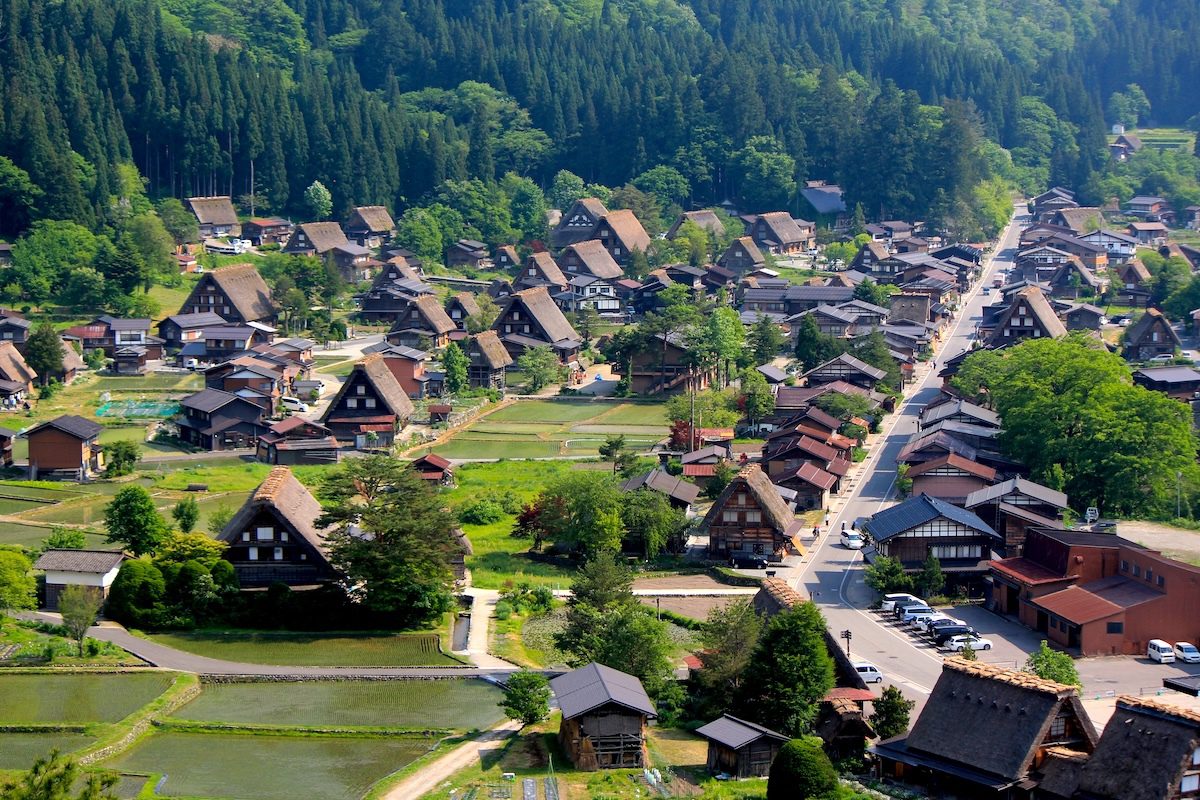
The Japanese population is in decline, but the downward trend is especially pronounced in rural areas. The loss of people might be expected to lead to a resurgence of wildlife. But paradoxically, where farms have been abandoned, wildlife is also disappearing.
Biodiversity change under human depopulation in Japan
Global studies consistently highlight a direct relationship between habitat and species losses, and human population and economic growth. Nevertheless, countries are experiencing below-replacement human fertility and starting to depopulate; among these countries, Japan is a global forerunner. To better understand whether human depopulation automatically yields environmentally restorative outcomes, we examine the impacts of human depopulation on aspects of biodiversity in Japan. Alongside population, land use and surface temperature, we analyse biodiversity change among 464 taxonomic species of bird, butterfly, firefly and frog egg masses, and 2,922 native and non-native plant species in wooded, agricultural and peri-urban landscapes across Japan over periods of 5–17 years from 2004. Irrespective of human population increase or decrease, biodiversity losses continue among most species studied mainly because of change in agricultural land use, either due to urbanization, disuse and abandonment, or intensification. Only where human numbers are currently stable, biodiversity is also more stable, although we anticipate that this may also change as ageing deepens into depopulation in these areas. We conclude by urging countries facing depopulation to account for its outcomes in their biodiversity conservation and restoration strategies.

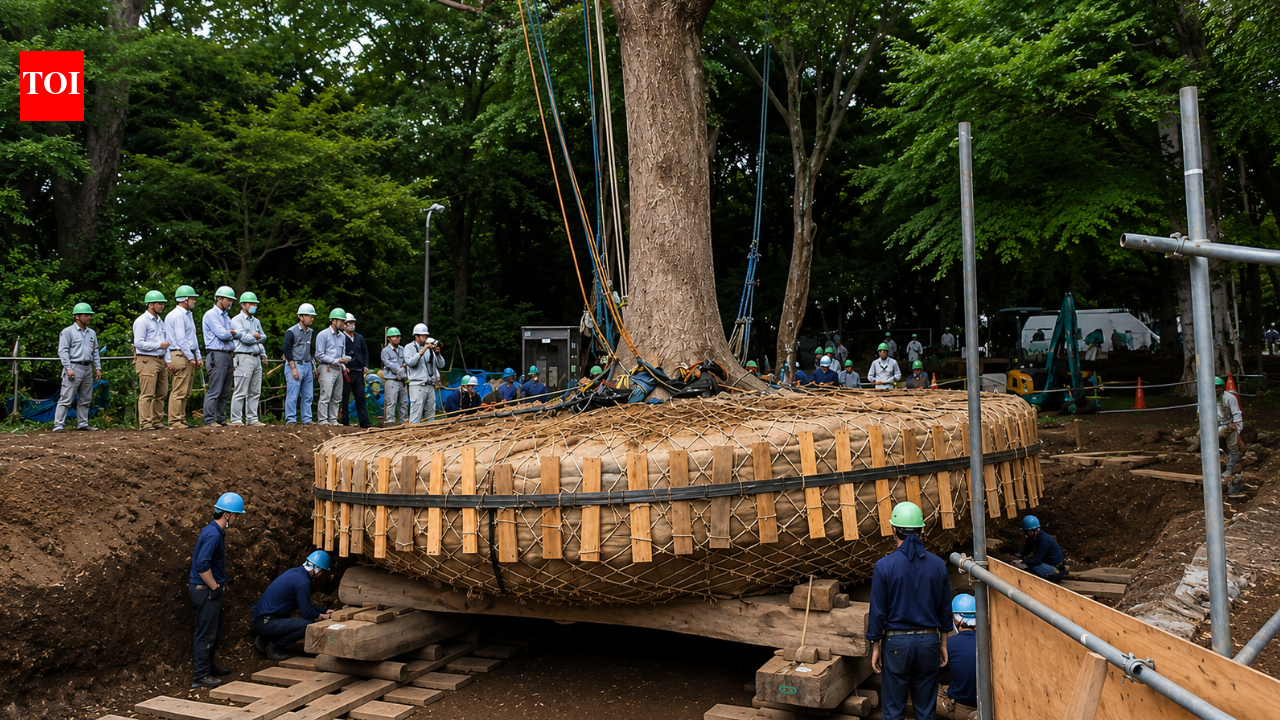
Japan does not cut down centuries-old trees for development. Instead, experts spend months preparing their roots and relocating them
When roads, railways or new buildings are planned, centuries-old trees are often among the first casualties of development. In Japan, however, some of the country's most valuable trees are given a second chance.
Hawaii’s Beaches Are Disappearing
Major islands have lost nearly a quarter of their beaches in the last century. The culprit? Seawalls and other barriers erected by wealthy homeowners.

The Republic of Cows | Hakai Magazine
When habitat loss is one of the biggest issues facing wild animals, why has Alaska given an entire uninhabited, remote island to feral cattle?

Muni Helps Fuel Japantown’s Recovery
San Francisco’s Japantown is thriving post-pandemic. COVID-19 scrambled most cities’ economies and the way residents and visitors spend money. But sales tax data show some neighborhoods, including Japantown, have made quite a comeback.

Birds Are Vanishing From North America (Published 2019)
The number of birds in the United States and Canada has declined by 3 billion, or 29 percent, over the past half-century, scientists find.

How Japan Reduced Deaths From a Major Quake
After deadly tremors a decade ago, Kumamoto built earthquake-resistant buildings and even trained locals in search and rescue.

How Japan Reduced Deaths From a Major Quake
After deadly tremors a decade ago, Kumamoto built earthquake-resistant buildings and even trained locals in search and rescue.
The Post-Productive Economy
[Translations: Japanese] Take a look at these farm houses which I saw under construction in remote areas of Yunnan province China. They were not unusual; farmsteads this size were everywhere in rural China. Note the scale of these massive buildings. Each … Continue reading →

Wildlife destruction 'not a slippery slope but a series of cliff edges'
New study finds ocean ecosystems likely to collapse in 2020s and land species in 2040s unless global warming stemmed
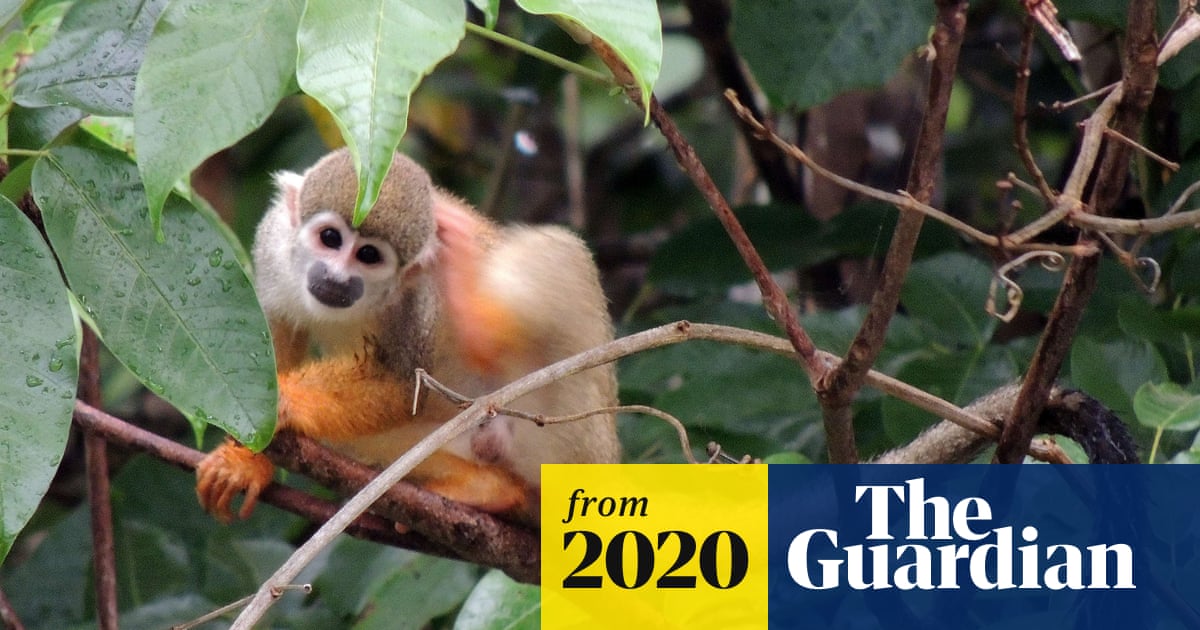
Opinion | An Age of Extinction Is Coming. Here’s How to Survive. (Published 2025)
Everything is under threat. What you care about can make it to the other side.

Death toll in Japan earthquake rises to 30 as rescue efforts continue
Rescue efforts are continuing as time runs down on the critical three-day window for rescues following the quake. Officials have not detailed how many people were reported missing but local media say dozens remain unaccounted for.
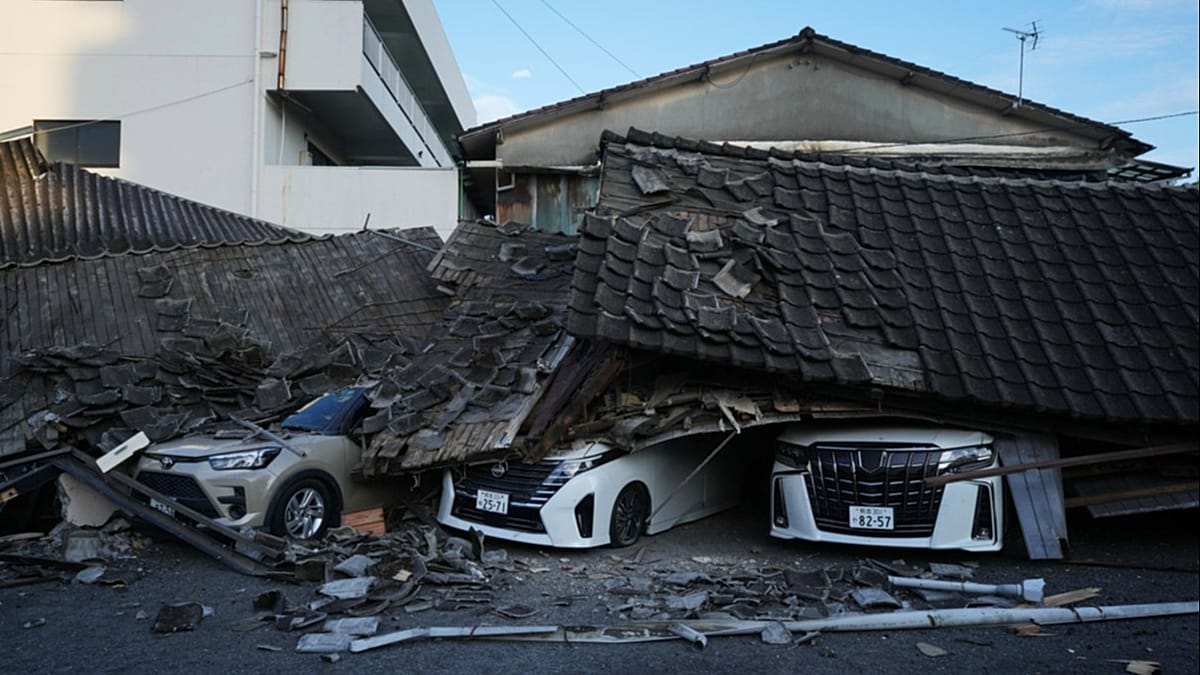
Overtourism in Japan, and How it Hurts Small Businesses
Why being popular is not the goal of most small businesses

AgEvidence - the impact of agricultural practices on crops and the environment
39,000+ findings about conservation agriculture and the environment – visualized.

Inside Japan’s Disposable Housing Market
In a culture obsessed with newness, no one wants a "used" home—which makes the Japanese real estate market almost unrecognizable to an American.
