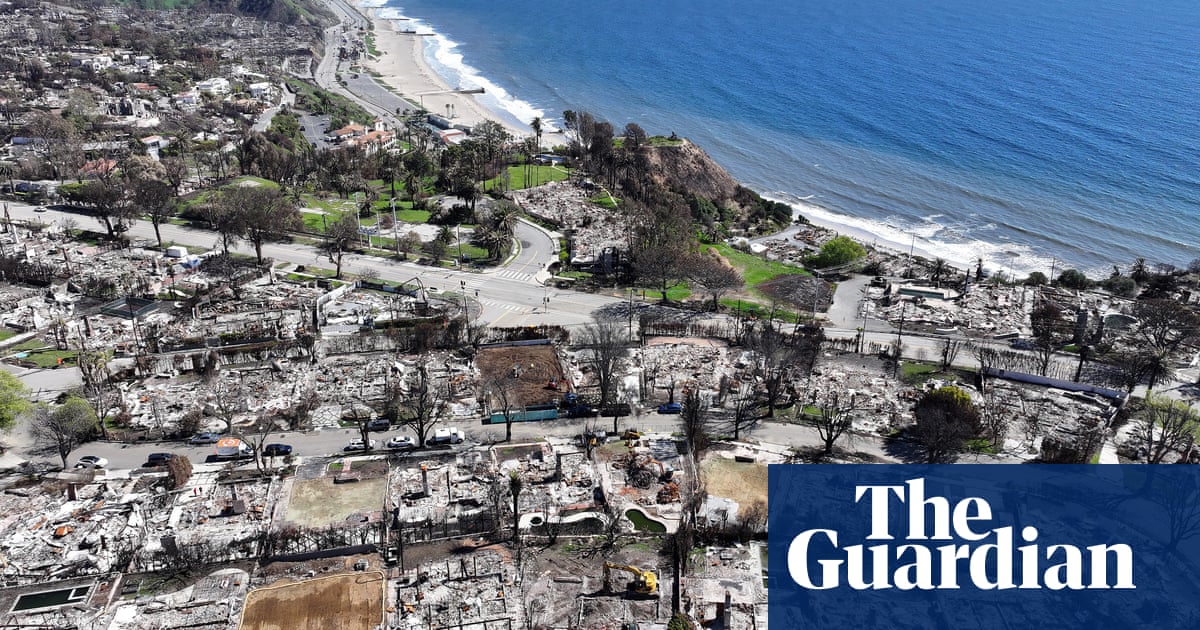
The impact of the Covid pandemic on the global supply chain has been widely reported. But extreme weather, from floods to wildfires, is increasingly hammering ports, highways, and factories worldwide, and experts warn these climate-induced disruptions will only get worse.
Global Risk Report highlights climate crisis and COVID-19 | World Economic Forum
While the world still reels from the coronavirus pandemic, the greatest threats we collectively face come from multiple sources.

Climate crisis on track to destroy capitalism, warns top insurer
Action urgently needed to save the conditions under which markets – and civilisation itself – can operate, says senior Allianz figure
Home - ClimateAction.Tech
The climate crisis is happening all around us. As tech workers, we can use our skills to take and accelerate climate action.

COVID-19 lockdowns temporarily raised global temperatures, research shows
The lockdowns and reduced societal activity related to the COVID-19 pandemic affected emissions of pollutants in ways that slightly warmed the planet for several months last year, according to new research. The counterintuitive finding highlights the influence of airborne particles, or aerosols, that block incoming sunlight.

Political Scenarios for Climate Disaster - Dissent Magazine
In the Global North we often act as if our future will be a warmer version of today: liberal capitalism, plus flood insurance, minus coral reefs. That future is a fantasy.

Beyond Catastrophe: A New Climate Reality Is Coming Into View (Published 2022)
There's plenty of bad news. But thanks to real progress, we're headed toward a less apocalyptic future.

A grim report about climate change in Ontario was kept quiet for 8 months | CBC News
A new report commissioned by Premier Doug Ford’s government warns that climate change poses high risks to Ontario, with impacts on everything from food production to infrastructure to businesses.

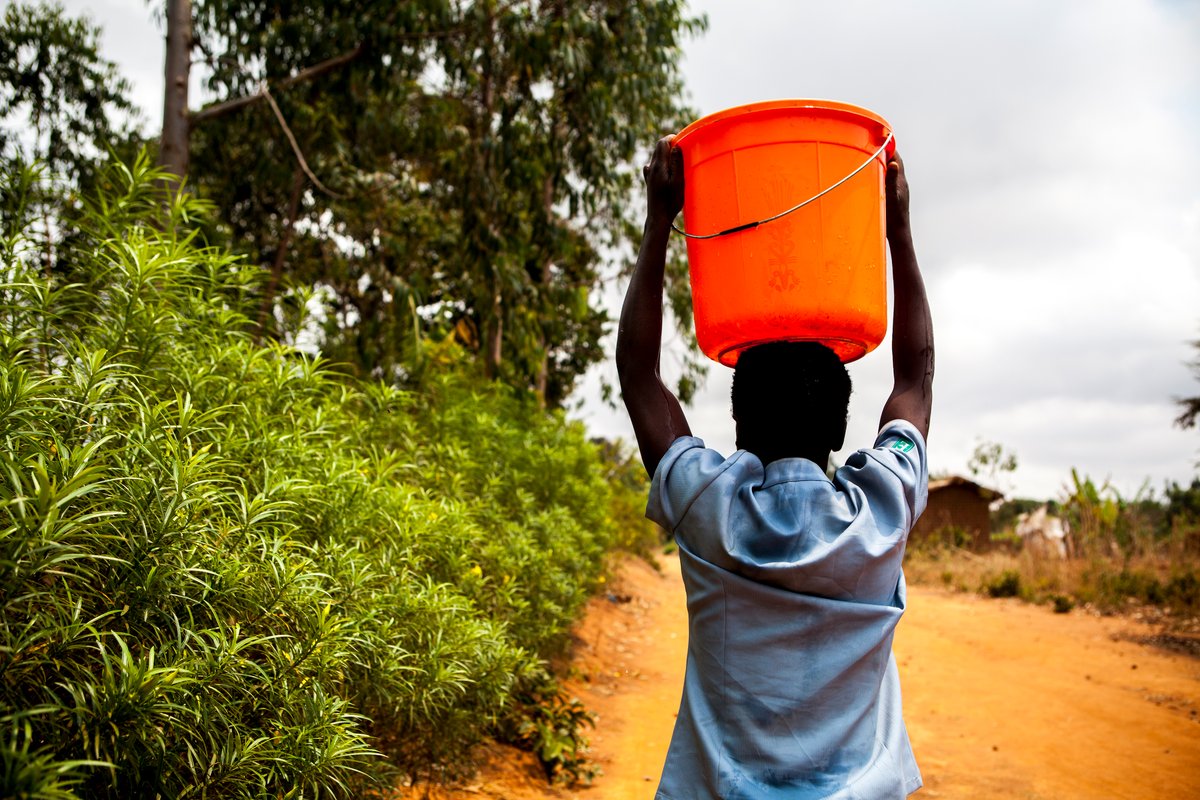
The climate crisis: a war on the world
The climate crisis is a self-destructive war, with aggressors and victims

Ten ways to confront the climate crisis without losing hope | Rebecca Solnit
The long read presents Reconstruction after Covid: It’s easy to despair at the climate crisis, or to decide it’s already too late – but it’s not. Here’s how to keep the fight alive
Climate change is posing a serious threat to Canada — and B.C. in particular, intelligence service says | CBC News
The Canadian Security Intelligence Service warns that climate change poses a profound threat to national security and prosperity, including the possible loss of parts of British Columbia to rising sea levels.

The Climate Movement Isn’t in Retreat, It’s Under Attack…and It’s Time to Fight Back | Newsletter
In 2020, a source shared a presentation with me from an internal branding workshop they’d been asked to attend for bp. It was fascinating for a number of reasons, not least because it indicated that the oil major felt genuinely threatened by a surprising new enemy: young people. There have always been ebbs and flows […]
Climate Change is coming for Christmas
Stunted trees, pricey chocolate, threatened reindeer, scant snow—warming is taking a toll.

Home - System Change Not Climate Change
How is it that a regional war halfway across the world can have massive impact on global food systems? The author points to industrial agriculture shaped by capitalism.

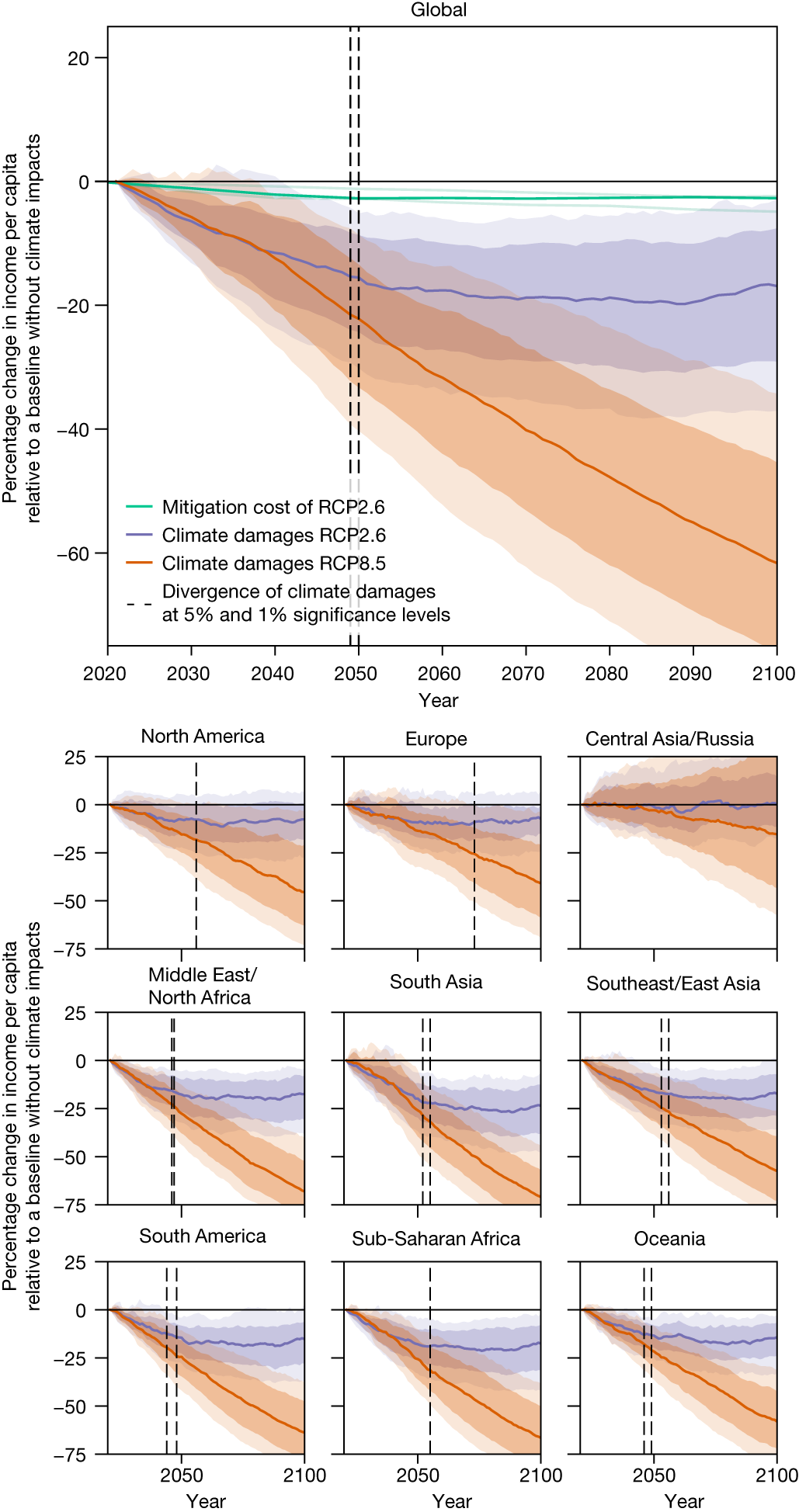
RETRACTED ARTICLE: The economic commitment of climate change
Global projections of macroeconomic climate-change damages typically consider impacts from average annual and national temperatures over long time horizons1–6. Here we use recent empirical findings from more than 1,600 regions worldwide over the past 40 years to project sub-national damages from temperature and precipitation, including daily variability and extremes7,8. Using an empirical approach that provides a robust lower bound on the persistence of impacts on economic growth, we find that the world economy is committed to an income reduction of 19% within the next 26 years independent of future emission choices (relative to a baseline without climate impacts, likely range of 11–29% accounting for physical climate and empirical uncertainty). These damages already outweigh the mitigation costs required to limit global warming to 2 °C by sixfold over this near-term time frame and thereafter diverge strongly dependent on emission choices. Committed damages arise predominantly through changes in average temperature, but accounting for further climatic components raises estimates by approximately 50% and leads to stronger regional heterogeneity. Committed losses are projected for all regions except those at very high latitudes, at which reductions in temperature variability bring benefits. The largest losses are committed at lower latitudes in regions with lower cumulative historical emissions and lower present-day income.