Elinor Ostrom was the first and so far the only woman to win the Nobel prize for economics*. She received the award in 2009 for her work on the commons. Ostrom died three years later, leaving behin…
10 Design Principles for Governing the Commons
In 2009, Elinor Ostrom received the Nobel Prize in Economics for her “analysis of economic governance, especially the commons”.
10 Design Principles for Governing the Commons
In 2009, Elinor Ostrom received the Nobel Prize in Economics for her “analysis of economic governance, especially the commons”.

The Nobel for Econsplaining
Acemoglu, Johnson and Robinson won a prize for applying economics to the very things economics is inherently bad at figuring out

An alternate ending to the tragedy of the commons
I recently read Elinor Ostrom’s Governing the Commons and have been evangelizing it so enthusiastically that I figured I’d do a quick…
This year’s Nobel prizes prompt soul-searching among economists
The rise of randomised controlled trials looks to some like a retreat from the biggest questions

6 books recommended by Richard Thaler, Nobel Prize winner and a founding father of behavioral economics
Michael Lewis and Daniel Kahneman topped the list of his favorite authors.

On the Ersatz Nobel: The Old Monetary Policy is Dying, and The New Monetary Policy Struggles to be Born
Yesterday the Nobel Prize fake Nobel Prize the Sveriges Riksbank Prize in Economic Sciences in Memory of Alfred Nobel was again awarded. For the unique and bizarre history of this prize, see the piece I wrote five years ago pointing out that this prize was a form of “central bank
annotations: Que récompense réellement un prix Nobel sur la « croissance économique tirée par l’innovation » ?
traduction française du billet de blog "What does a Nobel Prize on ‘innovation-driven economic growth’ actually reward?" de Beatrice Cherrier
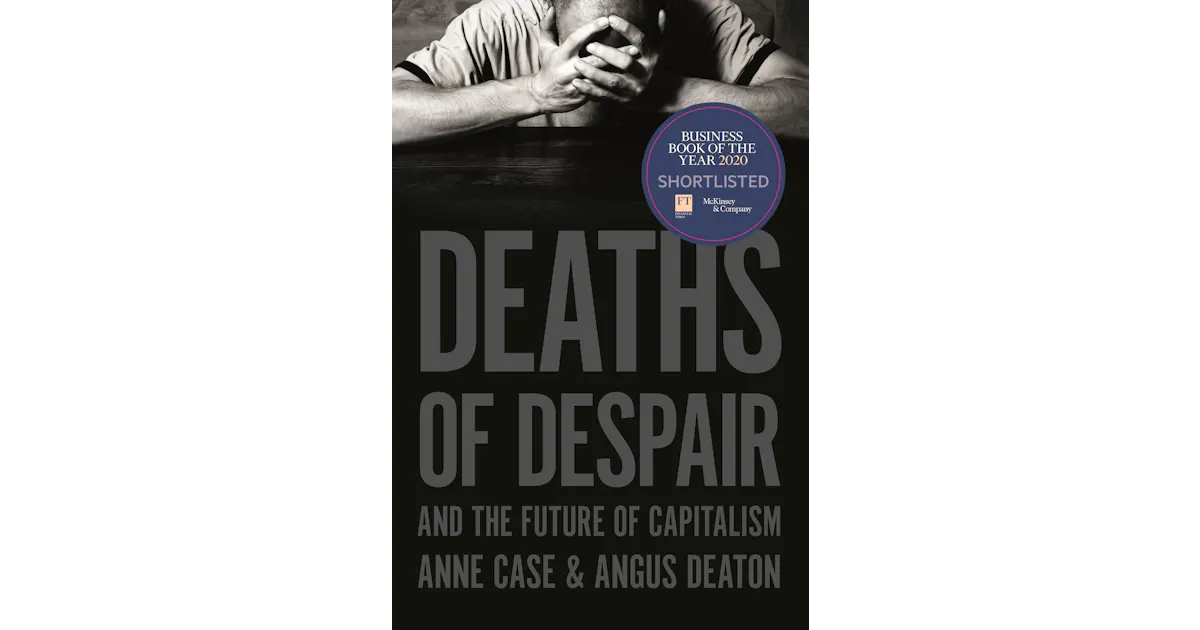
Deaths of Despair and the Future of Capitalism
A New York Times BestsellerA Wall Street Journal BestsellerA New York Times Notable Book of 2020A New York Times Book Review Editors' ChoiceShortlisted for the Financial Times and McKinsey Business Book of the YearA New Statesman Book to ReadFrom economist Anne Case and Nobel Prize winner Angus Deaton, a groundbreaking account of how the flaws in capitalism are fatal for America's working class
Misbehaving: the making of behavioral economics
Nobel laureate Richard H. Thaler has spent his career s…

The Algebra of Wealth: A Simple Formula for Financial Security by Scott Galloway
A must-have guide to optimizing your life for wealth and success, from bestselling author, NYU p...
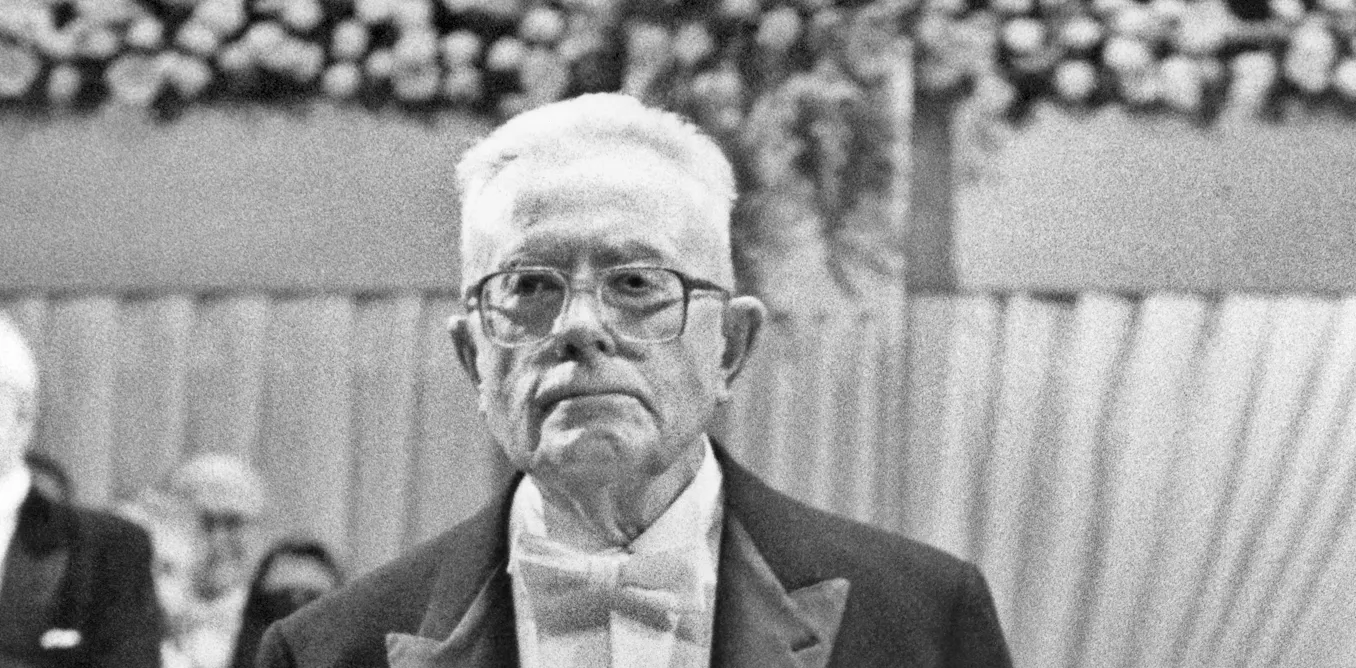
Maurice Allais, premier prix Nobel d’économie français
En 1998, le jury du Nobel a récompensé l’économiste Maurice Allais. Une première alors pour un français qui se présentait comme un « socialiste concurrentiel ». Que reste-t-il de cette œuvre riche ?
annotations: Institutions et prospérité : zoom sur les travaux des lauréats du Nobel 2024
Blog de sciences économiques et sociales de Martin Anota. Traductions, revues de presse.
More Work For Mother
In this classic work of women's history (winner of the 1984 Dexter Prize from the Society for the History of Technology), Ruth Schwartz Cowan shows how and w...

The Lessons of Effective Altruism
Carol Sue Snowden worked for thirty years as a librarian at the Columbus Metropolitan Library in Columbus, Ohio. She led a quiet, frugal life, spending money mostly on books, which were her passion. When she died, she donated the money she had saved—over $1 million—to the Columbus library and seven local schools. Most of us would look upon this generosity with admiration, but according to a new movement called Effective Altruism (EA), Snowden got it wrong. While she was right to donate her money, she should have instead directed it to an organization that does the most good overall.

Thomas Piketty's Capital: everything you need to know about the surprise bestseller
The radical economist's book Capital in the Twenty-First century has angered the right with its powerful argument about wealth, democracy and why capitalism will always create inequality, says Paul Mason