


— Female reproductive system Organs of the human female reproductive system.
PENiS | Notion
male reproductive system Organs of the male reproductive system.

Social Constructs (or, 'What is A Woman, Really?')
Potential analgesic function of the clitoris in pregnant women: A feasibility study
Currently, the clitoris is considered to exist solely for sexual pleasure. This prospective, single-centre pilot study focuses on and evaluates an alternative function of the clitoris; pain relief during pregnancy and childbirth. Conducted between 2020 and 2023 at Rouen University Hospital, France, this feasibility study challenges the assertion of the singular function of the clitoris. The primary aim was to assess the acceptability of an intervention focusing on the potential analgesic function of the clitoris. The secondary aim was to assess pain relief. Pregnant women were offered the option of self-external massage with a vibrating device (OVD) in the clitoral suspensory ligament area for pain relief. Data were collected via a self-schedule for precise use of the method, including pain assessment before and after the use of the OVD via a self-analytic visual scale. Acceptability was considered to have been achieved if the woman used the OVD at least twice. Comparisons before and after were performed by means of a student’s t-test. With respect to acceptability, among the 32 women included, 26 (81.25%) used an OVD at least twice. Despite concerns about sexual intimacy and the sensitive period of pregnancy, this preliminary feasibility study confirmed the suitability of this mechanical vibration for the majority of the women included. In terms of pain relief, these 26 women used the OVD to manage 304 painful episodes and the feeling of relief was reported in 86.2% of these episodes. Based on a small sample size, the numerical results are obviously highly relative to the disparity of situations and feelings. However, these few consistent reports of a positive analgesic effect encourage further studies into the potential analgesic function of the clitoris.
The fetish of the click: a small history of the computer mouse as vulva
This paper examines the fetish of the click through a technofeminist history of the computer mouse as vulva. It argues that this material turn is a necessary corrective to abstractions of the click...

The human ovary exhibits dynamic molecular remodeling in the decades post-menopause
The human ovary is among the first organs to show age-related functional decline, resulting in menopause. Beyond this transition, the postmenopausal ovary is often regarded as quiescent and remains poorly characterized.
Biological Sex is a social construct
I recently tweeted, as an aside, that biological sex is a social construct, and the backlash and attacks were swift, incredulous and heavily reliant upon very basic biology. There is a common perce…

THIS IS GENDERED – The feminist encyclopedia
THIS IS GENDERED is a feminist encyclopedia. We believe everything is gendered. The entries in this encyclopedia demonstrate just this. Use the search bar to read up on the gender dimension of a topic of your interest.
Nymph (biology)
In biology, a nymph is the juvenile form of some invertebrates, particularly insects, which undergoes gradual metamorphosis (hemimetabolism) before reaching its adult stage. Unlike a typical larva, a nymph's overall form already resembles that of the adult, except for a lack of wings and the emergence of genitalia. In addition, while a nymph moults, it never enters a pupal stage. Instead, the final moult results in an adult insect. Nymphs undergo multiple stages of development called instars.

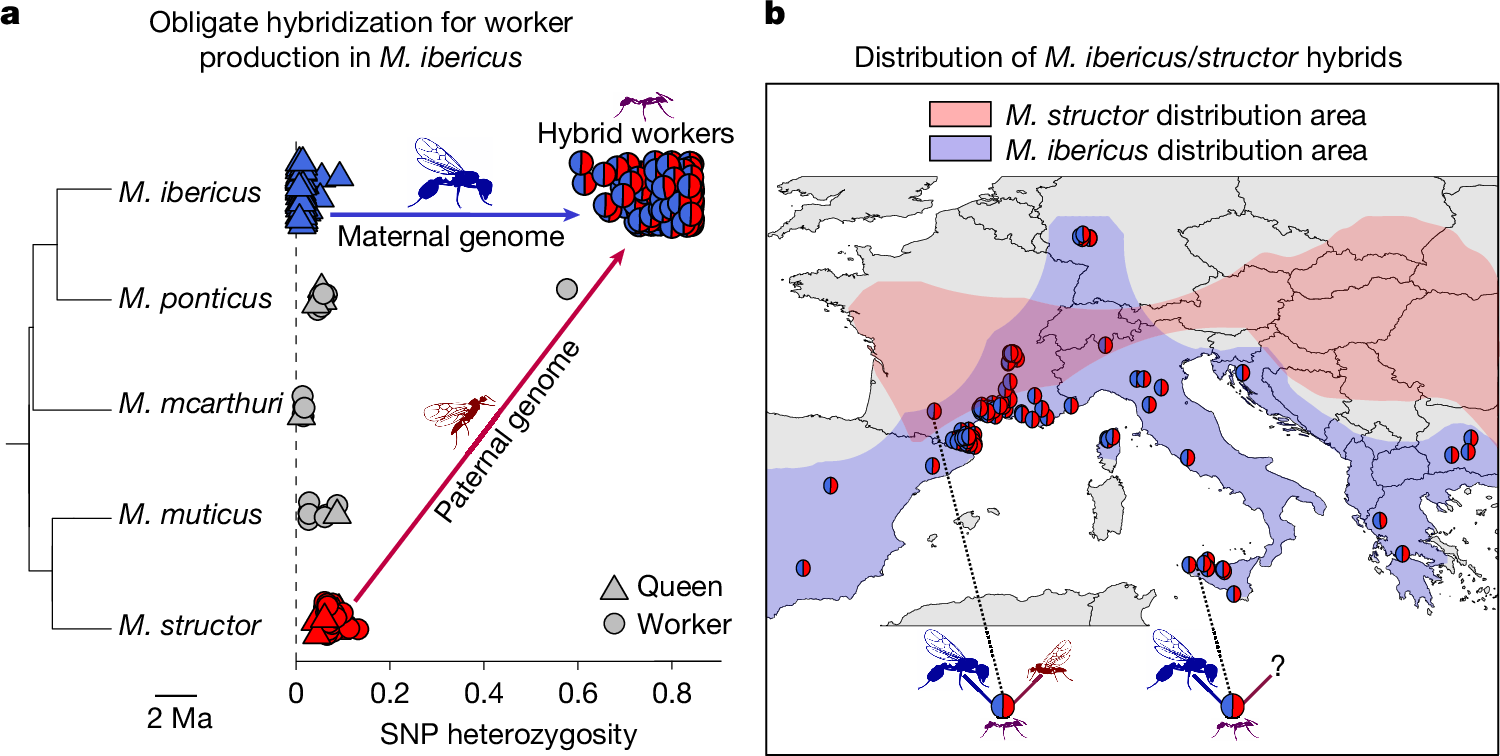
One mother for two species via obligate cross-species cloning in ants
Living organisms are assumed to produce same-species offspring1,2. Here, we report a shift from this norm in Messor ibericus, an ant that lays individuals from two distinct species. In this life cycle, females must clone males of another species because they require their sperm to produce the worker caste. As a result, males from the same mother exhibit distinct genomes and morphologies, as they belong to species that diverged over 5 million years ago. The evolutionary history of this system appears as sexual parasitism3 that evolved into a natural case of cross-species cloning4,5, resulting in the maintenance of a male-only lineage cloned through distinct species’ ova. We term females exhibiting this reproductive mode as xenoparous, meaning they give birth to other species as part of their life cycle.
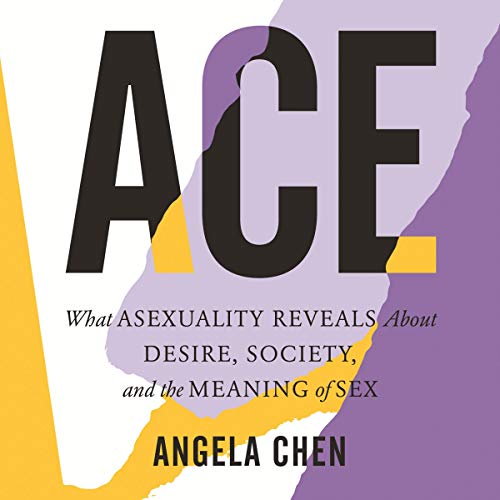
Ace: What Asexuality Reveals about Desire, Society, and the Meaning of Sex by Angela Chen
An engaging exploration of what it means to be asexual in a world that’s obsessed with sexual att...
“I am Not the Grace of Doe” – Radiant Obscurities
There is a beautiful and romanticized image of the doe. The doe is graceful, elegant, and delicate. She is shy and unattainable, disappearing softly at the slightest sound. Her eyes have become a cliche for the vulnerable, docile feminine, and a glimpse of her, staring back at you for a profound moment before she flies, is precious and moving.I am not this doe.In fact, in a way I hate this doe. No doe is really this doe. Let me tell you a few things about cervids, the whitetail doe in particular. Cervids are olfactory animals. That means they learn things about other deer with their sense of smell. What that means is that the smelliest things about deer are pretty crucial to the way deer live. As with many animals, urine plays a large part in communication – males will urinate in pools and wallow in them to advertise; they will also urinate on their feet to leave their scent with their hoofprints. Females advertise their eligibility to mate by urinating, also.It means that does will ingest the excrement of their young in order to prevent fawns from having a scent that would give away their position to predators.Does aren’t always gentle or vulnerable.In winter, does that are healthier and more able to sense danger will actively prevent other does and fawns from having access to food. Even if a high-ranking doe no longer needs to eat, she will fend off others from the food area and not allow them access, even if they are starving.Nor do deer always flee in the face of danger – several accounts chronicle deer attacking dogs and humans when threatened, in some cases quite brutally. Not many animals hold up closely to their romanticized stereotypes when their survival is put into question, but the desperate deer is the exact opposite of its gentle popular image, its adorable hoofs formidable and unexpected weapons.Besides that, deer do kill, sometimes to eat. A number of articles bring to light the fact that deer do eat carrion, and there is record of deer killing and eating grounded birds.For me, though, there’s more that negates the image of the wholly graceful doe than just wildlife facts. Because the grace of deer, the elegance, is not what makes me deer. As far as the romantic stereotype goes, I do usually feel more inclined to flight, and can be standoffish as a mode of self-preservation. I feel vulnerable in the way that I recognize deer are very, very “killable” – living in Vermont, I saw a great deal of dead deer and the mortality of the whitetail in a hunting community that supports a healthy coyote population was impossible to ignore. I do not feel graceful; usually I feel colossally awkward, and something about deer speaks of that awkwardness to me. Being spooked about nothing, the awkward indignation of being disturbed, the skittering flight are all deer. These things are aspects of the romantic stereotype, but I do not perceive them in a romantic way. I do not think being deer makes me mysterious, desirable, or delicate. Since I’ve become able to consciously analyze my animality, I have found it extremely important to define myself by the more negative or humble aspects of an animal as well as the positive and proud ones. I have difficulty understanding people who speak of their animality primarily in terms of the powerful, beautiful, majestic, or strong. Yes, there are things about deer that I think are lovely and ideal and that I relate to very much. I love the flick of their ears, the clarity of their gaze, the small cloven hoof poised not quite touching the ground, the flag of the tail, the sudden and fleeting bounding away. These are things that I can feel. But I can also feel the awkward stretch of the neck for browse, the indignation of being encroached upon, the need to hide, to flee, to fear. I can feel the undignified sound of the grunt and wheeze, the frozen discomfort of surprise and being caught in headlights, so to speak, and the hurried skitter away. Even the olfactory things that we consider unpleasant or gross in our culture make some sense to me – conveniently, as a human, I do not need to use urine to communicate sexual availability, but I rarely feel the need to rid myself of sexual smells when I notice them. I can’t deny the beauty and seriousness of feeling deer, or of following a deer path through the woods. I can’t ignore the bark and smell, the moss and magic, but I also can’t ignore that these paths are liberally punctuated with droppings. And this, for me, is an adequate metaphor for my experience of being doe: I can acknowledge the beautiful and wonderful, but must take into account the awkward and uncomfortable as well. I would not be deer if I could not accept both the loveliness and the unpleasantness of the doe.
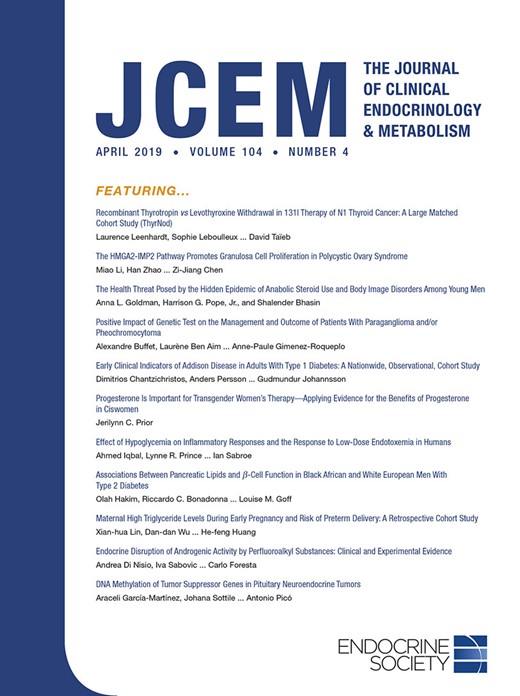
Progesterone Is Important for Transgender Women’s Therapy—Applying Evidence for the Benefits of Progesterone in Ciswomen
Current transgender women’s therapy is estradiol/antiandrogen. I suggest adding progesterone, given its antiandrogen, breast-feminizing, bone-formation, sl
Anatomy of a Sex Scene: Heated Rivalry Edition - Reading the End
Stop saying there's no plot! A romance critic explains the craft of the sex scenes in Crave's Heated Rivalry (2025).

The Dialectic of Sex by Shulasmith Firestone 1970
Opening chapter of Shulamith Firestone's influential Dialectic of Sex
Women: if you think men have a poor understanding of female anatomy, just you wait until AI replaces your gynecologist. freethoughtblogs.com/pharyngula/2026/06/11/you-hav…
Women: if you think men have a poor understanding of female anatomy, just you wait until AI replaces your gynecologist. freethoughtblogs.com/pharyngula/2026/06/11/you-hav…
