Many of the accusations serve geopolitical or economic purposes. They are not always logically coherent. Responsibilities of Chinese businesses are confused

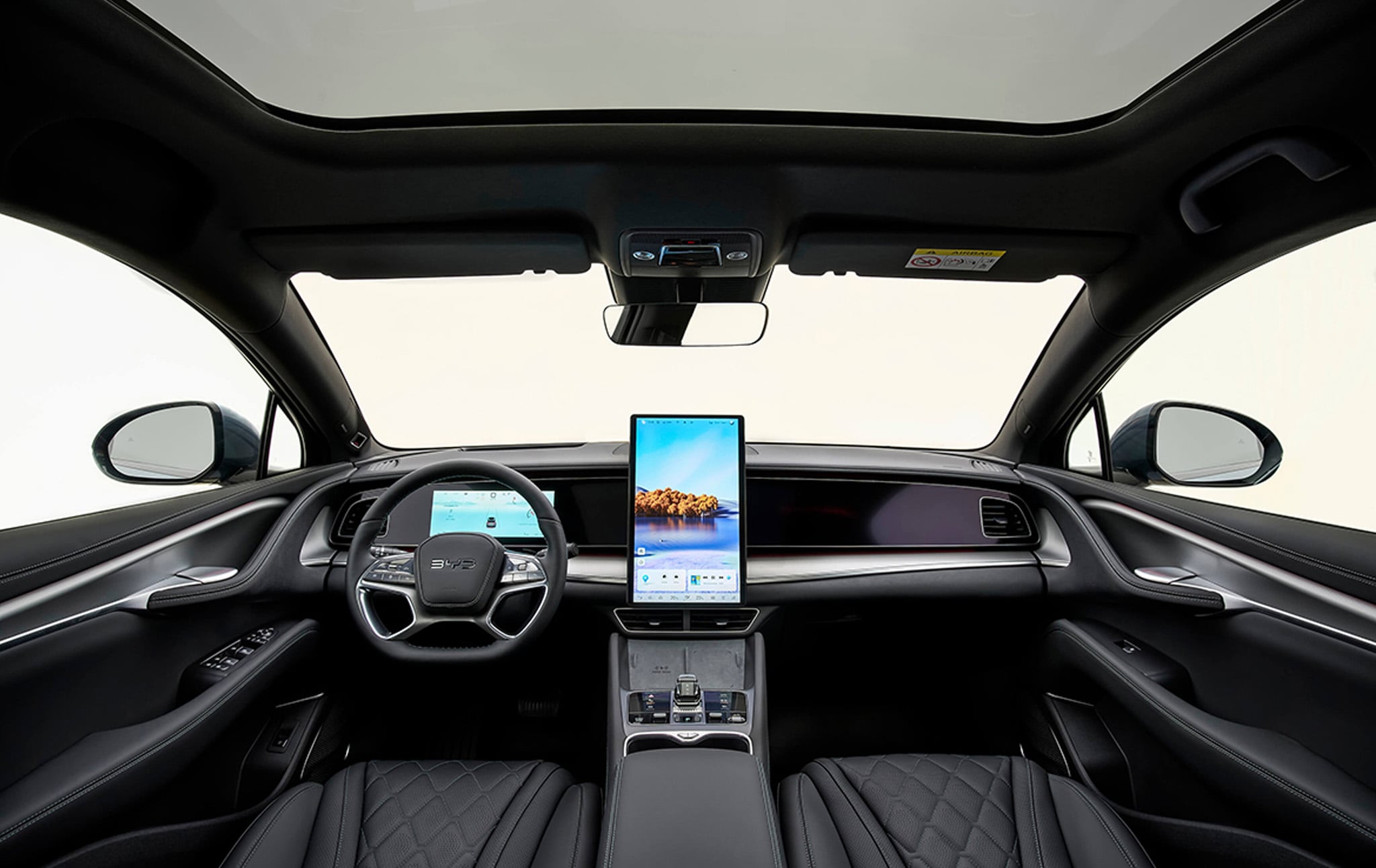
Why They Don’t Want You Driving a Chinese Car
Politicians say they have “national security concerns.” In fact, Chinese cars are better and cheaper, and American corporations know they can’t survive market competition.
The real reason the West is warmongering against China
China’s spectacular economic development has brought up the price of its labour and undermined Western corporate profits.

Belt and Road Initiative
The Belt and Road Initiative, also known as the One Belt One Road and sometimes called the New Silk Road, is a global infrastructure and economic development strategy of the government of China since 2013. Projects in over 150 countries include ports, railways, highways, power stations, aviation, and telecommunications.

China urges U.S. to stop threatening sanctions against Chinese AI firms
China urges U.S. to stop threatening sanctions against Chinese AI firms-
Strategic interdependence is rewiring the global economy
It is no longer sufficient for the US-China trade relationship to be driven solely by cost and efficiency

The Future, Made in China
Beijing is competing with the U.S. for tech supremacy. Who wins will have huge political implications.

China Didn’t Make Americans Hate Data Centers
GOP lawmakers, tech investors, and even OpenAI have tied the anti-data-center movement in the US to Chinese interference. Experts say it’s much more complicated than that.

Part I: Chinese courts go after ‘notorious’ Cambodian conglomerate
Under Cambodian patronage, the Prince Group netted billions; Chinese courts accuse it of massive money laundering.
China releases document on vision, actions for Belt and Road cooperation in next decade
China on Friday published a document titled "Vision and Actions for High-Quality Belt and Road Cooperation: Brighter Prospects for the Next Decade."

Ode to the Shanghai Metro - Phoebe Lemon
Wayfinding has many applications, and arguably the most important one is public transportation systems. Granted, there are many different ways to design such a system, and the politics and culture of the environment in which it will be integrated certainly plays a large role. Interestingly, often when we discuss transportation systems on the global scale, individuals are so quick to praise New York or London’s metro systems, Europe’s “high speed” rail system, or how “Uber is the most original new technology cities have seen”. All of these statements are subjective, but somehow they’ve become accepted fact, especially in the West, and I argue that anyone who gives European/American public transport that much praise is blissfully living in a bubble. As an international student who grew up in America and has visited most of its major cities, lived in China for two years, and is now studying in the Middle East, I’ve had the opportunity to use almost every public transportation system to exist. Old fashion taxis, the Maglev, high speed trains, shared bikes, shared mopeds, carpools, the bus, the metro, I have used them all, but nothing quite compares to the way China does public transport.

Fab Whack-A-Mole: Chinese Companies are Evading U.S. Sanctions
Huawei Fab Network, WFE Vendors Cry Wolf, Framework for Future Controls


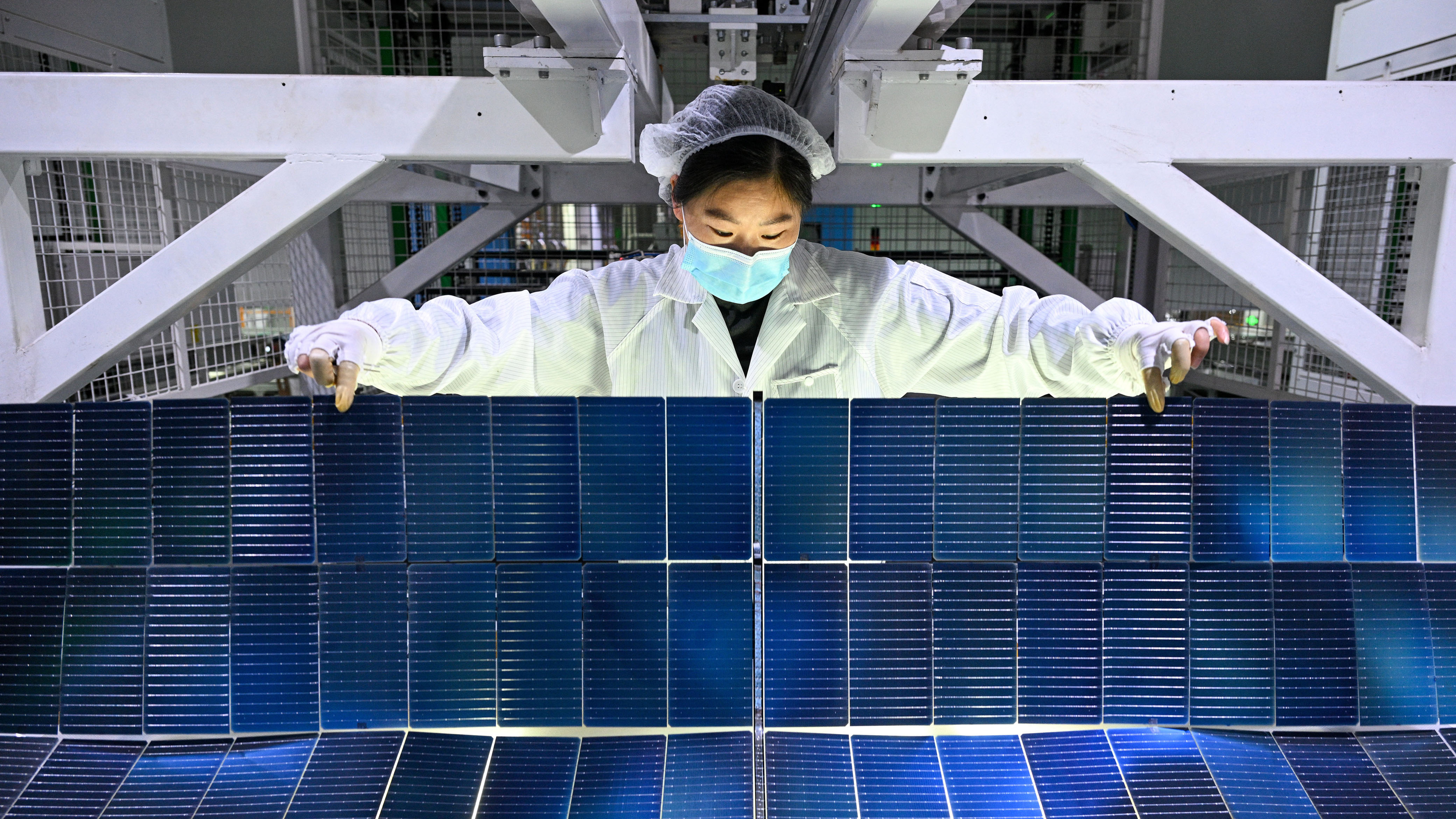
China’s Solar Industry Is in Upheaval—The Effects Will Be Global
Rather than opening space for rivals, China’s solar industry shakeout is forging a more resilient core — embedding deeper into global value chains, securing a technological lead, and reshaping the industry’s future trajectory to its own long-term advantage.