Digital technologies are transforming the world we live and work in. They touch many different aspects of our lives, from everyday tasks like making phone calls and shopping to how businesses and public services operate. Digital transformation is one of the key priorities for the EU. The digital decade initiative sets out the EU targets that will guide digital transformation until 2030.
Digitalisation in Europe – 2025 edition - Interactive publications - Eurostat
Digital technologies are transforming the world we live and work in. They touch many different aspects of our lives, from everyday tasks like making phone calls and shopping to how businesses and public services operate. Digital transformation is one of the key priorities for the EU. The digital decade initiative sets out the EU targets that will guide digital transformation until 2030.
Shaping Europe’s digital future
The Digital Strategy website provides updates and resources on EU policies key to the digital transformation.
Digitalization
Abstract “Digitization” and “digitalization” are two conceptual terms that are closely associated and often used interchangeably in a broad range of literatures. This entry considers each term in detail and argues that there is analytical value in explicitly making a clear distinction between them. The entry defines digitization as the material process of converting analog streams of information into digital bits. It defines digitalization as the way many domains of social life are restructured around digital communication and media infrastructures.
What do Europeans want out of their EUDI Wallets New study sheds light - EU Digital Identity Wallet -
EU Digital Identity Wallets are set to launch at the end of 2026, with the EUDI ecosystem gearing up for the big moment. Issuers, service providers, wallet providers, and other members of the ecosystem, alongside the newest Large Scale Pilots, are hard at work fine-tuning wallets and testing use cases.
EU Open Source Strategy | Shaping Europe’s digital future
The EU Open Source Strategy is a cornerstone of the Tech Sovereignty package, supporting open source ecosystems across the EU - encouraging the development and uptake of European alternatives.
Decolonising Global Digital Transformation
Role of digitalization in environment, social and governance, and sustainability: Review-based study for implications
Digitalization gives people access to a vast network of untapped data, which has the potential to help society and the environment. Smart systems connected to the internet can systematically provide a unique opportunity to solve difficulties related to long-term sustainability. The goals are to create an egalitarian, ecologically sustainable, and healthy society. Technological resources are envisioned as game-changing instruments. Three key concerns integration benefits are highlighted here: (i) sustainable development goals, (ii) socio-economic development, and (iii) the role of digital technology in environmental sustainability. This viewpoint describes the potential that digitization can create a future sustainable society. The technological network would unite the urban and rural worlds under a shared banner of sustainable development, keeping all social elements in the loop. Nations that take a comprehensive strategy will be able to provide equitable growth and an efficient, sustainable, and digital existence for their citizens. As a result, digitization provides better living conditions, active public involvement, clean governance, and transparency in public welfare programs and processes. People who are well-informed, self-aware, and digitally equipped will be better learners, thinkers, reformers, participators, and change and growth agents, marching forward on sustainable progress. The advantages of digitization in hastening the transition to sustainable industrial processes and improving people's health and happiness are explored. Finally, the perspective encapsulates the advantages of digitization by offering a holistic vision of how technology could aid in addressing major challenges such as endangered world biodiversity and climate change.

Privacy as EU Tech advantage - The LeafPlaza Blog
Online crime loves legal massive data collection, grey systems, and jurisdictional gaps. Privacy-first design can actually reduce crime exposure and build trust in digital services. It is also central to the EU's tech autonomy: build systems aligning with European rights and risk models. Do not rely on foreign platforms or copy outside practices that might go against the EU values and needs.
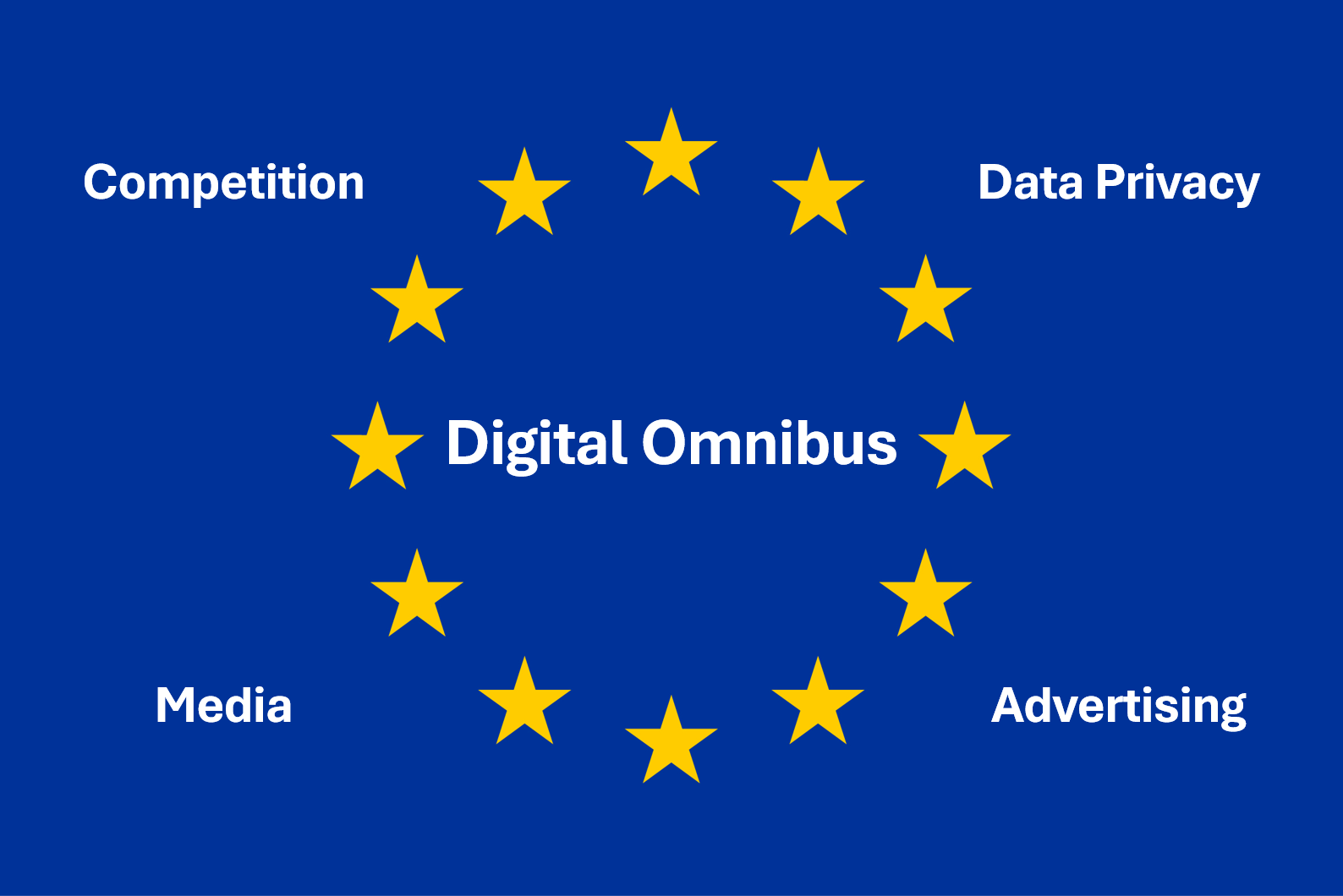
Digital Omnibus: What Would it Mean for Competition and Privacy in Advertising? - The Platform Law Blog
In November 2025, the European Commission (“Commission”) proposed a “Digital Omnibus” regulation to amend several EU legislations.[1] Although presented as a simplification exercise to strengthen Europe’s competitiveness, the proposal revisits key provisions of the General Data Protection Regulation (GDPR) and the e-Privacy-Directive concerning the use of personal data, including for advertising purposes. The changes could […]
Digitalization and Signatures: Evidence from a Survey among German Citizens
We assess the knowledge of two legal norms central to the digital transformation of the German population in representative population survey: the revised requi

Fractured reality
The report examines the evolving impact of digital technologies on European democracy. In an era of a global struggle to control the information space, this report offers critical insights into the fracturing of perceived realities, the rise of the ‘fantasy-industrial complex’, and the systemic risks posed by the attention economy. It exposes how platforms algorithmically prioritise engagement over accuracy, reinforcing ideological echo chambers and amplifying mis- and disinformation that erode democratic resilience. The report highlights how structural incentives and foreign control of the most important players in the information space undermine information integrity, collective knowledge and civic discourse. In response, the report presents a number of recommendations from fostering alternative public spaces and crowd-sourced knowledge systems to reforming business models, restoring user agency, and advancing EU digital sovereignty through decentralised infrastructure
Digital ID: What it means for the digitally excluded – Digital Poverty Alliance
By 2029, proving your right to work in the UK may no longer mean showing a passport or residence permit. Under Government proposals, it could require a digital

The Rise of Open Source Software in Europe
We are seeing a significant change in the global business landscape, and attention within technology circles has focused on verticals where adoption levels have been surging over the past few months, in areas such as e-commerce, logistics, digital payments, telehealth, or tools enabling remote worki

EU Wants To Break Up With US Tech
Wary of being vulnerable to the whims of foreign governments, the European Union is preparing far-reaching new moves to ditch American digital companies and Chinese chips in favour of European alternatives.

Horizon Europe
The EU's research and innovation funding programme 2021-2027
EU's data centre expansion will fast-track profits and power for US Big Tech and investors
The global competition to ‘win’ the AI-race is driving an unparalleled expansion of large-scale data centres across the world. Cloaked in a narrative of pursuing European tech sovereignty and adopting AI widely and rapidly, the EU is now proposing to fast-track data centre development across the region in what appears to be a gift to […]