India is the fastest growing major economy in the world and it aims to reach high-income status by 2047. To do so, it must sustain strong growth over the next decades.
Post-growth
Post-growth is an umbrella term that refers to a broad family of economic, ecological, and political perspectives responding to the limits-to-growth dilemma —the recognition that infinite economic growth is biophysically unsustainable on a finite planet. Central to post-growth thinking is the shift of the focus out of GDP growth as the main goal of the economy. Instead, well-being becomes the main objective. Post-growth puts emphasis on decoupling societal well-being from economic growth, advocating for the possibility of prosperity beyond growth.

Capitalism and Its Critics: A History
A Financial Times Most Anticipated Book of 2025A sweeping, dramatic history of capitalism as seen through the eyes of its fiercest critics. At a time when artificial intelligence, climate change, and inequality are raising fundamental questions about the economic system, Capitalism and Its Critics provides a kaleidoscopic history of global capitalism, from the East India Company and Industrial Revolution to the di...

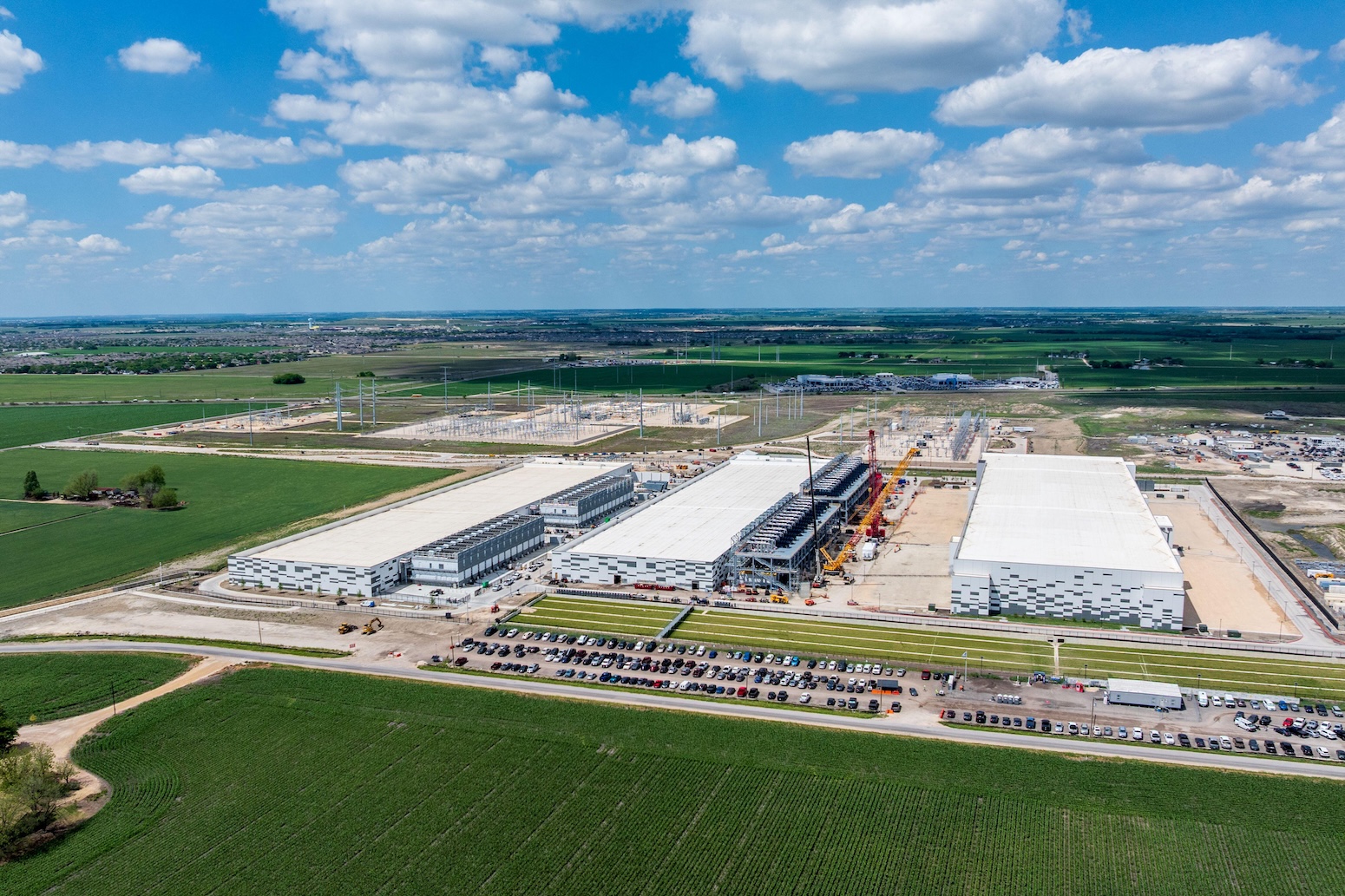
The AI spending boom could have real consequences for the U.S. economy
As revisions to U.S. jobs numbers call into question economic growth, Big Tech is becoming an even more important part of American prosperity.

L’incontournable trilemme de l'économie mondiale
Traduction française de Dani Rodrik (2012), « The inescapable trilemma of the world economy »
.png)
Regenerative Economics
Regenerative economies strengthen social and ecological systems. It's time for economics education to show us how.

Post-Growth - P2P Foundation
"The term postgrowth defines a range of approaches to socioecological challenges. They address these challenges in ways that are diametrically opposed to green-growth, which expresses the belief that society can simultaneously expand economic activity and reduce emissions and the demand for materials. Postgrowth approaches, by contrast, argue that the unlimited expansion of production and consumption is impossible and undesirable on a finite planet.
Why the super rich are inevitable
Why some mathematicians argue the economy is designed to create a few super rich people – unless we stop it.

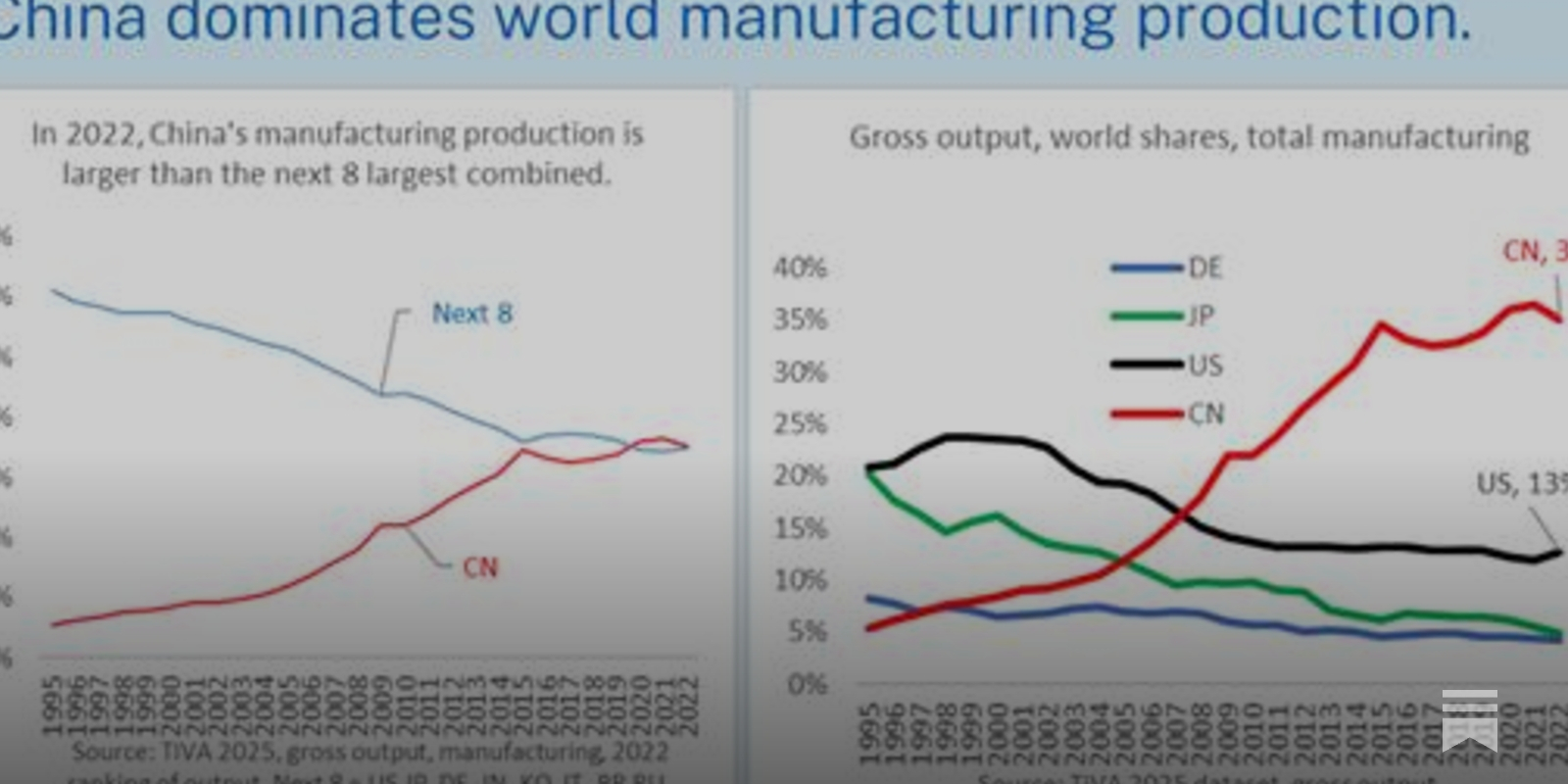
China’s globalisation paradox.
How can China dominate abroad while becoming less export-dependent?
The end of development economics
Some decades ago, development economists saw their approach as being distinctive compared to mainstream economics in general and better grounded in the reality of actual economies. This column argues that two trends over the last decades – the significant improvement in the average income of what were called developing countries and the homogenisation of economics methodology across the board – mean that the distinction between development economics and economics in general is increasingly untenable and indeed unnecessary.
The shallow impact of India’s AI summit
The US government still can’t think beyond “winning.” The rest of the world is still thinking too small

Brett Scott (@brettscott)
A lot of economists want to claim that economic growth is, at some deep level, driven by human greed. In this worldview, we always desire more and more, and so collectively seek to endlessly boost production I don’t buy this worldview at all I think economic growth is driven - at a deep level - by fear. It stems from the extreme insecurity of life in a capitalist market system, where you’re always on the verge of being cut out of society, and so need to over-secure your position through any means possible One of the most compelling pieces of evidence for this is the history of colonial beliefs around laziness. In many colonial regions, colonizers would complain about tribal people being lazy - in other words, not seeking to increase production when they could. The reason for this, however, was that such people had access to subsistence farming and secure social structures that did not require endless competition. Secure people are, by definition, ‘lazier’, in the sense that they do not perceive a visceral need to fight for survival The colonial mission then, was the cut them off from older means of survival, make them dependent on insecure market structures, and thereby boost production as they all turn up at the mines to elbow each other out of the way as they compete for jobs. Security, in other words, is the enemy of economic growth

Scenarios for our Economic Future
The Anthropic Economics Team models the effects of AI on the economy of 2030.
La nouvelle économie de la politique industrielle
L’économie politique joue un rôle déterminant dans le succès des politiques industrielles

Post-growth: the science of wellbeing within planetary boundaries
There are increasing concerns that continued economic growth in high-income countries might not be environmentally sustainable, socially beneficial, or economically achievable. In this Review, we explore the rapidly advancing field of post-growth research, which has evolved in response to these concerns. The central idea of post-growth is to replace the goal of increasing GDP with the goal of improving human wellbeing within planetary boundaries. Key advances discussed in this Review include: the development of ecological macroeconomic models that test policies for managing without growth; understanding and reducing the growth dependencies that tie social welfare to increasing GDP in the current economy; and characterising the policies and provisioning systems that would allow resource use to be reduced while improving human wellbeing.

AI boom means US is now ‘investing more’ in fossil-fuel power than China - Carbon Brief
The “data-centre boom” is driving a surge in gas investment in the US, pushing its fossil-power spending ahead of China, according to the IEA