

Executive Summary Over the past decade, more than 250 guaranteed income pilots, programs that provide people with regular cash with no restrictions on how they use it, have run across 40 states and the District of Columbia. That research has revealed many learnings, and this report focuses on one clear takeaway: cash has its largest…
Cash Works. Place and Amount Matter.
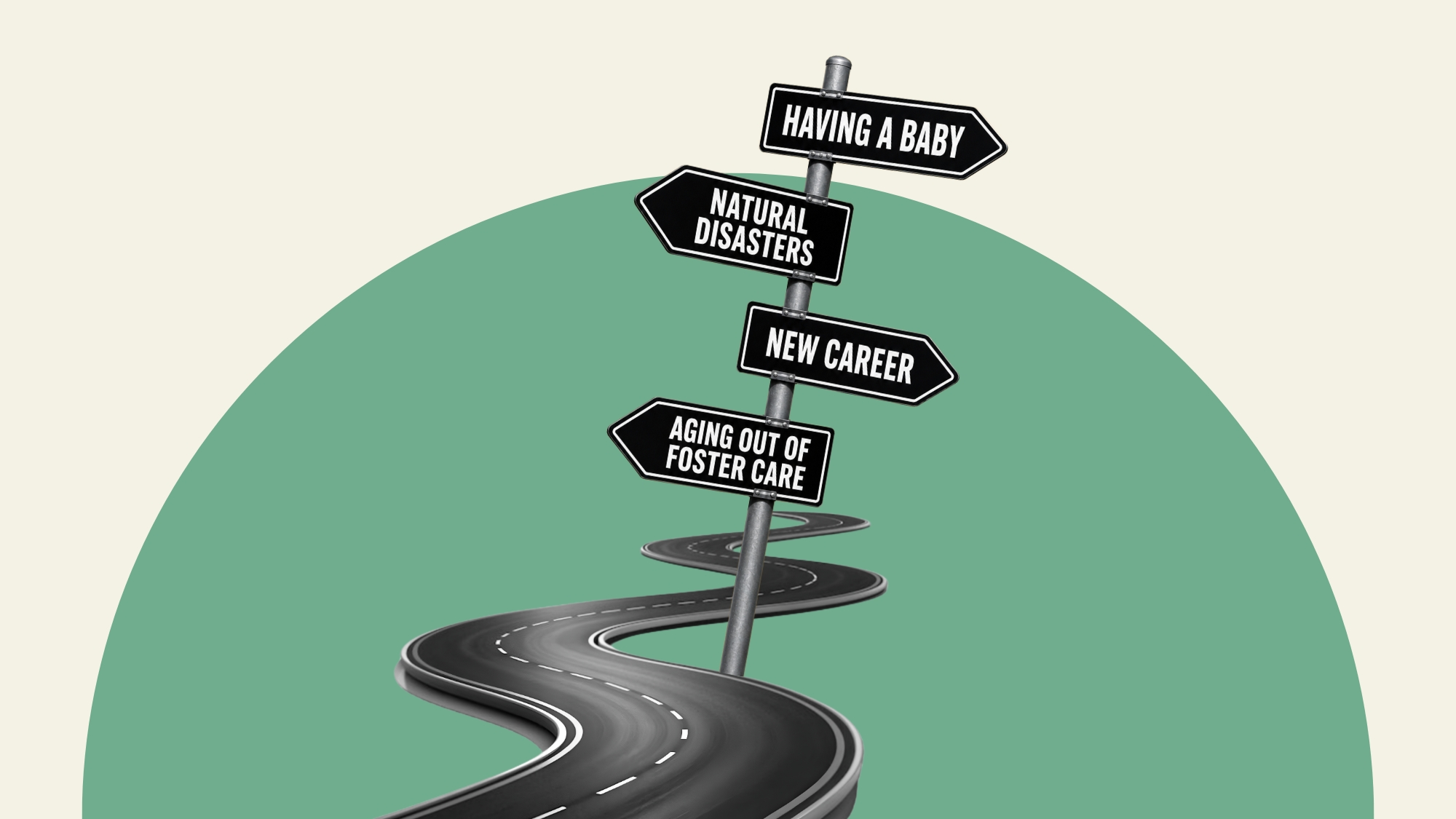
Two excellent new reports from our friends at the Economic Security Project make a strong case for direct cash — and reveal why rural, county-level research matters. Right on Time argues that cash is particularly effective during major transitions: * having a child * losing a job * leaving foster care or incarceration

Families' Use of Payment Instruments During a Decade of Change in the U.S. Payment System
The Federal Reserve Board of Governors in Washington DC.
Unconditional cash transfers reduce homelessness
Homelessness is an economic and social crisis. In a cluster-randomized controlled trial, we address a core cause of homelessness—lack of money—by providing a one-time unconditional cash transfer of CAD$7,500 to each of 50 individuals experiencing homelessness, with another 65 as controls in Vancouver, BC. Exploratory analyses showed that over 1 y, cash recipients spent fewer days homeless, increased savings and spending with no increase in temptation goods spending, and generated societal net savings of $777 per recipient via reduced time in shelters. Additional experiments revealed public mistrust toward the ability of homeless individuals to manage money and demonstrated interventions to increase public support for a cash transfer policy using counter-stereotypical or utilitarian messaging. Together, this research offers a new approach to address homelessness and provides insights into homelessness reduction policies.

Can Money Serve Life? How to Fund Communities Doing the Real Work with Matthew Monahan
What Happens When We Become A Cashless Society? - Fast Company
Imagine a future where everything is seamlessly paid for via your phone. It's a beautiful vision—with some dangerous unintended consequences.
How your bank balance buys happiness: The importance of “cash on hand” to life satisfaction.
Anthropic employees say they’ll give away billions. Where will it go?
A coming wave of Anthropic wealth could flood EA-aligned nonprofits with cash. Whether that’s good depends on who you ask
Why we should fear a cashless world | Dominic Frisby
Poor people and small businesses rely on cash. A contactless system will likely entrench poverty and pave the way for terrifying levels of surveillance
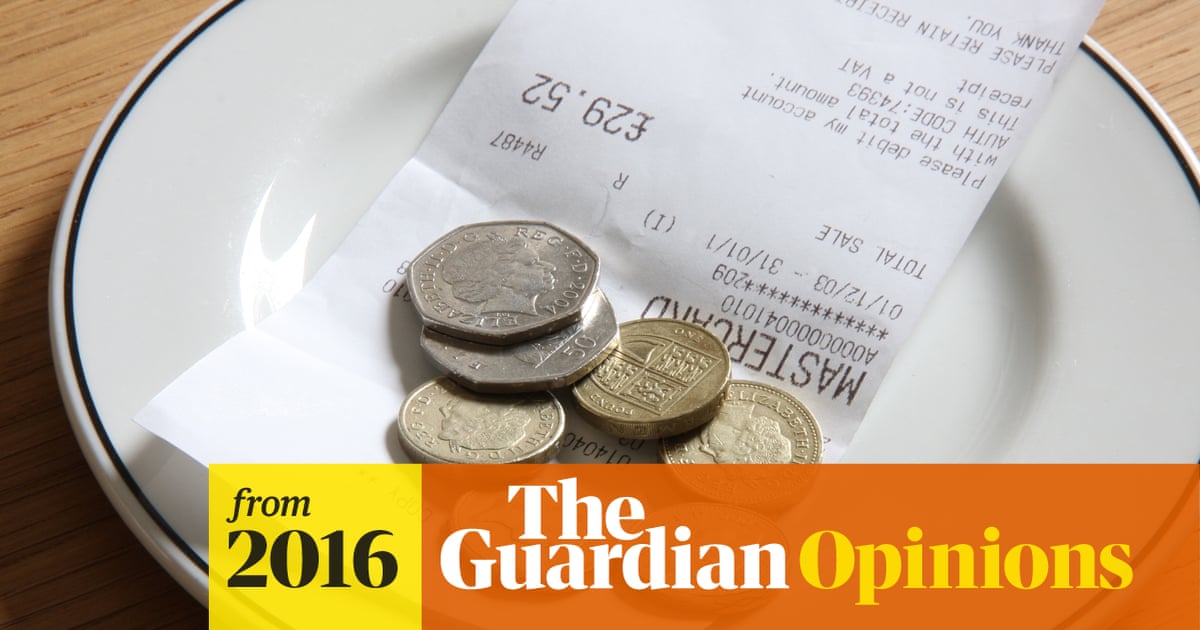
Doing what you love when the money won’t follow
I have frequently been critical of the advice given by baby boomers to “do what you love and the money will follow”. After the hard experience of my generation and the ones following it…

Household Finance
Household financial decisions are complex, interdependent, and heterogeneous, and central to the functioning of the financial system. We present an overview of the rapidly expanding literature on household finance (with some important exceptions) and suggest directions for future research. We begin with the theory and empirics of asset market participation and asset allocation over the life cycle. We then discuss household choices in insurance markets, trading behavior, decisions on retirement saving, and financial choices by retirees. We survey research on liabilities, including mortgage choice, refinancing, and default, and household behavior in unsecured credit markets, including credit cards and payday lending. We then connect the household to its social environment, including peer effects, cultural and hereditary factors, intra-household financial decision-making, financial literacy, cognition, and educational interventions. We also discuss literature on the provision and consumption of financial advice.
Cash versus Debit Card: The Role of Budget Control
Due to the financial crisis, an increasing number of households face financial problems. This may lead to an increasing need for monitoring spending and budgets. We demonstrate that both cash and the debit card are perceived as helpful in this respect. We show that, on average, consumers responsible for financial decision making within a household find cash and the debit card equally helpful for monitoring their household finances. Individuals differ in major respects, however. In particular, low earners and the liquidity‐constrained prefer cash as a budgeting tool. Finally, we present evidence that at an aggregated level, such preferences strongly affect consumer payment behavior. These findings suggest that the substitution of cash by cards may slow down because of the financial crisis.

The Smart Family Fund provides angel philanthropy funding to early-stage nonprofit organizations with the potential for positive, scalable impact that have not yet built the evidence base or… | Shawnta Jackson, MPH | 36 comments
The Smart Family Fund provides angel philanthropy funding to early-stage nonprofit organizations with the potential for positive, scalable impact that have not yet built the evidence base or sustainability model needed for larger growth funding. Eligible applicants must be U.S.-based 501(c)(3) organizations in good standing with the IRS that can clearly explain how they will measure effectiveness, quantify impact, and demonstrate how their approach is distinct from other organizations in the field. Applications are submitted through the “Send Us a Pitch” portal and require organizational information and a one-page elevator pitch aligned with the fund’s mission. Funding amounts are not publicly listed. Applications are accepted on a rolling basis. Learn more at https://lnkd.in/eYNhqsVB | 36 comments on LinkedIn

Why Sweden's cashless society is no longer a utopia
Switching fully to card and app payments would put access to our money in the hands of private organizations for the first time in history.
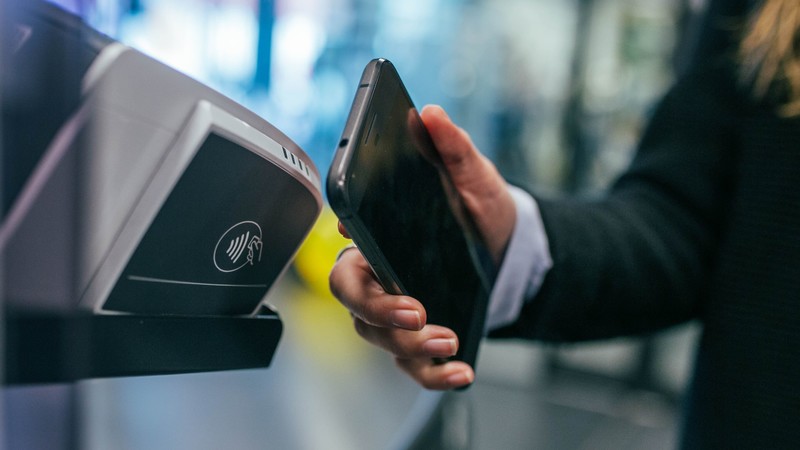
The Impact of Unconditional Cash Transfers on Consumption and Household Balance Sheets: Experimental Evidence from Two US States
Founded in 1920, the NBER is a private, non-profit, non-partisan organization dedicated to conducting economic research and to disseminating research findings among academics, public policy makers, and business professionals.
The Washington Informer
Help support, empower, impact, and inform our community! Become a sustaining member for Washington Informer today! Special Sections Money Talk Financial education series dedicated to closing the racial wealth gap.

Friends and Family Money: P2P Transfers and Financially Fragile Consumers
This paper examines the effects of real-time payments on financially fragile individuals in the United States. Consumers rely on friends and family money to cop
