

Not music nerds, obviously. I don’t know anything about music. I know there are letters but sometimes the letters have squiggles; I know an octave doubles in pitch; I know you can write a pop song with only four chords. That’s about it. The rest has always seemed completely, utterly arbitrary. Why do we have twelve notes, but represent them with only seven letters? Where did the key signatures come from? Why
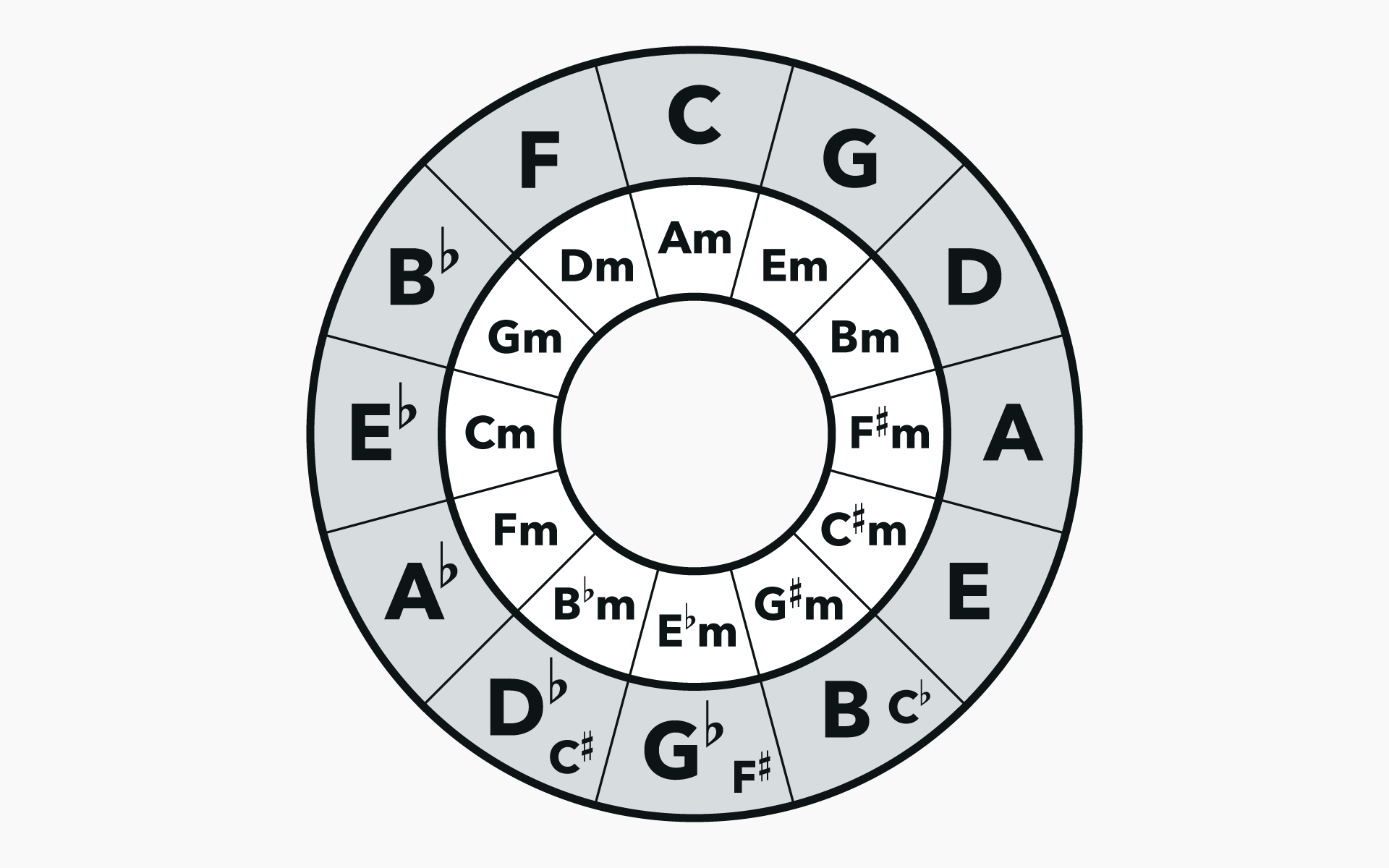
Circle of Fifths: The Key to Unlocking Harmonic Understanding
The circle of fifths is arguably the most helpful way of visually organizing the 12 chromatic pitches for learning music theory. Enjoy this lesson excerpt.
Speaking of Music
“Can anyone explain in mere prose the wonder of one note following or coinciding with another so that we feel that it is exactly how those notes had to be? Of course not.”
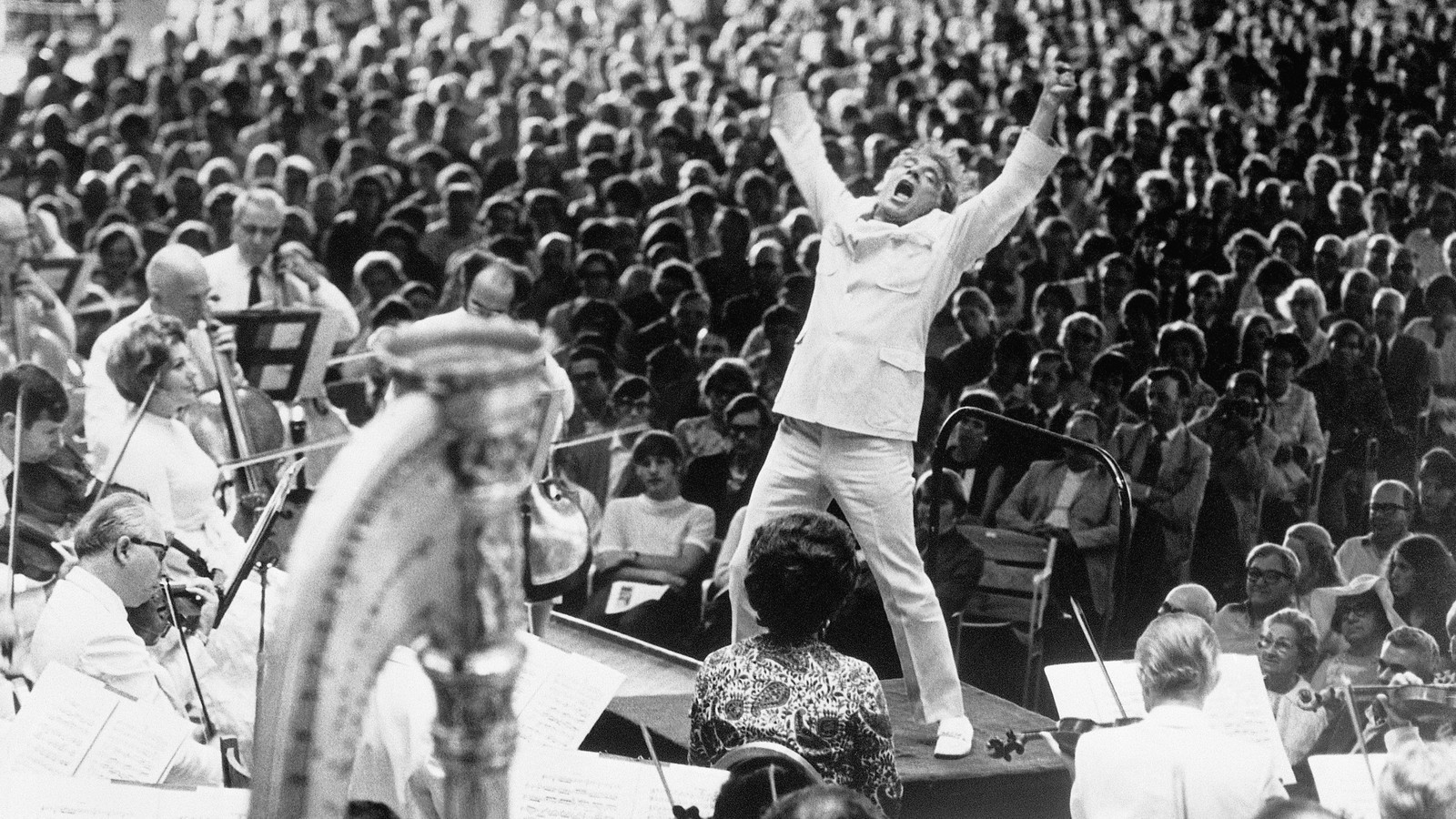
Ringing the chords of the Universe: how music influenced science | Aeon Essays
It’s no surprise that mathematics has influenced music. But did you know that the influence goes both ways?

Music theory for programmers
I can't play an instrument, so I worked out music theory in JavaScript instead. Twelve notes, scales and chords, derived from scratch with code you can hear.

Music Theory that isn't boring - Lightnote
Interactive lessons for learning Music Theory.

Brain knows how to stop thinking, start learning
Anyone who's ever learned music probably remembers reaching a point when they just played without "thinking" about the notes.

Getting Started Making Music | Notion
There are four elements of formula you need to make music.

NoobNotes.net - music notes for newbies
Easy letter notes with lyrics for novices Welcome to my collection of 500+ easy songs all worked out by ear and written in ABC letter notes beginners – created for fun, free, quick and easy music practice for children and adults alike 🙂 Start learning music today! More about NoobNotes › These simple music notes are perfect for novices […]
Music theory basics: how intervals define the distance in pitch between two notes
Major, minor, perfect, augmented and diminished intervals explained

The Knowledge Ecology
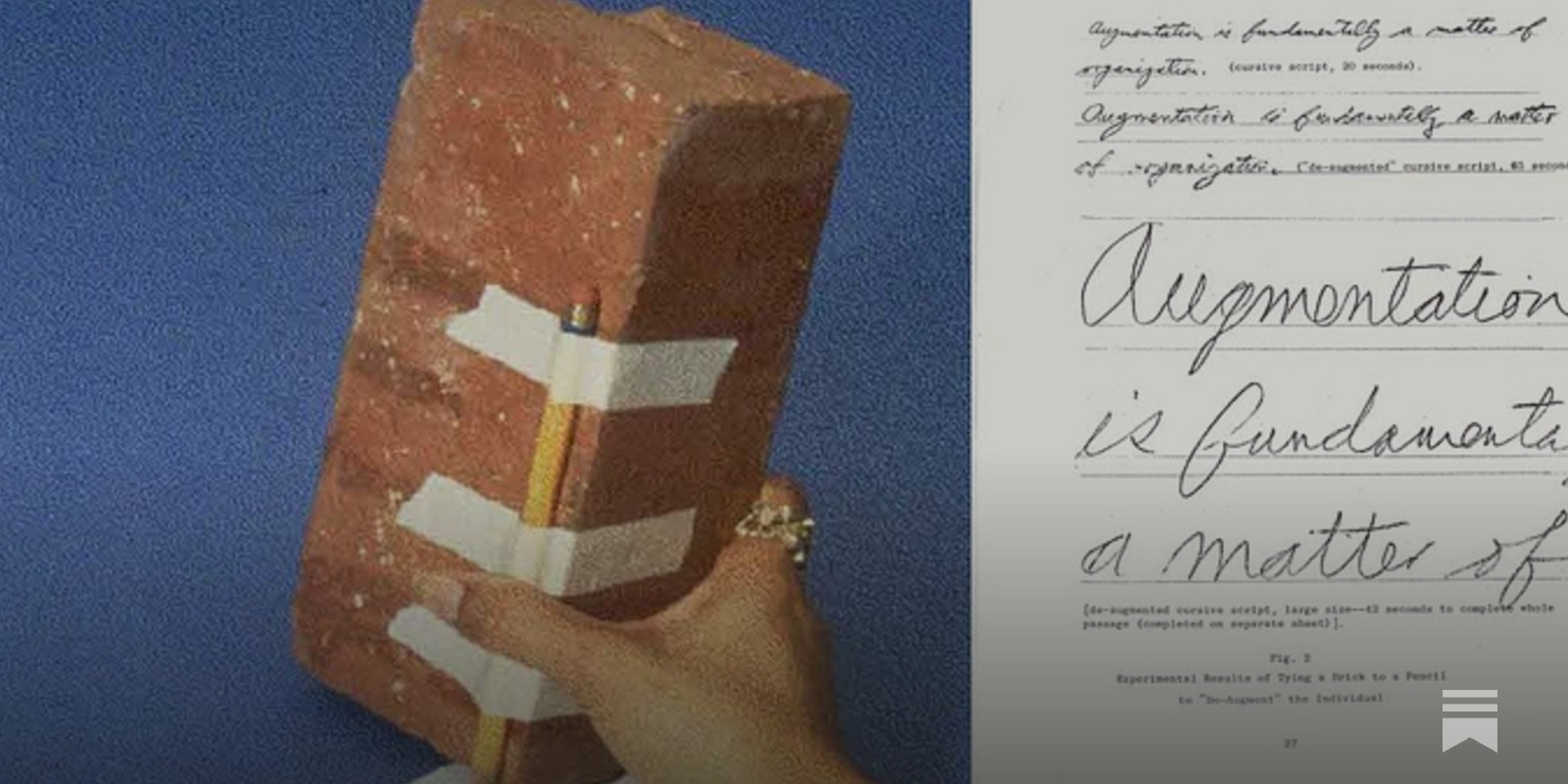
The important thing here is that the music is not in the piano. And knowledge and edification is not in the computer. The computer is simply an instrument whose music is ideas. Yes? No? Yes-no-yes-no-yes-no.
I analyzed the chords of 1300 popular songs for patterns. This is what I found. - The Hooktheory Blog
Discover the secrets behind hit music with our popular song chords analysis from 1300 tracks. Your songwriting journey begins here!

Eleventy Notes
A simple, lightweight, and flexible note-taking template for Eleventy.
Why Chromebook keyboards have lowercase letters
Learn why Google decided to create an all lowercase keyword for Chromebooks.

Graph Theoretical Models of Abstract Musical Transformation: An Introduction and Compendium for Composers and Theorists
An introduction to a new way of modeling musical surfaces for theorists and for generating precompositional relationships for composers, this unique music theory reference work introduces, classifies, and enumerates graph theoretical models for musical transformations in compositional and analytical applications. It also provides a practical application of musical applications for students of graph theory and could serve as an introduction to the further cross-integration of these two disciplines. Of interest to scholars, advanced music theory students, and composers, this work endeavors to facilitate the expression and understanding of musical ideas by presenting an unexplored way of notating relationships between transformational objects that is not attached to specific compositional or analytical systems.Graph theoretical models of abstract musical transformations supplement and refine the ability to articulate orderings with pitch structures in analytical environments. An extended analysis of the opening section of Form IV: Broken Sequences by Stefan Wolpe is used as a demonstration. The use of these diagrams to generate compositional surfaces differs slightly from their use in analysis: an analytical model relates to a single musical surface, whereas compositional applications can be used to generate any potential surface derived from construction of the graphs.
The Shape of Knowing - The Cynefin Co
We evolved to make sense of a world that does not come with explanations attached. This is the third in a series on the trialectics. For an introduction

The typographic scale
The typographic scale has been used for centuries to choose harmonious font sizes. It has been likened to a harmonious musical scale. But there are *flaws* in those historical values.
