

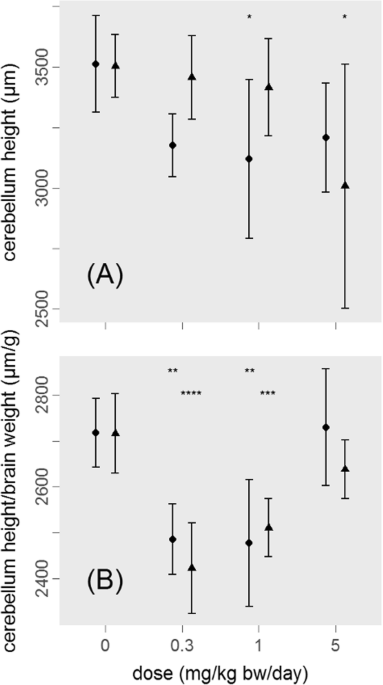
Authorization of pesticides for market release requires toxicity testing on animals, typically performed by test laboratories on contract with the pesticide producer. The latter provides the results and summary to the regulatory authorities. For the commonly used pesticide chlorpyrifos, an industry-funded toxicity study concludes that no selective effects on neurodevelopment occur even at high exposures. In contrast, the evidence from independent studies points to adverse effects of current exposures on cognitive development in children. We reviewed the industry-funded developmental neurotoxicity test data on chlorpyrifos and the related substance chlorpyrifos-methyl. We noted treatment-related changes in a brain dimension measure for chlorpyrifos at all dose levels tested, although not been reported in the original test summary. We further found issues which inappropriately decrease the ability of the studies to reveal true effects, including a dosage regimen that resulted in too low exposure of the nursing pups for chlorpyrifos and possibly for chlorpyrifos-methyl, and a failure to detect any neurobehavioral effects of lead nitrate used as positive control in the chlorpyrifos study. Our observations thus suggest that conclusions in test reports submitted by the producer may be misleading. This discrepancy affects the ability of regulatory authorities to perform a valid and safe evaluation of these pesticides. The difference between raw data and conclusions in the test reports indicates a potential existence of bias that would require regulatory attention and possible resolution.
Timescales of developmental toxicity impacting on research and needs for intervention
Abstract Much progress has happened in understanding developmental vulnerability to preventable environmental hazards. Along with the improved insight, the perspective has widened, and developmental toxicity now involves latent effects that can result in delayed adverse effects in adults or at old age and additional effects that can be transgenerationally transferred to future generations. Although epidemiology and toxicology to an increasing degree are exploring the adverse effects from developmental exposures in human beings, the improved documentation has resulted in little progress in protection, and few environmental chemicals are currently regulated to protect against developmental toxicity, whether it be neurotoxicity, endocrine disruption or other adverse outcome. The desire to obtain a high degree of certainty and verification of the evidence used for decision‐making must be weighed against the costs and necessary duration of research, as well as the long‐term costs to human health because of delayed protection of vulnerable early‐life stages of human development and, possibly, future generations. Although two‐generation toxicology tests may be useful for initial test purposes, other rapidly emerging tools need to be seriously considered from computational chemistry and metabolomics to CLARITY ‐ BPA ‐type designs, big data and population record linkage approaches that will allow efficient generation of new insight; epigenetic mechanisms may necessitate a set of additional regulatory tests to reveal such effects. As reflected by the Prenatal Programming and Toxicity ( PPTOX ) VI conference, the current scientific understanding and the timescales involved require an intensified approach to protect against preventable adverse health effects that can harm the next generation and generations to come. While further research is needed, the main emphasis should be on research translation and timely public health intervention to avoid serious, irreversible and perhaps transgenerational harm.

Dose dependence of prenatal fluoride exposure associations with cognitive performance at school age in three prospective studies
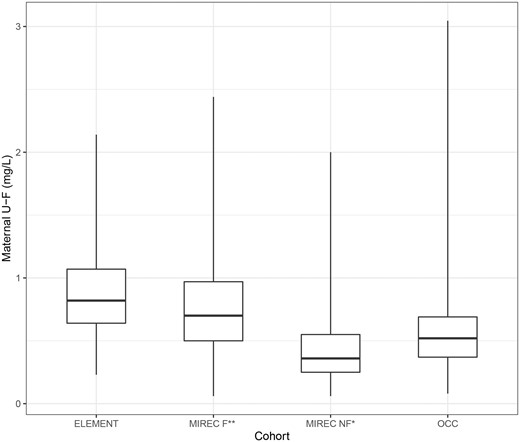
Abstract Background Fluoride may be a developmental neurotoxicant at elevated exposures. We merged new data from a prospective Odense Child Cohort (OCC) with results from two previous birth cohort studies from Mexico and Canada to characterize the dose–effect relationship in greater detail. Methods The OCC contributed 837 mother–child pairs to the total of >1500. We measured creatinine-adjusted urine-fluoride concentrations in maternal urine samples obtained during late pregnancy. Child IQ was determined at age 7 years using an abbreviated version of the Wechsler Intelligence Scales for Children. Findings from the three cohorts were used to calculate the joint benchmark concentration (BMC) and the lower confidence limit (BMCL) after adjustment for covariables. Results In the OCC, urine-fluoride concentrations varied between 0.08 and 3.04 mg/l (median 0.52 mg/l) but were not significantly associated with full-scale IQ at age 7 years (β = 0.08; 95% confidence interval −1.14 to 1.30 for a doubling in exposure). No difference was apparent between boys and girls. In the OCC, the BMC was 0.92 mg/l, with a BMCL of 0.30 mg/l. The joint analysis of all three cohorts showed a statistically significant association between urine-fluoride and IQ, with a BMC of 0.45 mg/l (BMCL, 0.28 mg/l), slightly higher than the BMC previously reported for the two North American cohorts alone. Conclusions As the BMCL reflects an approximate threshold for developmental neurotoxicity, the results suggest that pregnant women and children may need protection against fluoride toxicity.
Benchmark dose calculations for PFAS exposure based on two data sets on immunotoxic effects
Exposure to perfluorinated alkylate substances (PFAS) is associated with harmful effects on human health, including developmental immunotoxicity. This outcome was chosen as the critical effect by the European Food Safety Authority (EFSA), which calculated a new joint reference dose for four PFAS using a Benchmark Dose (BMD) analysis of a study of 1-year old children. However, the U.S. Environmental Protection Agency (EPA) recently proposed much lower exposure limits.
Chronic methylphenidate abuse: Effects on behaviour, redox homeostasis, and cholinergic system
Methylphenidate (MPH) (metil 2-fenil-2-(piperidin-2-il) acetato) is used as a drug of abuse as well as a cognitive enhancer owing to its amphetaminic structure. The objective of this study was to evaluate whether chronic exposure to an abusive context and dose of MPH (80 mg/L for 15 min/day for 7 days) in adult life causes behavioural changes related to anxiety, fear, sociability, locomotion, and memory as well as altered levels of biochemical markers, cortisol, and the cholinergic system. Here we used the zebrafish (Danio rerio) as a translatio Nnal model. We showed that fish exposed to MPH showed marked hypolocomotion and anxiogenic patterns, fear behaviour, and memory delay. MPH exposure also increased the levels of antioxidant enzymes, non-protein thiols, and reactive oxygen species compared with those in the control group, and the redox status was altered at the cerebral and peripheral levels. The cholinergic system exhibits a reduction in signalling and an increase in cortisol levels. Our results clarified the mechanisms involved in the toxicity elicited by the abusive use of MPH. Overall, our results demonstrated that chronic administration of an abusive dose of MPH in individuals without a diagnosis of attention deficit hyperactivity disorder (ADHD) can cause important damage.
A Benchmark Dose Analysis for Maternal Pregnancy Urine‐Fluoride and IQ in Children
Abstract As a guide to establishing a safe exposure level for fluoride exposure in pregnancy, we applied benchmark dose modeling to data from two prospective birth cohort studies. We included mother–child pairs from the Early Life Exposures in Mexico to Environmental Toxicants (ELEMENT) cohort in Mexico and the Maternal‐Infant Research on Environmental Chemicals (MIREC) cohort in Canada. Maternal urinary fluoride concentrations (U‐F, in mg/L, creatinine‐adjusted) were measured in urine samples obtained during pregnancy. Children were assessed for intelligence quotient (IQ) at age 4 ( n = 211) and between six and 12 years ( n = 287) in the ELEMENT cohort, and three to four years ( n = 407) in the MIREC cohort. We calculated covariate‐adjusted regression coefficients and their standard errors to assess the association of maternal U‐F concentrations with children's IQ measures. Assuming a benchmark response of 1 IQ point, we derived benchmark concentrations (BMCs) and benchmark concentration levels (BMCLs). No deviation from linearity was detected in the dose–response relationships, but boys showed lower BMC values than girls. Using a linear slope for the joint cohort data, the BMC for maternal U‐F associated with a 1‐point decrease in IQ scores was 0.31 mg/L (BMCL, 0.19 mg/L) for the youngest boys and girls in the two cohorts, and 0.33 mg/L (BMCL, 0.20 mg/L) for the MIREC cohort and the older ELEMENT children. Thus, the joint data show a BMCL in terms of the adjusted U‐F concentrations in the pregnant women of approximately 0.2 mg/L. These results can be used to guide decisions on preventing excess fluoride exposure in pregnant women.

Application of benchmark analysis for mixed contaminant exposures: Mutual adjustment of perfluoroalkylate substances associated with immunotoxicity
Background Developmental exposure to perfluorinated alkylate substances (PFASs) is associated with deficient IgG antibody responses to childhood vaccines. As this immunotoxicity outcome may represent a critical effect, calculation of benchmark dose (BMD) results would be useful for defining protective limits of exposure. However, exposures to the major PFASs that are associated with this adverse effect are interrelated, and mutually adjusted BMD results would be desirable. Methods We carried out BMD calculations on prospective data from two prospective birth cohort studies from the Faroe Islands with a total of 1,146 children. Exposure data included serum concentrations of five major PFASs at birth and at age 5 years and, as outcome parameters, the serum concentrations of specific IgG antibodies against tetanus and diphtheria at ages 5 and 7. We calculated the BMDs and their lower confidence bounds (BMDLs) and included mutual adjustment for five major PFASs. BMD and BMDL were expressed in terms of the serum concentration of the PFASs. Results The BMDLs for the immunotoxicants were of similar magnitude before and after adjustment. As compared to linear dose-response models, the PFASs showed lower results for a piecewise linear model, which also provided a slightly better fit. Weaker associations with the antibody outcomes were observed after adjustments due to the correlation between the PFASs. However, while the adjustments resulted in elevated BMD results and p values, the BMDL values were not materially changed. Conclusions Adjustment for co-exposure to a related immunotoxicant increased both the BMD values and their standard errors, though affected the BMDL values only to a negligible extent. Thus, when correlated toxicants appear to affect the same outcome and none of them is known a priori to be solely responsible, all exposures may be considered responsible in BMD calculations. Our BMDL results, both before and after adjustment are generally below current exposure levels and therefore suggest that all five perfluorinated substances should attract regulatory attention, at least until additional evidence shows otherwise.
Developmental fluoride neurotoxicity: an updated review
After the discovery of fluoride as a caries-preventing agent in the mid-twentieth century, fluoridation of community water has become a widespread intervention, sometimes hailed as a mainstay of modern public health. However, this practice results in elevated fluoride intake and has become controversial for two reasons. First, topical fluoride application in the oral cavity appears to be a more direct and appropriate means of preventing caries. Second, systemic fluoride uptake is suspected of causing adverse effects, in particular neurotoxicity during early development. The latter is supported by experimental neurotoxicity findings and toxicokinetic evidence of fluoride passing into the brain.
Methylphenidate Treatment and Risk of Psychotic Disorder
This cohort study of a Finnish national multiyear birth cohort uses instrumental variable analysis to investigate whether methylphenidate alters the long-term risk of psychotic disorder in children with attention-deficit/hyperactivity disorder.

Exposure to a PFOA, PFOS and PFHxS Mixture during Gestation and Lactation Alters the Liver Proteome in Offspring of CD-1 Mice
Perfluroalkyl substances (PFASs) are persistent man-made chemicals considered to be emerging pollutants, with Perfluorooctanoic acid (PFOA), Perfluorooctanesulfonic acid (PFOS), and Perfluorohexanesulphonic acid (PFHxS) being linked to hepatotoxicity and steatosis. PFOA, PFOS, and PFHxS can undergo placental and lactational transfer, which results in PFOA, PFOS, and PFHxS distribution to the neonatal liver. Moreover, in pregnant dams, exposure to a PFAS mixture, in combination with a high fat diet, increased hepatic steatosis in offspring at postnatal day 21, but the mechanisms have not been elucidated. It was hypothesized that gestational/lactational PFAS exposure would alter the pup liver proteome and biochemical/signaling pathways. Timed-pregnant CD-1 dams were fed a standard chow or 60% kcal high-fat diet. From GD1 until PND20, dams were dosed via oral gavage with vehicle (0.5% Tween 20), individual doses of PFOA, PFOS, PFHxS at 1 mg/kg, or a mixture (1 mg/kg each, totaling 3 mg/kg). Livers were collected from PND21 offspring and SWATH-MS proteomics was performed. IPA analysis revealed PFAS exposure modified disease and biological function pathways involved in liver damage, xenobiotics, and lipid regulation in the PND21 liver. These pathways included lipid and fatty acid transport, storage, oxidation, and synthesis, as well as xenobiotic metabolism and transport, and liver damage and inflammation. This indicates the pup liver proteome is altered via maternal exposure and predisposes the pup to metabolic dysfunctions.

Climate change and overfishing increase neurotoxicant in marine predators
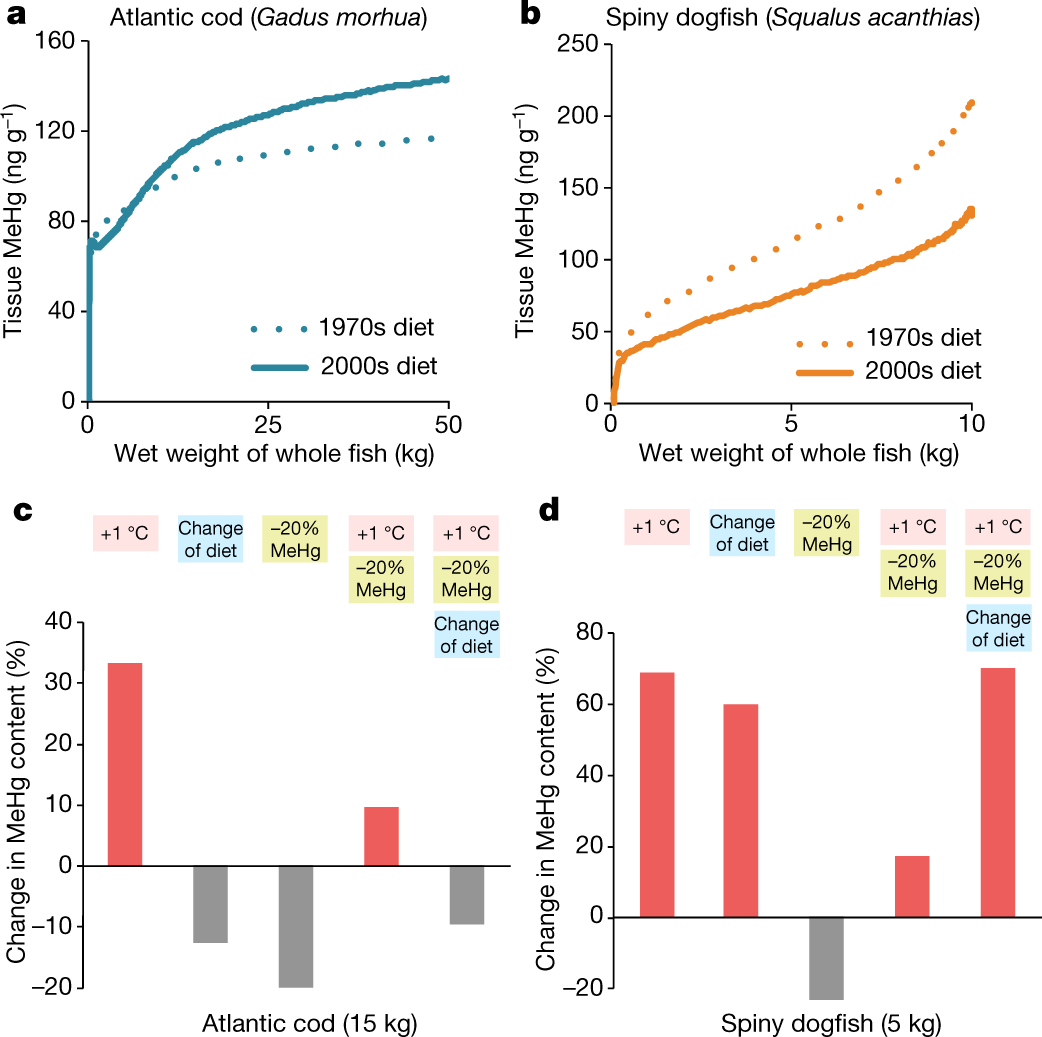
More than three billion people rely on seafood for nutrition. However, fish are the predominant source of human exposure to methylmercury (MeHg), a potent neurotoxic substance. In the United States, 82% of population-wide exposure to MeHg is from the consumption of marine seafood and almost 40% is from fresh and canned tuna alone1. Around 80% of the inorganic mercury (Hg) that is emitted to the atmosphere from natural and human sources is deposited in the ocean2, where some is converted by microorganisms to MeHg. In predatory fish, environmental MeHg concentrations are amplified by a million times or more. Human exposure to MeHg has been associated with long-term neurocognitive deficits in children that persist into adulthood, with global costs to society that exceed US$20 billion3. The first global treaty on reductions in anthropogenic Hg emissions (the Minamata Convention on Mercury) entered into force in 2017. However, effects of ongoing changes in marine ecosystems on bioaccumulation of MeHg in marine predators that are frequently consumed by humans (for example, tuna, cod and swordfish) have not been considered when setting global policy targets. Here we use more than 30 years of data and ecosystem modelling to show that MeHg concentrations in Atlantic cod (Gadus morhua) increased by up to 23% between the 1970s and 2000s as a result of dietary shifts initiated by overfishing. Our model also predicts an estimated 56% increase in tissue MeHg concentrations in Atlantic bluefin tuna (Thunnus thynnus) due to increases in seawater temperature between a low point in 1969 and recent peak levels—which is consistent with 2017 observations. This estimated increase in tissue MeHg exceeds the modelled 22% reduction that was achieved in the late 1990s and 2000s as a result of decreased seawater MeHg concentrations. The recently reported plateau in global anthropogenic Hg emissions4 suggests that ocean warming and fisheries management programmes will be major drivers of future MeHg concentrations in marine predators.
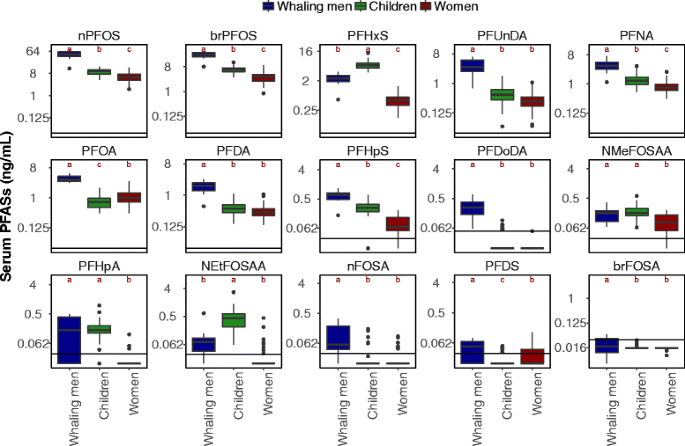
Can profiles of poly- and Perfluoroalkyl substances (PFASs) in human serum provide information on major exposure sources?
Humans are exposed to poly- and perfluoroalkyl substances (PFASs) from diverse sources and this has been associated with negative health impacts. Advances in analytical methods have enabled routine detection of more than 15 PFASs in human sera, allowing better profiling of PFAS exposures. The composition of PFASs in human sera reflects the complexity of exposure sources but source identification can be confounded by differences in toxicokinetics affecting uptake, distribution, and elimination. Common PFASs, such as perfluorooctanoic acid (PFOA), perfluorooctane sulfonic acid (PFOS) and their precursors are ubiquitous in multiple exposure sources. However, their composition varies among sources, which may impact associated adverse health effects.
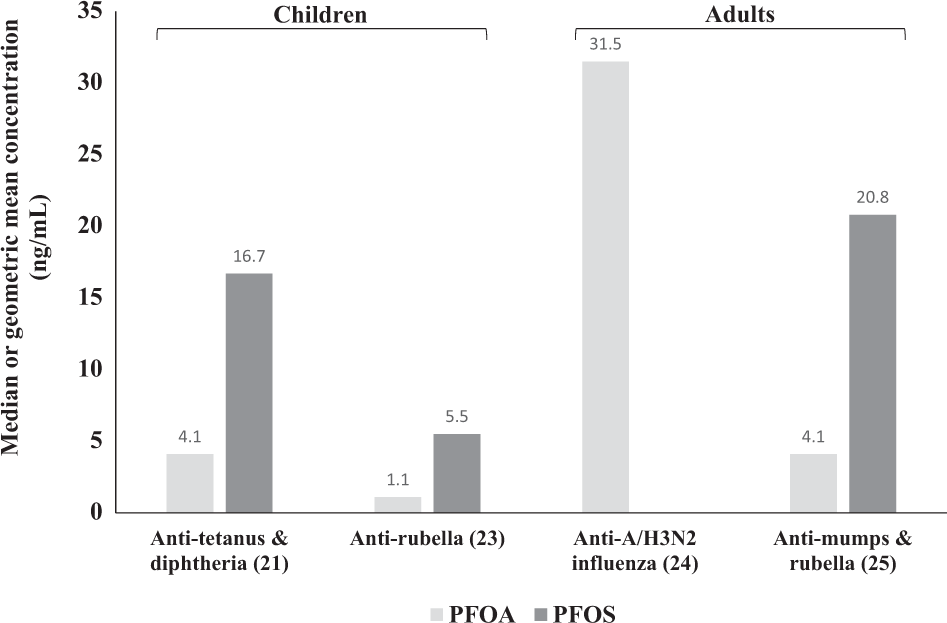
Exposure to per-fluoroalkyl and polyfluoroalkyl substances leads to immunotoxicity: epidemiological and toxicological evidence
In this perspective, we evaluate key and emerging epidemiological and toxicological data concerning immunotoxicity of perfluorooctanoic acid (PFOA) and perfluorooctane sulfonate (PFOS) and seek to reconcile conflicting conclusions from two reviews published in 2016. We summarize ways that immunosuppression and immunoenhancement are defined and explain how specific outcomes are used to evaluate immunotoxicity in humans and experimental animals. We observe that different approaches to defining immunotoxicological outcomes, particularly those that do not produce clinical disease, may lead to different conclusions from epidemiological and toxicological studies. The fundamental point that we make is that aspects of epidemiological studies considered as limitations can be minimized when data from toxicological studies support epidemiological findings. Taken together, we find that results of epidemiological studies, supported by findings from toxicological studies, provide strong evidence that humans exposed to PFOA and PFOS are at risk for immunosuppression.
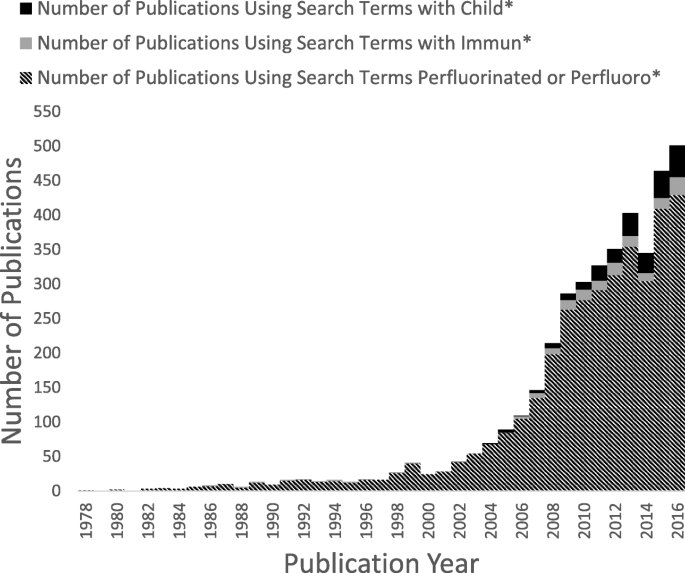
Delayed discovery, dissemination, and decisions on intervention in environmental health: a case study on immunotoxicity of perfluorinated alkylate substances
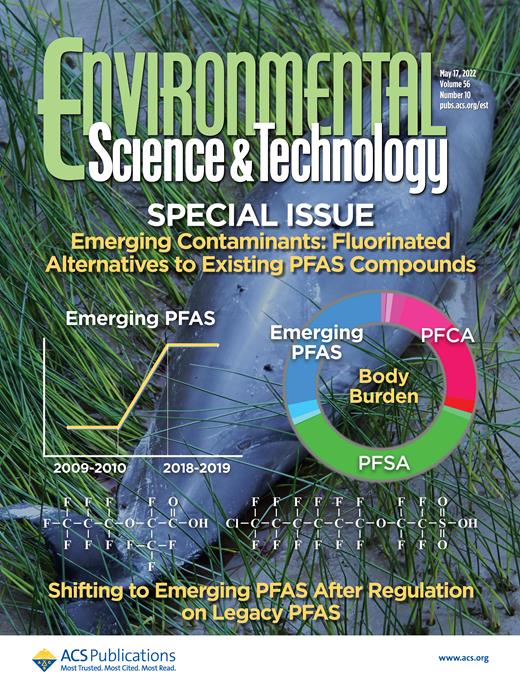
Identification and characterization of environmental hazards that impact human health must rely on the best possible science to inform and inspire appropriate public health intervention. The perfluorinated alkylate substances (PFASs) are persistent emerging pollutants that are now being recognized as important human health hazards. Although the PFASs have been produced for over 60 years, academic research on environmental health aspects has appeared only in the most recent 10 years or so. In the meantime, these persistent chemicals accumulated in the global environment. Some early studies e.g., on population exposures and toxicity, were not released to the public until after year 2000. Still, the first PFAS risk assessments ignored these reports and relied on scant journal publications. The first guidelines and legal limits for PFAS exposure, e.g., from drinking water, were proposed 10 years ago. They have decreased substantially since then, but remain higher than suggested by data on human adverse effects, especially on the immune system, that occur at background exposure levels. By now, the best-known PFASs are being phased out, and related PFASs are being introduced as substitutes. Given the substantial delays in discovery of PFAS toxicity, in dissemination of findings, and in regulatory decisions, PFAS substitutes and other persistent industrial chemicals should be subjected to prior scrutiny before widespread usage.
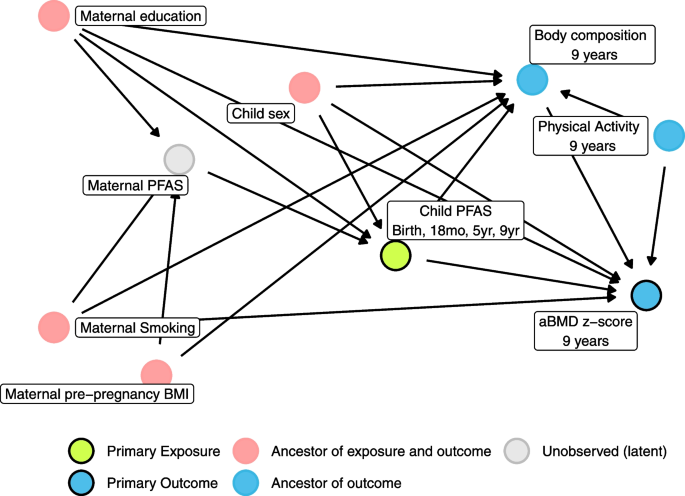
Bone mass density following developmental exposures to perfluoroalkyl substances (PFAS): a longitudinal cohort study
Environmental exposures to industrial chemicals, including perfluoroalkyl substances (PFAS), may play a role in bone development and future risk of osteoporosis. However, as prospective evidence is limited, the role of developmental PFAS exposures in bone density changes in childhood is unclear. The objective of this study was to estimate associations between serum-PFAS concentrations measured in infancy and early childhood and areal bone mineral density (aBMD) measured at age 9 years in a birth cohort of children from the Faroe Islands.
How Well Do Product Labels Indicate the Presence of PFAS in Consumer Items Used by Children and Adolescents?
Abstract. PFAS are persistent and toxic chemicals used in many commercial and industrial applications that are often added to consumer products, including
Intravenous Methylphenidate Abuse
Data are presented from a case series of 22 patients who abused methylphenidate hydrochloride (Ritalin-SR). The abuse pattern and symptoms of toxicity were similar to that seen with cocaine hydrochloride and amphetamine sulfate addiction; yet, the morbidity and mortality seen in this case series...
