

Weight loss relapse associated with exposure to perfluorinated alkylate substances
Abstract Objective The purpose of this study was to test the hypothesis that perfluorinated alkylate substance (PFAS) exposures are associated with body weight increases in a dietary intervention study. Methods In the DioGenes trial, adults with obesity first lost at least 8% of their body weight and then completed at least 26 weeks on a specific diet. Concentrations of five major PFASs were assessed in plasma samples from study baseline. Results In 381 participants with complete data, plasma concentrations averaged 2.9 ng/mL and 1.0 ng/mL for perfluorooctanoic acid (PFOA) and perfluorohexanesulfonic acid (PFHxS), respectively. A doubling in plasma PFOA was associated with an increase in weight at 26 weeks by 1.50 kg (95% CI: 0.88–2.11), with an increase of 0.91 kg (95% CI: 0.54–1.27) for PFHxS, independent of diet groups and sex. Associations for other PFASs were in the same direction and significant, although not after adjustment for PFOA and PFHxS. Weight changes associated with elevated PFAS exposures were similar to or larger than average changes ascribed to the different diet groups. Conclusions Elevated plasma concentrations of PFOA and PFHxS were associated with increased weight gain that exceeded those related to the diets. Obesogenic PFASs may cause weight gain and thus contribute to the obesity pandemic.

How Do We Measure Poly- and Perfluoroalkyl Substances (PFASs) at the Surface of Consumer Products?
Abstract. Exposures to poly- and perfluoroalkyl substances (PFASs) have been linked to metabolic disruption, immunotoxicity, and cancer in humans. PFASs ar

Can profiles of poly- and Perfluoroalkyl substances (PFASs) in human serum provide information on major exposure sources?
Humans are exposed to poly- and perfluoroalkyl substances (PFASs) from diverse sources and this has been associated with negative health impacts. Advances in analytical methods have enabled routine detection of more than 15 PFASs in human sera, allowing better profiling of PFAS exposures. The composition of PFASs in human sera reflects the complexity of exposure sources but source identification can be confounded by differences in toxicokinetics affecting uptake, distribution, and elimination. Common PFASs, such as perfluorooctanoic acid (PFOA), perfluorooctane sulfonic acid (PFOS) and their precursors are ubiquitous in multiple exposure sources. However, their composition varies among sources, which may impact associated adverse health effects.
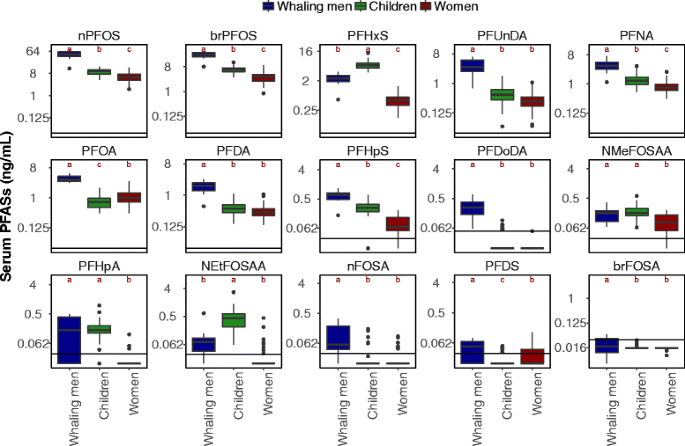
Shifting Global Exposures to Poly- and Perfluoroalkyl Substances (PFASs) Evident in Longitudinal Birth Cohorts from a Seafood-Consuming Population
Abstract. Rapid declines in legacy poly- and perfluoroalkyl substances (PFASs) have been reported in human populations globally following changes in produc
How Well Do Product Labels Indicate the Presence of PFAS in Consumer Items Used by Children and Adolescents?
Abstract. PFAS are persistent and toxic chemicals used in many commercial and industrial applications that are often added to consumer products, including
A review of the pathways of human exposure to poly- and perfluoroalkyl substances (PFASs) and present understanding of health effects
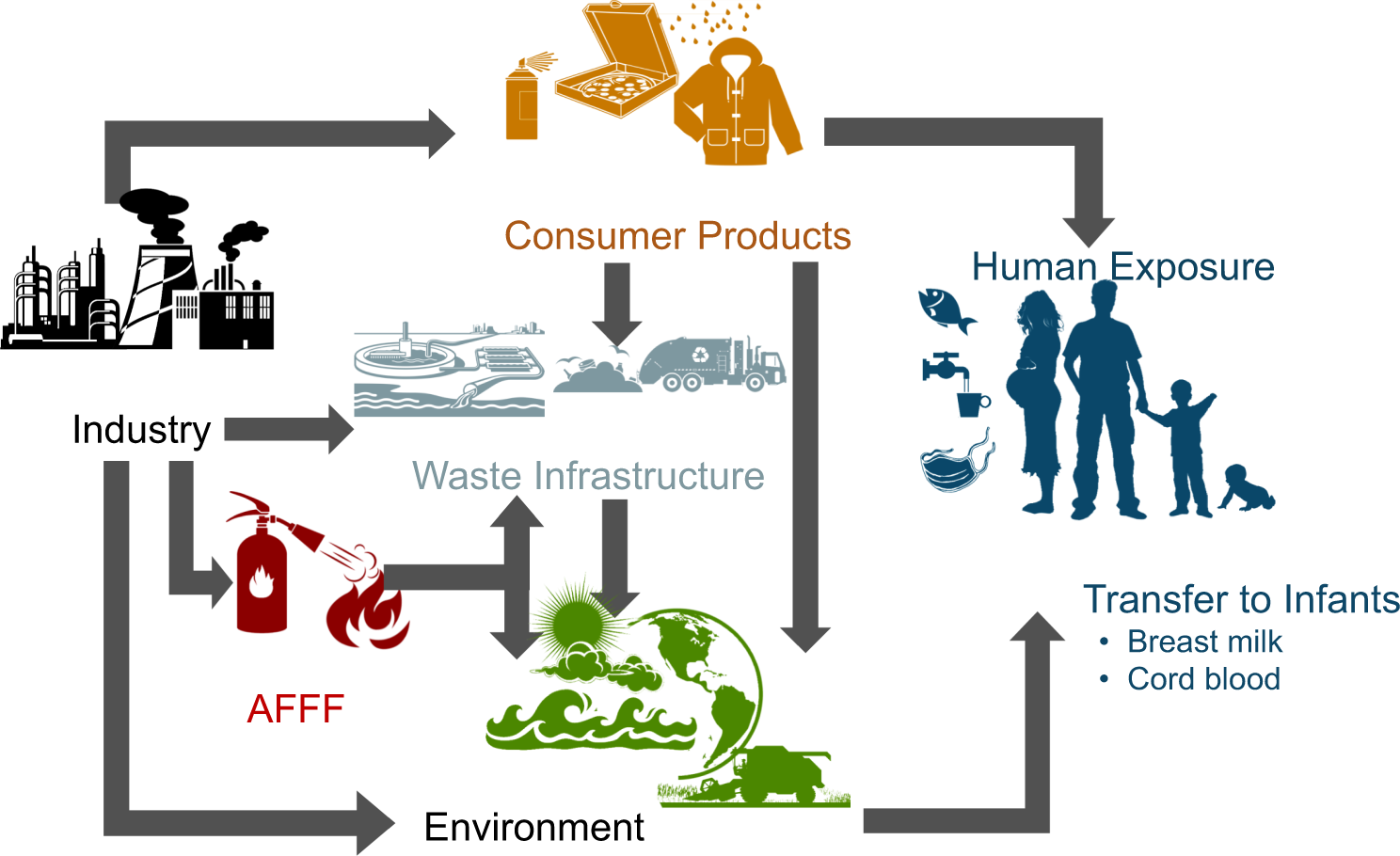
Here, we review present understanding of sources and trends in human exposure to poly- and perfluoroalkyl substances (PFASs) and epidemiologic evidence for impacts on cancer, immune function, metabolic outcomes, and neurodevelopment. More than 4000 PFASs have been manufactured by humans and hundreds have been detected in environmental samples. Direct exposures due to use in products can be quickly phased out by shifts in chemical production but exposures driven by PFAS accumulation in the ocean and marine food chains and contamination of groundwater persist over long timescales. Serum concentrations of legacy PFASs in humans are declining globally but total exposures to newer PFASs and precursor compounds have not been well characterized. Human exposures to legacy PFASs from seafood and drinking water are stable or increasing in many regions, suggesting observed declines reflect phase-outs in legacy PFAS use in consumer products. Many regions globally are continuing to discover PFAS contaminated sites from aqueous film forming foam (AFFF) use, particularly next to airports and military bases. Exposures from food packaging and indoor environments are uncertain due to a rapidly changing chemical landscape where legacy PFASs have been replaced by diverse precursors and custom molecules that are difficult to detect. Multiple studies find significant associations between PFAS exposure and adverse immune outcomes in children. Dyslipidemia is the strongest metabolic outcome associated with PFAS exposure. Evidence for cancer is limited to manufacturing locations with extremely high exposures and insufficient data are available to characterize impacts of PFAS exposures on neurodevelopment. Preliminary evidence suggests significant health effects associated with exposures to emerging PFASs. Lessons learned from legacy PFASs indicate that limited data should not be used as a justification to delay risk mitigation actions for replacement PFASs.
Tap Water Contributions to Plasma Concentrations of Poly- and Perfluoroalkyl Substances (PFAS) in a Nationwide Prospective Cohort of U.S. Women
Abstract Background: Between 2013 and 2015, concentrations of poly- and perfluoroalkyl substances (PFAS) in public drinking water supplies serving at least six million individuals exceeded the level set forth in the health advisory established by the U.S. Environmental Protection Agency. Other than data reported for contaminated sites, no systematic or prospective data exist on the relative source contribution (RSC) of drinking water to human PFAS exposures. Objectives: This study estimates the RSC of tap water to overall PFAS exposure among members of the general U.S. population. Methods: We measured concentrations of 15 PFAS in home tap water samples collected in 1989–1990 from 225 participants in a nationwide prospective cohort of U.S. women: the Nurses’ Health Study (NHS). We used a one-compartment toxicokinetic model to estimate plasma concentrations corresponding to tap water intake of PFAS. We compared modeled results with measured plasma PFAS concentrations among a subset of 110 NHS participants. Results: Tap water perfluorooctanoic acid (PFOA) and perfluorononanoic acid (PFNA) were statistically significant predictors of plasma concentrations among individuals who consumed ≥8 cups of tap water per day. Modeled median contributions of tap water to measured plasma concentrations were: PFOA 12% (95% probability interval 11%–14%), PFNA 13% (8.7%–21%), linear perfluorooctanesulfonic acid (nPFOS) 2.2% (2.0%–2.5%), branched perfluorooctanesulfonic acid (brPFOS) 3.0% (2.5%–3.2%), and perfluorohexanesulfonic acid (PFHxS) 34% (29%–39%). In five locations, comparisons of PFASs in community tap water collected in the period 2013–2016 with samples from 1989–1990 indicated increases in quantifiable PFAS and extractable organic fluorine (a proxy for unquantified PFAS). Conclusions: Our results for 1989–1990 compare well with the default RSC of 20% used in risk assessments for legacy PFAS by many agencies. Future evaluation of drinking water exposures should incorporate emerging PFAS. https://doi.org/10.1289/EHP4093
Understanding Mechanisms of PFAS Absorption, Distribution, and Elimination Using a Physiologically Based Toxicokinetic Model
Abstract. Exposures to some per- and polyfluoroalkyl substances (PFAS), including perfluoroalkyl acids (PFAA), have been associated with diverse adverse he

Benchmark dose calculations for PFAS exposure based on two data sets on immunotoxic effects
Exposure to perfluorinated alkylate substances (PFAS) is associated with harmful effects on human health, including developmental immunotoxicity. This outcome was chosen as the critical effect by the European Food Safety Authority (EFSA), which calculated a new joint reference dose for four PFAS using a Benchmark Dose (BMD) analysis of a study of 1-year old children. However, the U.S. Environmental Protection Agency (EPA) recently proposed much lower exposure limits.
Liver and Intestinal Fatty Acid Binding Proteins Are Not Critical for Perfluorooctanesulfonate (PFOS) Tissue Distribution and Elimination in Mice
Abstract. Perfluorooctanesulfonate (PFOS) is a persistent environmental pollutant in the per- and polyfluoroalkyl substances (PFAS) class, known to accumul
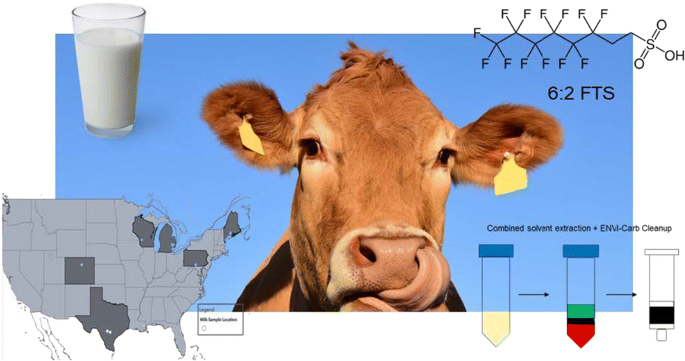
A sensitive method for the detection of legacy and emerging per- and polyfluorinated alkyl substances (PFAS) in dairy milk
There is widespread contamination by per- and polyfluoroalkyl substances (PFAS) across the globe, with adverse effects on human and environmental health. For human exposure, drinking water and dietary exposure have been recognized as important PFAS exposure pathway for the general population. Several documented cases of dairy milk contamination by PFAS have raised concerns over this exposure pathway in general. A sensitive method for determination of 27 PFAS in milk was hence modified and applied on raw and processed milk samples from 13 farms across the United States (U.S.). A combination of acid and basic extraction method and ENVI-Carb clean-up achieved recoveries of targeted PFAS between 70 and 141%. The method detection limits (MDL) ranged from 0.8 to 22 ng/L (for 26 PFAS) and 144 ng/L for perfluorobutanoic acid (PFBA). The uniqueness of this method is considered in the targeted screening of a broad range of legacy PFAS, as well as perfluorinated sulfonamide species and fluorotelomer sulfonates. No legacy PFAS were detected in 13 milk samples from regions of concern given local use of biosolids or proximity to fire training areas. Overall, then, the uptake of perfluoroalkyl acids (PFAA) from dairy milk in the U.S. is considered low.
The Air That We Breathe: Neutral and Volatile PFAS in Indoor Air
Abstract. Sources of exposure to per- and polyfluorinated alkyl substances (PFAS) include food, water, and, given that humans spend typically 90% of their

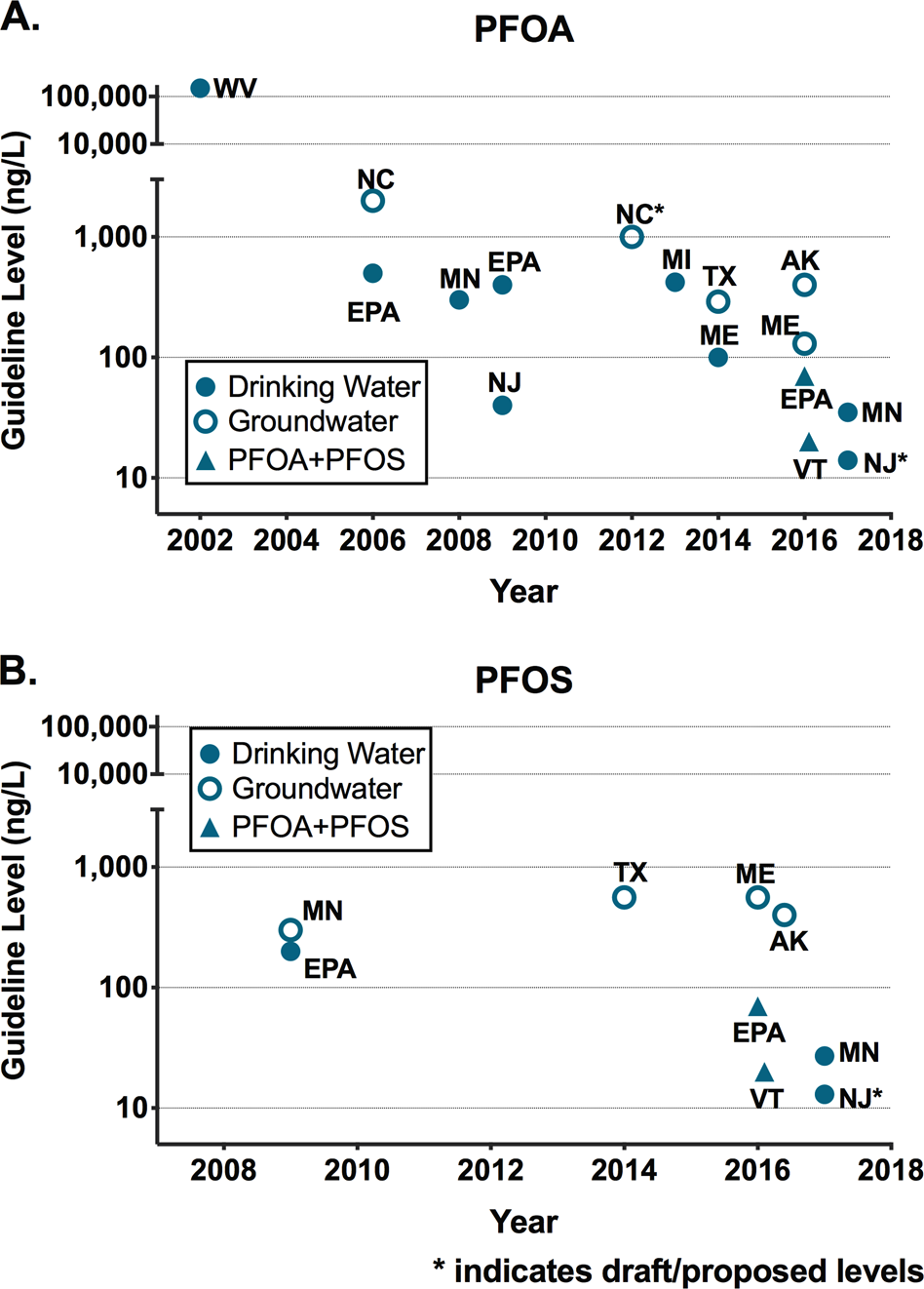
Guideline levels for PFOA and PFOS in drinking water: the role of scientific uncertainty, risk assessment decisions, and social factors
Communities across the U.S. are discovering drinking water contaminated by perfluoroalkyl and polyfluoroalkyl substances (PFAS) and determining appropriate actions. There are currently no federal PFAS drinking water standards despite widespread drinking water contamination, ubiquitous population-level exposure, and toxicological and epidemiological evidence of adverse health effects. Absent federal PFAS standards, multiple U.S. states have developed their own health-based water guideline levels to guide decisions about contaminated site cleanup and drinking water surveillance and treatment. We examined perfluorooctanoic acid (PFOA) and perfluorooctane sulfonate (PFOS) water guideline levels developed by the U.S. Environmental Protection Agency (EPA) and state agencies to protect people drinking the water, and summarized how and why these levels differ. We referenced documents and tables released in June 2018 by the Interstate Technology and Regulatory Council (ITRC) to identify states that have drinking water and groundwater guideline levels for PFOA and/or PFOS that differ from EPA’s health advisories (HAs). We also gathered assessment documents from state websites and contacted state environmental and health agencies to identify and confirm current guidelines. Seven states have developed their own water guideline levels for PFOA and/or PFOS ranging from 13 to 1000 ng/L, compared to EPA’s HA of 70 ng/L for both compounds individually or combined. We find that the development of PFAS guideline levels via exposure and hazard assessment decisions is influenced by multiple scientific, technical, and social factors, including managing scientific uncertainty, technical decisions and capacity, and social, political, and economic influences from involved stakeholders. Assessments by multiple states and academic scientists suggest that EPA’s HA is not sufficiently protective. The ability of states to develop their own guideline levels and standards provides diverse risk assessment approaches as models for other state and federal regulators, while a sufficiently protective, scientifically sound, and enforceable federal standard would provide more consistent protection.
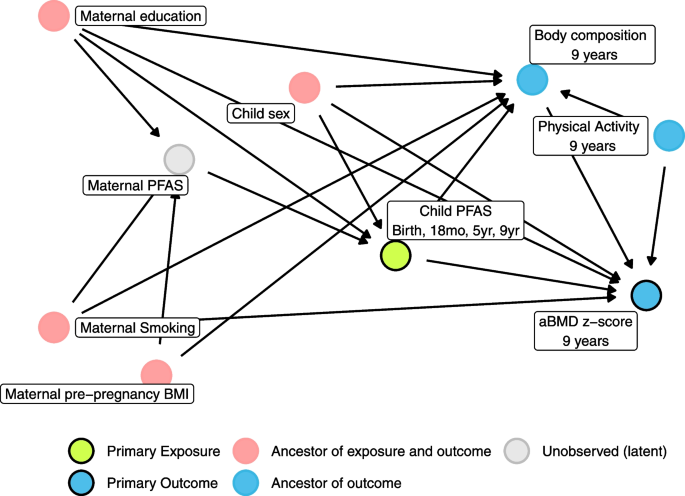
Bone mass density following developmental exposures to perfluoroalkyl substances (PFAS): a longitudinal cohort study
Environmental exposures to industrial chemicals, including perfluoroalkyl substances (PFAS), may play a role in bone development and future risk of osteoporosis. However, as prospective evidence is limited, the role of developmental PFAS exposures in bone density changes in childhood is unclear. The objective of this study was to estimate associations between serum-PFAS concentrations measured in infancy and early childhood and areal bone mineral density (aBMD) measured at age 9 years in a birth cohort of children from the Faroe Islands.
Occurrence of Major Perfluorinated Alkylate Substances in Human Blood and Target Organs
Abstract. Human exposure to perfluorinated alkylate substances (PFASs) is usually assessed from the concentrations in serum or plasma, assuming one-compart

Sociodemographic Factors Are Associated with the Abundance of PFAS Sources and Detection in U.S. Community Water Systems
Abstract. Drinking water contaminated by per- and polyfluoroalkyl substances (PFAS) is a widespread public health concern, and exposure–response relationsh

Abstract Background: Per- and polyfluoroalkyl substances (PFASs) are common industrial and consumer product chemicals with widespread human exposures that have been linked to adverse health effects. PFASs are commonly detected in foods and food-contact materials (FCMs), including fast food packaging and microwave popcorn bags. Objectives: Our goal was to investigate associations between serum PFASs and consumption of restaurant food and popcorn in a representative sample of Americans. Methods: We analyzed 2003–2014 serum PFAS and dietary recall data from the National Health and Nutrition Examination Survey (NHANES). We used multivariable linear regressions to investigate relationships between consumption of fast food, restaurant food, food eaten at home, and microwave popcorn and serum levels of perfluorooctanoic acid (PFOA), perfluorononanoic acid (PFNA), perfluorodecanoic acid (PFDA), perfluorohexanesulfonic acid (PFHxS), and perfluorooctanesulfonic acid (PFOS). Results: Calories of food eaten at home in the past 24 h had significant inverse associations with serum levels of all five PFASs; these associations were stronger in women. Consumption of meals from fast food/pizza restaurants and other restaurants was generally associated with higher serum PFAS concentrations, based on 24-h and 7-d recall, with limited statistical significance. Consumption of popcorn was associated with significantly higher serum levels of PFOA, PFNA, PFDA, and PFOS, based on 24-h and 12-month recall, up to a 63% (95% CI: 34, 99) increase in PFDA among those who ate popcorn daily over the last 12 months. Conclusions: Associations between serum PFAS and popcorn consumption may be a consequence of PFAS migration from microwave popcorn bags. Inverse associations between serum PFAS and food eaten at home—primarily from grocery stores—is consistent with less contact between home-prepared food and FCMs, some of which contain PFASs. The potential for FCMs to contribute to PFAS exposure, coupled with concerns about toxicity and persistence, support the use of alternatives to PFASs in FCMs. https://doi.org/10.1289/EHP4092