Serum vaccine antibody concentrations in adults exposed to per- and polyfluoroalkyl substances: A birth cohort in the Faroe Islands
Per- and polyfluoroalkyl substances (PFASs) are highly persistent in the environment and may cause depressed immune function. Previous studies have linked PFAS exposure to lower vaccine responses i...

Application of benchmark analysis for mixed contaminant exposures: Mutual adjustment of perfluoroalkylate substances associated with immunotoxicity
Background Developmental exposure to perfluorinated alkylate substances (PFASs) is associated with deficient IgG antibody responses to childhood vaccines. As this immunotoxicity outcome may represent a critical effect, calculation of benchmark dose (BMD) results would be useful for defining protective limits of exposure. However, exposures to the major PFASs that are associated with this adverse effect are interrelated, and mutually adjusted BMD results would be desirable. Methods We carried out BMD calculations on prospective data from two prospective birth cohort studies from the Faroe Islands with a total of 1,146 children. Exposure data included serum concentrations of five major PFASs at birth and at age 5 years and, as outcome parameters, the serum concentrations of specific IgG antibodies against tetanus and diphtheria at ages 5 and 7. We calculated the BMDs and their lower confidence bounds (BMDLs) and included mutual adjustment for five major PFASs. BMD and BMDL were expressed in terms of the serum concentration of the PFASs. Results The BMDLs for the immunotoxicants were of similar magnitude before and after adjustment. As compared to linear dose-response models, the PFASs showed lower results for a piecewise linear model, which also provided a slightly better fit. Weaker associations with the antibody outcomes were observed after adjustments due to the correlation between the PFASs. However, while the adjustments resulted in elevated BMD results and p values, the BMDL values were not materially changed. Conclusions Adjustment for co-exposure to a related immunotoxicant increased both the BMD values and their standard errors, though affected the BMDL values only to a negligible extent. Thus, when correlated toxicants appear to affect the same outcome and none of them is known a priori to be solely responsible, all exposures may be considered responsible in BMD calculations. Our BMDL results, both before and after adjustment are generally below current exposure levels and therefore suggest that all five perfluorinated substances should attract regulatory attention, at least until additional evidence shows otherwise.
Exposure to per-fluoroalkyl and polyfluoroalkyl substances leads to immunotoxicity: epidemiological and toxicological evidence
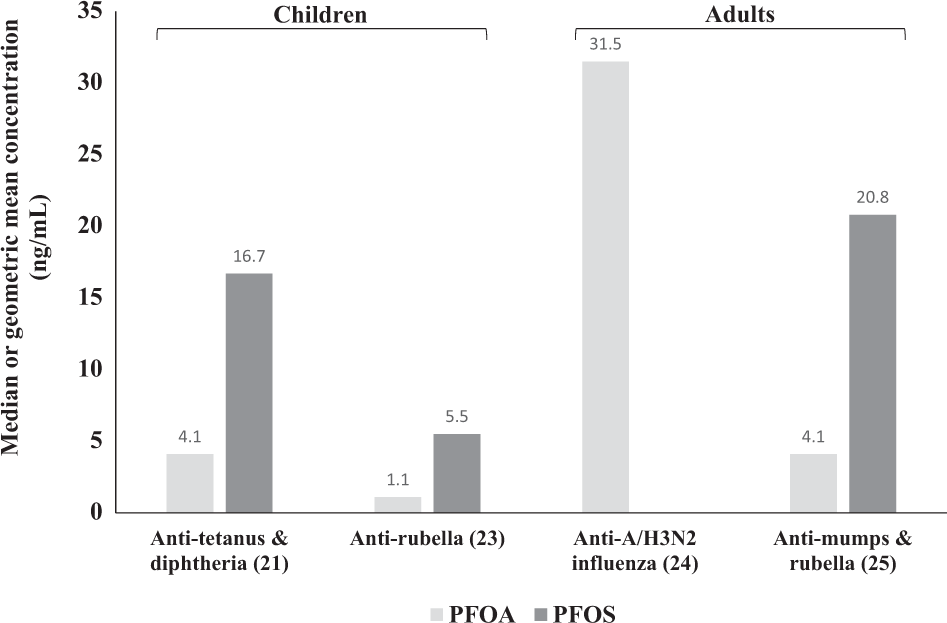
In this perspective, we evaluate key and emerging epidemiological and toxicological data concerning immunotoxicity of perfluorooctanoic acid (PFOA) and perfluorooctane sulfonate (PFOS) and seek to reconcile conflicting conclusions from two reviews published in 2016. We summarize ways that immunosuppression and immunoenhancement are defined and explain how specific outcomes are used to evaluate immunotoxicity in humans and experimental animals. We observe that different approaches to defining immunotoxicological outcomes, particularly those that do not produce clinical disease, may lead to different conclusions from epidemiological and toxicological studies. The fundamental point that we make is that aspects of epidemiological studies considered as limitations can be minimized when data from toxicological studies support epidemiological findings. Taken together, we find that results of epidemiological studies, supported by findings from toxicological studies, provide strong evidence that humans exposed to PFOA and PFOS are at risk for immunosuppression.
Binding of Per- and Polyfluoroalkyl Substances (PFAS) to Serum Proteins: Implications for Toxicokinetics in Humans
Abstract. Per- and polyfluoroalkyl substances (PFAS) are a diverse class of highly persistent anthropogenic chemicals that are detectable in the serum of m
Benchmark dose calculations for PFAS exposure based on two data sets on immunotoxic effects
Exposure to perfluorinated alkylate substances (PFAS) is associated with harmful effects on human health, including developmental immunotoxicity. This outcome was chosen as the critical effect by the European Food Safety Authority (EFSA), which calculated a new joint reference dose for four PFAS using a Benchmark Dose (BMD) analysis of a study of 1-year old children. However, the U.S. Environmental Protection Agency (EPA) recently proposed much lower exposure limits.
Plasma Concentrations of Perfluoroalkyl Substances and Risk of Type 2 Diabetes: A Prospective Investigation among U.S. Women
Estimated exposure to perfluoroalkyl substances during infancy and serum-adipokine concentrations in later childhood
Perfluoroalkyl substances (PFASs) are transferred through human milk and may cause elevated exposure during infancy. Given the lack of early postnatal blood samples, PFAS concentrations can be estimated to serve as predictors of subsequent metabolic toxicity.
Unbound Fractions of PFAS in Human and Rodent Tissues: Rat Liver a Suitable Proxy for Evaluating Emerging PFAS?
Abstract. Adverse health effects associated with exposures to perfluoroalkyl and polyfluoroalkyl substances (PFAS) are a concern for public health and are

Occurrence of Major Perfluorinated Alkylate Substances in Human Blood and Target Organs
Abstract. Human exposure to perfluorinated alkylate substances (PFASs) is usually assessed from the concentrations in serum or plasma, assuming one-compart

Severity of COVID-19 at elevated exposure to perfluorinated alkylates
Background The course of coronavirus disease 2019 (COVID-19) seems to be aggravated by air pollution, and some industrial chemicals, such as the perfluorinated alkylate substances (PFASs), are immunotoxic and may contribute to an association with disease severity. Methods From Danish biobanks, we obtained plasma samples from 323 subjects aged 30–70 years with known SARS-CoV-2 infection. The PFAS concentrations measured at the background exposures included five PFASs known to be immunotoxic. Register data was obtained to classify disease status, other health information, and demographic variables. We used ordered logistic regression analyses to determine associations between PFAS concentrations and disease outcome. Results Plasma-PFAS concentrations were higher in males, in subjects with Western European background, and tended to increase with age, but were not associated with the presence of chronic disease. Of the study population, 108 (33%) had not been hospitalized, and of those hospitalized, 53 (16%) had been in intensive care or were deceased. Among the five PFASs considered, perfluorobutanoic acid (PFBA) showed an unadjusted odds ratio (OR) of 2.19 (95% confidence interval, CI, 1.39–3.46) for increasing severities of the disease. Among those hospitalized, the fully adjusted OR for getting into intensive care or expiring was 5.18 (1.29, 20.72) when based on plasma samples obtained at the time of diagnosis or up to one week before. Conclusions Measures of individual exposures to immunotoxic PFASs included short-chain PFBA known to accumulate in the lungs. Elevated plasma-PFBA concentrations were associated with an increased risk of a more severe course of COVID-19. Given the low background exposure levels in this study, the role of exposure to PFASs in COVID-19 needs to be ascertained in populations with elevated exposures.
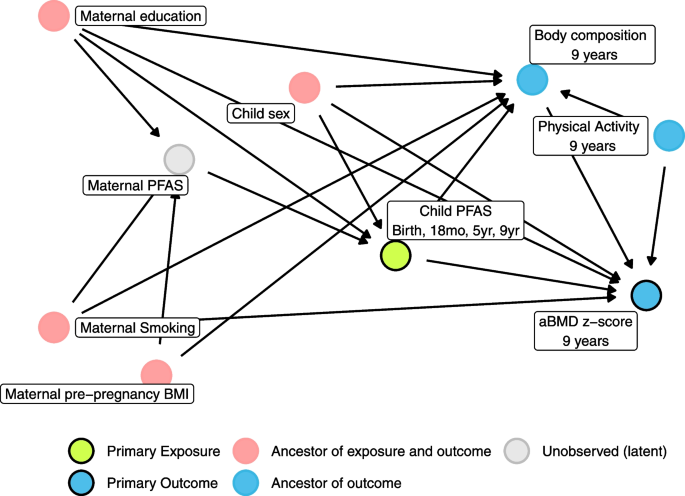
Bone mass density following developmental exposures to perfluoroalkyl substances (PFAS): a longitudinal cohort study
Environmental exposures to industrial chemicals, including perfluoroalkyl substances (PFAS), may play a role in bone development and future risk of osteoporosis. However, as prospective evidence is limited, the role of developmental PFAS exposures in bone density changes in childhood is unclear. The objective of this study was to estimate associations between serum-PFAS concentrations measured in infancy and early childhood and areal bone mineral density (aBMD) measured at age 9 years in a birth cohort of children from the Faroe Islands.
Shifting Global Exposures to Poly- and Perfluoroalkyl Substances (PFASs) Evident in Longitudinal Birth Cohorts from a Seafood-Consuming Population
Abstract. Rapid declines in legacy poly- and perfluoroalkyl substances (PFASs) have been reported in human populations globally following changes in produc
Red Blood Cell Folate Modifies the Association between Serum Per- and Polyfluoroalkyl Substances and Antibody Concentrations in U.S. Adolescents
Abstract. Per- and polyfluoroalkyl substances (PFAS) exposure has been associated with reduced antibody levels. Higher red blood cell (RBC) folate was prev
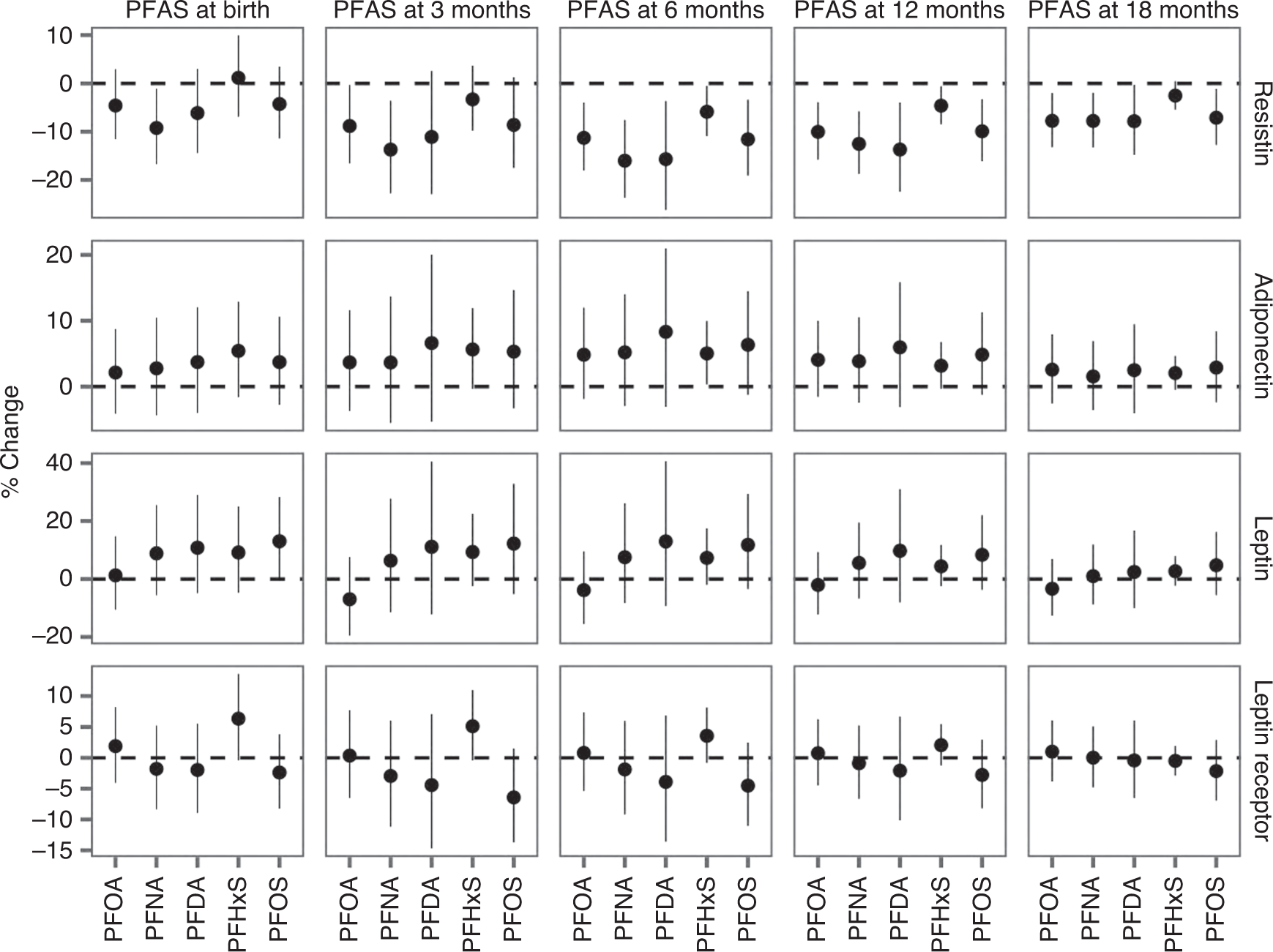
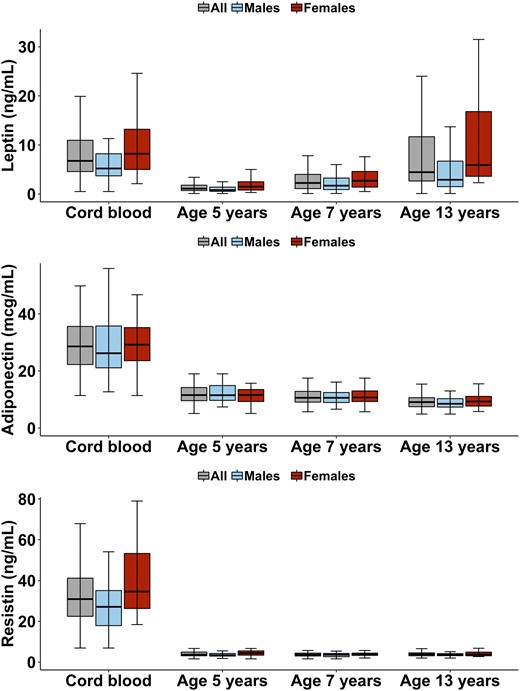
Early Life Exposures to Perfluoroalkyl Substances in Relation to Adipokine Hormone Levels at Birth and During Childhood
Prenatal and early postnatal exposures to perfluoroalkyl substances were associated with decreases in adipokine hormone levels over the childhood period in
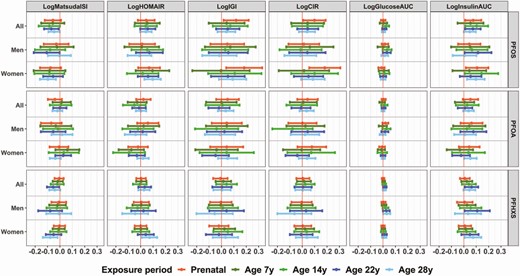
Life-course Exposure to Perfluoroalkyl Substances in Relation to Markers of Glucose Homeostasis in Early Adulthood
AbstractObjective. To investigate the prospective associations of life-course perfluoroalkyl substances (PFASs) exposure with glucose homeostasis at adulth
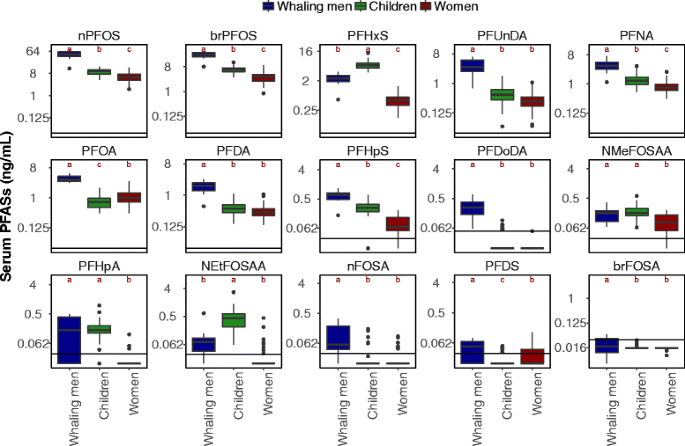
Can profiles of poly- and Perfluoroalkyl substances (PFASs) in human serum provide information on major exposure sources?
Humans are exposed to poly- and perfluoroalkyl substances (PFASs) from diverse sources and this has been associated with negative health impacts. Advances in analytical methods have enabled routine detection of more than 15 PFASs in human sera, allowing better profiling of PFAS exposures. The composition of PFASs in human sera reflects the complexity of exposure sources but source identification can be confounded by differences in toxicokinetics affecting uptake, distribution, and elimination. Common PFASs, such as perfluorooctanoic acid (PFOA), perfluorooctane sulfonic acid (PFOS) and their precursors are ubiquitous in multiple exposure sources. However, their composition varies among sources, which may impact associated adverse health effects.