

Building a graph of the Internet, one button at a time
Tim Berners-Lee, Giant Global Graph (2007)
A new vision for the web where the users master their data and link them to everybody's benefit in a giant global graph.
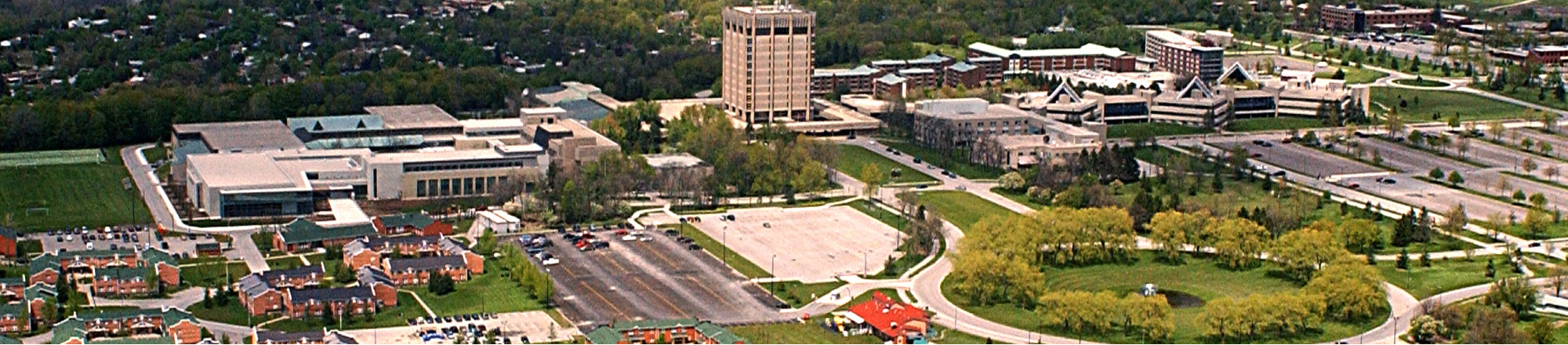
The 34th International Symposium on Graph Drawing and Network Visualization
The 34th International Symposium on Graph Drawing and Network Visualization will be held at Brock University in St. Catharines, Ontario, Canada from August 17-21, 2026. A PhD school will take place on August 17-18, 2026.
The Together Project
What if we could actually see the acknowledgement graph that connects humans and communities in a hidden economic web?

Context Graph: It’s time to bring context back to the web
The largest button on a modern browser is the back button. Trips to the web are short. Enter a search, get a result, click back, then try…

Kill The Internet IRL in Austin TX
A night of philosophizing in the digital age of chaos and decay. Discussions with three online public philosophers on technology, privacy, and the state of our internet enmeshed civilization.The D...
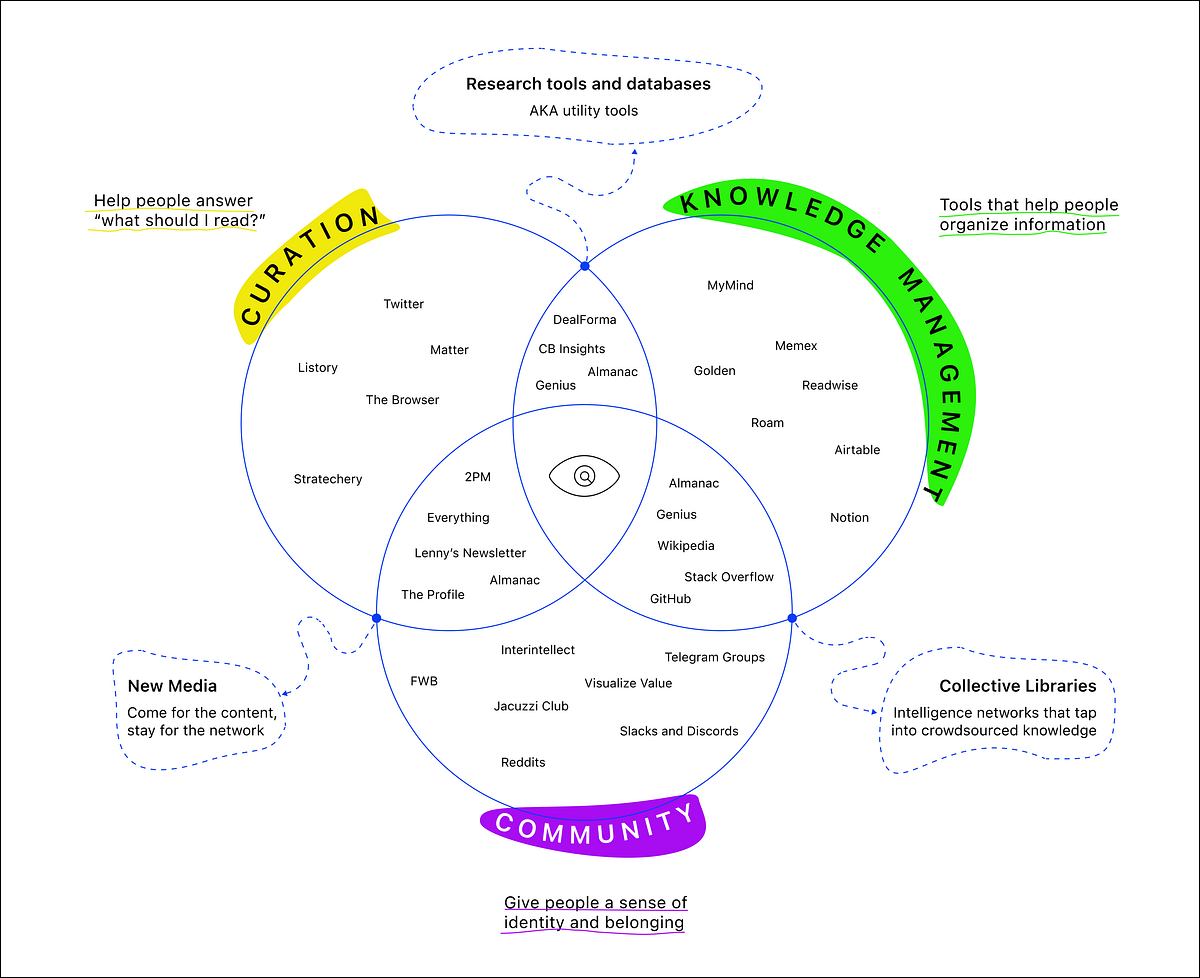
The rise of community-curated knowledge networks
The Internet put thousands of years of human thought at our fingertips, and enabled billions of people to create content. At least 2.5…
Sustainable Web Manifesto
“If the Internet was a country, it would be the 13th largest polluter”
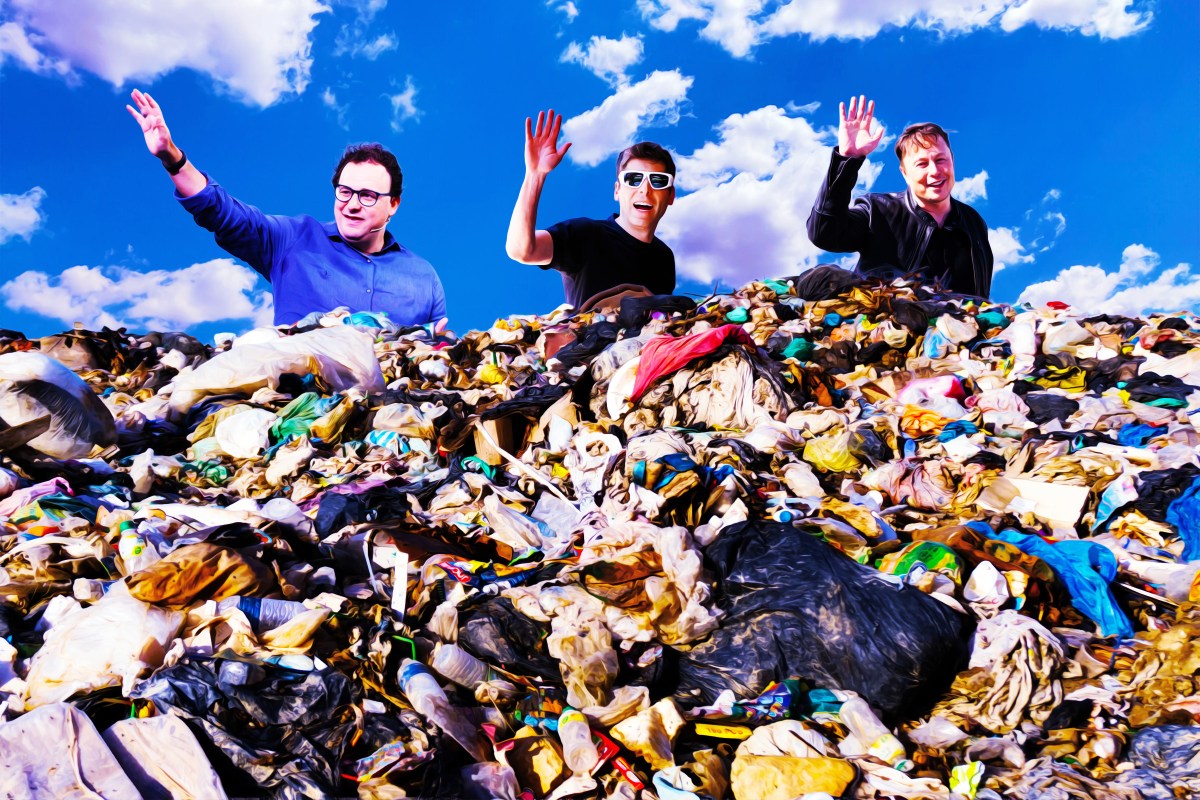
Over 50 Percent of the Internet Is Now AI Slop, New Data Finds
New research from the firm Graphite found that around half of all articles on the internet are AI generated.
The New Internet: Tailscale's Vision for the Future of Connectivity
Tailscale's CEO, Avery Pennarun, explores the future of the internet, discussing the evolution of networking, the issues with today's complex systems, and how Tailscale is simplifying connectivity for developers with a new, more efficient approach. Discover the vision for a New Internet.
Historical pragmatism and the internet
This article argues that the literature describing the internet revolution in the 1990s was characterized by the rhetoric of the technological sublime. This rhetoric suffered from three fatal flaws: (1) it was not sufficiently grounded in the historical development of technology; (2) it viewed the internet in isolation, failing to consider the wider technological context; and (3) it failed to examine the internet in view of the social, economic, religious and political circumstances of its users. Several examples from history are cited, demonstrating that changes in various systems for the production, dissemination and preservation of cultural information both border and deborder the world. The article suggests that if internet researchers take a pragmatic, historically grounded approach, they will discover that the introduction of internet technology can be seen to have similar consequences. While the technology overcomes many boundaries (of space and time, politics and economics), other social borders may be created at the same time. It is easier to see old boundaries coming down than to see new ones being erected. Rather than being swept by utopian or dystopian enthusiasms, the article insists that the really interesting discoveries are to be made in locating the subtle social shifts taking place, relatively unnoticed, as a consequence of technological change.

Home - Green Web Foundation
We need a fossil free internet by 2030. The internet is the world's biggest coal powered machine, and this is bug in the system we can fix.
The Zero Click Internet
The internet is undergoing the biggest change since its inception. It's huge. And there is no going back. The web is changing into the Zero Click Internet,...

The Attention Forum: October 23/24th 2025
The internet was initially sold to us as a force for connection – a borderless, democratizing set of technologies that would amplify voices, allow us to spread ideas, and strengthen civil society.

Toward Wayfinding Infrastructure for the Living Web · Atlas Research Group
Our world is getting crazier by the day. Our old maps and compasses weren’t made for this complexity. While new tools may open up amazing possibilities, they also make it easier to lose ourselves – especially when they don’t belong to us, and make us vulnerable to other people’s hidden choices and unsavory intentions about what is worth attending to.

Digital-Trust-Graph-Online-Slides-.pdf
Technological

Posts about the future of the internet, AI, and anything technological. Hence the name.
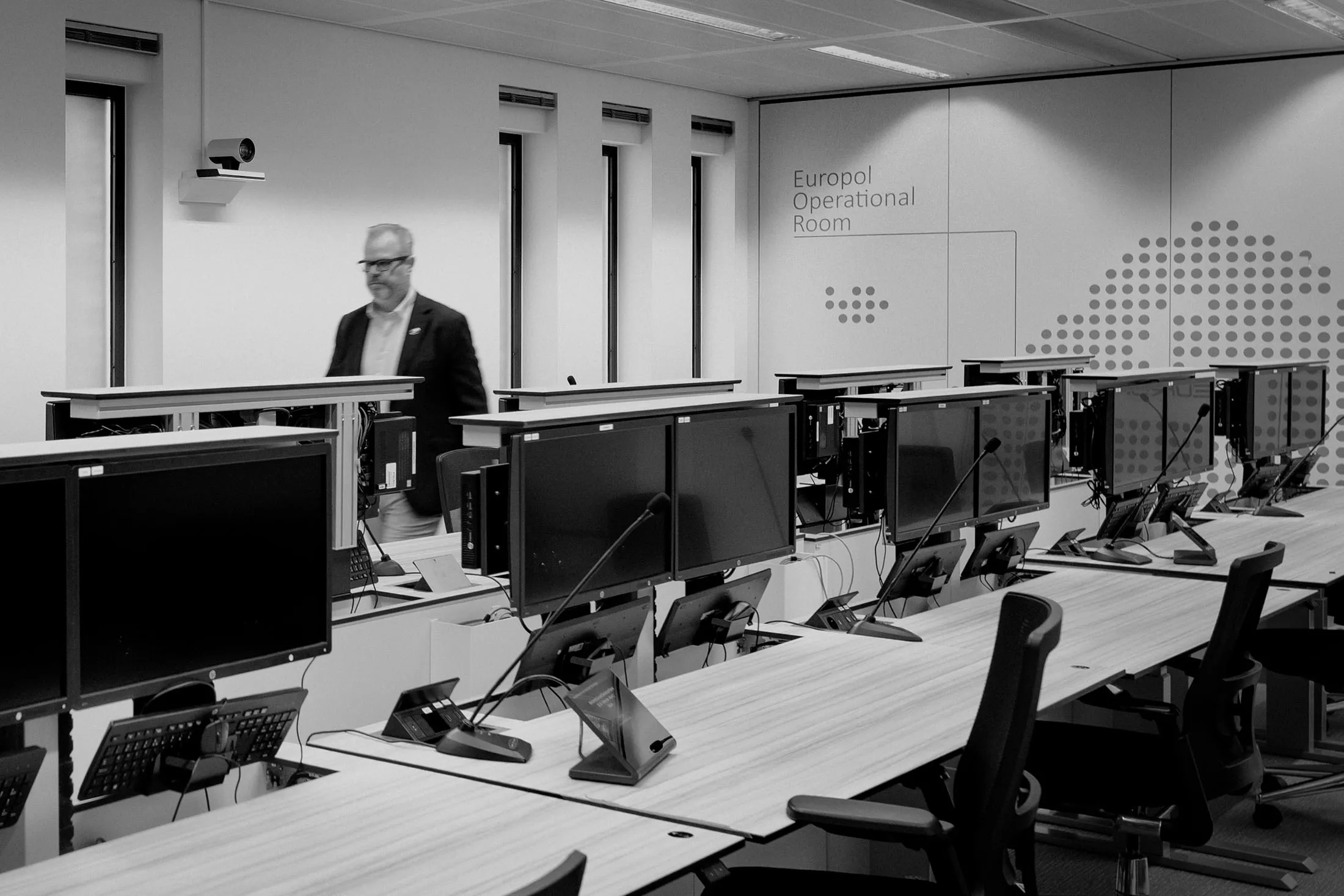
Child Predators Turn to Open-Source AI to Make Unlimited Illegal Images

Mac Users Reclaim 12GB+ of Storage With Apple Intelligence Removal Tool
‘Doom Loop’: OpenAI and Microsoft Admits LLMs Are Destroying the Web and Built on Theft

Cory Doctorow: AI’s big beasts aren’t really scared of their products. They’re scared of their competition
How AI Chatbots Are 'Deskilling' Human Empathy
Pluralistic: The Claude Delusion (21 Sep 2026) – Pluralistic: Daily links from Cory Doctorow