

Summary and Introduction- I tried to obtain the national ID card. In the application, I wrote that my religion was Baha'i. The officer refused to accept the application and asked me to present my birth certificate. I showed it to him. It stated that I was Baha'i and so were my parents. He still refused to accept the application and asked me to apply in Cairo. When I went to Cairo, I met an officer called Wa'il who opened a drawer in his desk and pulled out a big pile of documents and said, "You see, all these applications are from Baha'i who want IDs. You will never ever get them."...Nayir Nabil
More than half a million Rohingya in Bangladesh get ID cards for first time: UN refugee agency
More than 500,000 Rohingya refugees who fled a brutal crackdown in Myanmar two years ago, have received identification cards that the UN insisted on Friday were critical to safeguarding their right to return home.

The Path to Self-Sovereign Identity
Today I head out to a month-long series of events associated with identity: I’m starting with the 22st (!) Internet Identity Workshop next week; then I’...

The Path to Self-Sovereign Identity
Today I head out to a month-long series of events associated with identity: I’m starting with the 22st (!) Internet Identity Workshop next week; then I’...
Seeing Self-Sovereign Identity in Historical Context
850 million people globally don’t have ID—why this matters and what we can do about it
The World Bank and its ID4D Initiative are providing tailored support to strengthen the accessibility, design, and governance of identification and civil registration in 57 countries.

NIST SP 800-63 Digital Identity Guidelines
NIST Special Publication 800-63 Digital Identity Guidelines
Reinventing identity for a post-human world
Identity as a Sovereign Asset: The ARPA Live ID and the Next Economic Paradigm

No2DigitalID — Big Brother Watch
A national digital ID system is not inevitable. We can stop Britain sleepwalking into becoming a database state. Support our campaign to create a legal right to use non-digital ID!

There’s Only One State That is Asking the Right Questions About Digital Identity | ACLU
A digital ID system involves value-laden choices that should be made through explicit political discussion and debate
Zero Knowledge Proofs Alone Are Not a Digital ID Solution to
In the past few years, governments across the world have rolled out digital identification options, and now there are efforts encouraging online companies to implement identity and age verification
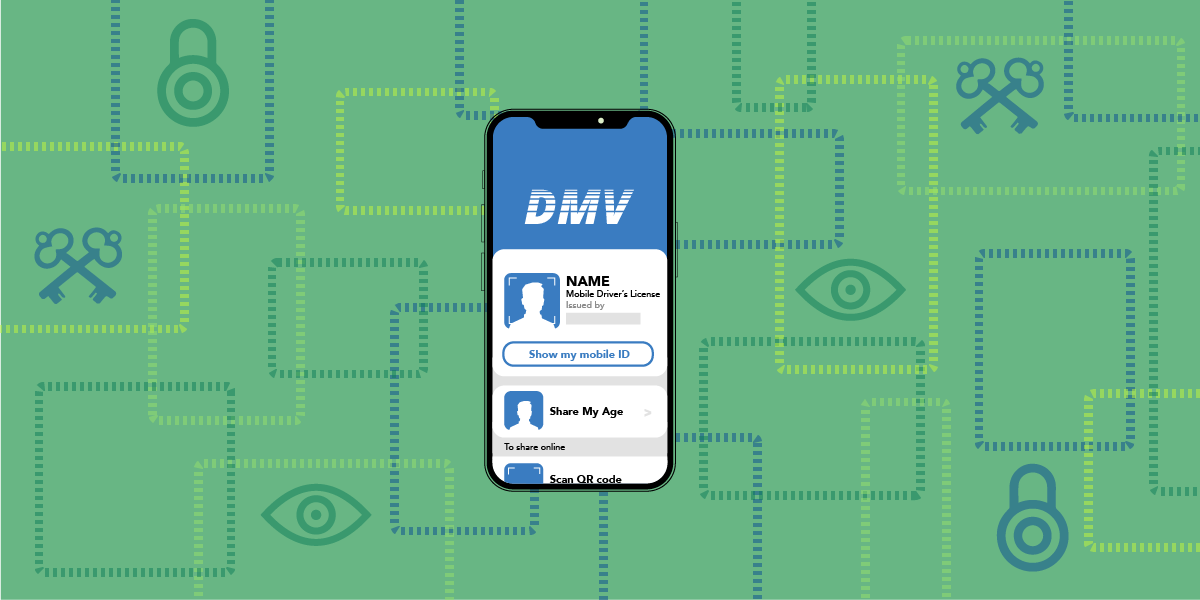
‘Age Verification’ could force trans people to out themselves to use the internet
Automated online ID checking systems add new potential dangers to having a mismatching ID.

In defense of the National ID and Digital ID
Having watched another round of the British NO2ID debate, which has opposed the introduction of a single national ID document since 2004, I cannot help but notice a rather drastic misconception of the
IACIS 2026 - OpenConf Abstract Submission, Peer Review, and Event Management System
As lawmakers across the United States move to require age verification for access to adult content online, new questions are emerging about the unintended risks these laws create. While intended to protect minors, many of these policies rely on systems that collect and store overly sensitive personal information such as government-issued IDs or biometric data without adequate safeguards. This introduces serious cybersecurity vulnerabilities, privacy concerns, and potential legal liability for platforms and users alike. Some major platforms have already withdrawn from certain states rather than comply, raising questions about the real-world feasibility of these laws. This study examines the intersection of digital privacy, cybersecurity, and legal compliance in the context of mandatory age verification. It analyzes the risks posed by identity-based and biometric systems, the role of third-party vendors, and the inconsistencies in how states define and enforce these requirements. The paper evaluates several age verification models and concludes that attribute-based verification systems that confirm age eligibility without revealing full identities offers the most secure and privacy-conscious path forward. The findings underscore a critical need for better-designed legislation that balances child protection with digital rights and security. This research provides targeted recommendations for policymakers, platform operators, and cybersecurity professionals, urging a shift toward transparent, accountable, and technically sound solutions before flawed systems become entrenched.
Lessons from National Digital ID Systems for Privacy, Security, and Trust in the AI Age
CJ Larkin and Renée DiResta surface lessons from existing national ID schemes relevant to the evolution of digital identity in the age of AI.

This is just the demo (come see us presenting it with @vdbdavid.eurosky.social at vlaanderen.be/trefdag-vlaanderen-digitaal next week!) but: - Optional ID verification - Only showed my ID to the government, super easy with mygov.be - My details aren't stored on protocol
